Quick FactsOverview
About Hanamaki Onsen, Iwate
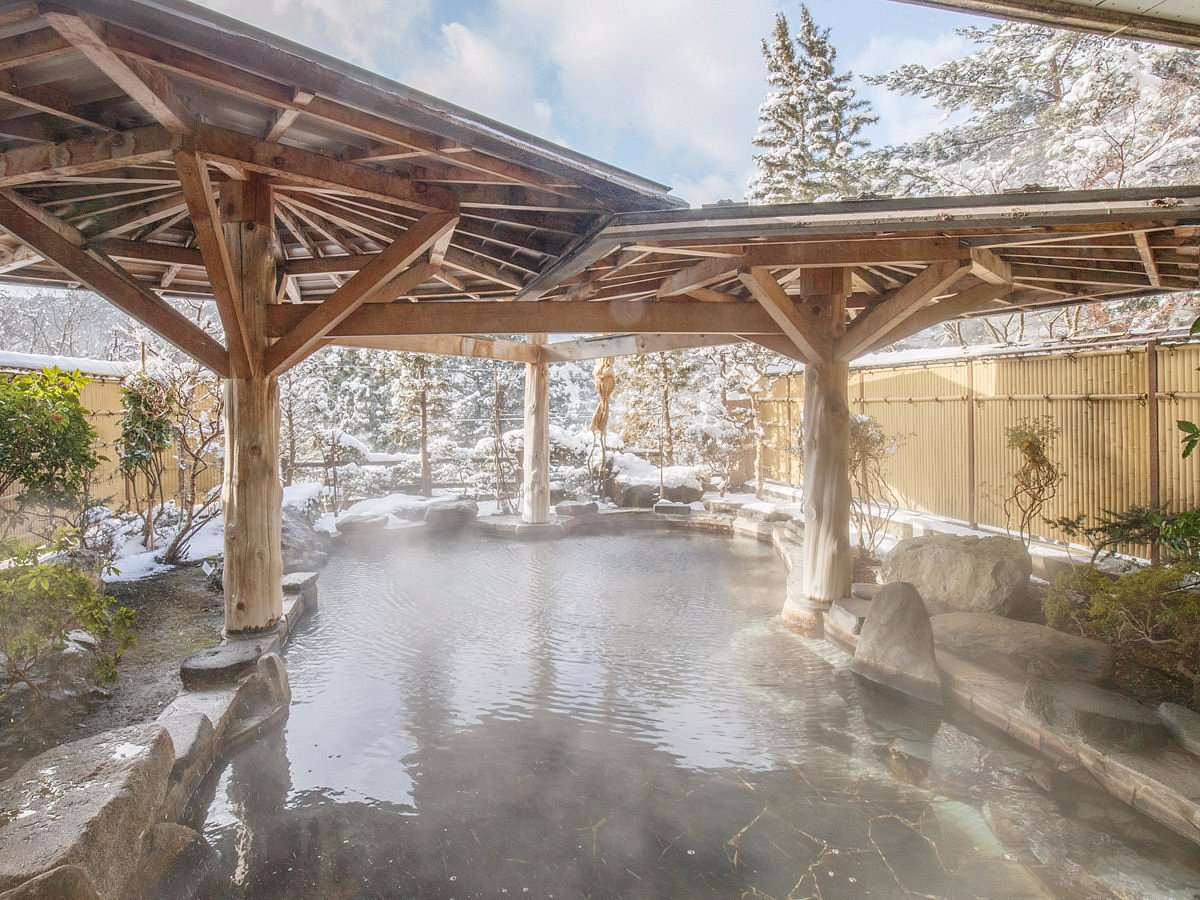
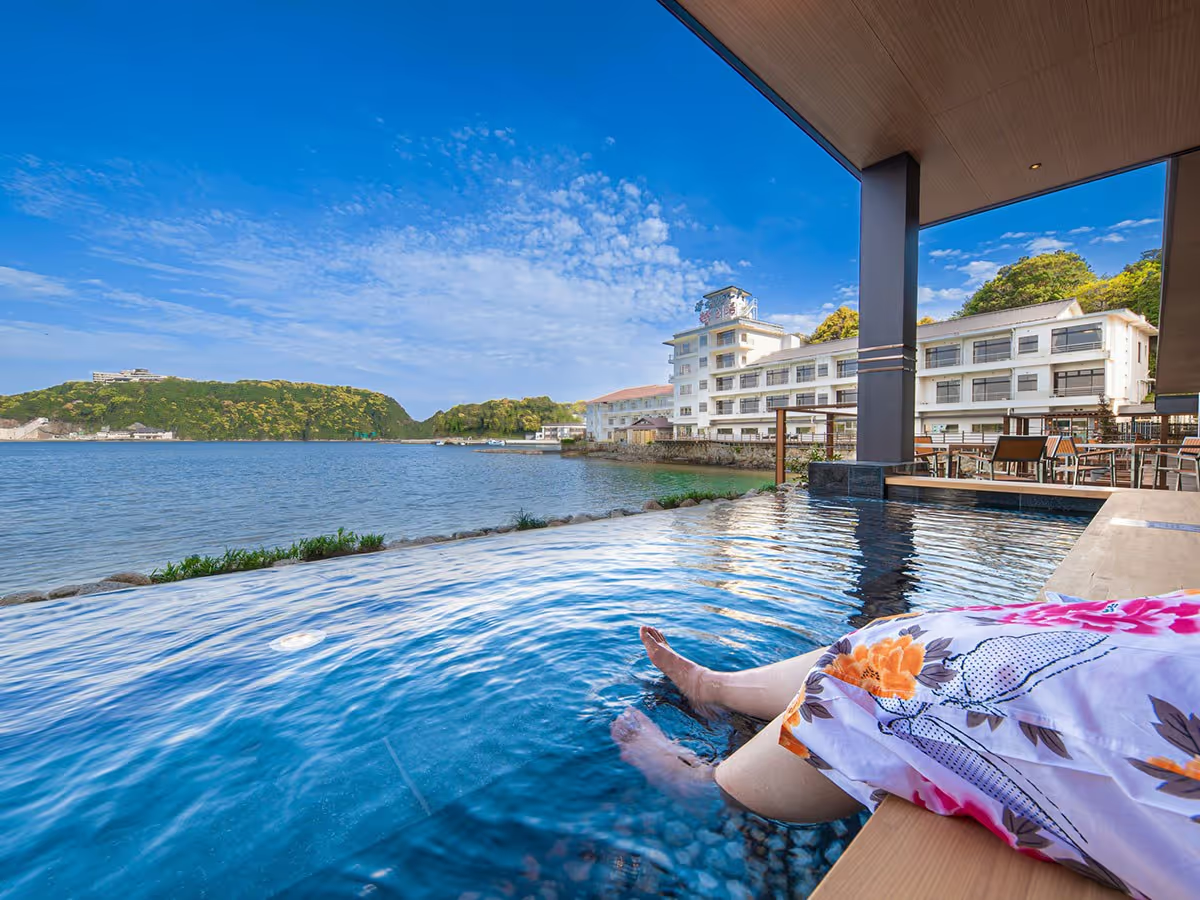
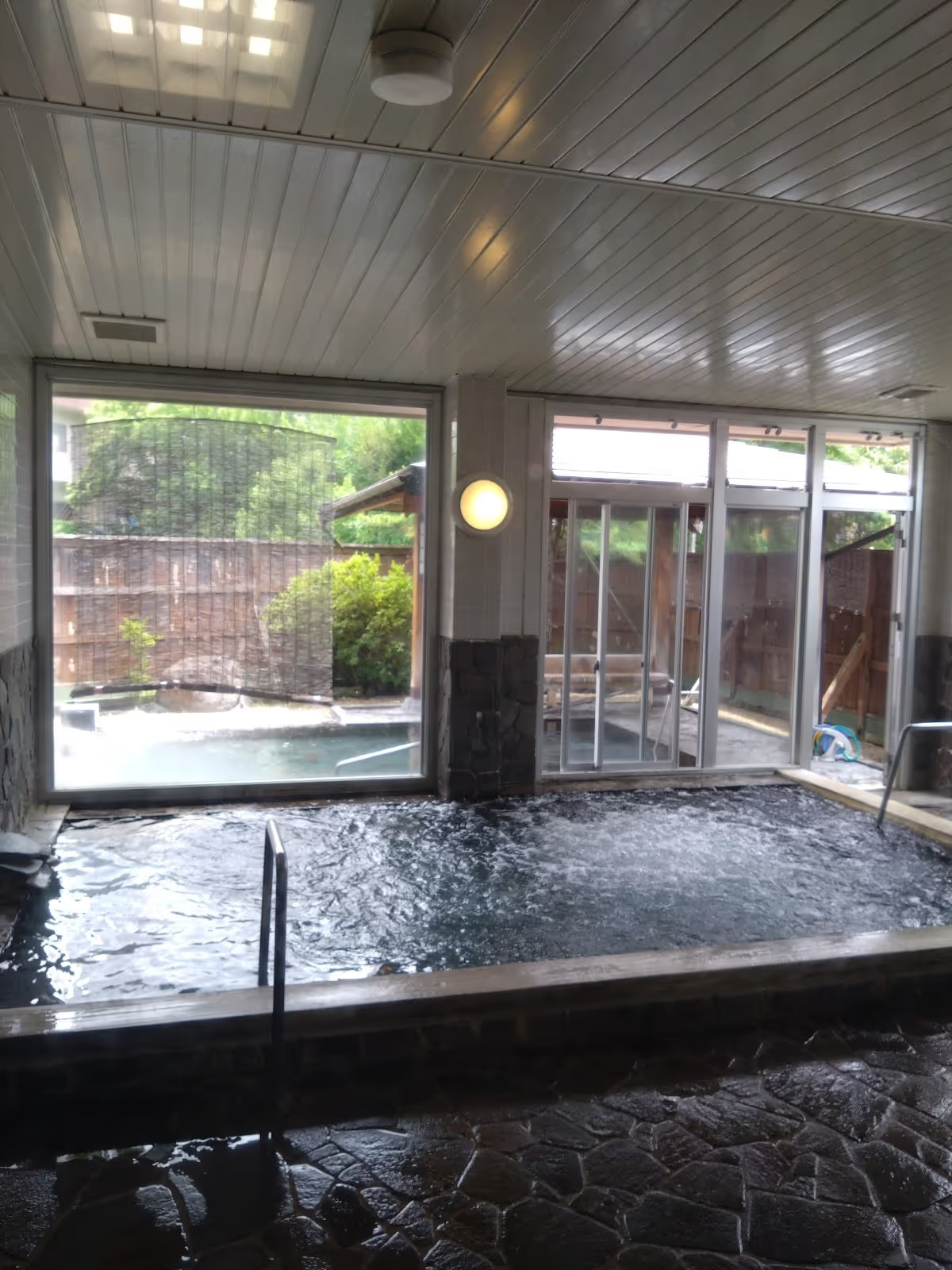
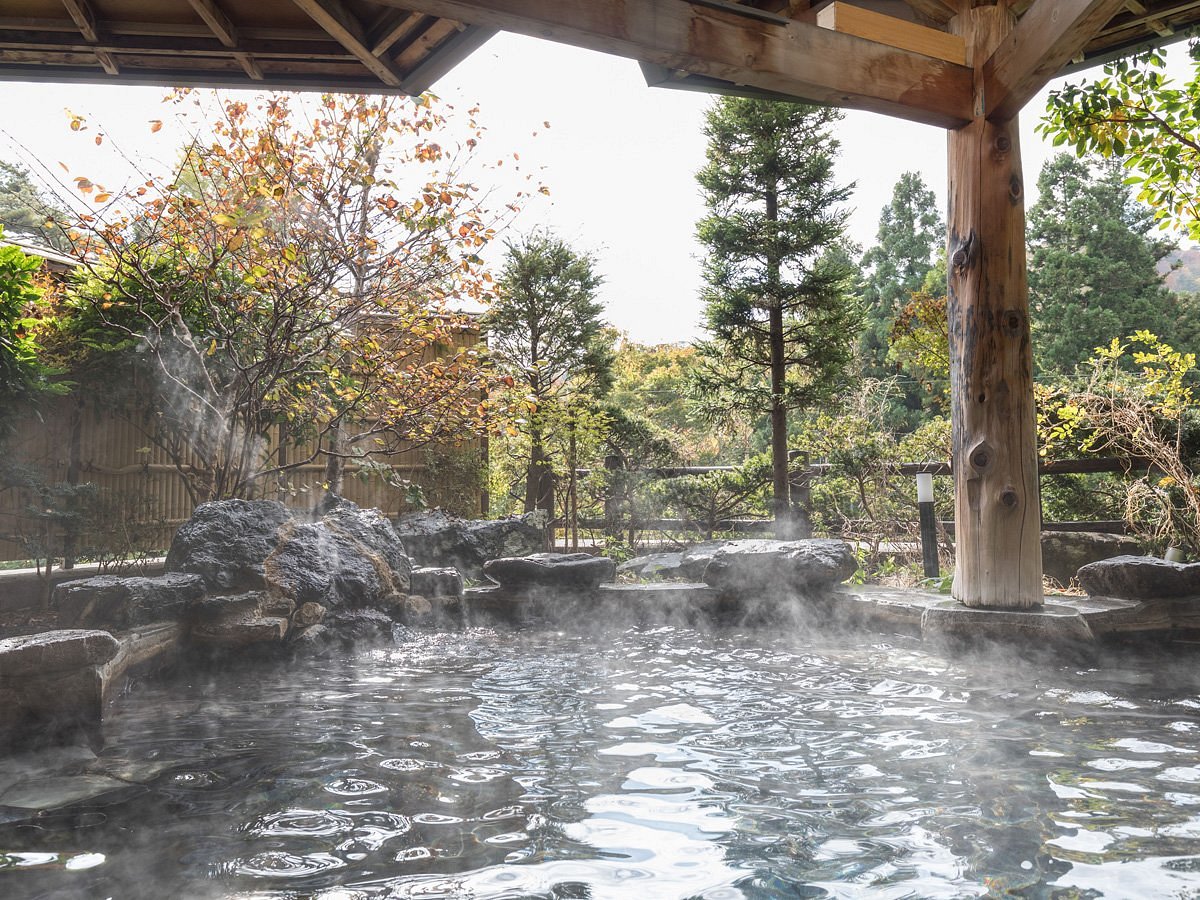
Hanamaki Onsen, Japan is a hot spring resort area located in Hanamaki City, Iwate Prefecture, in the southern Iwate interior approximately 30 kilometers south of Morioka. The name Hanamaki Onsen refers broadly to a cluster of onsen districts spread across the city and its surrounding hills, including the main Hanamaki Onsen district, Oshu Hanamaki Onsen, and the more remote Dake Onsen and Yamano Onsen areas further into the hills. The resort area has developed over many decades into one of the more substantial onsen destinations in the Iwate and southern Tohoku region, drawing visitors from across the prefecture and from further afield for its combination of clear spring water, large ryokan facilities, and the cultural associations of the city with the poet and author Kenji Miyazawa.
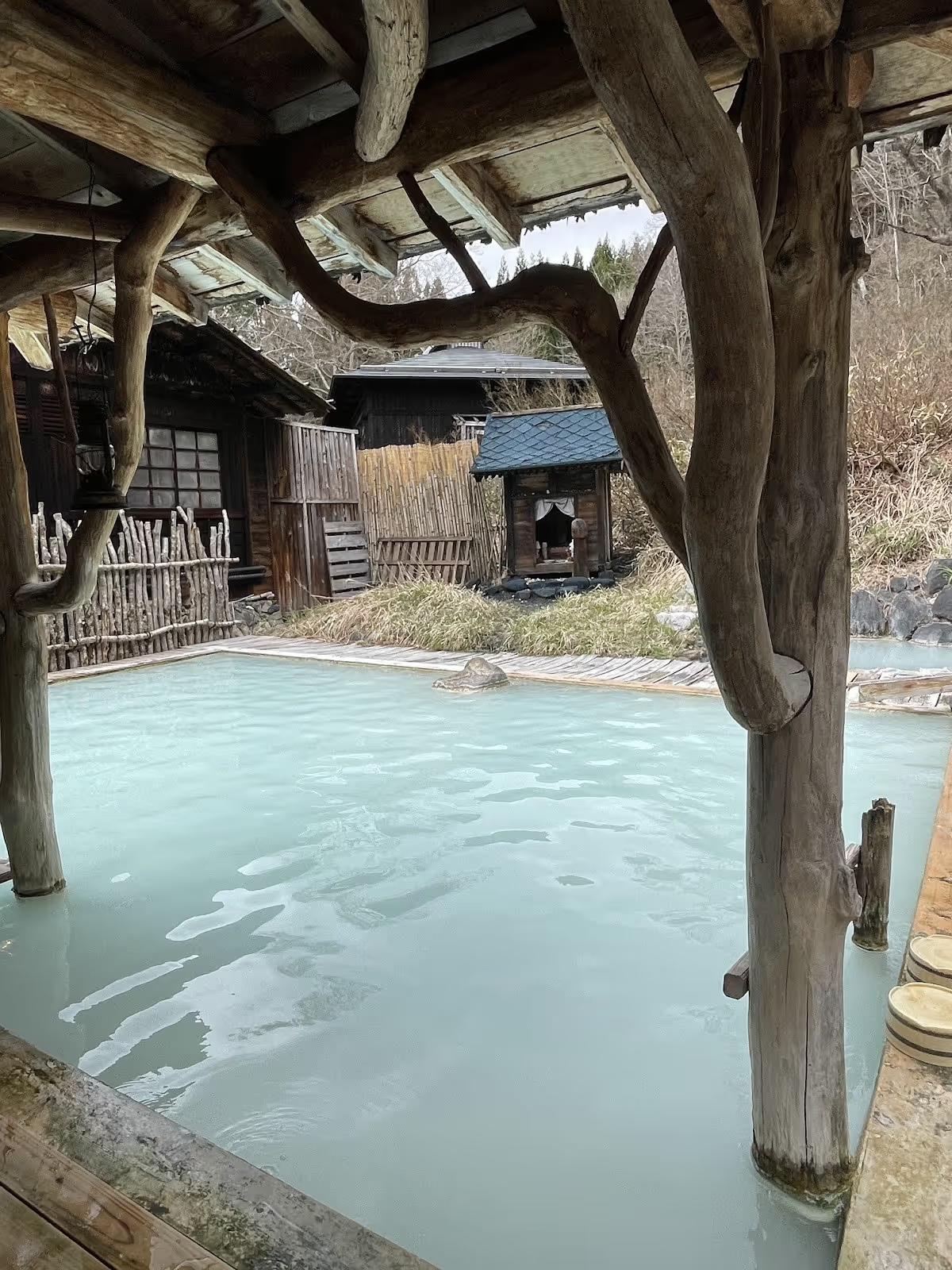
The spring water in the main Hanamaki Onsen area is clear and alkaline in type, with a mild and smooth quality suited to a broad range of visitors. The more remote Dake Onsen area, set higher in the hills to the west of the city, has a more sulfurous character and a wilder setting than the developed main resort. The cultural connection to Kenji Miyazawa, one of the most celebrated writers of the Showa period and a native of Hanamaki, gives the city and its onsen area a literary dimension that enriches a stay beyond the bathing experience itself. The Kenji Miyazawa Memorial Museum and the Ihatov landscape of hills and farmland that inspired his writing are accessible from the onsen area and are a natural complement to a ryokan stay. For visitors seeking hot springs near Hanamaki city with a direct Shinkansen connection and a well-developed inn district, Hanamaki Onsen is the most significant onsen destination in the southern Iwate interior.
Location & Access
Getting to Hanamaki Onsen
Hanamaki Onsen is accessible from Hanamaki Station on the JR Tohoku Main Line, which is also served by the Tohoku Shinkansen at Shin-Hanamaki Station, located approximately five kilometers from the city center. From Tokyo, the Tohoku Shinkansen reaches Shin-Hanamaki in approximately two hours and 20 minutes. From Shin-Hanamaki Station, buses and taxis serve the main Hanamaki Onsen district, with a journey time of approximately 15 to 20 minutes. Some ryokan in the resort area offer pickup services from Shin-Hanamaki or Hanamaki Station, and confirming this when booking is advisable.
Visitors traveling by car can reach the main Hanamaki Onsen district from the Tohoku Expressway via the Hanamaki interchange, with the drive from the interchange taking approximately 15 minutes. From Morioka, the drive via the expressway takes approximately 30 minutes. Parking is available at individual ryokan and at several public points within the resort area. The more remote Dake Onsen district is accessible by car via a hillside road that requires winter tires between November and April.
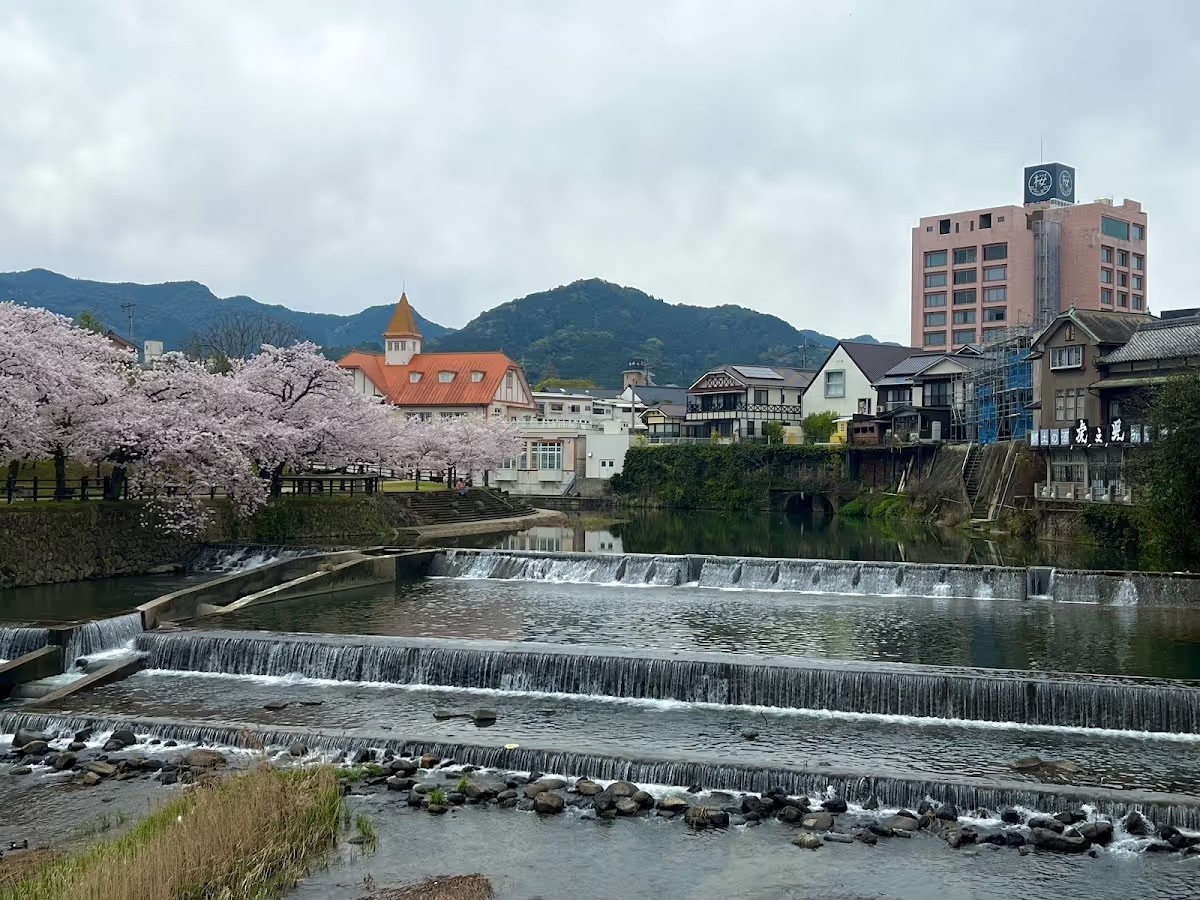
The main Hanamaki Onsen district is laid out along a valley road with ryokan arranged on both sides and is manageable on foot within the central area. For those seeking hot springs near Hanamaki with a direct Shinkansen connection, the combination of Shin-Hanamaki Station and the bus or taxi connection to the resort makes Hanamaki one of the more conveniently reached onsen resort areas in Iwate. Day-use bathing is available at several ryokan in the main district, making a half-day visit from the Shinkansen line practical for visitors passing through the region.
Suitability & Accessibility
Who Hanamaki Onsen Suits
Hanamaki Onsen suits visitors who want a well-developed ryokan onsen experience in the Iwate interior combined with access to the cultural and literary heritage of the Kenji Miyazawa landscape. The city's association with one of Japan's most beloved writers gives the stay a dimension that distinguishes it from onsen towns without this kind of cultural grounding, and the Kenji Miyazawa Memorial Museum and the Ihatov landscape trails are rewarding for visitors with an interest in Japanese literature and rural Tohoku scenery.
Couples and families seeking a comfortable overnight ryokan stay within straightforward reach of the Tohoku Shinkansen will find the main Hanamaki Onsen district well equipped. The range of ryokan from large resort properties to smaller traditional inns gives visitors a choice of scale and price point. Families are accommodated at several properties, and the agricultural and forested landscape surrounding the city is engaging for visitors with an interest in the rural character of the Iwate interior. Solo travelers with a literary interest will find Hanamaki particularly rewarding when combined with time at the Miyazawa memorial and the surrounding countryside.
Visitors looking for accessible hot springs in Japan should note that the main resort district is arranged along a valley road with a relatively manageable layout, though individual ryokan vary in their internal accessibility. Larger and more recently built properties are more likely to offer accessible room and bathing configurations. Guests with significant mobility limitations should confirm specific arrangements directly with their chosen property before booking. Among the more culturally layered and transport-accessible hot springs in Japan in the Iwate region, Hanamaki Onsen offers a combination of refined ryokan bathing and genuine literary heritage that gives the destination a well-rounded character for visitors spending one or more nights in southern Iwate.
Safety & Etiquette
Safety and Etiquette at Hanamaki Onsen
Hanamaki Onsen is a safe and well-maintained resort area. The spring facilities at ryokan are managed and present no unusual hazards. General resort safety conditions apply throughout the main district. The principal seasonal consideration is winter weather, as the Hanamaki area receives significant snowfall between December and March and road and footpath surfaces can become icy. Appropriate footwear is advisable during winter visits, and visitors driving to the more remote Dake Onsen district in winter must use winter tires and check road conditions before departure.
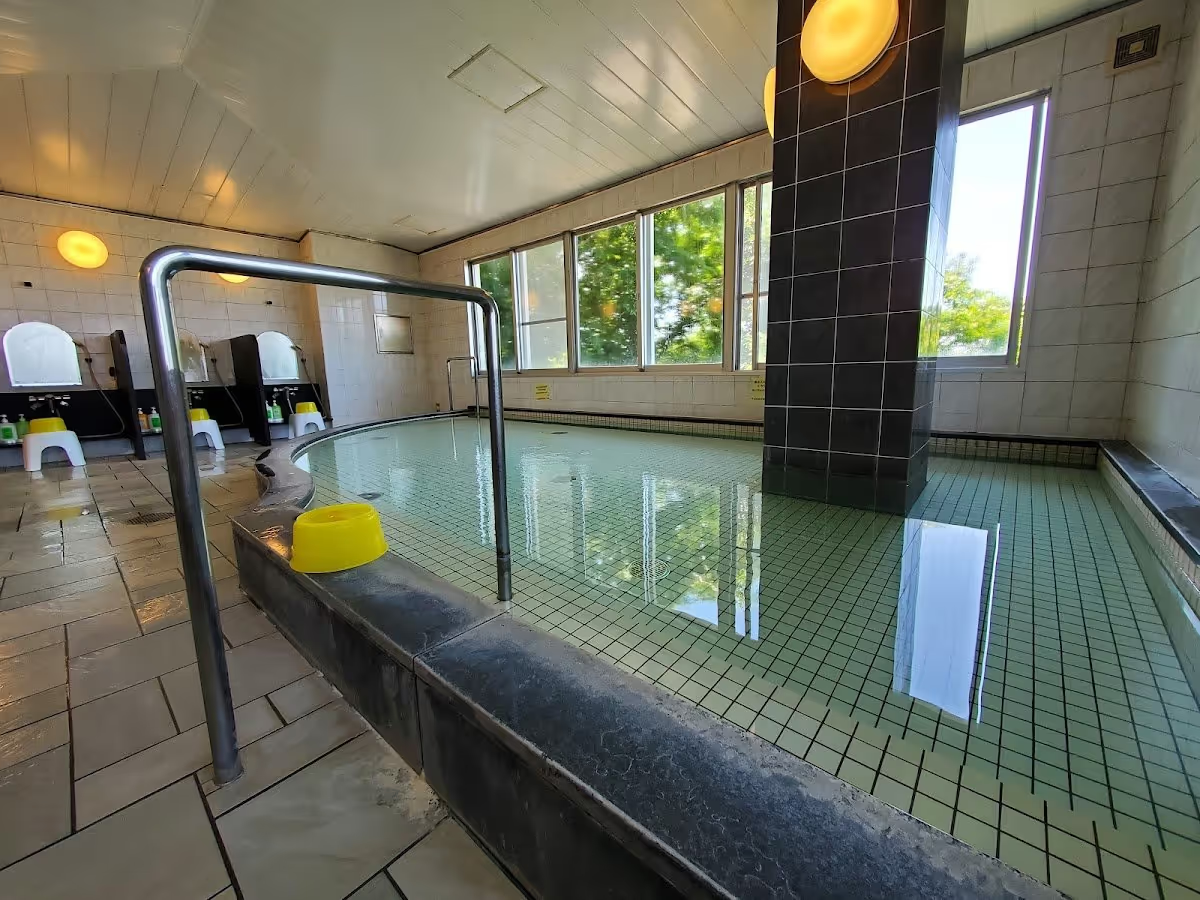
Standard Japanese onsen etiquette applies at all ryokan and bathing facilities in the Hanamaki Onsen area. Bathers must shower and wash thoroughly at the provided wash stations before entering any communal bath. Towels must not be submerged in the water. Bathing areas are gender-separated at most facilities. Swimwear is not worn in traditional indoor baths. The alkaline spring water in the main district is mild and produces no significant staining of fabric or jewelry. No special preparation beyond standard etiquette is required for most facilities in the main resort area.
The more sulfurous water at Dake Onsen can cause discoloration of metal jewelry and light-colored fabric. Removing jewelry before bathing and using older towels when visiting sulfur baths is advisable. Tattoo policies at Hanamaki ryokan follow general Japanese practice, with communal bathing areas typically not admitting tattooed guests. Some properties may offer private bath arrangements as an alternative. Confirming policy when booking is recommended. Photography inside bathing facilities is not permitted. Mobile phone use and loud conversation in bathing areas are not appropriate. Children should be supervised at all times in bathing areas. Guests with cardiovascular conditions should seek medical advice before bathing.
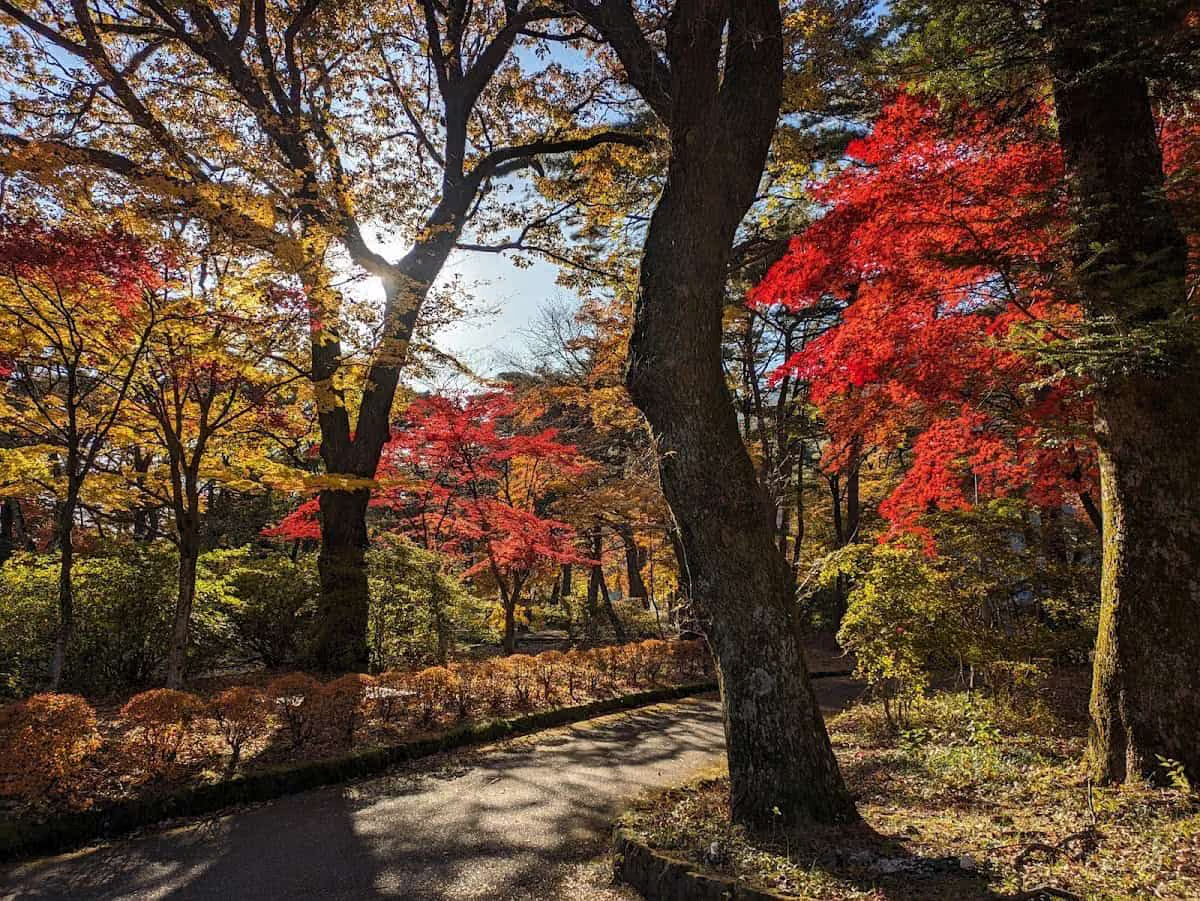
Visitors combining onsen bathing with walking in the Ihatov landscape hills around Hanamaki should be prepared for variable weather conditions in all seasons. The rural hill terrain west of the city can be exposed and the paths can be muddy in wet conditions. Appropriate footwear and clothing for the season are advisable for any walking outside the resort grounds.