
Quick FactsOverview
About Hirayu no Mori
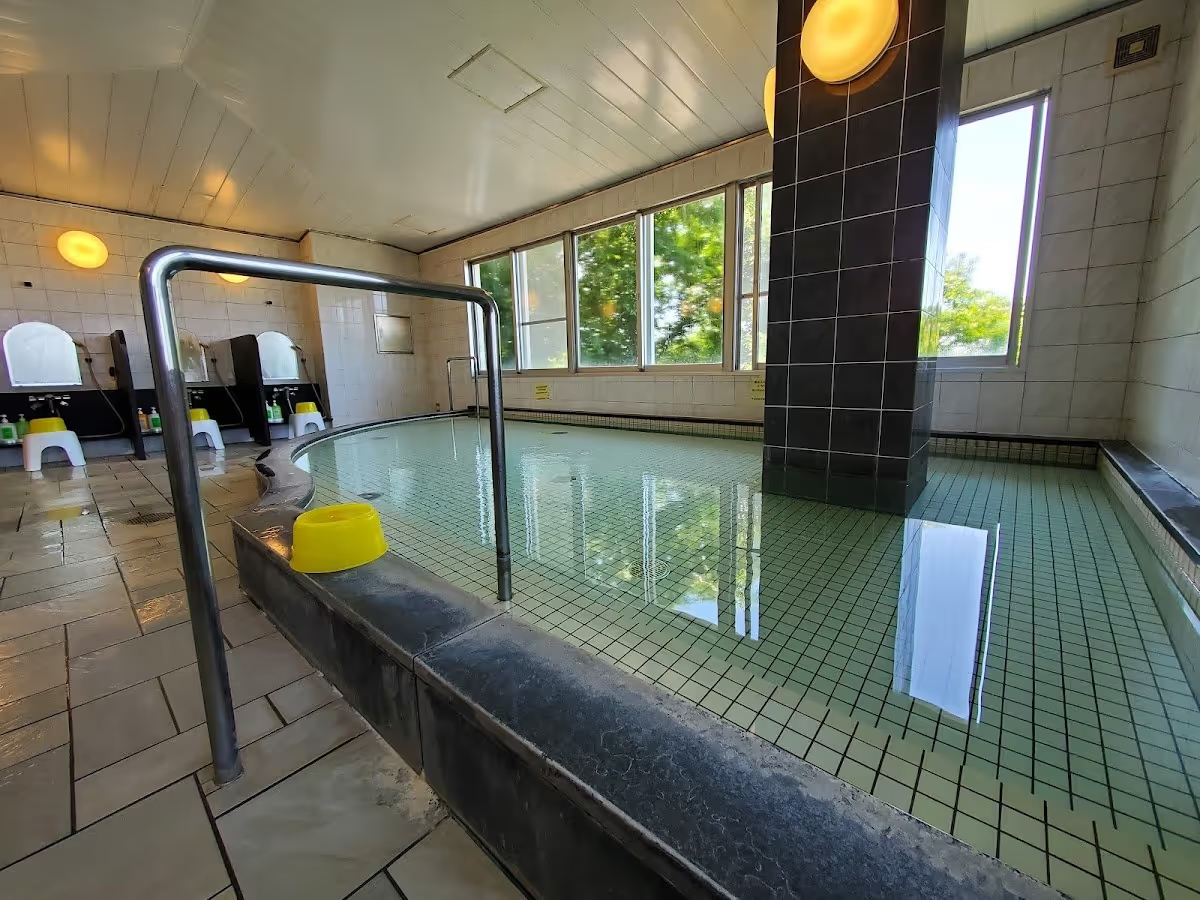
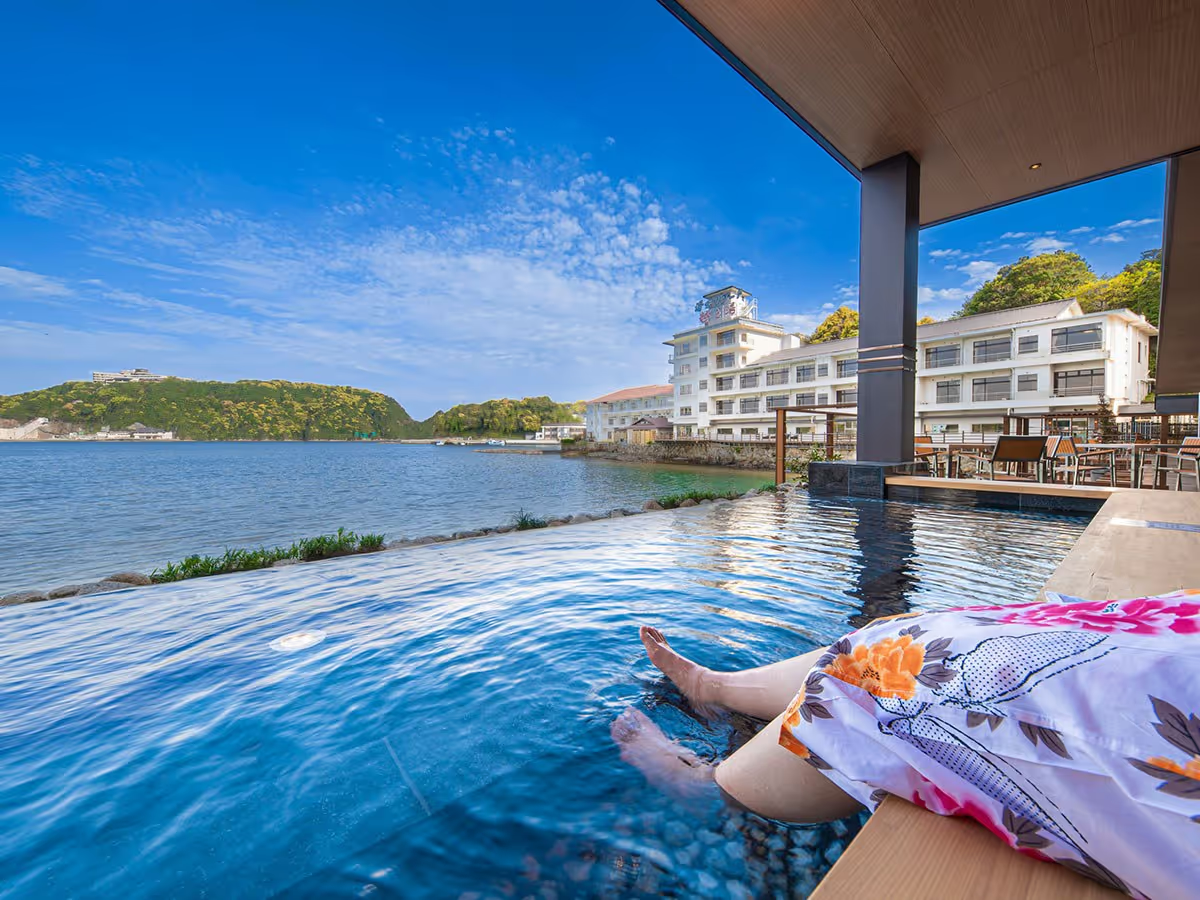
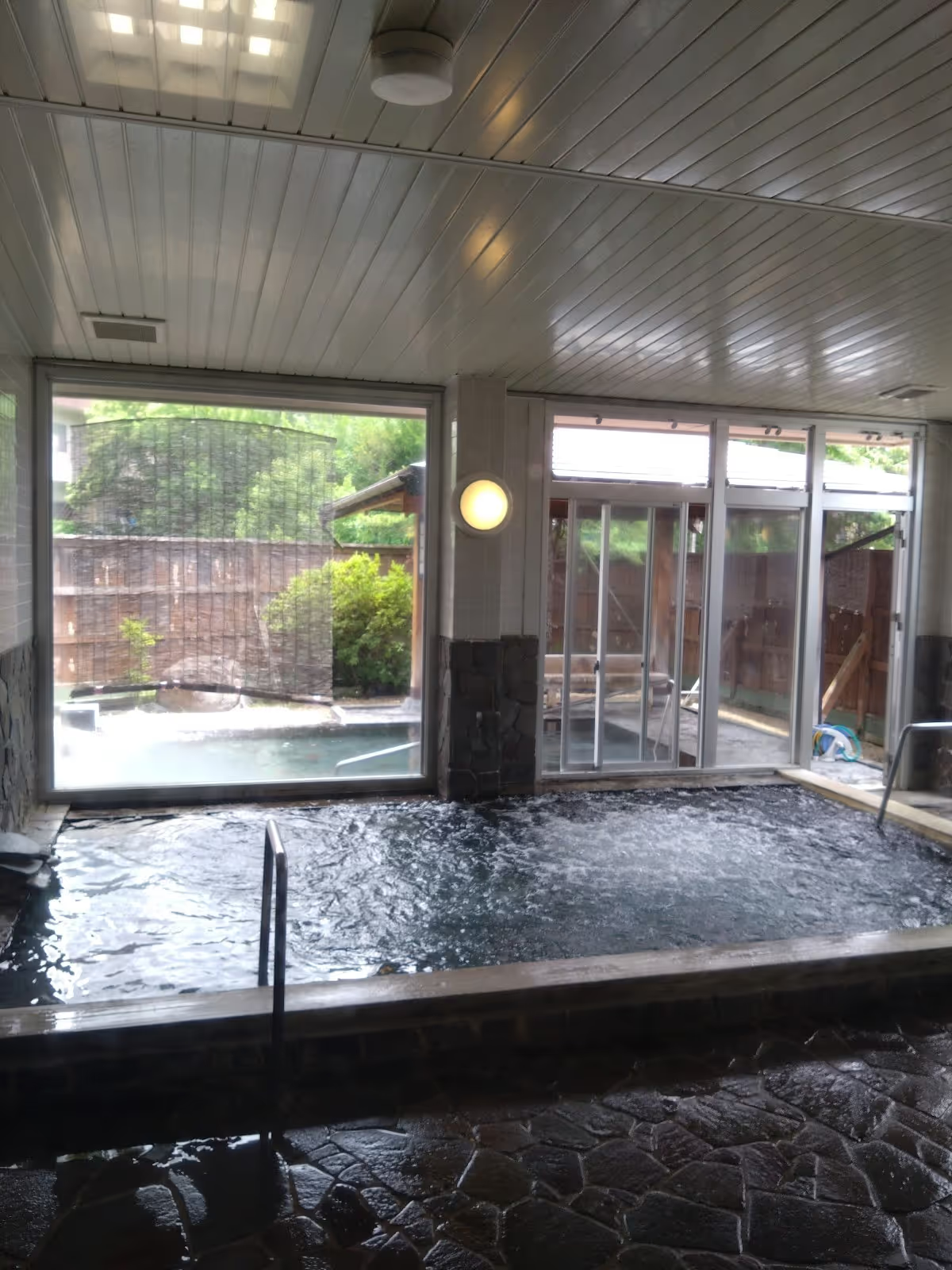
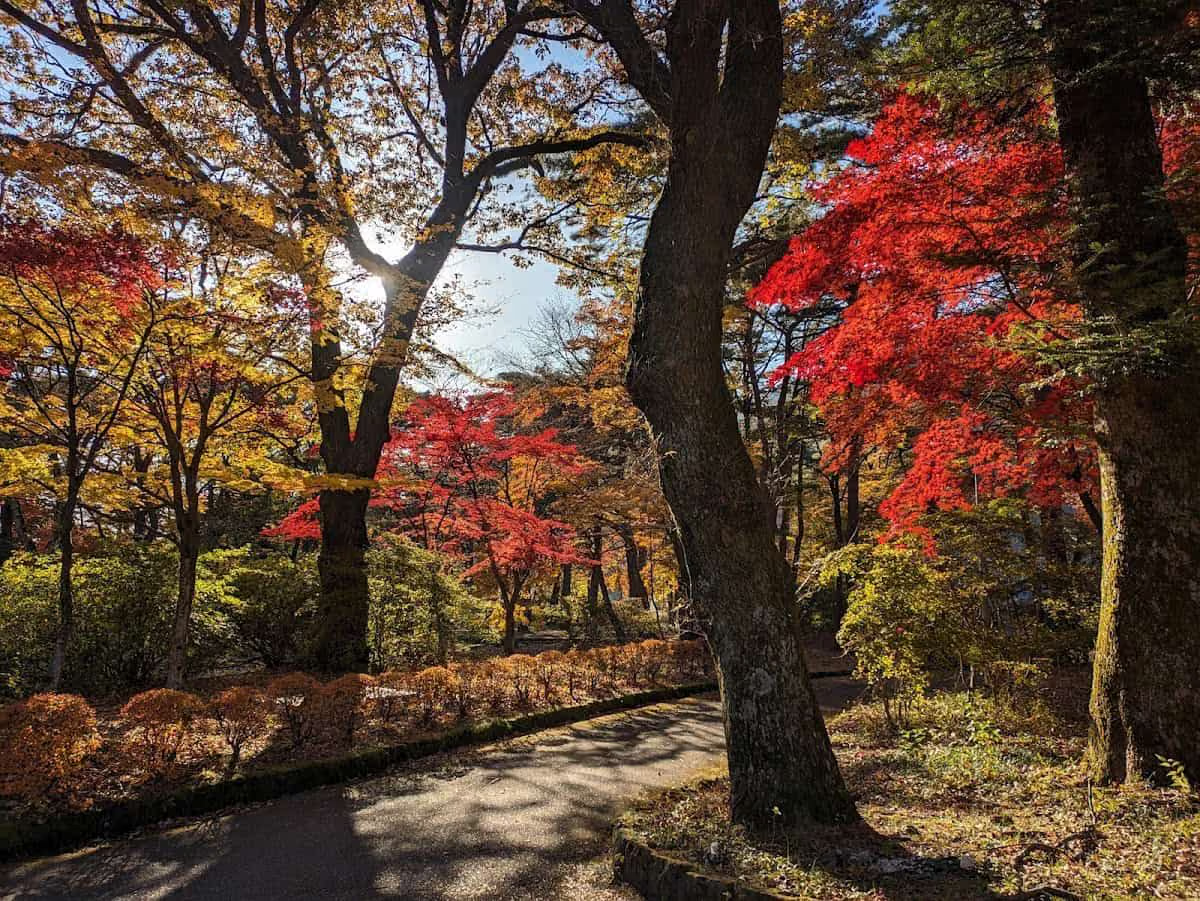
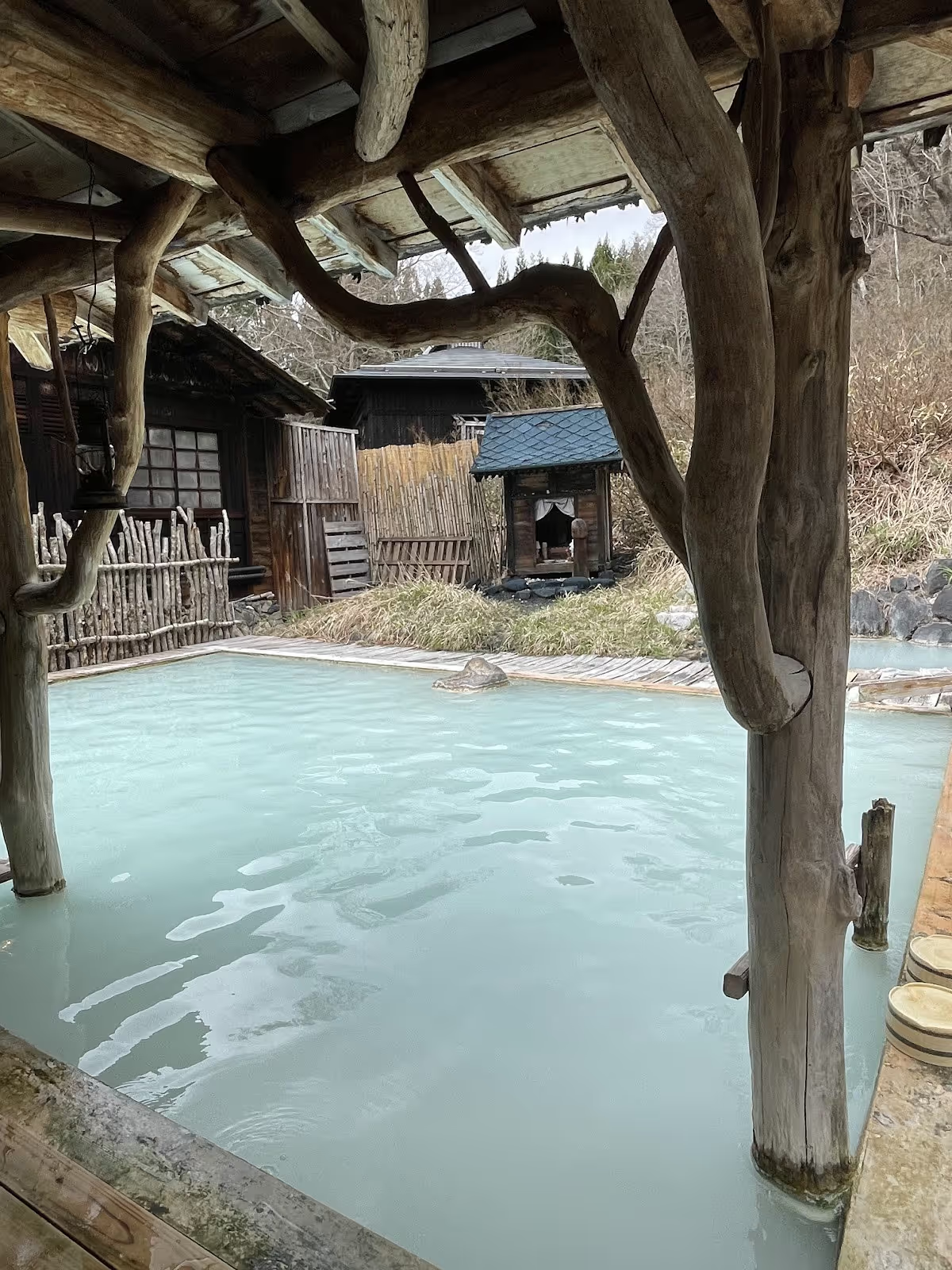
Hirayu no Mori, Japan is a hot spring resort and day-use facility at Hirayu Onsen, the most historically significant of the five hot spring areas in the Okuhida Onsenkyo zone, Takayama City, Gifu Prefecture. The facility occupies 49,600 square metres of forested grounds and contains 16 open-air rotenburo baths distributed through the trees, divided between seven for men and nine for women. Each bath has its own temperature, water cloudiness, and character. Spring water of the Okuhida area is produced by the active volcano Mount Yakedake and includes simple springs, chloride springs, hydrogen carbonate springs, and sulfur springs depending on the facility.
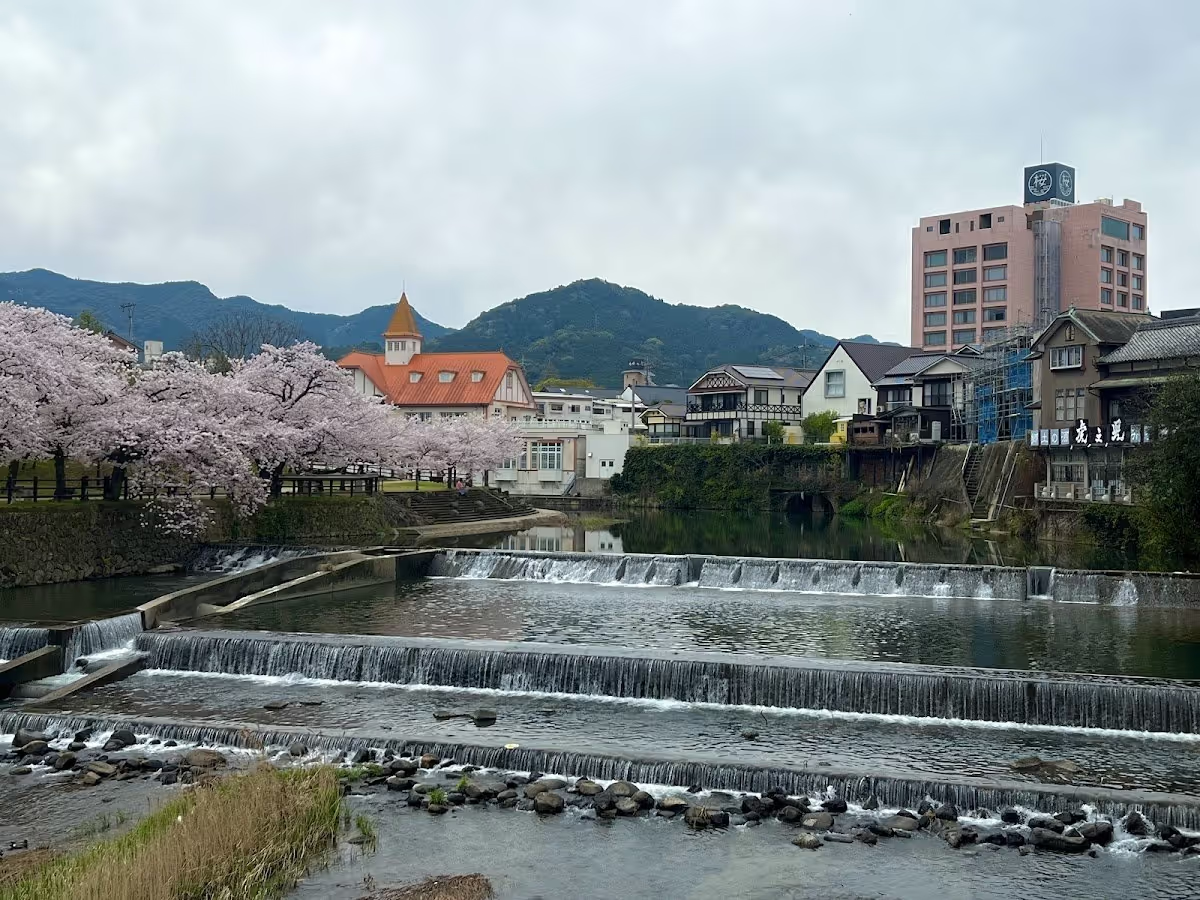
Hirayu Onsen has a history reaching back to at least the Edo period, when feudal lords from the Hokuriku region used it as a rest stop on the alternate attendance routes to Edo. The legend of the spring's discovery involves an injured monkey seen bathing in the water by hunters. Hirayu no Mori's scale and variety of open-air baths, combined with its forest setting and tattoo-friendly policy, make it a standout among Okuhida facilities. A restaurant, Momi-no-Ki, serves Hida beef cuisine and noodle dishes on site. Private onsen rooms are available for those wanting a more secluded experience.
Location & Access
Getting to Hirayu no Mori
Hirayu no Mori is a three-minute walk from Hirayu Bus Terminal in Okuhida Onsengo, Takayama City, Gifu. From Takayama Station, take the Nohi Bus toward Kamikochi or Shinhotaka Ropeway and exit at Hirayu Bus Terminal; the journey takes approximately 60 minutes. From Matsumoto Station, take a bus via the Abo Pass toward Takayama and exit at Hirayu; the journey takes approximately 90 minutes. A direct overnight bus from Shinjuku West Exit to Hirayu Onsen takes around four and a half hours. Hirayu Bus Terminal is also a key transit hub for buses to Kamikochi, Norikura Highlands, and Shinhotaka Ropeway, making it a practical base when exploring multiple sites in the Japanese Alps area.
Day admission for adults is 500 yen. Private onsen rooms are available for 3,000 yen per 45 minutes, accessible from 12:00 to 15:00; these are popular but reservations are not typically accepted in advance. The facility is open year-round with maintenance closures approximately three times per year in April, September, and December; confirm current hours at the official website before visiting. On-site parking is available at no charge. The restaurant Momi-no-Ki serves Hida beef dishes and noodles throughout the day.
Suitability & Accessibility
Who Hirayu no Mori Suits
Hirayu no Mori suits visitors combining a hot spring stop with sightseeing in the Japanese Alps, particularly those travelling between Takayama and Matsumoto, or using Hirayu as a base for Kamikochi or the Norikura highlands. The 16-bath variety within a single forested facility is unusually large and allows visitors to move between baths of different temperatures and mineral characters throughout a single visit. Both day visitors and overnight guests can access the baths, and the bus terminal a few minutes away makes it easy to combine with other Okuhida sites.
Families are welcome and the gentle spring water suits all ages. The tattoo-friendly policy makes Hirayu no Mori accessible to international visitors who might be turned away at traditional Japanese onsen, and the clear layout makes the facility easier to navigate than remote wild spring sites. The on-site restaurant extends the visit into a full half-day experience.
Wheelchair accessibility has not been confirmed for the main open-air bath areas; the forested grounds involve uneven terrain and steps between pools. Contact the facility directly for accessibility information before visiting. The nearby Hirayu no Yu free public bath, a separate facility a few minutes' walk away, offers a low-cost alternative for those on tight budgets, though it lacks the scale of Hirayu no Mori.
Safety & Etiquette
Hirayu no Mori Safety Tips
Hirayu no Mori is generally safe as a managed forest hot spring resort with staff on site. The main safety considerations are the varying temperatures across the 16 baths, the natural terrain of the forested grounds, the standard onsen health contraindications, and the surrounding mountain environment. The Okuhida region has bear activity; the facility's managed grounds are safe but walkers on trails in the surrounding forest should carry a bear bell.
Bath temperatures vary across the 16 pools; some run hotter than others, and temperatures shift seasonally. Test each bath before entering and limit soaking to 10 to 15 minutes at a time. Rest between pools and drink water throughout the visit. People with heart conditions, hypertension, or open wounds should not soak or should consult a doctor first. The sulfur spring type in the Okuhida area can have a stronger mineral effect on the skin; rinse thoroughly and avoid extended soaking in the strongest sources. The paths between pools in the forested grounds can be uneven and wet; take care when moving between baths, particularly in rain or winter snow.
Wash thoroughly at the shower stations before entering any communal bath; this is both an etiquette and hygiene requirement at all onsen in Japan. No swimwear is permitted in the communal rotenburo; baths are gender-separated. Private onsen rooms are available for those who prefer mixed-gender family bathing. In winter, the outdoor grounds can be icy; suitable footwear is important and moving between pools requires extra care. At high altitude in the Japanese Alps, mountain weather can change quickly; be prepared for temperature drops even in summer.