Quick FactsOverview
About Tsurunoyu Onsen
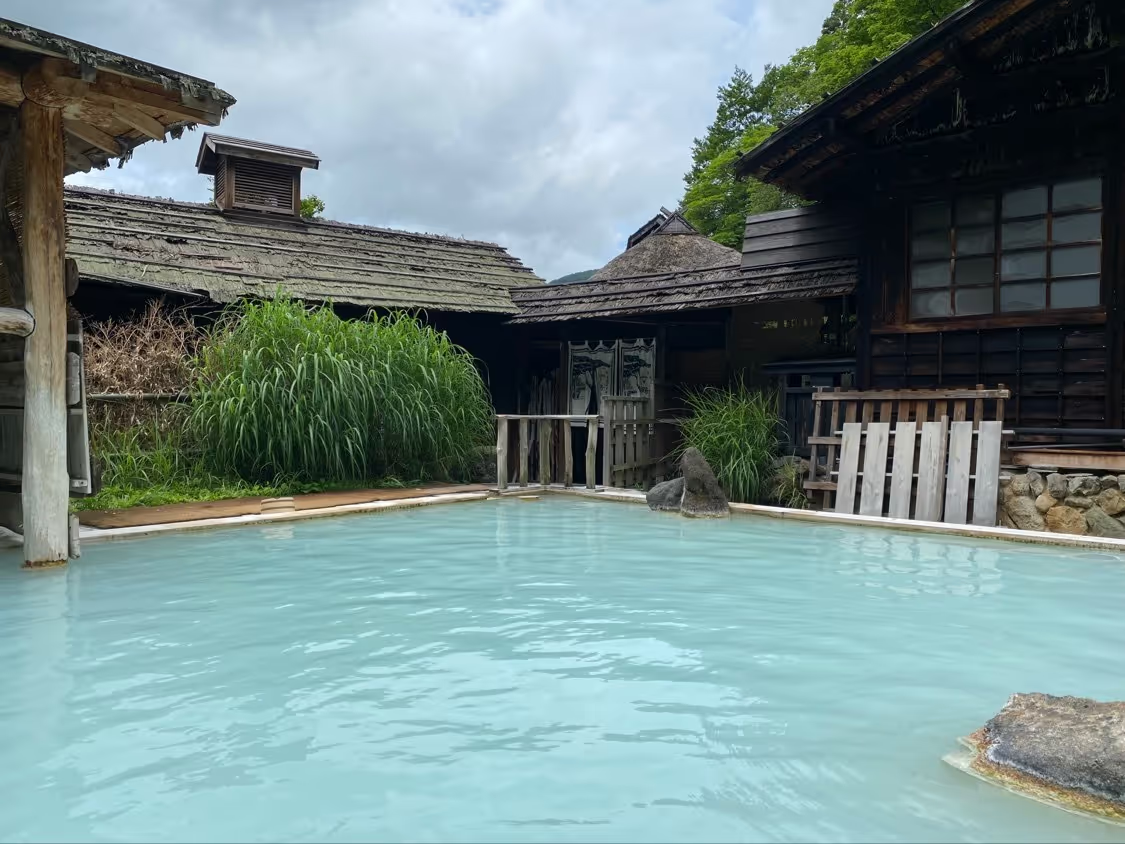
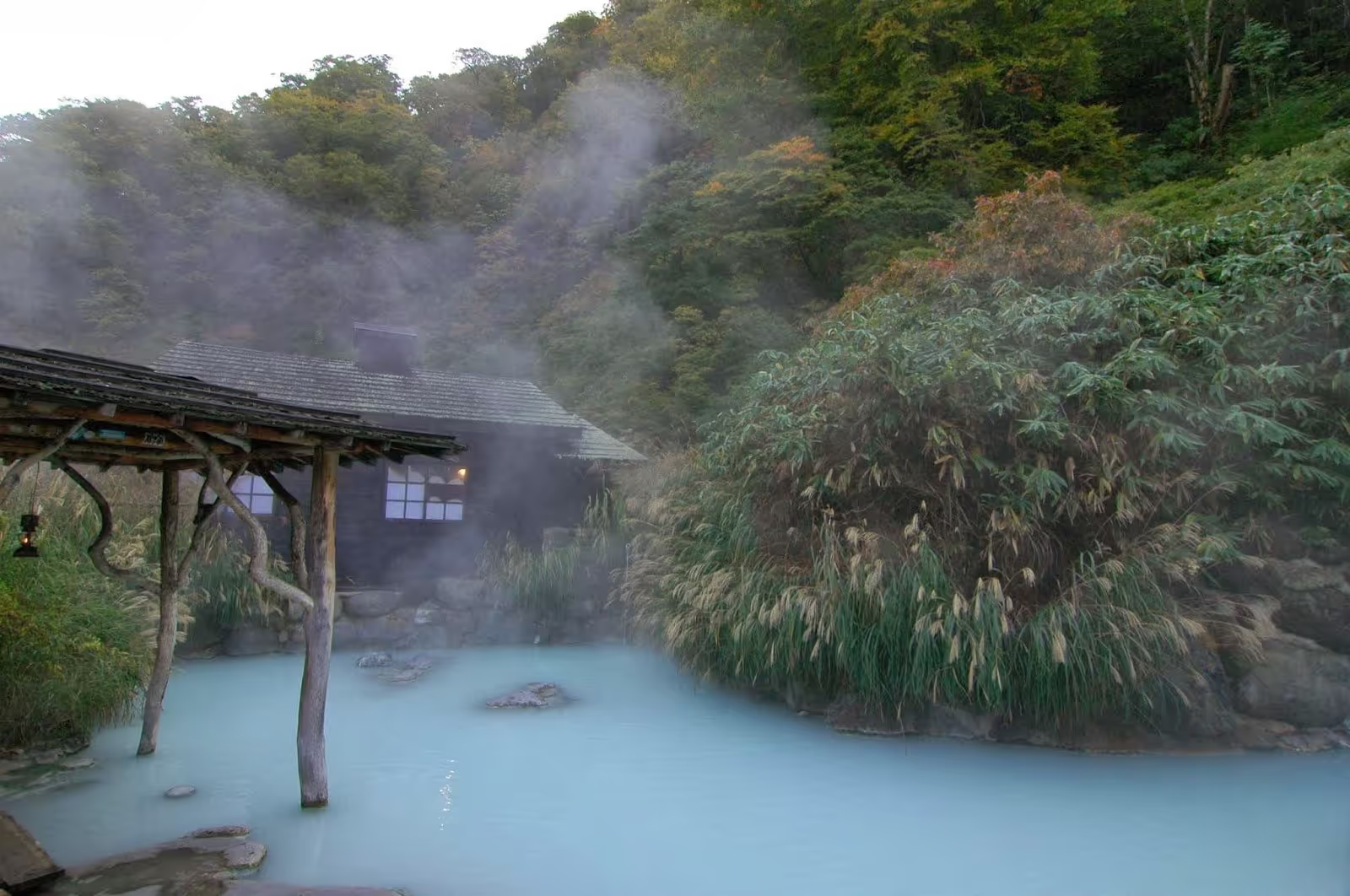
Tsurunoyu Onsen, Japan is the oldest inn in Nyuto Onsenkyo, a village of seven hot spring inns at the foot of Mt. Nyuto in Towada-Hachimantai National Park, Senboku City, Akita Prefecture. The inn has been in operation since approximately 1638, when the second lord of the Akita Domain, Satake Yoshitaka, used it for a hot spring cure. The name Tsurunoyu, meaning crane hot water, comes from a legend in which a hunter saw a wounded crane healing in the spring. The Honjin thatched-roof building, constructed around 1860, is the iconic structure that appears in most photographs of Tsurunoyu.
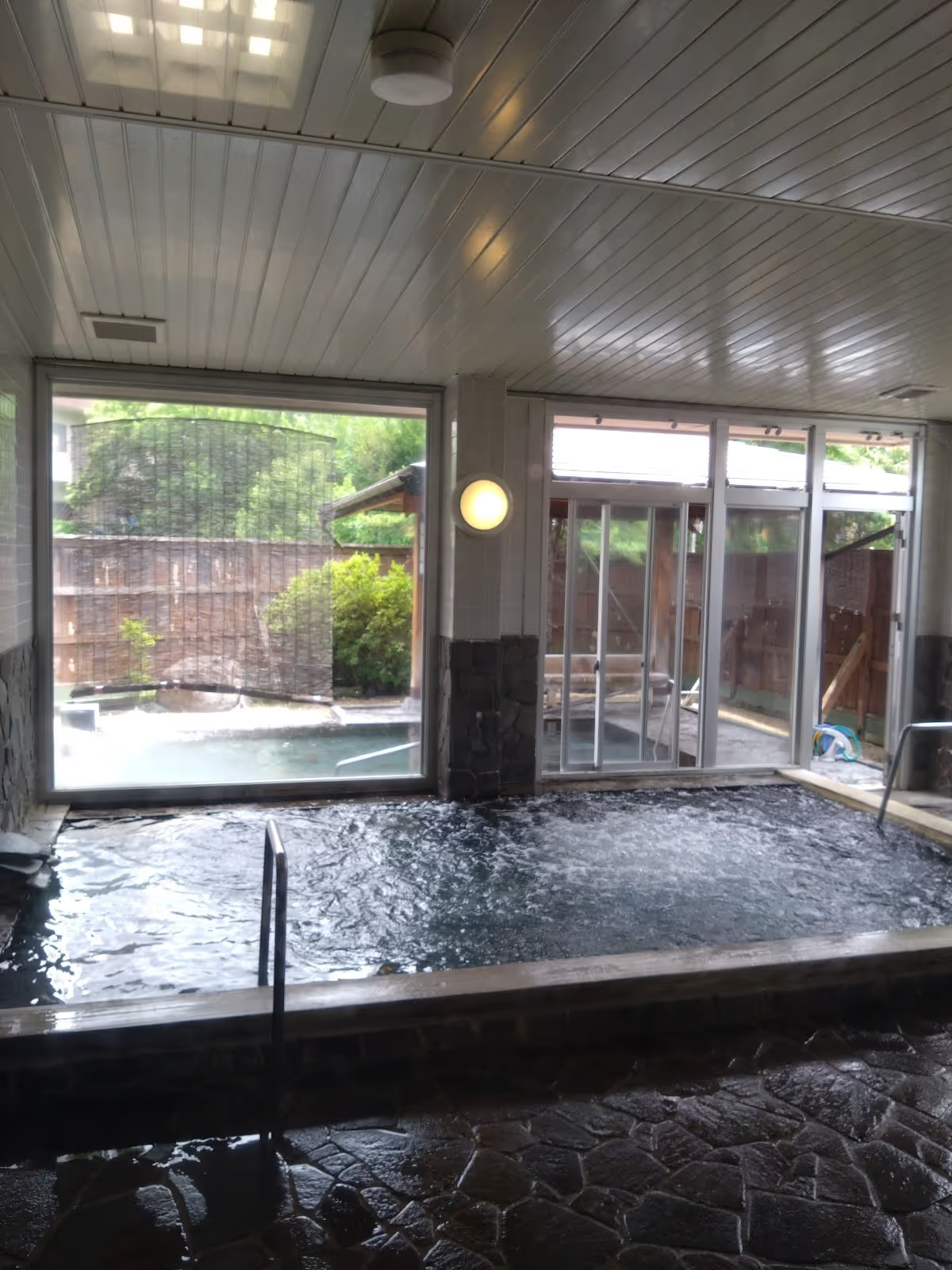
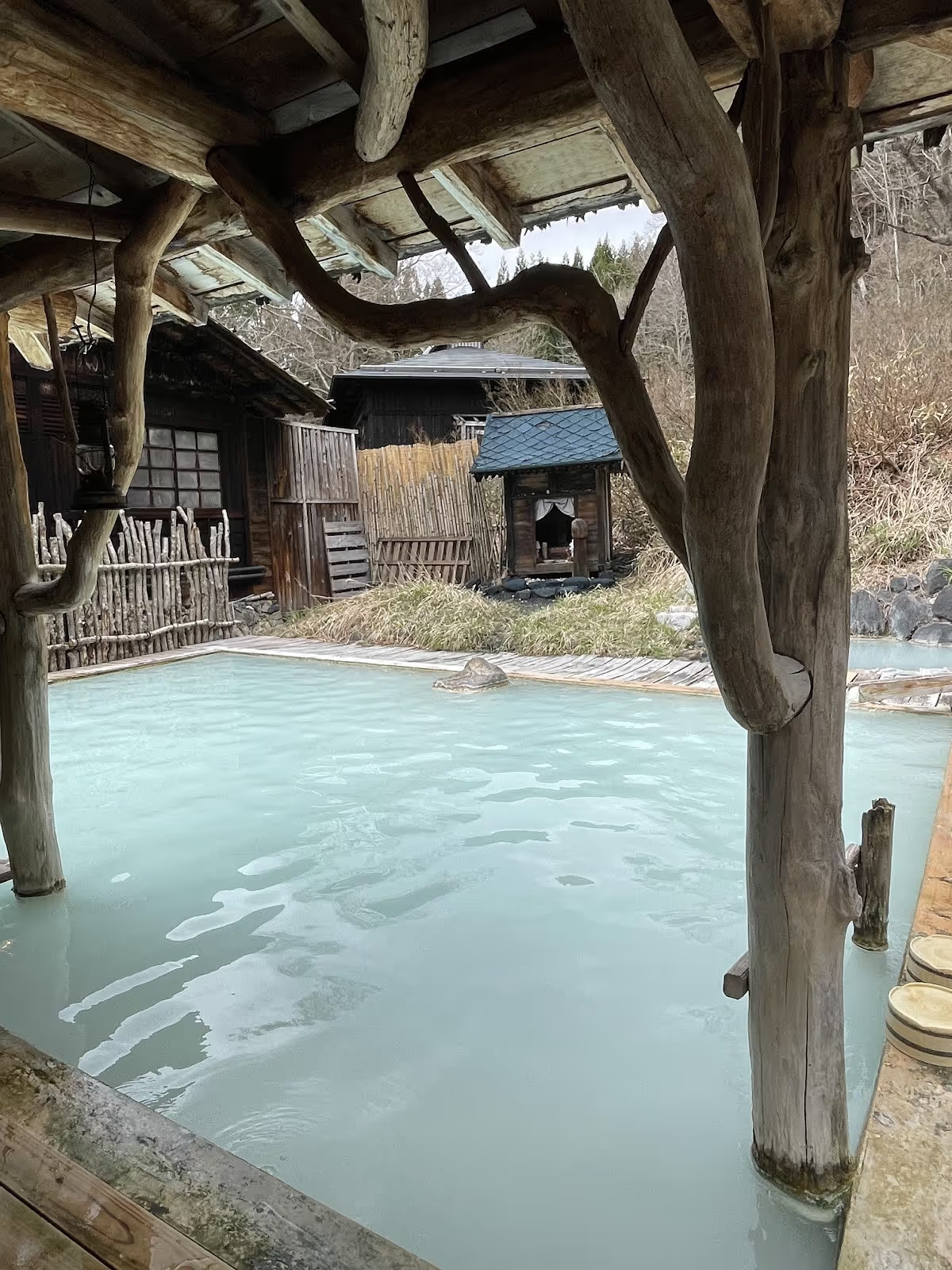
The inn has four spring types across eight bathing areas: Shira-yu (white), Kuro-yu (black), Naka-no-yu (middle), and Taki-no-yu (waterfall). Shira-yu is a sodium bicarbonate and hydrogen sulfide salt spring producing the signature milky-blue opaque water. The most photographed feature is the large mixed-gender outdoor rotenburo fed by the white spring; a women's water-level corridor allows female bathers to enter with privacy. Baths are open 24 hours for overnight guests. Day-use is available from 10:00 to 15:00 for 700 yen; the outdoor rotenburo is not available to day visitors on Mondays. Rooms have irori hearths and oil lamps; most have no private toilet or shower.
Location & Access
Getting to Tsurunoyu Onsen
Tsurunoyu Onsen is at Tazawako Sendatsuzawa Kokuyurin 50, Senboku City, Akita Prefecture, in the mountains of Nyuto Onsenkyo. The inn is approximately 3 kilometres from the nearest public bus stop. From Tokyo, take the Akita Shinkansen Komachi to Tazawako Station, approximately two hours and 50 minutes. From Tazawako Station, take the Ugo Kotsu Nyuto Line bus and get off at the Tsurunoyu Onsen Iriguchi bus stop, then walk approximately 38 minutes through the forest road. A shuttle bus is available from the Alpa Komakusa bus stop for guests who contact the inn in advance; confirm current shuttle schedules at the time of booking.
Day-use bathing is available from 10:00 to 15:00 for 700 yen per adult. The outdoor mixed-gender rotenburo is not available to day visitors on Mondays; on Mondays, only the indoor gender-separated baths are accessible for day use. Overnight stays include access to all baths 24 hours and breakfast and dinner. Advance reservation is required for overnight stays; reservations are accepted from 07:00 on the first day of the month six months before the intended stay, and the inn fills rapidly. Cash only. A Yumeguri-map shuttle bus pass (600 yen) connects all seven Nyuto Onsenkyo inns for day visitors; the Yumeguri-cho onsen pass (1,800 yen) grants access to all seven inn baths and is available to overnight guests.
Suitability & Accessibility
Who Tsurunoyu Onsen Suits
Tsurunoyu Onsen suits visitors who want the most historically significant and visually iconic hot spring experience in Nyuto Onsenkyo. The combination of thatched-roof Edo-period architecture, irori hearth dining rooms, and the famous milky-blue outdoor mixed bath makes it the primary reason most visitors travel to Nyuto Onsenkyo at all. An overnight stay is strongly recommended to access the full experience: the baths at night under lamplight and in winter snow are the moments most frequently cited in visitor accounts, and the yamanoimo nabe mountain yam hot pot dinner is only available to overnight guests.
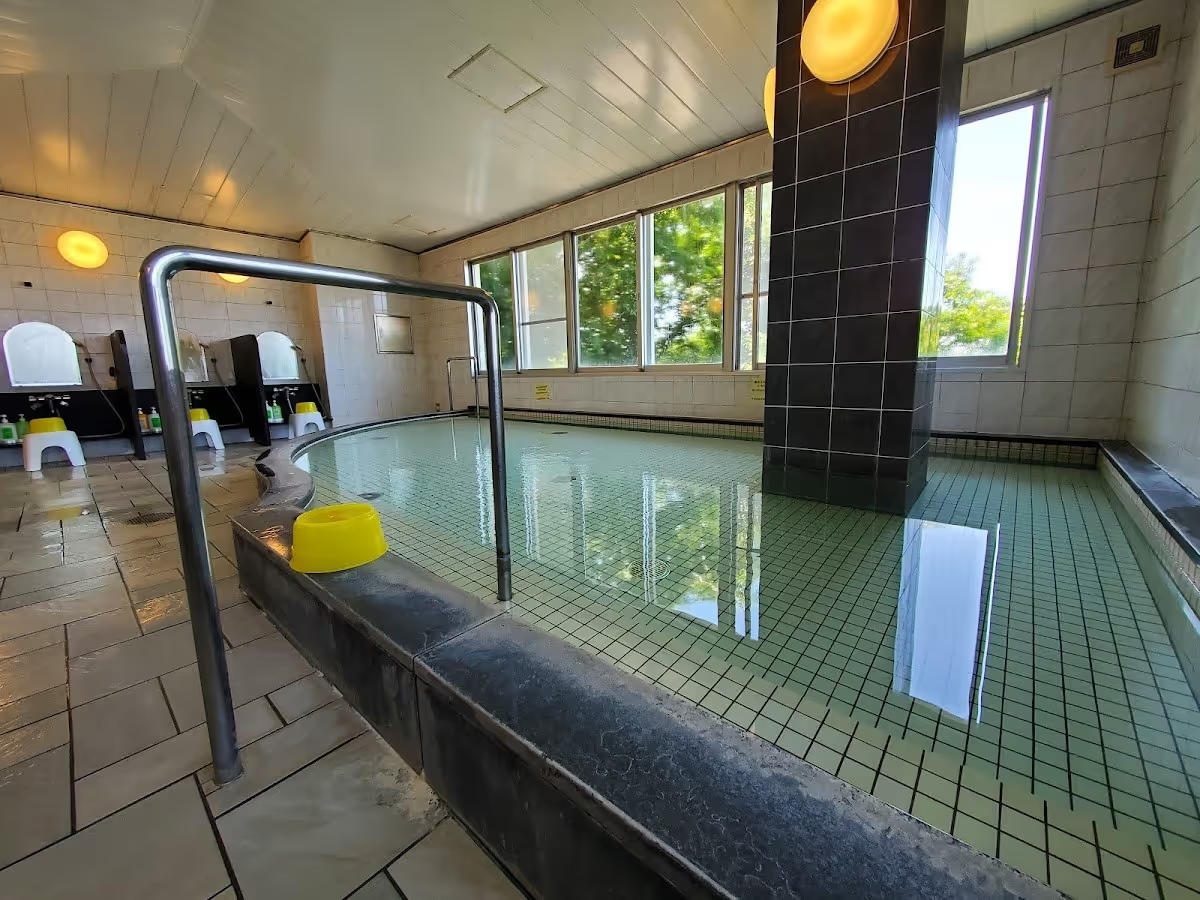
Day visitors can access the baths for 700 yen, with the outdoor rotenburo available except on Mondays. The mixed-gender outdoor bath is open to both men and women simultaneously; the milky-blue water provides natural visual privacy, and women have a separate water-level entry corridor. Guests who prefer gender-separated bathing can use the indoor baths at any time.
The ryokan is remote, rustic, and basic in amenities: most rooms have no private toilet, no shower, no television, and no air conditioning. This is deliberate and part of its character. Visitors who need modern hotel amenities should stay at Kyukamura Nyuto Onsenkyo instead. Cash only. Access requires either the 38-minute forest walk from the bus stop or advance coordination of the shuttle. Wheelchair access is not practical.
Safety & Etiquette
Tsurunoyu Onsen Safety Tips
Tsurunoyu Onsen is generally safe as a staffed ryokan inn, but the remote mountain location, very hot spring temperatures, and the mixed-gender outdoor bath require specific awareness that differs from mainstream onsen facilities.
The four spring types vary in temperature. The outdoor rotenburo is noted for a comfortable soaking temperature around 37 to 39 degrees Celsius, suitable for extended soaking. The indoor Shira-yu and Kuro-yu baths are considerably hotter with spring source temperatures around 60 degrees Celsius; test these carefully and acclimatise slowly before entering fully. Limit soaking in the hot indoor baths to 10 minutes at a time, and rest and drink water between sessions. People with heart conditions, hypertension, or open wounds should consult a doctor. Wash thoroughly at the washing area before entering any bath, which is required at all Japanese onsen.
In winter, the outdoor rotenburo is surrounded by deep snow; paths between buildings can be icy and the contrast between cold air and warm water can be intense. Move carefully when exiting the outdoor bath and wrap up immediately. The thatched buildings are not heated by modern systems; rooms use kerosene heaters and can be cold at night. At night, paths are lit only by lamps; use extra care when moving between buildings after dark. The access road to Tsurunoyu is narrow mountain terrain; check road conditions in winter. The forest walk from the bus stop is unlit; carry a good torch for evening arrivals.