Quick FactsOverview
About Asama Onsen, Nagano
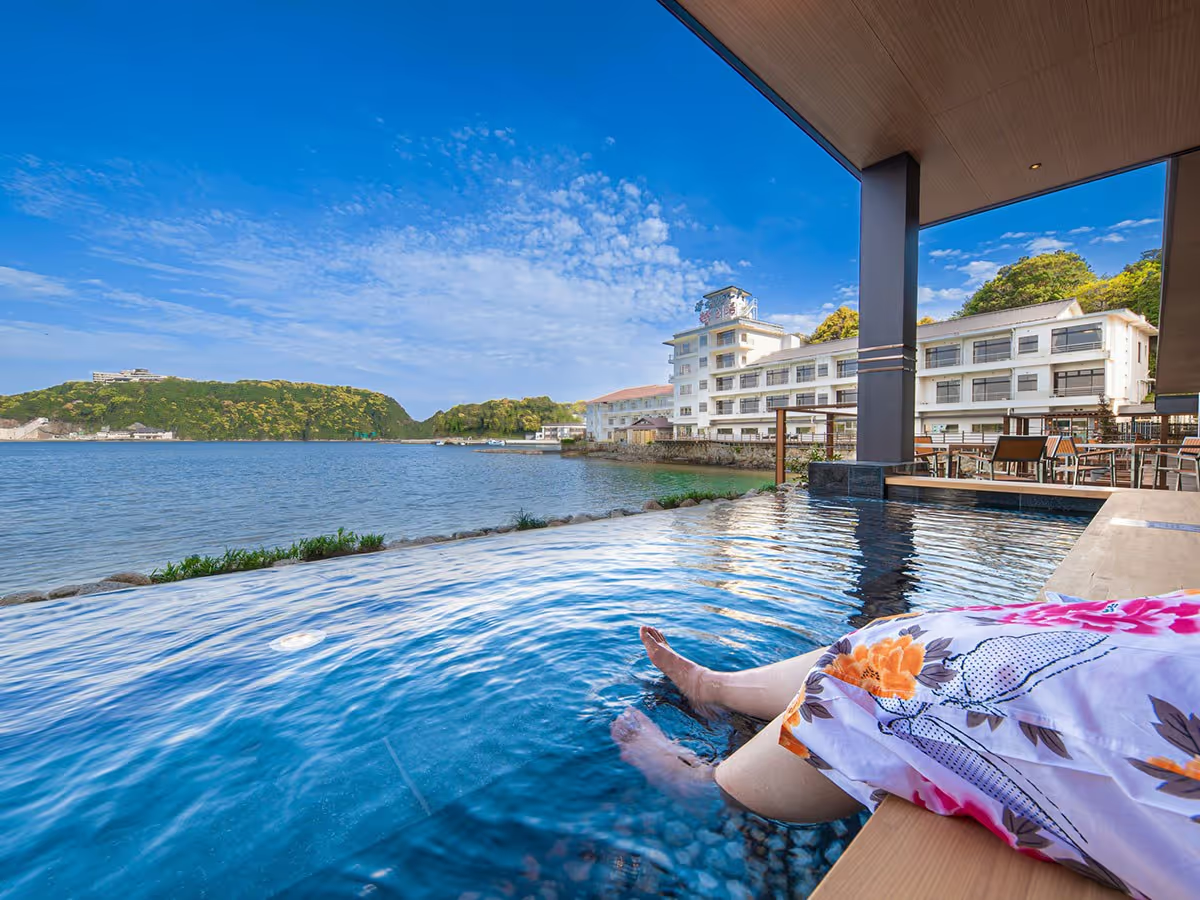
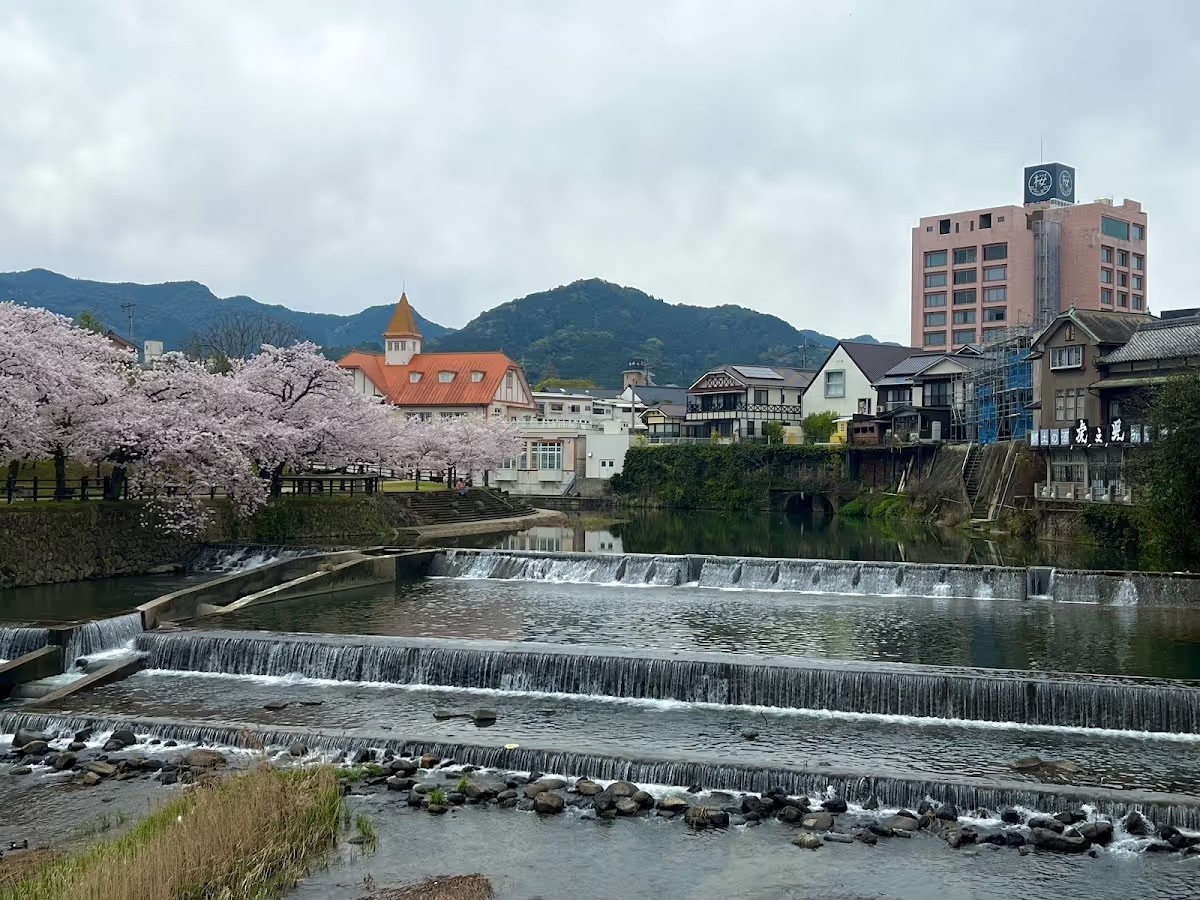
Asama Onsen, Japan is a hot spring district located on the eastern outskirts of Matsumoto City in Nagano Prefecture, approximately four kilometers from Matsumoto Station. It sits at the base of the hills that rise toward the Utsukushigahara plateau and is one of the oldest documented onsen areas in the Matsumoto basin, with a history of bathing use that extends back several centuries. The district is compact and built along a series of streets that climb gently into the lower hillside, with ryokan, small inns, and public bathhouses arranged through the neighborhood.
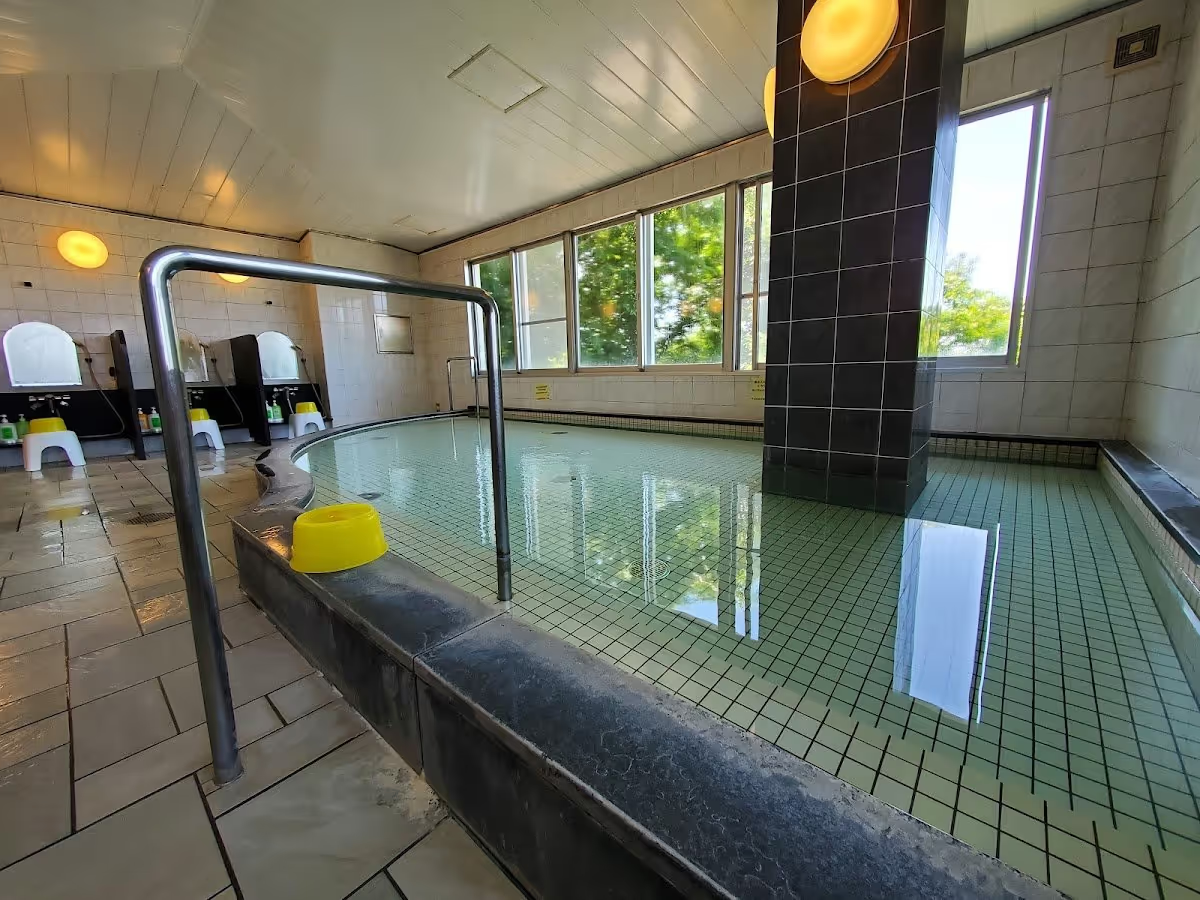
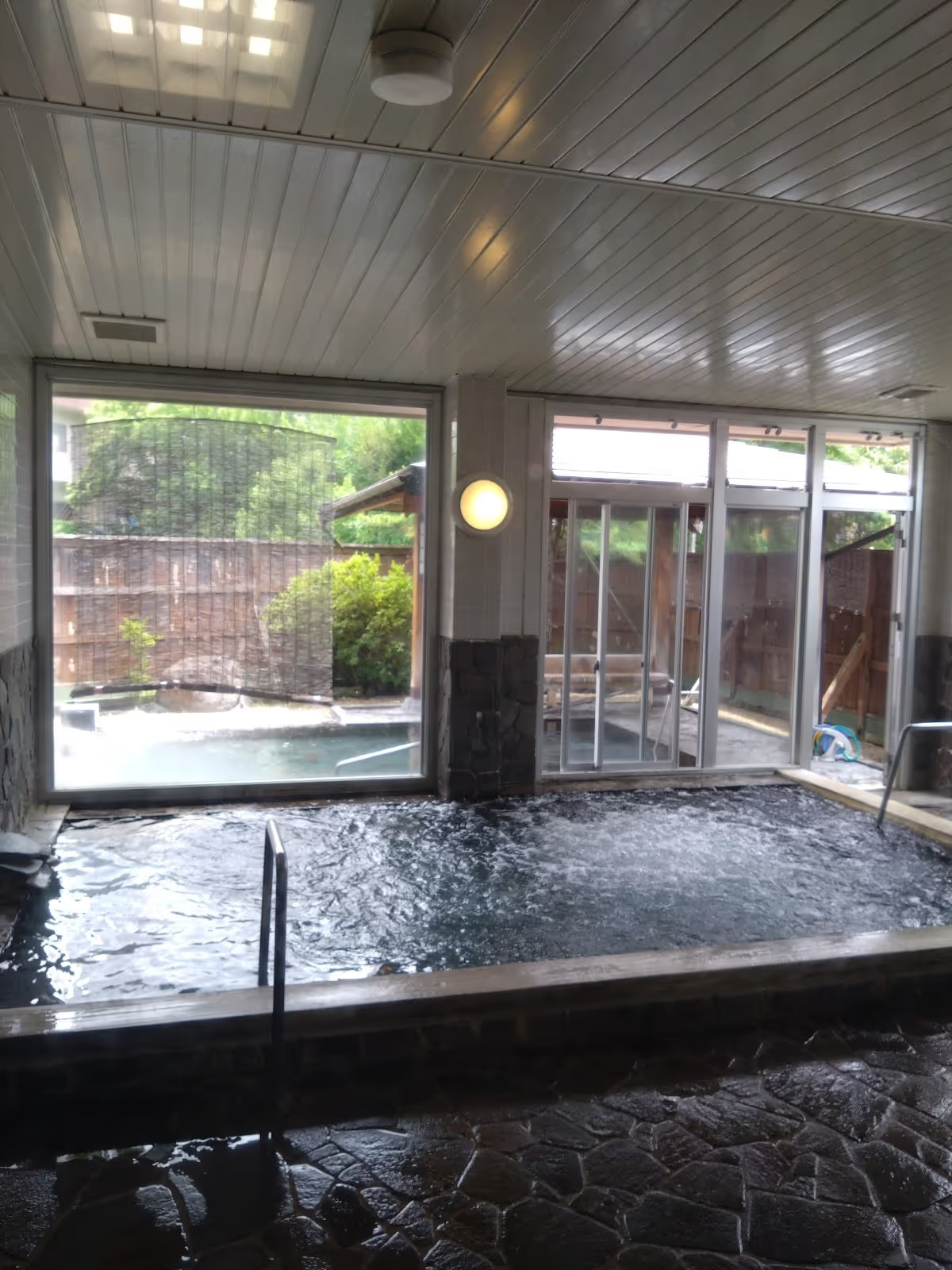
The spring water at Asama is clear and alkaline, with a smooth quality commonly described as gentle on the skin. The water temperature at the source is relatively high, and the town has historically been able to supply a reliable volume of water to its facilities without the need for significant artificial supplementation. Asama was a gathering point for writers, painters, and intellectuals during the Meiji and Taisho periods, and several literary figures associated with this era spent time in the district, leaving an associative cultural layer that remains part of the town's identity. A public bathhouse known as Hotaryu is open to day visitors and serves as one of the main access points for non-staying guests. The district is quieter and less commercially developed than Matsumoto's city center, and its proximity to the city makes it a practical onsen option for visitors based in Matsumoto who want to reach a traditional spring environment without traveling far. For visitors seeking hot springs near Matsumoto, Asama Onsen is the closest established onsen district to the city center and is reachable by bus from Matsumoto Station.
Location & Access
Getting to Asama Onsen
Asama Onsen is accessible by bus from Matsumoto Station, with the journey taking approximately 15 to 20 minutes depending on the service. Matsumoto is well connected by rail, with the JR Chuo Main Line running from Tokyo Shinjuku to Matsumoto in approximately two hours and 30 minutes by limited express, and the Hokuriku Shinkansen connection via Nagano also providing access with a transfer. Visitors arriving from Nagoya can reach Matsumoto via the JR Chuo Main Line in around two hours by limited express.
From Matsumoto Station, several bus routes serve the Asama Onsen area. The journey is short and buses run at reasonable frequency during the day. Visitors traveling by car can reach Asama Onsen from the Nagano Expressway via the Matsumoto interchange, with the onsen district accessible within a short drive east of the city center. Parking is available near the main bathhouse and at individual ryokan throughout the district.
The district layout is manageable on foot once you arrive, with the main street and public bathing facilities within easy walking distance of the bus stop. The gently sloping terrain makes most of the central area accessible without significant difficulty. For those seeking hot springs near Matsumoto with convenient public transport access, Asama Onsen is the most immediately practical option, and the short distance from the city center means it can be combined with a visit to Matsumoto Castle or other city attractions on the same day without difficulty.
Suitability & Accessibility
Who Asama Onsen Suits
Asama Onsen suits visitors who want a traditional onsen experience within close reach of Matsumoto's city center amenities. The proximity to Matsumoto makes it a practical choice for travelers who are already visiting the city for its castle, craft culture, or mountain access, and who want to add an onsen stay or day-use bathing session without committing to a more remote destination. The district's quiet residential character and modest scale give it a more local and unhurried atmosphere than the busier tourist areas in central Matsumoto.
Solo travelers and couples with an interest in the literary and artistic history of the Meiji and Taisho periods will find Asama's cultural associations an added dimension to the stay. Several of the older ryokan in the district retain architectural elements from earlier periods and give a sense of the environment that drew writers and artists to the area. Families are accommodated at ryokan in the district, and the short bus connection to Matsumoto's city facilities makes it practical for families who want access to both onsen bathing and broader city sightseeing.
Visitors looking for accessible hot springs in Japan should note that the central area of Asama Onsen is gently sloping rather than flat, and some streets involve a moderate incline. Older ryokan buildings may have internal layouts with steps and narrow corridors. Guests with significant mobility limitations should confirm room and bath accessibility directly with their chosen property before booking. Among the more conveniently located hot springs in Japan within walking or short bus distance of a major city, Asama Onsen offers a well-preserved district character that distinguishes it from more developed urban spa facilities.
Safety & Etiquette
Safety and Etiquette at Asama Onsen
Asama Onsen is a safe and well-maintained district within the broader Matsumoto urban area. The spring facilities at ryokan and public bathhouses are managed and present no unusual hazards. The district is quiet and low-traffic, and general urban safety conditions apply throughout. The gently sloping streets can become slippery when wet or during winter ice formation, and appropriate footwear is advisable in colder months.
Standard Japanese onsen etiquette applies at all facilities in Asama Onsen. Bathers must shower and wash thoroughly at the provided wash stations before entering any communal bath. Towels must not be submerged in the water. Bathing areas are gender-separated. Swimwear is not worn in traditional indoor baths. The public bathhouse Hotaryu is open to day visitors and operates on standard onsen etiquette rules. Tattoo policies at Asama's facilities follow general Japanese practice, with communal baths typically not admitting tattooed guests. Some ryokan may offer private bath arrangements as an alternative, and visitors with tattoos should confirm policy when booking.
Photography inside bathing facilities is not permitted. Mobile phone use and loud conversation in bathing areas are not appropriate. The alkaline spring water at Asama is mild and generally well tolerated by a wide range of visitors. Standard bathing precautions apply: shower before entering the bath, limit session length in hot water, hydrate before and after bathing, and rest between soaks if using multiple facilities. Children should be supervised at all times in bathing areas. Guests with cardiovascular conditions or skin sensitivities should seek medical advice before bathing. Staff at the public bathhouse and ryokan can advise on water temperature and bathing options if requested.
The district's proximity to Matsumoto means it is easy to return to the city center if needed, and visitors who feel unwell after bathing can access city medical facilities without difficulty. This makes Asama a relatively low-risk choice for visitors who are new to onsen bathing or who have health considerations that require access to urban support services.