Quick FactsOverview
About Shikaribetsu Kotan, Hokkaido
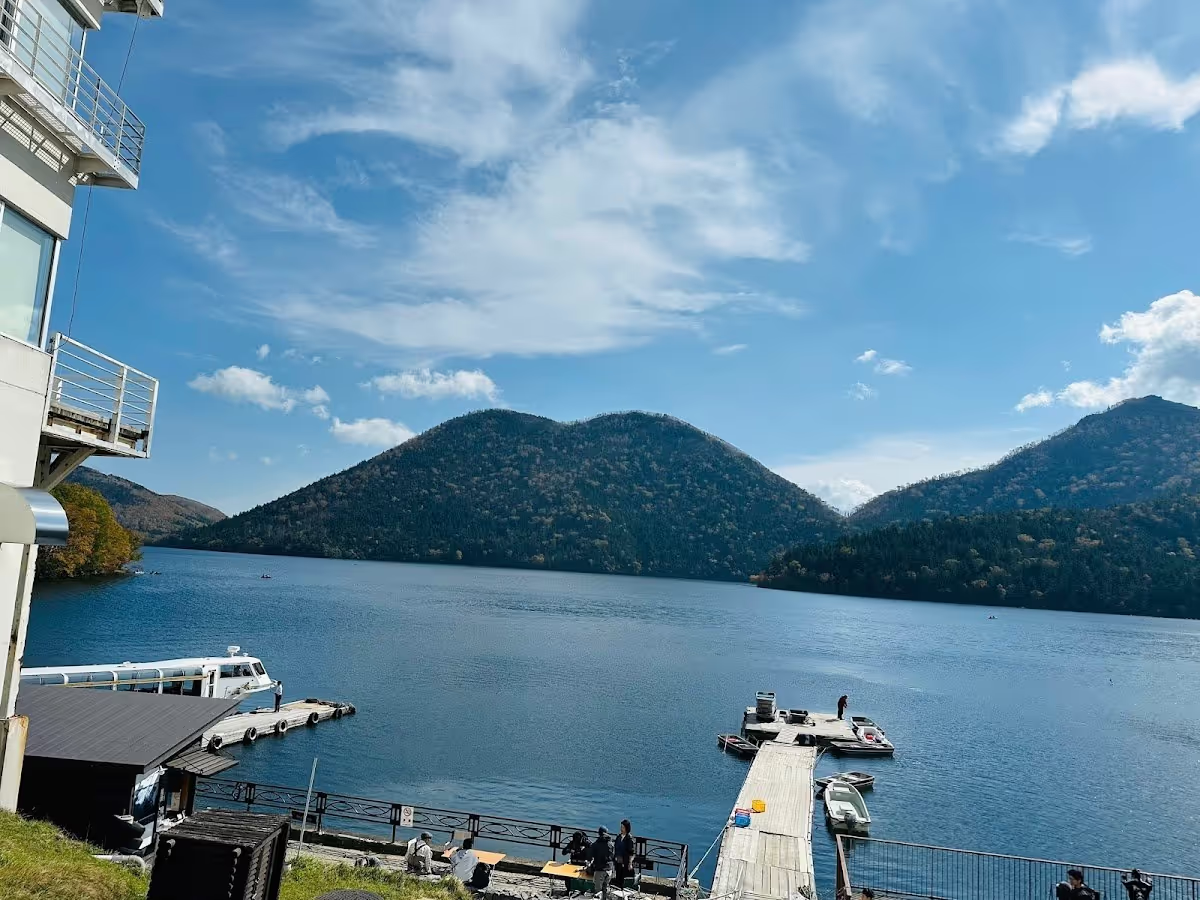
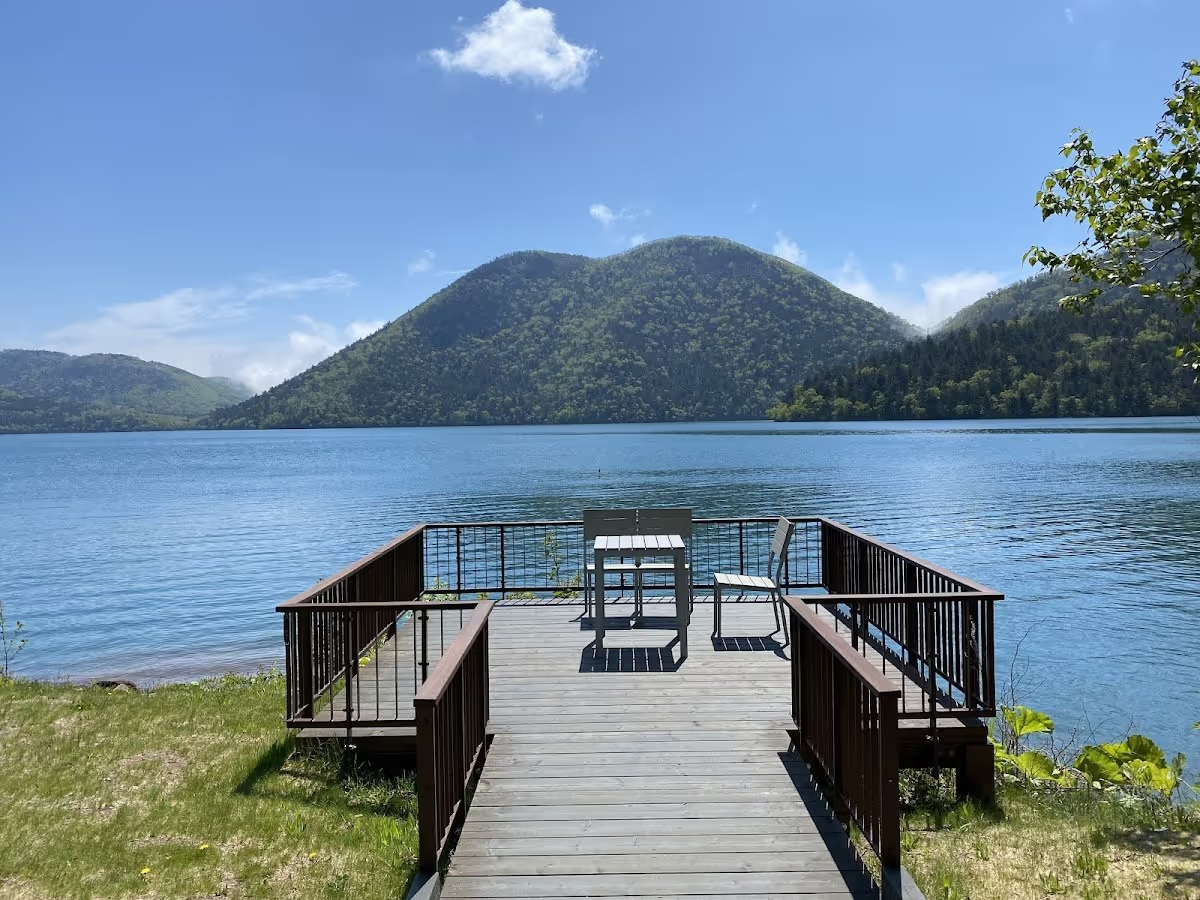
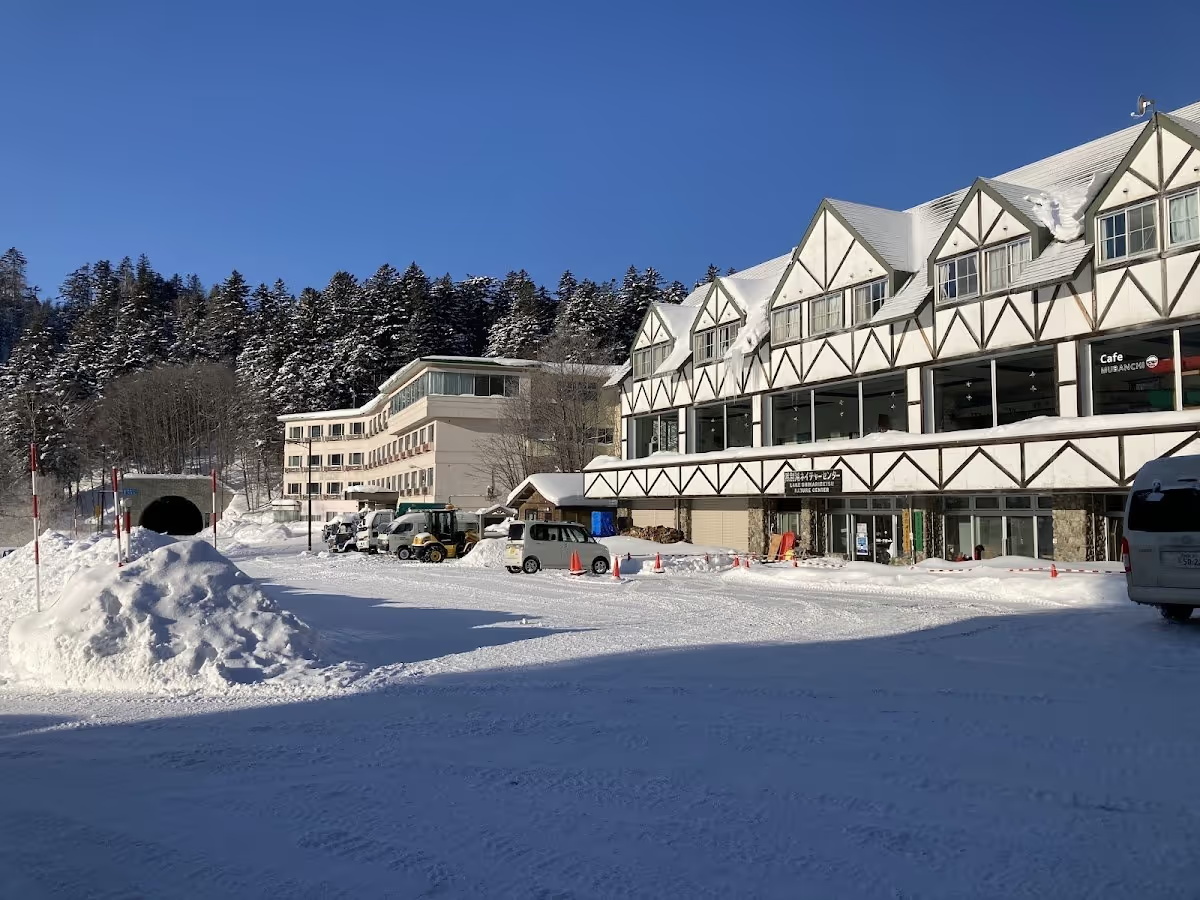
Shikaribetsu Kotan, Japan is a seasonal winter village constructed each year on the frozen surface of Lake Shikaribetsu in Shikaoi Town, Kato District, Hokkaido, in the Tokachi region of central Hokkaido. Lake Shikaribetsu is the highest altitude lake in Hokkaido at approximately 810 meters above sea level and is one of the most reliably frozen lakes in the region, providing a stable surface for the ice village that is built anew each winter from late January through late March. The kotan, a word derived from the Ainu language meaning village, consists of dome-shaped snow and ice huts used as accommodation, an ice bar, ice sculptures, and most distinctively, outdoor hot spring baths positioned on the frozen lake shore that allow bathers to soak in geothermally heated water while surrounded by snow and ice.
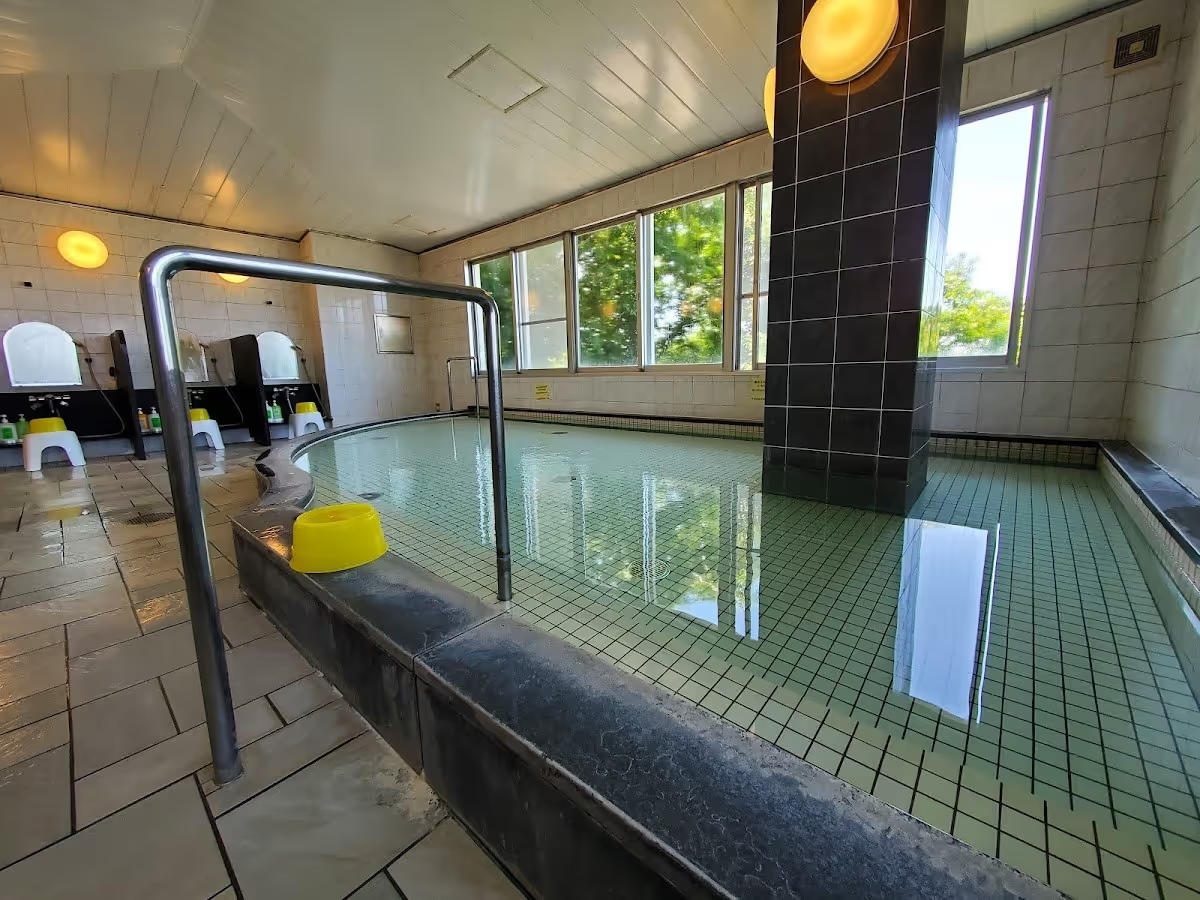
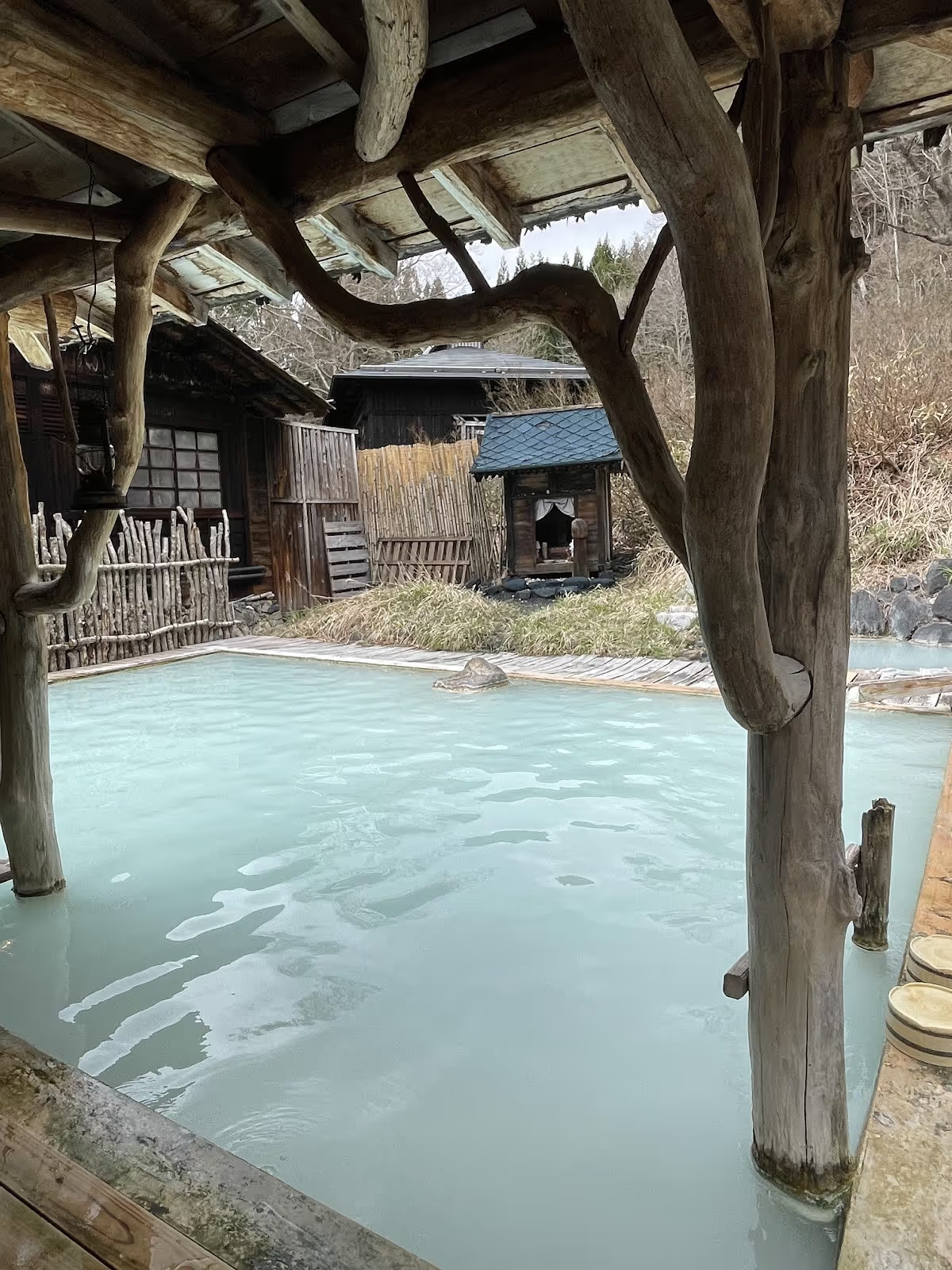
The spring water at Shikaribetsu is sodium bicarbonate in type, clear and mild, piped to the outdoor bathing areas constructed at the lake edge as part of the seasonal installation. The contrast between the outdoor temperature, which can drop well below freezing during the January and February peak season, and the hot spring water creates one of the most extreme and memorable bathing experiences available at any onsen in Japan. Bathers enter the outdoor bath in subzero air temperatures and are immersed in warm water while the lake ice and snow-covered landscape extends around them. This experience has made Shikaribetsu Kotan one of the more unusual and widely discussed winter onsen experiences in Hokkaido among both domestic and international visitors. The facility operates only during the winter construction season and closes once the ice begins to thaw, typically in late March. For visitors seeking hot springs near Shikaoi in a genuinely singular natural setting, Shikaribetsu Kotan is unlike any other bathing destination in Japan.
Location & Access
Getting to Shikaribetsu Kotan
Shikaribetsu Kotan is located in the Tokachi region of central Hokkaido and is most practically reached by car. From Obihiro, the main city of the Tokachi region, the drive to Lake Shikaribetsu takes approximately one hour and 20 minutes via Route 274 and prefectural roads through the Shikaoi area. From Sapporo, the drive takes approximately three hours. Obihiro is accessible from Sapporo by the JR Tokachi limited express in approximately two hours and 10 minutes, and from Shin-Chitose Airport in approximately one hour and 40 minutes by limited express.
For visitors without a car, bus access to the lake area is limited. Some tour operators based in Obihiro and Sapporo run winter excursion packages to Shikaribetsu Kotan that include transport, and this is often the most practical option for visitors relying on public transport. The Shikaribetsu Kotan operation itself sometimes arranges group transport from Obihiro during the peak winter season, and confirming current transport options directly with the facility when booking is strongly recommended. The roads to the lake can be subject to snow and ice conditions throughout the operating season, and visitors driving independently must use winter tires and check road conditions before departure.
The lake and kotan village are at the end of the access road with no onward connection, so all visitors arrive and depart via the same route. Accommodation within the kotan is limited and books out quickly for the peak January and February period. For those seeking hot springs near Shikaoi in a remote winter lake setting, advance planning and early booking are essential, and arriving without a confirmed reservation during the peak season is not advisable.
Suitability & Accessibility
Who Shikaribetsu Kotan Suits
Shikaribetsu Kotan suits visitors who are specifically drawn to the experience of bathing in an outdoor hot spring in a subzero winter landscape on a frozen lake. It is a niche and seasonal destination rather than a conventional onsen resort, and visitors should approach it as an experiential winter activity rather than a relaxing traditional inn stay. The combination of ice village accommodation, extreme temperature contrast bathing, and the remote frozen lake setting makes it well suited to adventurous travelers, winter photography enthusiasts, and visitors who want a Hokkaido experience that goes beyond the ski resort circuit.
Couples seeking an unusual and memorable winter experience in Hokkaido will find Shikaribetsu Kotan a distinctive choice. Families with older children who are comfortable with cold conditions and an outdoor-focused stay are welcome, though the subzero outdoor temperatures and the physically demanding nature of moving around the ice village at night make it less suited to families with very young children. Solo travelers with an interest in extreme seasonal landscapes and unconventional accommodation formats will also find the kotan rewarding.
Visitors looking for accessible hot springs in Japan should be aware that Shikaribetsu Kotan is fundamentally an outdoor winter installation on a frozen lake, and accessibility for guests with significant mobility limitations is very limited. The ice and snow surfaces, the dome accommodation format, and the outdoor bathing areas are not configured for guests with mobility challenges. The experience is physically demanding even for fully mobile visitors in cold conditions. Among the most unusual and seasonally specific hot springs in Japan, Shikaribetsu Kotan occupies a position that no other destination in the country replicates, and it rewards visitors who seek it out during its brief annual window.
Safety & Etiquette
Safety and Etiquette at Shikaribetsu Kotan
Shikaribetsu Kotan presents a distinctive set of safety considerations that differ significantly from those at conventional managed onsen facilities. The outdoor environment on and around the frozen lake involves genuine winter hazards that visitors must take seriously. Air temperatures during the January and February peak season regularly fall well below freezing, and wind chill can make exposed skin uncomfortable within minutes. Visitors must be properly equipped with layered cold weather clothing, insulated footwear with grip for icy surfaces, hats, and gloves for all movement outside the huts and bath areas.
The frozen lake surface is managed and assessed by the kotan operators, and visitors must stay within designated areas and follow all staff guidance regarding safe zones on the ice. Venturing onto unmarked areas of the lake surface without authorization is not permitted and is dangerous. The ice thickness varies across the lake and designated visitor areas are chosen and maintained for safety throughout the season.
The outdoor hot spring baths present the specific risk of rapid temperature shock when entering and exiting. Moving from a subzero environment into a hot bath and back to subzero air requires care. Entering the bath slowly, limiting session length, and having warm dry clothing immediately available for when you exit are all essential. Standing up quickly after a long soak in extreme cold air conditions can cause dizziness or faintness, and bathers should rise slowly and have support available. Alcohol consumption before bathing is particularly inadvisable in these conditions.
Standard Japanese onsen etiquette applies at the bathing facilities. Bathers must shower and rinse before entering the outdoor baths. Towels must not be submerged in the water. The outdoor baths at Shikaribetsu Kotan may have specific mixed or single-gender arrangements depending on the installation for that season, and confirming bathing arrangements with the facility when booking is recommended. Photography policies vary by area within the kotan and visitors should confirm what is and is not permitted with staff on arrival. Children must be supervised at all times on the ice and in the bathing areas. Guests with cardiovascular conditions should seek medical advice before bathing in extreme temperature contrast conditions.