Quick FactsOverview
About Sunamushi Kaikan SARAKU
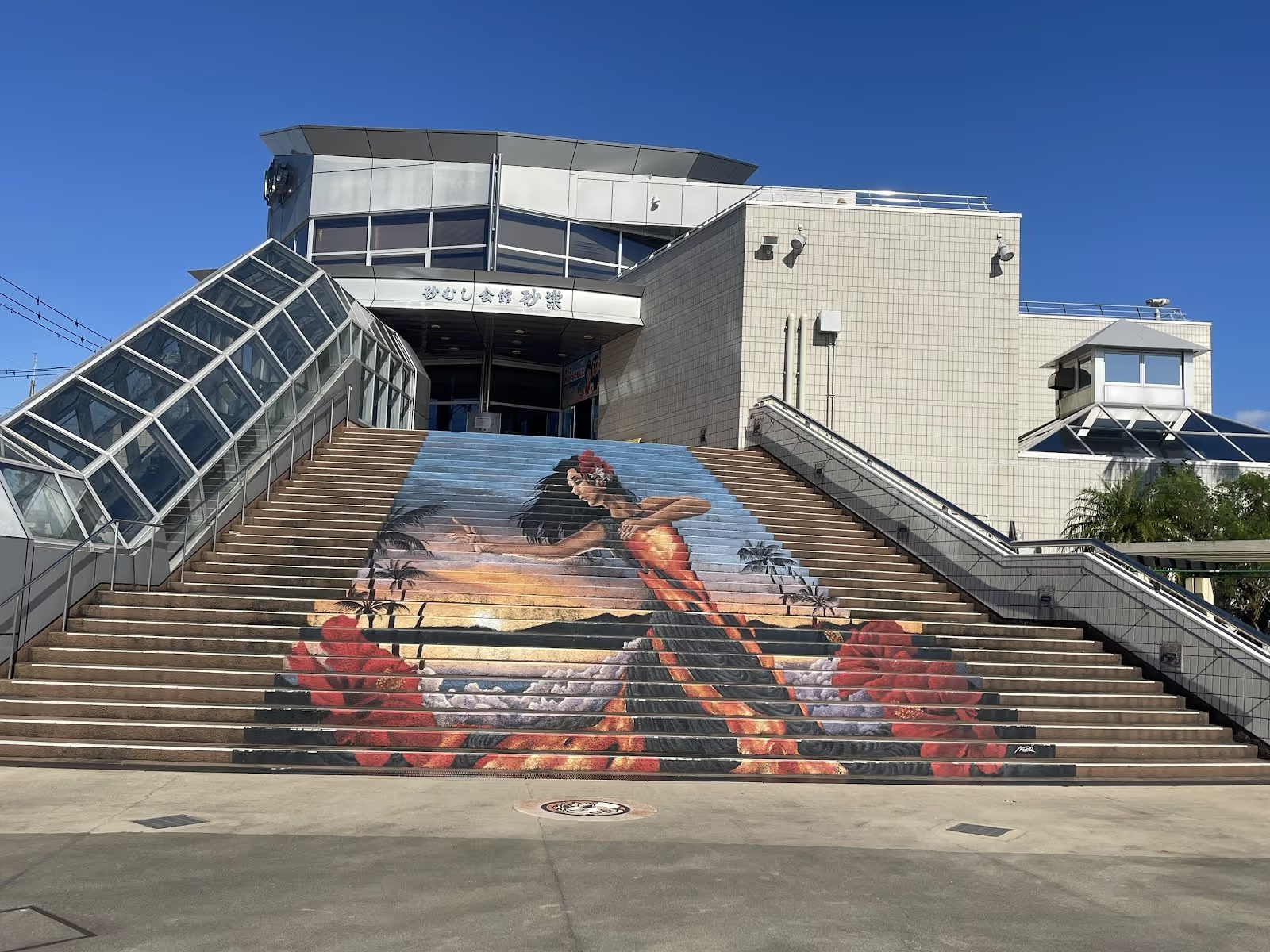
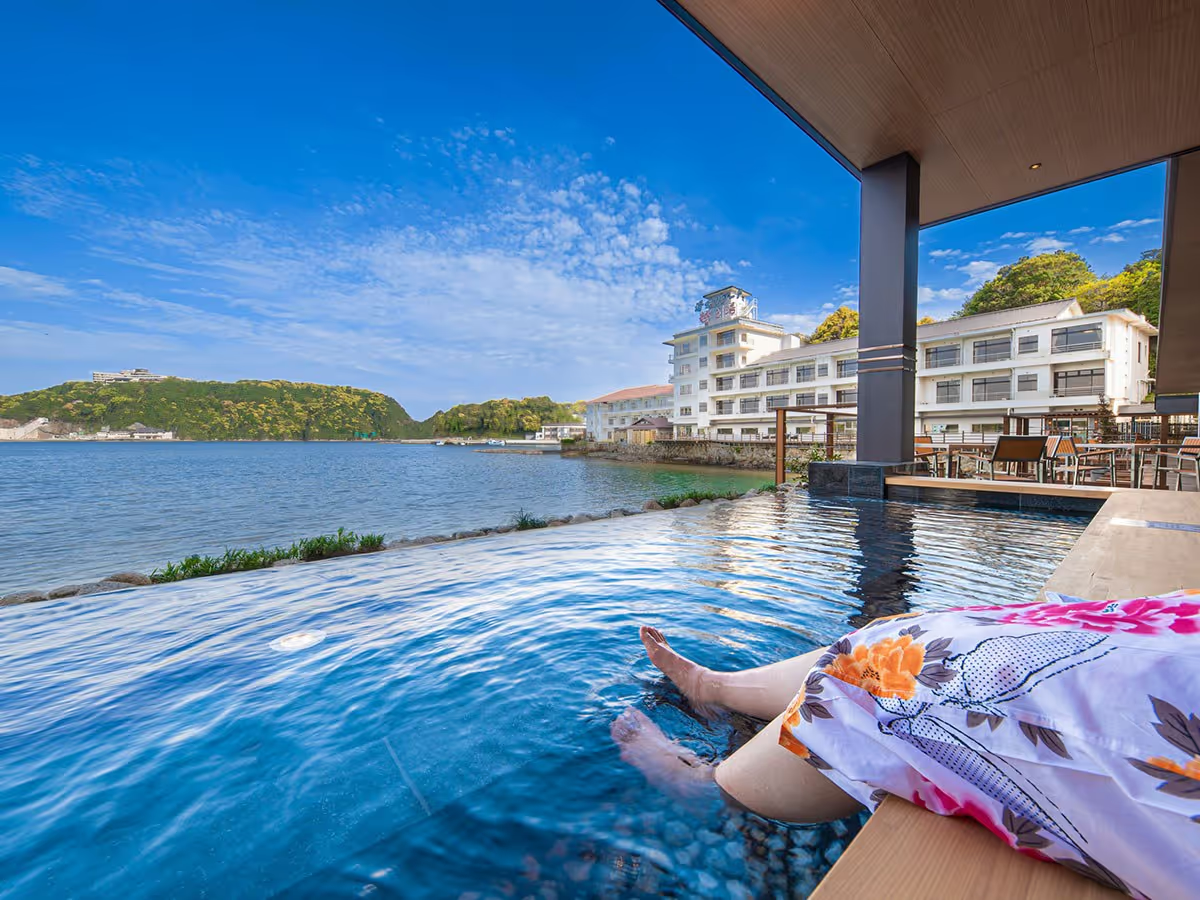
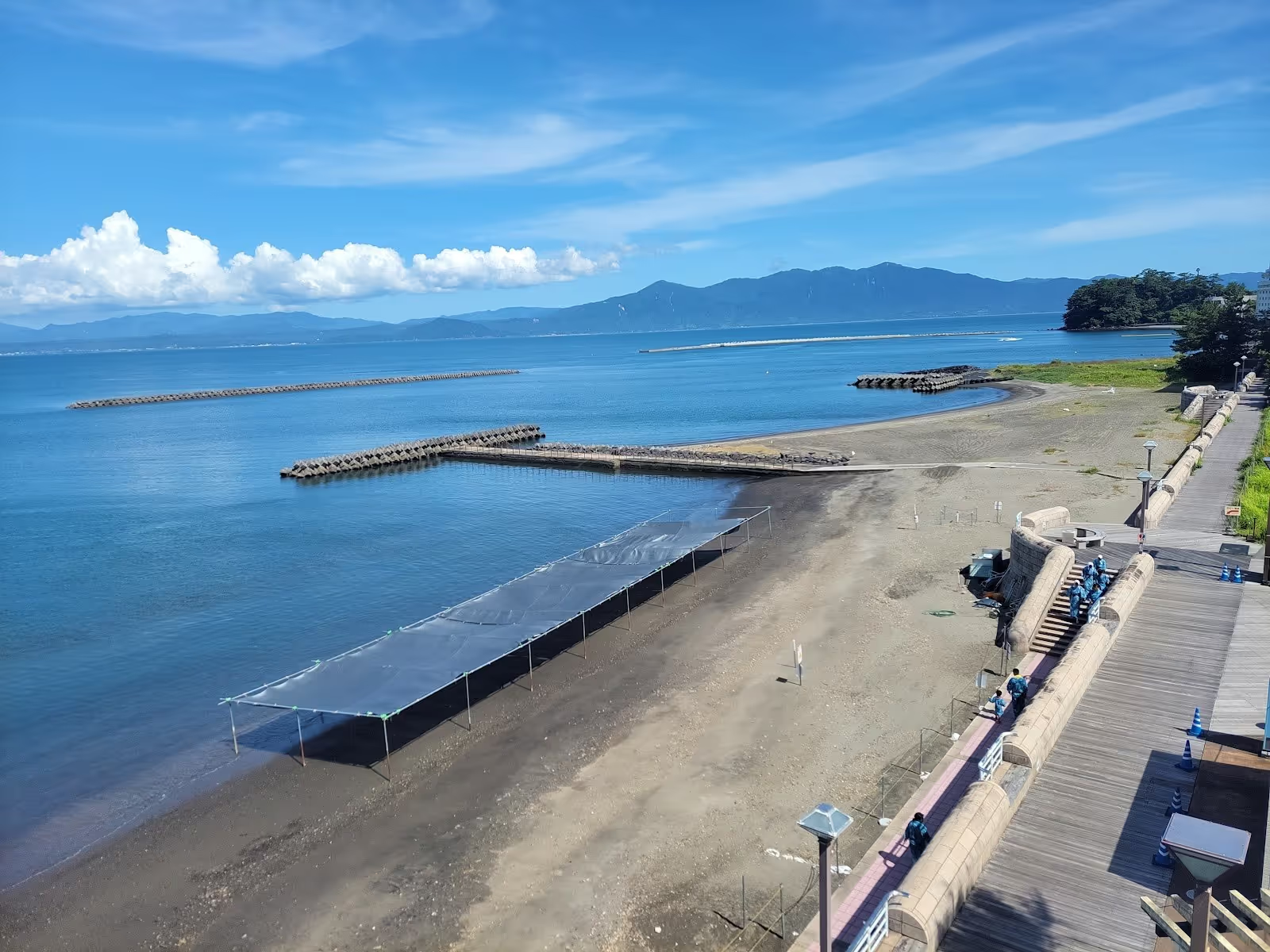
Sunamushi Kaikan SARAKU, Japan is the principal public facility for experiencing Ibusuki's sunamushi onsen, or natural sand bath, in Ibusuki City, Kagoshima Prefecture, on the Kagoshima Bay coast at the southern tip of the Satsuma Peninsula. Ibusuki is the only place in the world where naturally geothermally heated beach sand creates conditions for this bathing style. Hot spring sources bubble up through the coastal sand, raising the surface temperature to around 55 degrees Celsius. SARAKU's name comes from a Kagoshima dialect word meaning to stroll.
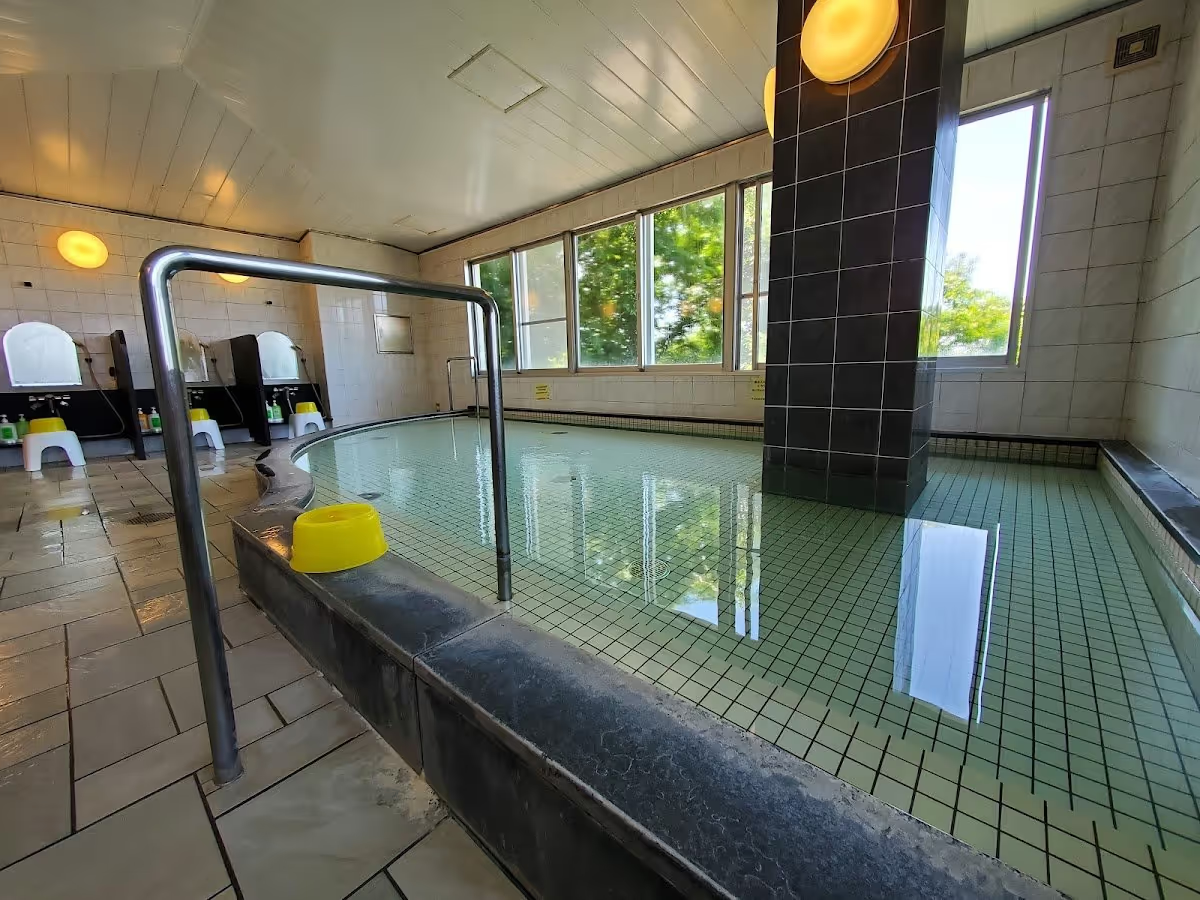
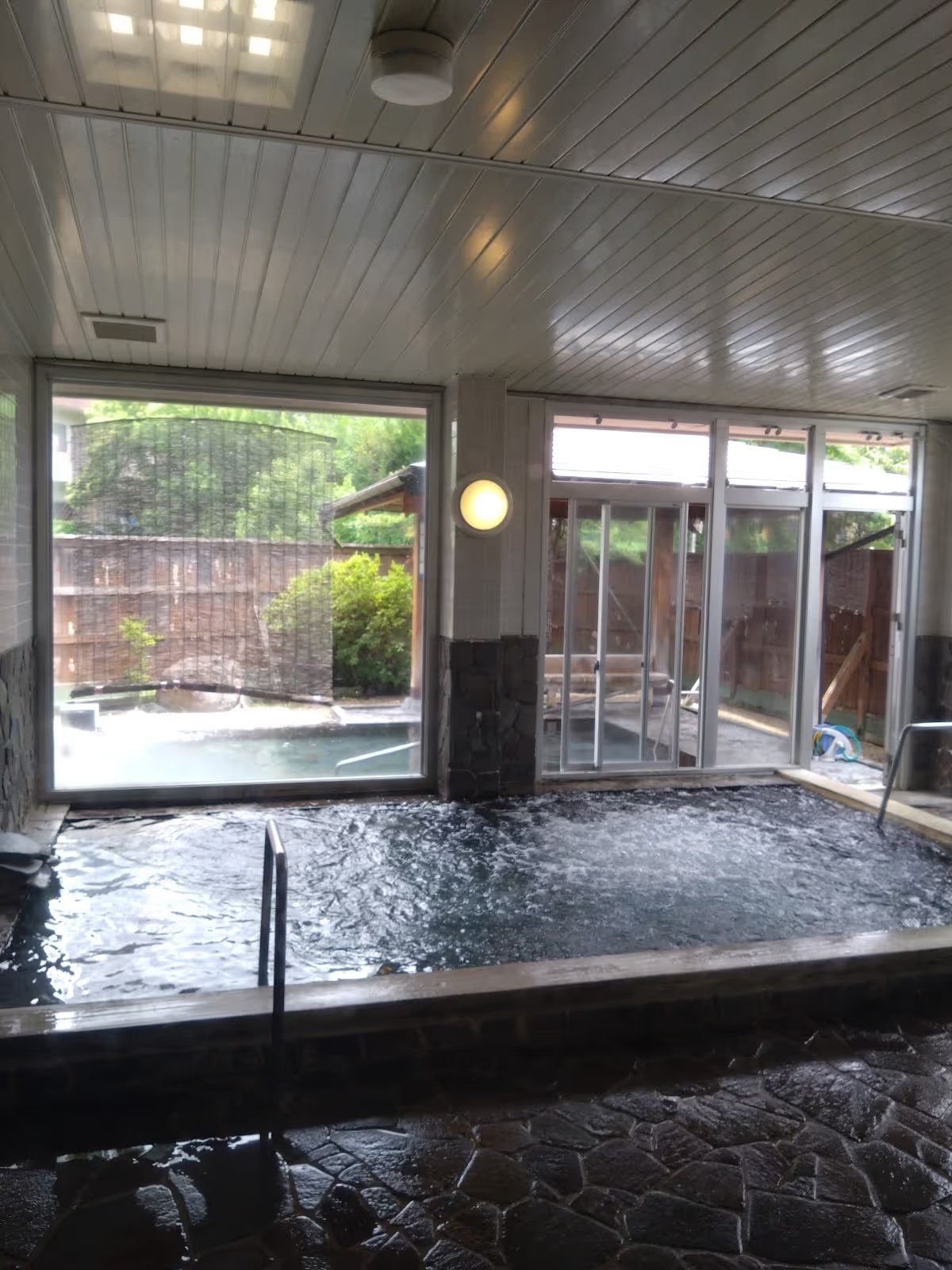
The process: visitors change into a provided yukata, walk to the beach, lie down, and are buried to the neck in hot sand by a staff member. A towel is wrapped around the head. The session lasts 10 to 20 minutes, causing full-body sweating. Visitors then return to the facility to shower off the sand and use the indoor hot spring baths. A covered all-weather sand bath area is available for rain or high-tide conditions. Admission is 1,500 yen for adults (including yukata rental), with elevated rates during major holidays. Note: this is not a conventional hot spring pool; the primary experience is burial in hot sand, not soaking in water.
Location & Access
Getting to Sunamushi Kaikan SARAKU
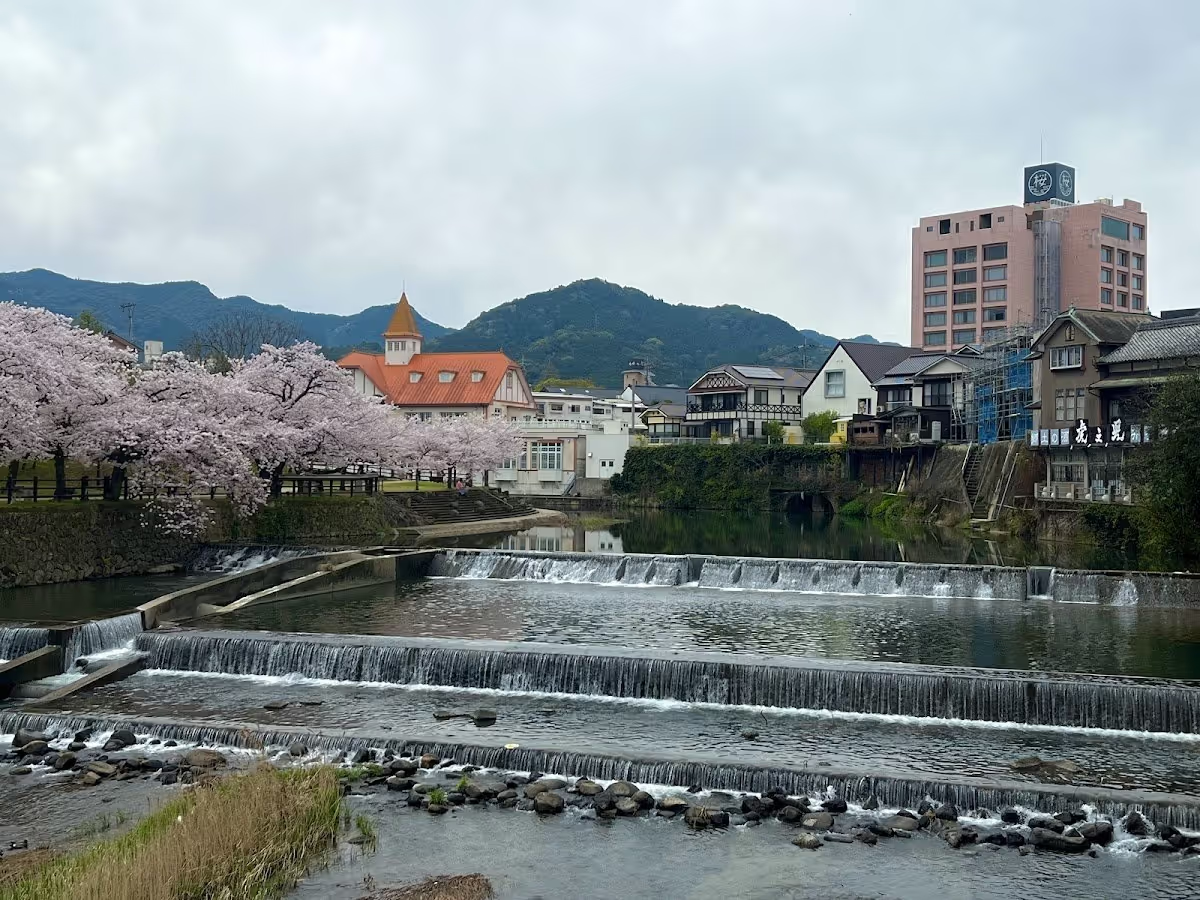
Sunamushi Kaikan SARAKU is at 5-25-18 Yunohama, Ibusuki City, Kagoshima 891-0406, on the coastal road approximately 1.5 kilometres from JR Ibusuki Station. From JR Ibusuki Station the facility is approximately 15 to 20 minutes on foot, or 4 minutes by local Kagoshima Kotsu bus to the Sunamushi Kaikan Mae stop, or 15 minutes by rental bicycle available from Ibusuki Station. By taxi from JR Ibusuki Station the journey takes approximately 5 minutes (around 700 yen).
From Kagoshima Chuo Station, take the JR Ibusuki Makurazaki Line limited express to Ibusuki Station, approximately 50 minutes (around 3,000 yen one way, 3 departures per day), or the local train, approximately 70 to 80 minutes (1,170 yen, 1 to 2 trains per hour). Both are covered by the Japan Rail Pass. From Kagoshima Airport, allow approximately one hour 35 minutes by car. A parking lot with space for approximately 100 cars is available at the facility on-site. SARAKU is open year-round, with brief closures of approximately one week each in July and December for hot spring facility maintenance. Weekday hours are 08:30 to 12:00 and 13:00 to 20:00; weekend and holiday hours are 08:30 to 20:00 with last entry at 21:00.
Suitability & Accessibility
Who Sunamushi Kaikan SARAKU Suits
Sunamushi Kaikan SARAKU suits visitors to Ibusuki who want to experience Japan's rarest geothermal bathing tradition. The sand bath is unlike any conventional onsen and is frequently cited as one of Japan's most memorable travel experiences. The combination of the oceanside setting, the unusual sensation of being buried in steaming sand, and the sweating effect makes it suitable for both first-time onsen visitors and experienced hot spring enthusiasts looking for something different.
The experience is accessible and well-managed; all equipment including yukata, towel, and sandals is provided, staff assist with the burial, and the covered indoor sand bath area ensures the experience is available in all weather. Families are welcome; children are admitted at reduced entry (800 yen). The adjacent indoor hot spring baths are included in the entry fee for rinsing after the sand bath.
The sand bath involves lying down on the beach for 10 to 20 minutes while being covered in heavy, hot sand; visitors with back problems, claustrophobia, low blood pressure, or heart conditions should consider whether this is appropriate and may wish to consult a doctor beforehand. The outdoor beach sand bath is not available during high tide or bad weather; in these conditions the covered all-weather alternative is used. Wheelchair accessibility to the beach area is not confirmed; barrier-free individual shower rooms are available in the facility. The experience is most popular in the cooler months when the contrast between the hot sand and the air is appreciated.
Safety & Etiquette
Sunamushi Kaikan SARAKU Safety Tips
Sunamushi Kaikan SARAKU is generally safe as a staffed facility with trained attendants managing every sand burial, but the high heat of the sand and the physically unusual nature of the experience require precautions that differ from conventional hot spring bathing.
The sand temperature is around 55 degrees Celsius, which is considerably hotter than typical onsen water. Limit the session to the recommended 10 to 15 minutes, especially on a first visit; sessions of 20 minutes or more can result in overheating or dizziness. Communicate with the attendant if the heat becomes uncomfortable; they can adjust the sand depth or help you to rise at any time. After the sand bath, rise slowly; moving from lying to standing quickly after prolonged heat exposure can cause dizziness or lightheadedness.
People with heart conditions, low blood pressure, hypertension, or circulation disorders should consult a doctor before trying the sand bath, as the full-body heat exposure has different physiological effects than water immersion. Pregnant visitors should also consult a doctor before participating. Avoid the sand bath immediately after a meal; allow at least one hour. Do not wear metal jewellery as it can heat uncomfortably in the sand. Drink water before and after the session, as the sweating effect is significant. After the sand bath, wash thoroughly in the shower before using the indoor hot spring baths. Children must be supervised at all times in the beach and sand bath area.