Quick FactsOverview
About Ikaho Onsen, Gunma
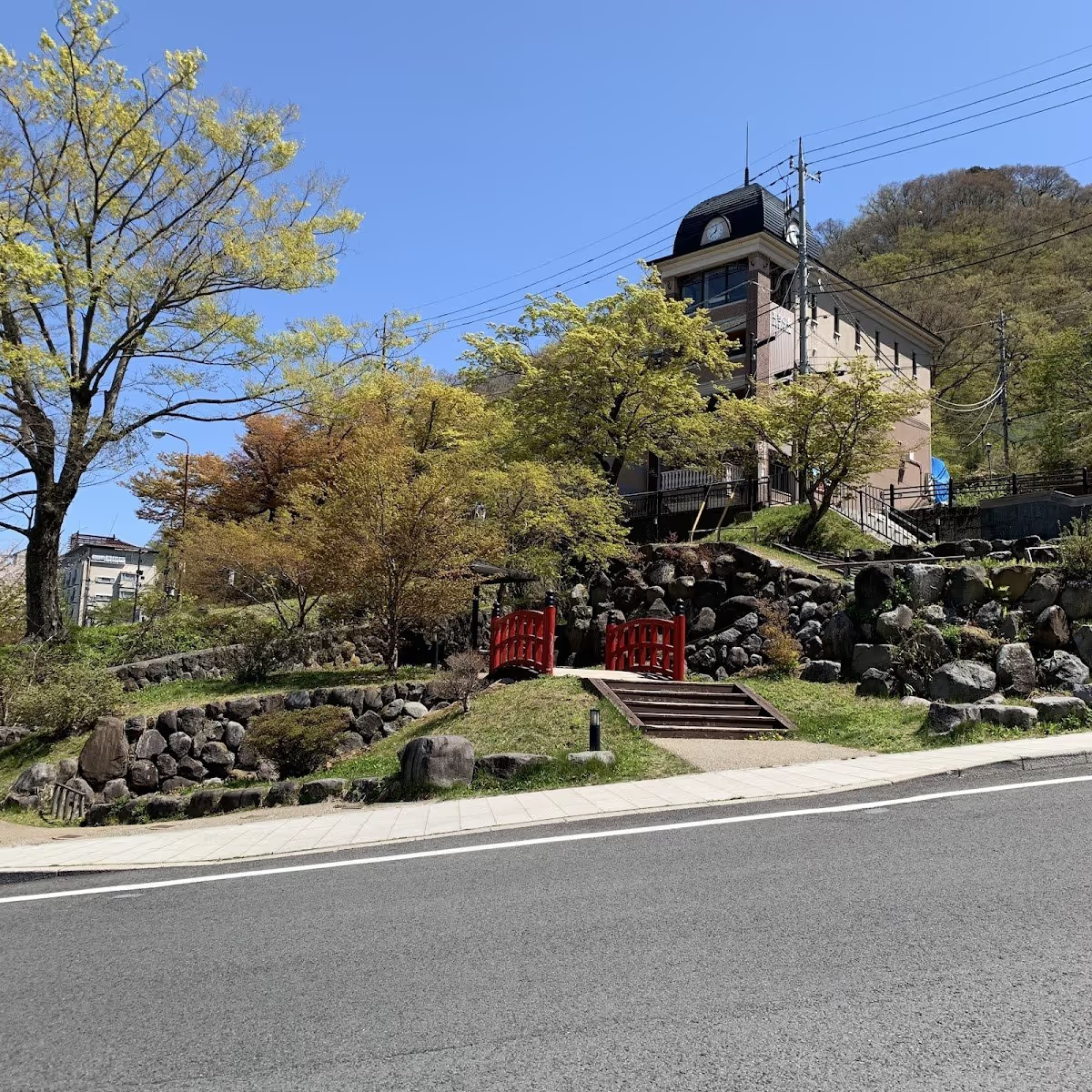
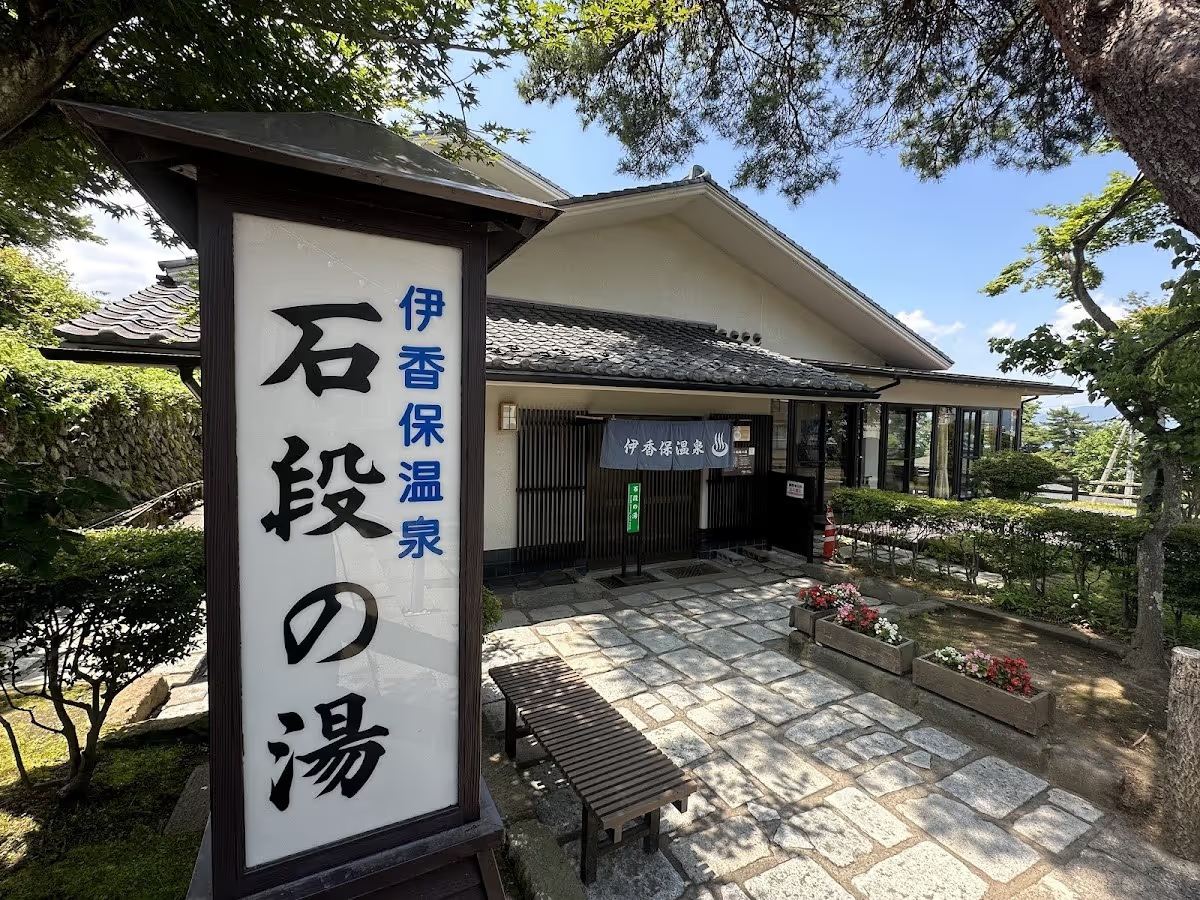
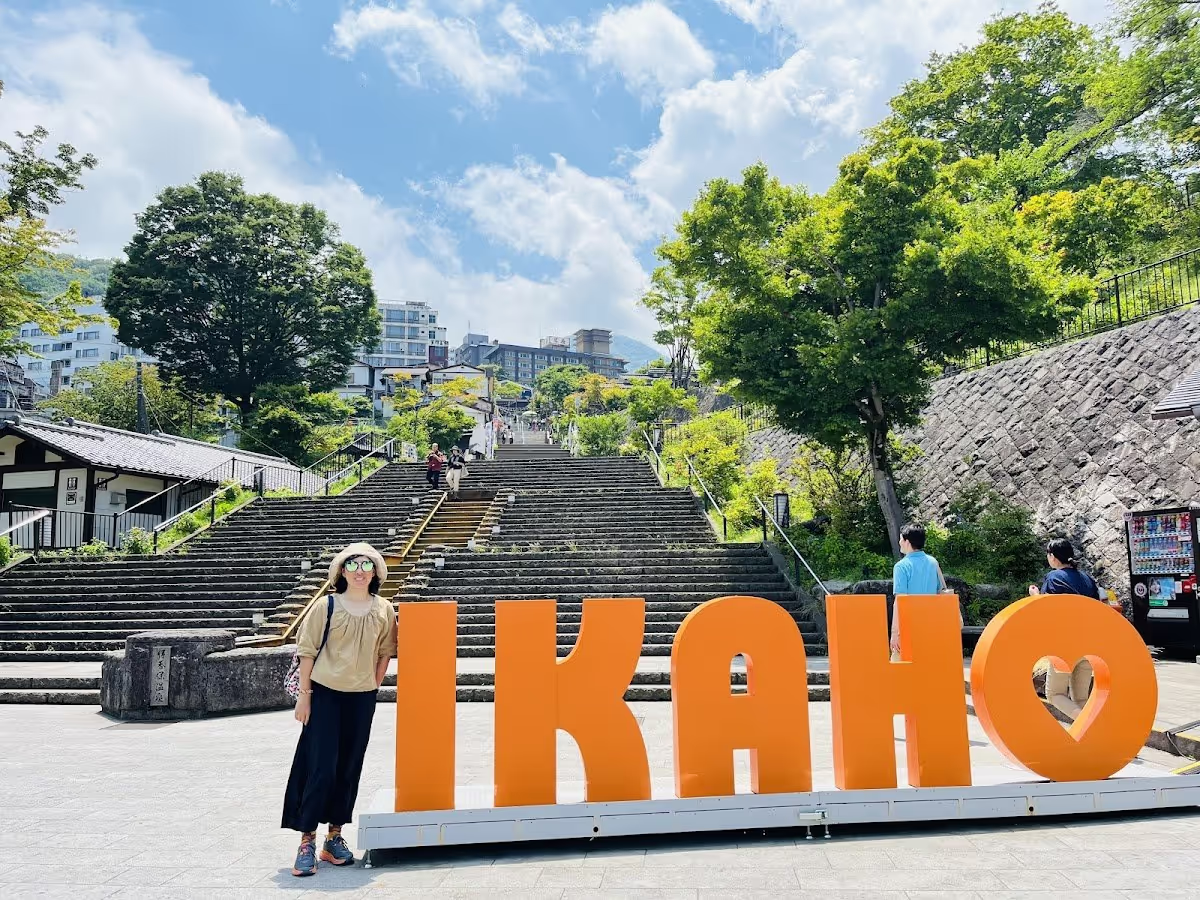
Ikaho Onsen, Japan is a long-established hot spring resort town situated on the slopes of Mount Haruna in Gunma Prefecture, roughly 20 kilometers northwest of Shibukawa. It is one of the most visited onsen destinations in the Kanto and Chubu border region, with a history of welcoming visitors stretching back several centuries. The town center is defined by the Ishidan, a stone-paved staircase flanked by ryokan, souvenir shops, and public bath facilities that give the area a distinctive character unlike most modern resort developments.
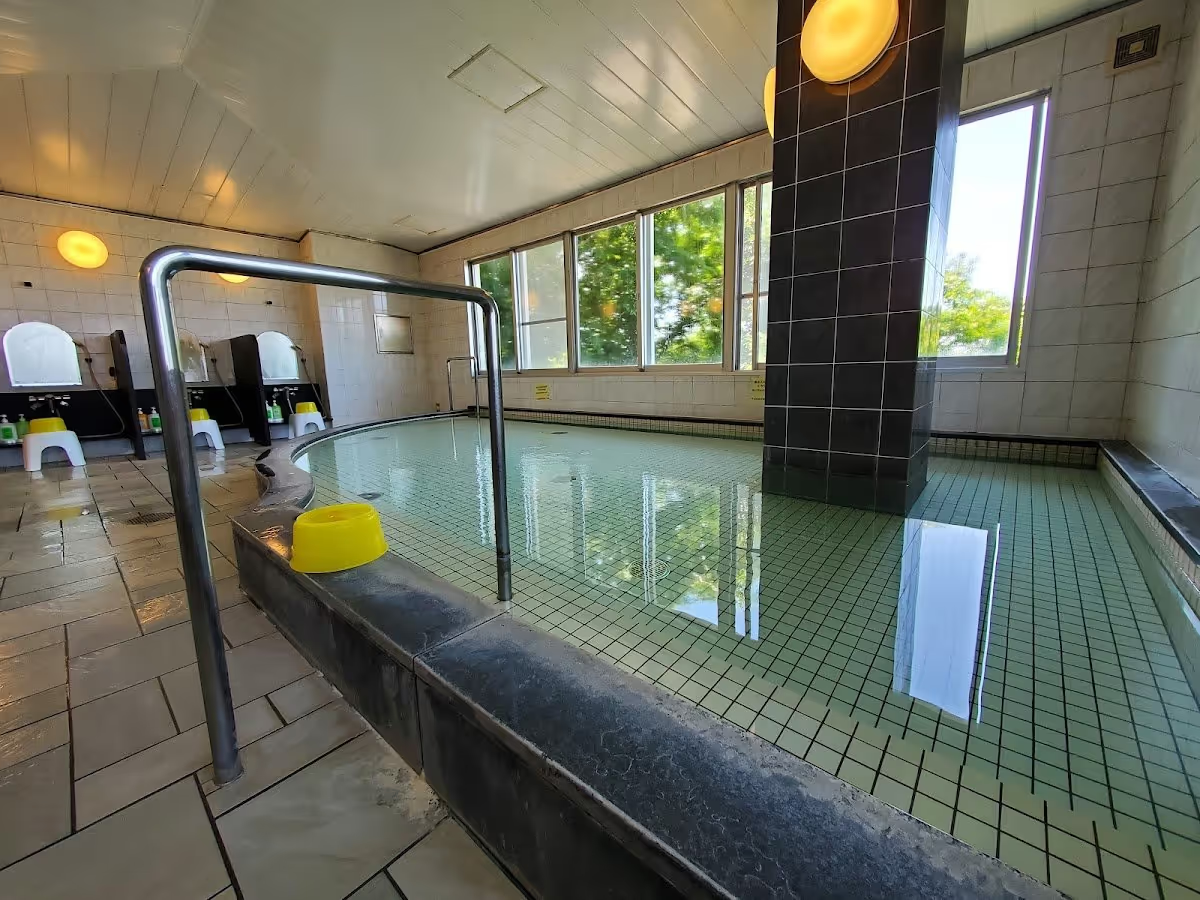
The springs at Ikaho produce two types of water. The brown water, known locally as kogane-no-yu, is iron-rich and turns its characteristic amber color on contact with air. The clear water, known as shiro-no-yu, is a cooler, sulfate-rich spring added to the town supply more recently. Both types are distributed to the ryokan and public bathhouses along the staircase. Ikaho is a well-known example of traditional onsen culture in inland Japan, and the town retains much of the atmosphere that made it a retreat for writers and artists in the Meiji and Taisho periods.
For visitors looking for hot springs near Shibukawa, Ikaho is the closest and most accessible option, reachable by bus directly from Shibukawa Station on the JR Agatsuma Line.
Location & Access
Getting to Ikaho Onsen
Ikaho Onsen is located in Shibukawa City, Gunma Prefecture, on the western flank of Mount Haruna at an elevation of roughly 700 meters. The most practical route from Tokyo is via the JR Joetsu Shinkansen to Takasaki, then the JR Agatsuma Line to Shibukawa Station, followed by a local bus to the onsen area. The bus journey from Shibukawa Station takes approximately 25 minutes. Visitors traveling by car can reach Ikaho from the Kan-Etsu Expressway via the Shibukawa-Ikaho interchange, with the drive from central Tokyo taking around two hours depending on traffic.
Parking is available at several lots near the base of the stone staircase, though the lots can fill on weekends and during autumn foliage season. The staircase itself is pedestrian only and rises steeply through the town center. Visitors with limited mobility should be aware that the main area involves significant incline. A public footbath near the base of the stairs offers a low-effort option for those who prefer not to climb. For those seeking hot springs near Shibukawa with straightforward public transport access, Ikaho is among the more convenient choices in the region.
The town has a compact layout and most facilities are within easy walking distance once you reach the staircase area. Several ryokan offer day-use bathing options without an overnight stay, though availability varies by property and season.
Suitability & Accessibility
Who Ikaho Onsen Suits
Ikaho Onsen suits a wide range of visitors. Families are well accommodated, with several ryokan offering family rooms and the town providing a walkable, low-traffic environment that is manageable with children. The public footbath near the stairs is accessible without entering a paid facility and is a good introduction for younger visitors. Couples and solo travelers seeking a traditional inn experience will find Ikaho well set up, with many properties offering private or semi-private bathing arrangements.
The town is less suited to visitors with significant mobility limitations due to the steep staircase, though the lower section of the street and the public footbath area are reachable without climbing. Visitors looking for accessible hot springs in Japan should confirm with individual ryokan whether ground-floor or elevator-accessible rooms and bathing facilities are available before booking.
Ikaho draws a predominantly domestic Japanese visitor base, and signage in English is limited outside the main tourist information points. International visitors will find the atmosphere welcoming but should plan ahead for language differences when booking accommodation or day-use bathing. The town is busiest during spring cherry blossom season, the summer holiday period, and autumn foliage season, when advance reservations are strongly recommended.
Safety & Etiquette
Safety and Bathing Etiquette at Ikaho Onsen
Ikaho Onsen is a well-managed resort town with a long history of public bathing, and general safety conditions are good throughout the area. The springs are distributed through a piped system to ryokan and public bathhouses, so bathers are not exposed to natural outdoor hazards associated with wild springs. Road and path surfaces on the stone staircase can become slippery when wet, particularly during rain or in winter when ice forms on the steps. Appropriate footwear is advisable.
Standard onsen etiquette applies at all facilities in Ikaho. Bathers must shower and rinse thoroughly before entering any communal bath. Tattoos are not permitted in most public bathhouses and many ryokan facilities in Japan, including at Ikaho. Visitors with tattoos should confirm the policy of a specific facility before visiting, as some properties have begun accommodating tattooed guests in private bath arrangements. Swimwear is not worn in traditional indoor baths. Towels should not be submerged in the water.
The iron-rich brown water of the kogane-no-yu spring can stain light-colored swimwear and towels. This is normal and not a safety concern, but visitors should be aware that discoloration may occur on fabric. Children should be supervised at all times in bathing areas, and very young children may find the water temperature uncomfortable. Most ryokan staff can advise on water temperature ranges and cooler bathing options if requested.
Photography inside bathing facilities is not permitted. Loud conversation and use of mobile phones in bathing areas is considered disrespectful. Alcohol consumption immediately before bathing is discouraged. Visitors should hydrate before and after bathing, particularly in the higher-temperature baths, and should exit the water if they feel lightheaded or overheated.