
Quick FactsOverview
About Saki no Yu
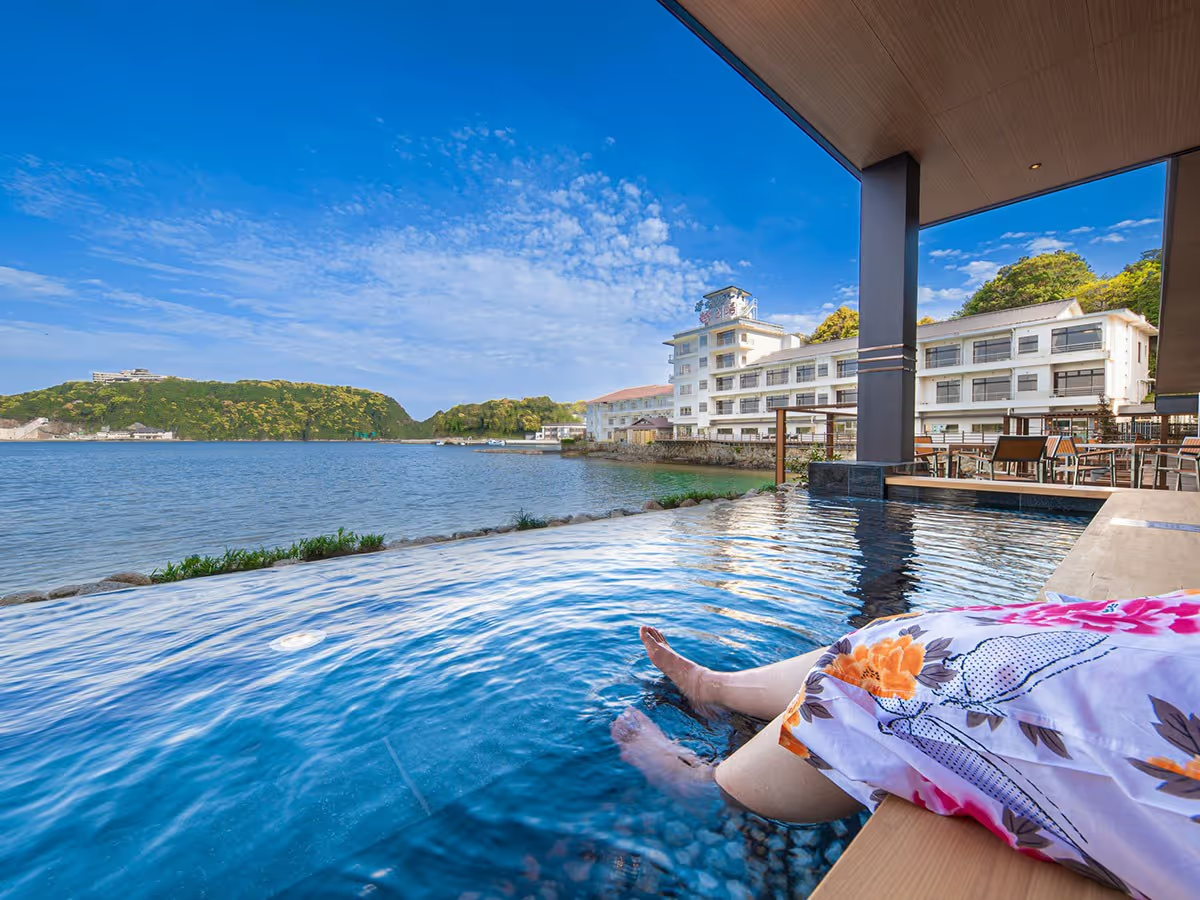
Saki no Yu, Japan is an ancient outdoor hot spring bath in Shirahama, Nishimuro District, Wakayama Prefecture, set directly on a rocky Pacific Ocean coastline where waves crash against the surrounding rock formations within metres of the bath. It is one of Japan's three oldest hot springs, alongside Arima Onsen and Dogo Onsen, with over 1,350 years of recorded history. Both the Nihon Shoki and the Manyoshu record imperial and aristocratic visits to this site. Among the ancient Yuzaki Nanayu, the seven historic baths of the area, Saki no Yu is the only one that still exists in its original coastal location.
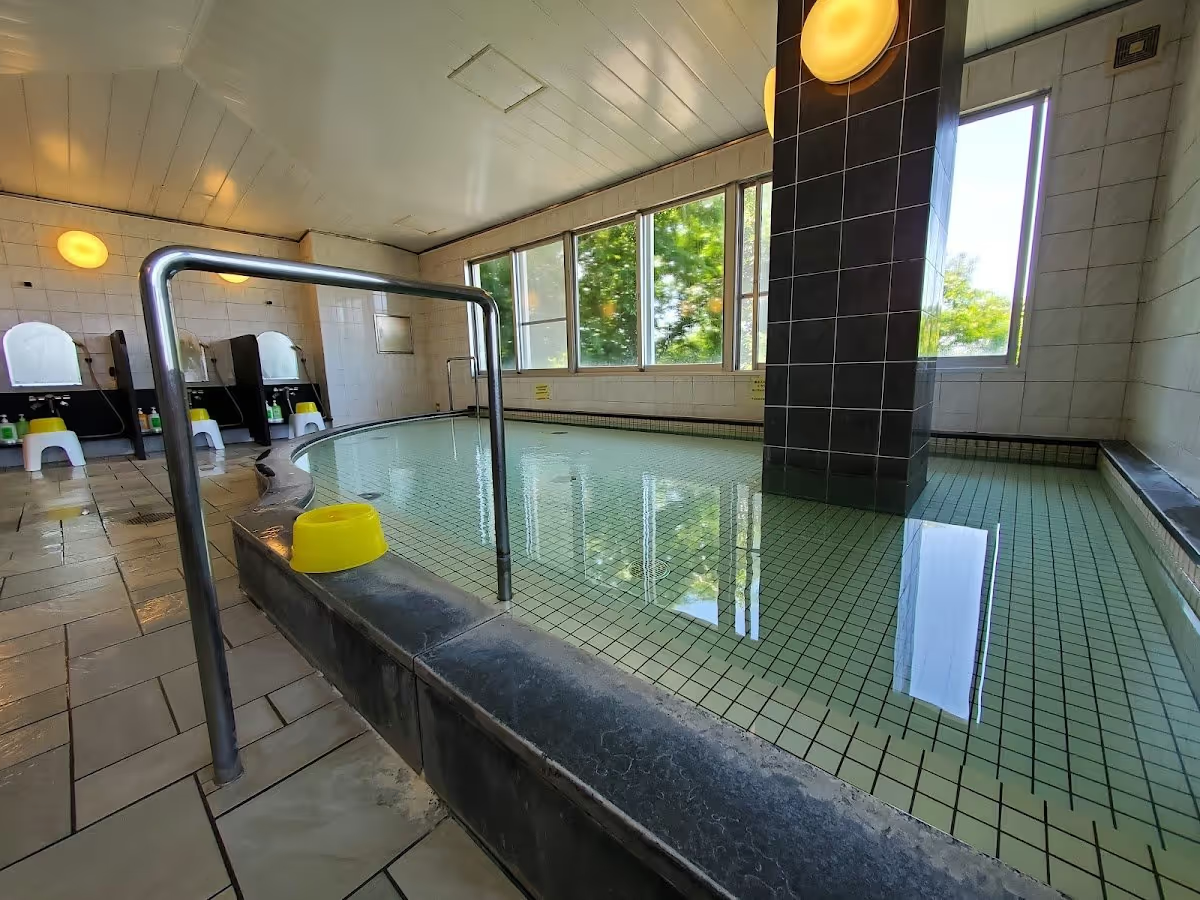
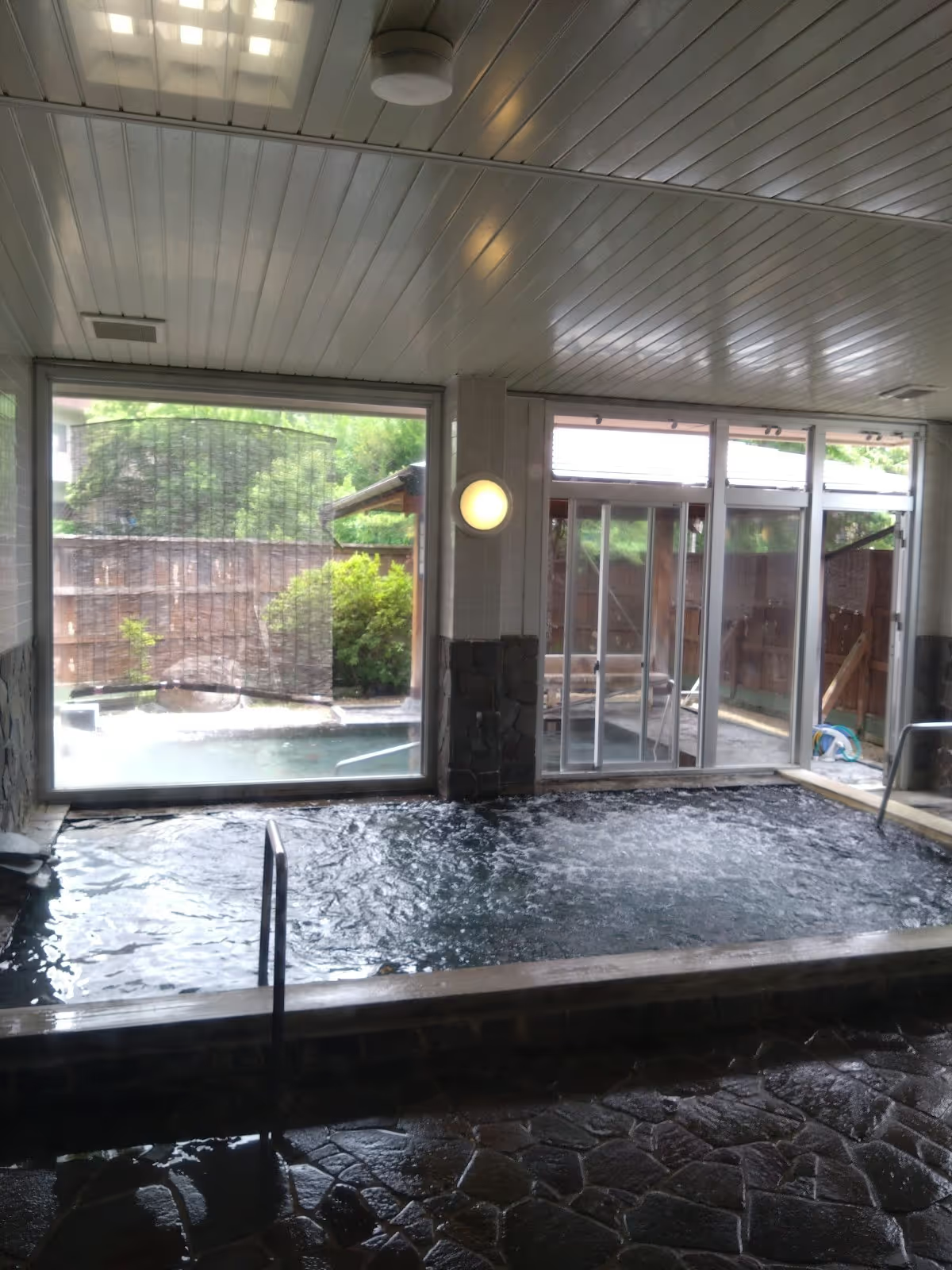
The water is a natural sodium chloride spring, clear and transparent, at around 42 degrees Celsius, associated with neuralgia, joint pain, and skin conditions. The bath consists of open-air rock pools in natural coastal stone, with the ocean immediately beyond the outer rocks. The men's section has more direct ocean exposure; the women's section offers slightly more shelter. No soap, shampoo, or showers are provided. Cameras and smartphones must be left at the reception desk. Saki no Yu is tattoo-friendly with no restrictions. Admission is 500 yen. The bath may close when seas are rough.
Location & Access
Getting to Saki no Yu
Saki no Yu is at Yuzaki, Shirahama, Nishimuro District, Wakayama Prefecture, on the Pacific coast of the Kii Peninsula. From JR Shirahama Station on the JR Kisei Main Line, take the Meiko Bus toward Shirahama Beach and get off at the Yuzaki bus stop, which takes approximately 15 minutes; the onsen is a 5-minute walk from the bus stop. From Osaka, the JR Kuroshio Limited Express to JR Shirahama Station takes approximately two hours; from Kansai International Airport, take a JR train to Hineno Station and transfer to the Kuroshio Limited Express, with a total journey of approximately two and a half hours. By car from Osaka, the drive takes approximately two to two and a half hours via the Hanwa Expressway to the Nanki-Tanabe Interchange, then National Route 42 and Prefectural Roads 33, 31, and 34 toward Sandanbeki. Free parking for approximately 15 spaces is available at the site.
Opening hours vary seasonally: July to August 07:00 to 19:00; April to June and September 08:00 to 18:00; October to March 08:00 to 17:00. The facility is closed on a small number of irregular days and may also close temporarily when sea conditions are rough; check with the facility or local tourism information before visiting. Admission is 500 yen per person. No advance reservation is required. Cameras and smartphones are not permitted inside and must be left at the reception desk on entry.
Suitability & Accessibility
Who Saki no Yu Suits
Saki no Yu suits visitors to Shirahama who want one of Japan's most historically significant and visually distinctive bathing experiences. The combination of 1,350-year-old recorded history, imperial and literary association, oceanside rock pools, and the sound and spray of Pacific waves makes it unlike any other onsen in Japan. It draws visitors specifically for the cultural significance and the raw coastal setting, not for amenities or comfort. The facility is simple: no soap, no shower, no towels provided.
Tattooed visitors are explicitly welcome, which is unusual for a public bath in Japan and makes Saki no Yu one of the more accessible historic onsen for international visitors with tattoos. The transparent, mildly mineralised water is gentle relative to highly acidic volcanic springs and is suitable for most visitors. Shirahama itself is a beach resort with white sand beaches, adventure parks, and snorkelling, making Saki no Yu part of a broader coastal day trip rather than a standalone destination.
The bath may close without notice when seas are rough; this is more likely in autumn typhoon season and winter. Visitors who are specifically seeking the dramatic oceanside experience should check conditions before travelling far. The facility closes relatively early, particularly in winter at 17:00; plan accordingly. Wheelchair accessibility is not practical; the rocky coastal approach and rock pool surfaces are uneven. No swimwear is worn; all bathing is nude.
Safety & Etiquette
Saki no Yu Safety Tips
Saki no Yu is generally safe as a staffed public bath facility with over a thousand years of continuous operation, but the oceanside location introduces specific hazards that are absent at inland onsens.
The primary unique safety consideration is the proximity to the ocean. Waves can splash into the bath area, particularly the men's seaside pool. The facility may close when sea conditions are too rough; do not attempt to use the bath if official warning signs are posted or if staff indicate it is unsafe. The rock surfaces in and around the bath can be extremely slippery when wet; move slowly, use handrails where available, and avoid standing on wet outer rocks near the ocean edge. The spring water is at around 42 degrees Celsius; limit soaking to 10 to 15 minutes and rest between sessions. People with heart conditions, hypertension, or open wounds should consult a doctor before bathing.
No soap, shampoo, or shower facilities are available. Pour water over yourself at the designated splash point before entering any pool; this is both a health etiquette requirement and helps with temperature acclimatisation. Cameras and smartphones must be left at the reception desk; this is a firm rule and helps protect the privacy of all bathers. The changing areas are basic and open to the salt air; bring a bag to protect personal belongings from spray. In summer, the rocky coastal approach can be hot underfoot; wear footwear until you reach the changing area. The nearby Shirahama Underwater Observation Tower provides a view toward the men's bath from outside; this is noted by visitors as a known quirk of the location.