Quick FactsOverview
About Termas de Copahue
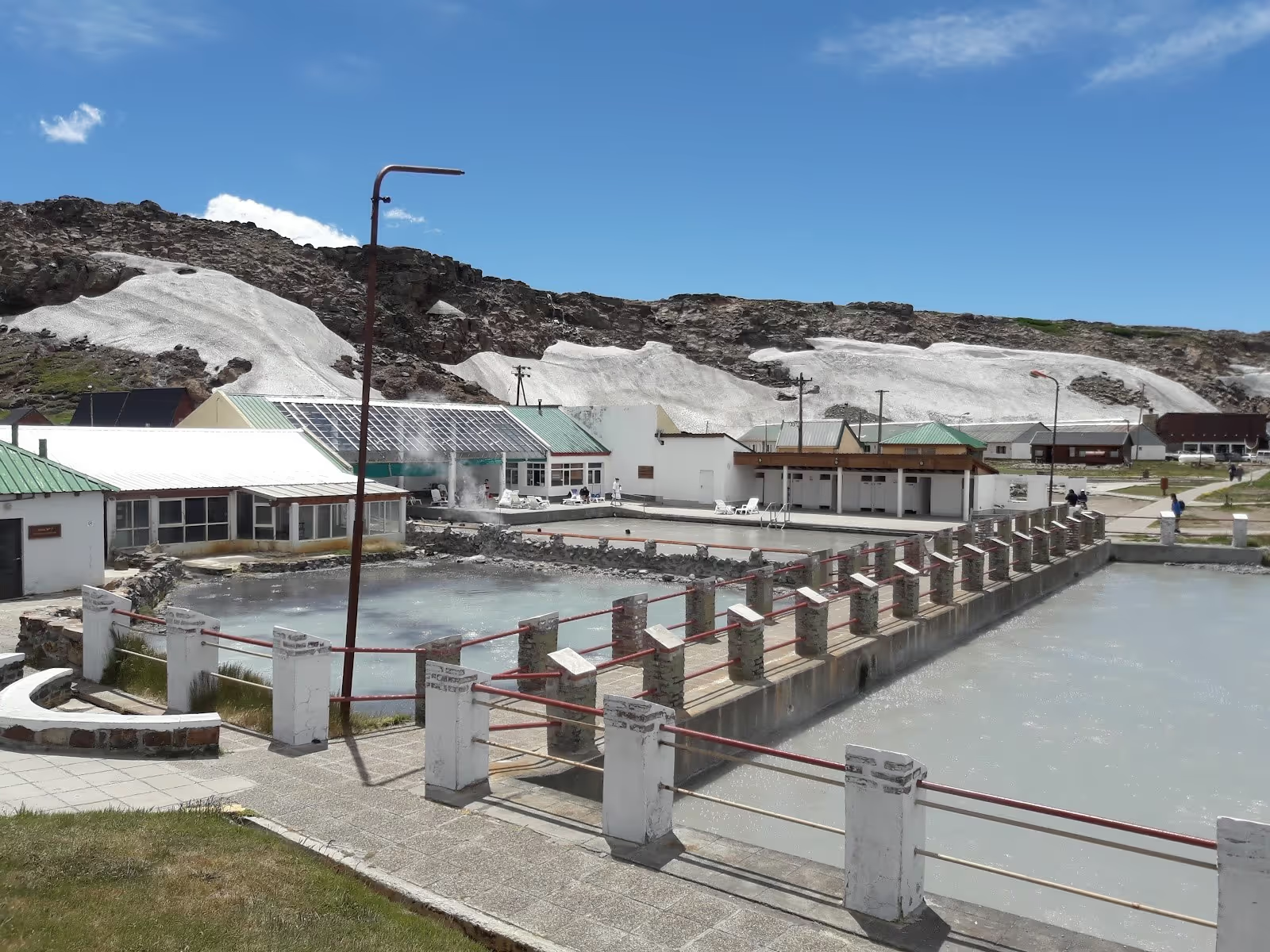
Termas de Copahue, Argentina is a paid provincial therapeutic thermal complex administered by Termas del Neuquen, located at the foot of the active Copahue Volcano in the northwest of Neuquen province, about 19 kilometres from the town of Caviahue. The complex sits at approximately 1,980 metres above sea level within the Parque Provincial Copahue and operates only during the summer season from roughly December to April each year, when the road becomes passable. Outside this window, the village of Copahue can be buried under several metres of snow.
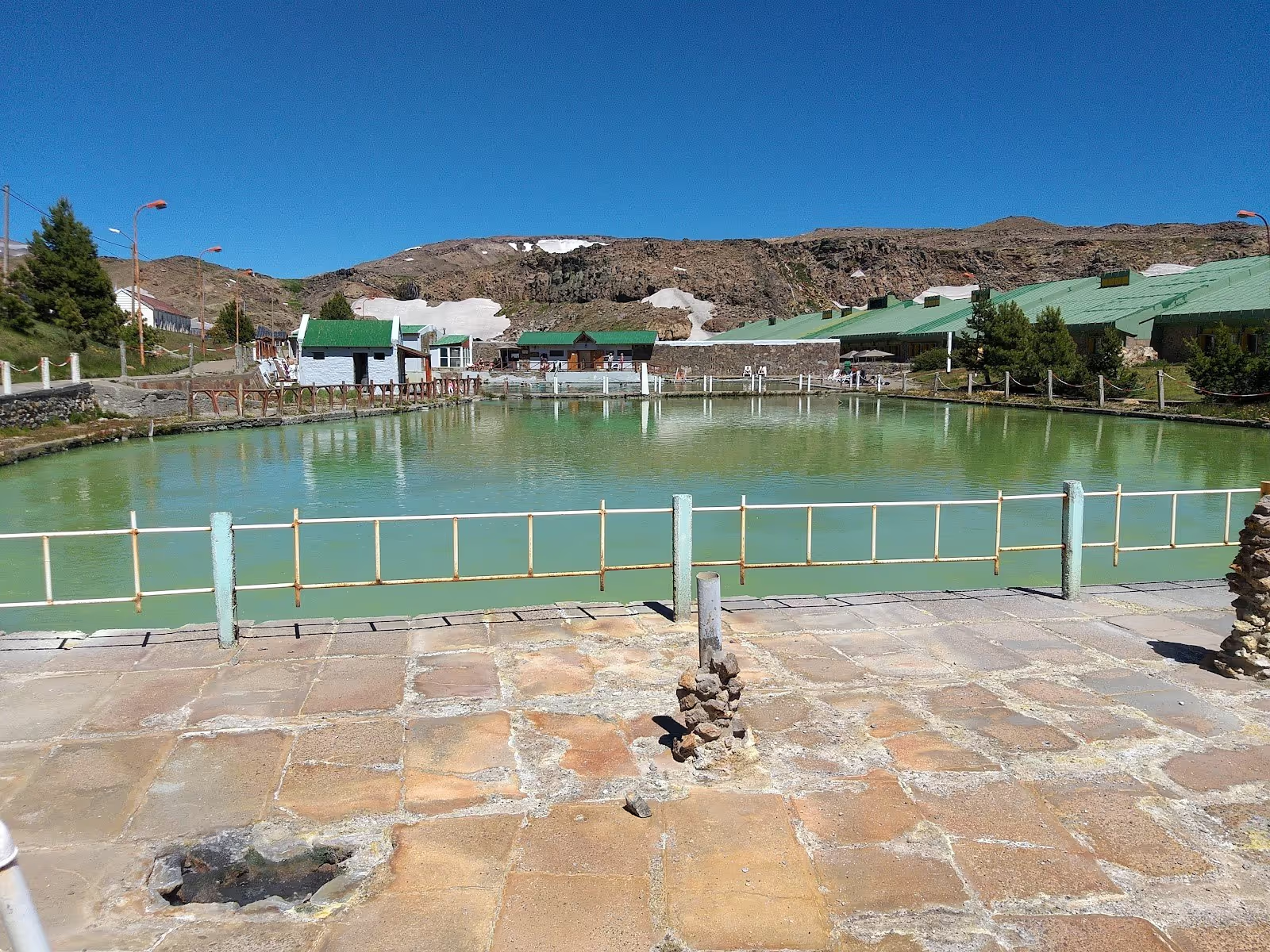
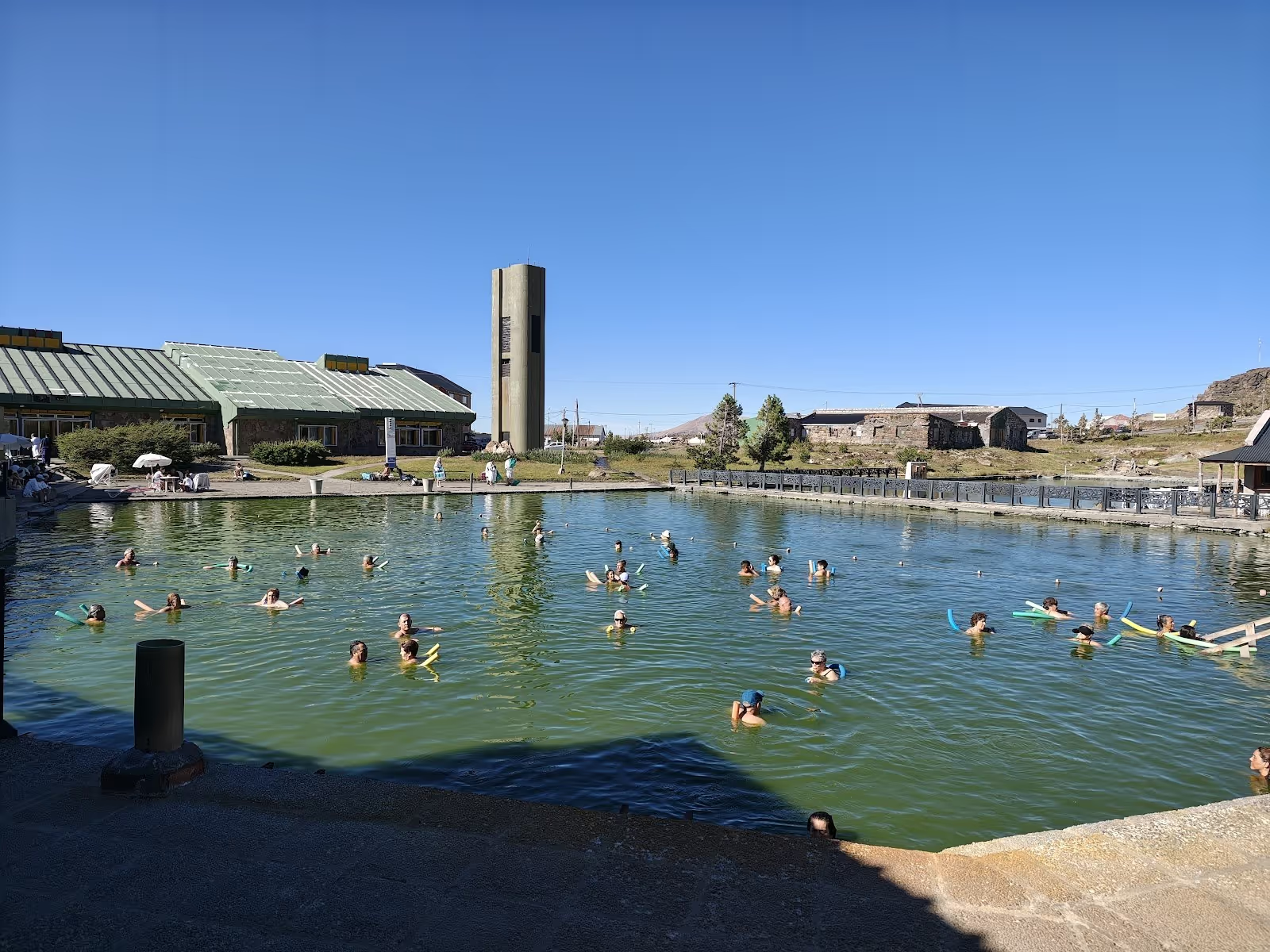
The thermal resources here are of volcanic origin and are unusually diverse. They include sulfurous-ferrous mineral pools, the Laguna Verde, a green lake coloured by thermophilic algae used in dermatological and immersion treatments, the Laguna del Chancho providing grey sulfurous mud for fango therapy, and natural steam vents and fumaroles integrated into the therapeutic programme. Making Copahue distinctive among hot springs in Argentina is the medical structure of its operation: all programs are prescribed by doctors, physiotherapists and dermatologists. Visitors must complete a health declaration before entering the pools, and immersion sessions are supervised throughout.
Location & Access
Getting to Termas de Copahue
Termas de Copahue is reached by travelling first to Caviahue and then covering the 19 kilometres to Copahue along Ruta Provincial 26, which includes a gravel section that requires careful driving after rain. The journey from Caviahue takes around 20 minutes. From Neuquen city the total distance is approximately 380 kilometres, a drive of around four hours via Ruta Nacional 22 through Zapala and then Ruta Provincial 26 to Caviahue.
Bus services connect Neuquen city to Caviahue and Copahue through the Conosur company, with a seasonal direct thermal bus operating during the December to April window. Flights arrive at Neuquen city airport, approximately 380 kilometres away, where transfer services to Caviahue are available. The road from Zapala to Caviahue is fully paved; the Caviahue to Copahue section is gravel. Snow chains are strongly recommended for any vehicle visiting this area, as snowfall can occur even in summer months at this altitude. Mobile signal along the route is limited in places, so downloading offline maps before departure is advisable. For visitors researching hot springs near Caviahue, Copahue is the only volcanic therapeutic complex of this type in the region and has no comparable alternative within the surrounding area.
Suitability & Accessibility
Who Termas de Copahue Suits
Termas de Copahue suits visitors seeking a medically supervised therapeutic thermal experience rather than recreational soaking, as all programs are prescribed and supervised by on-site medical professionals. Visitors with chronic rheumatic, dermatological, and respiratory conditions are the primary group the complex is designed to serve, and the range of treatment modalities here is not available at conventional thermal parks elsewhere in Argentina.
The complex is not oriented toward families with young children as a recreational destination. The medical structure, volcanic terrain, high altitude, and short operating season make this a specialist wellness destination. Visitors looking for aguas termales in Argentina in a recreational setting would find Entre Rios or Mendoza better suited. The terrain is uneven volcanic ground and the site has no wheelchair accessibility infrastructure. Visitors with mobility limitations should make specific enquiries before planning a trip to this location.
Within the December to April season, accommodation in Copahue village includes several hotels and cabins directly in the thermal area. The nearby town of Caviahue, 19 kilometres away, provides additional lodging and is a year-round destination with its own ski facilities in winter. Visitors planning a therapeutic stay are advised to contact the provincial complex directly to discuss which programs apply to their specific health situation, and to confirm availability before travelling.
Safety & Etiquette
Termas de Copahue Safety Tips
Termas de Copahue operates under formal medical protocols. All visitors must complete a health declaration before entering any pool. A mandatory rest of three hours is required between thermal baths. Visitors must notify the attendant before entering the Laguna del Chancho or Laguna Verde. These are operating rules of the provincial complex, not optional recommendations.
The water is strongly sulfurous and will damage swimwear. Using older garments is strongly recommended. Daily showering with fresh water to rinse sulfur from skin and hair is also recommended, as prolonged sulfur contact can irritate skin. Visitors should stay well hydrated throughout the day, as the mineral waters have a dehydrating effect. Alcohol and heavy meals should be avoided before immersion.
At around 1,980 metres elevation, visitors arriving from sea level should allow time to acclimatise before beginning thermal programs. Visitors with hypertension must follow the diet prescribed on site. Those with cardiac conditions or oncological diagnoses should consult their regular physician before travelling. The provincial complex specifically advises caution for these groups. Sun exposure between 11:00 and 16:00 should be avoided given the altitude. Natural fumaroles, boiling mud pools, and steam vents exist near the complex and are not bathing areas. The Laguna Sulfurosa, one of the nearby volcanic lakes, exceeds 70 degrees Celsius and must not be entered. The road between Caviahue and Copahue is gravel; snow chains should always be carried in the vehicle regardless of season.