Quick FactsOverview
About Banjar Hot Springs
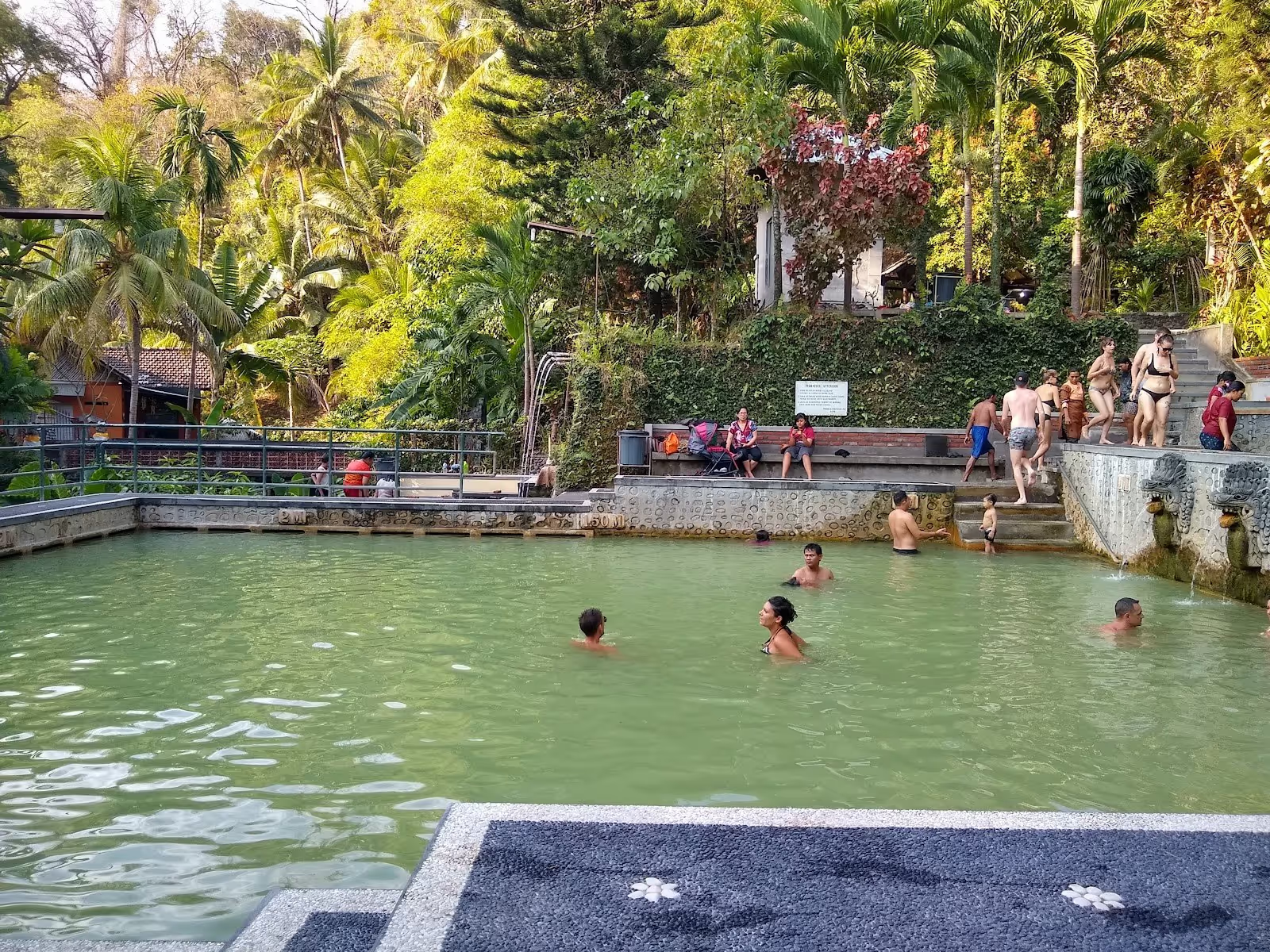
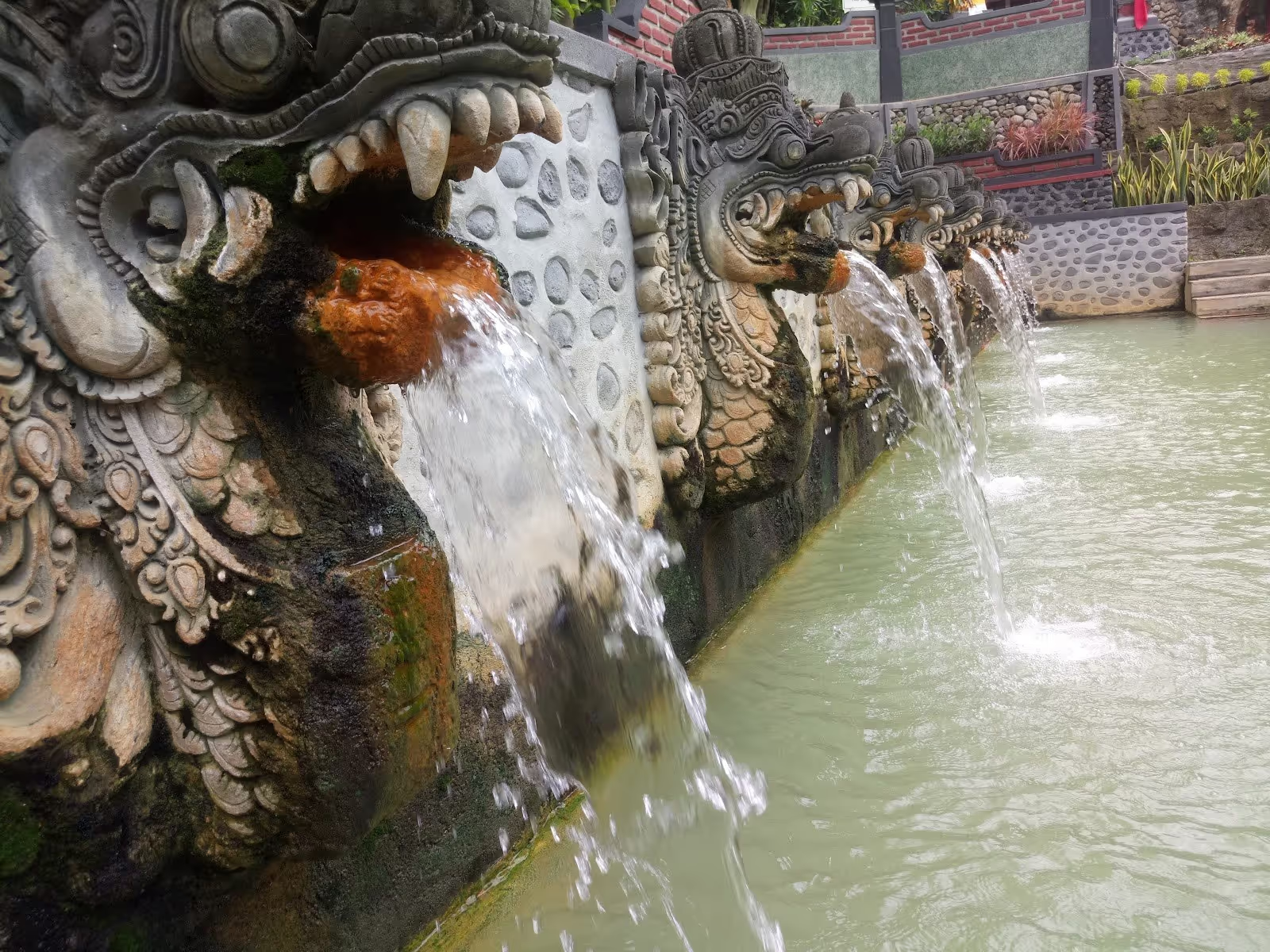
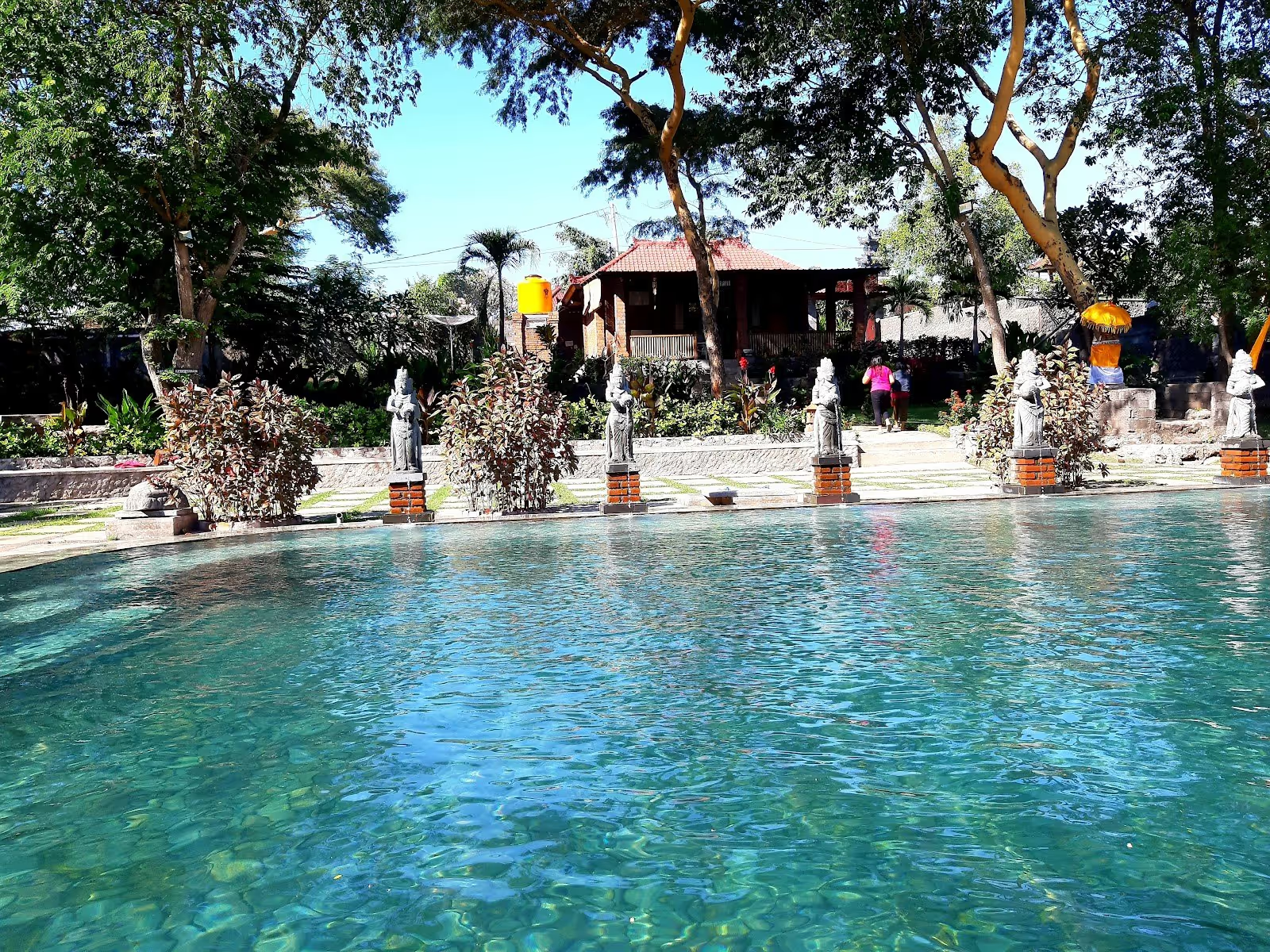
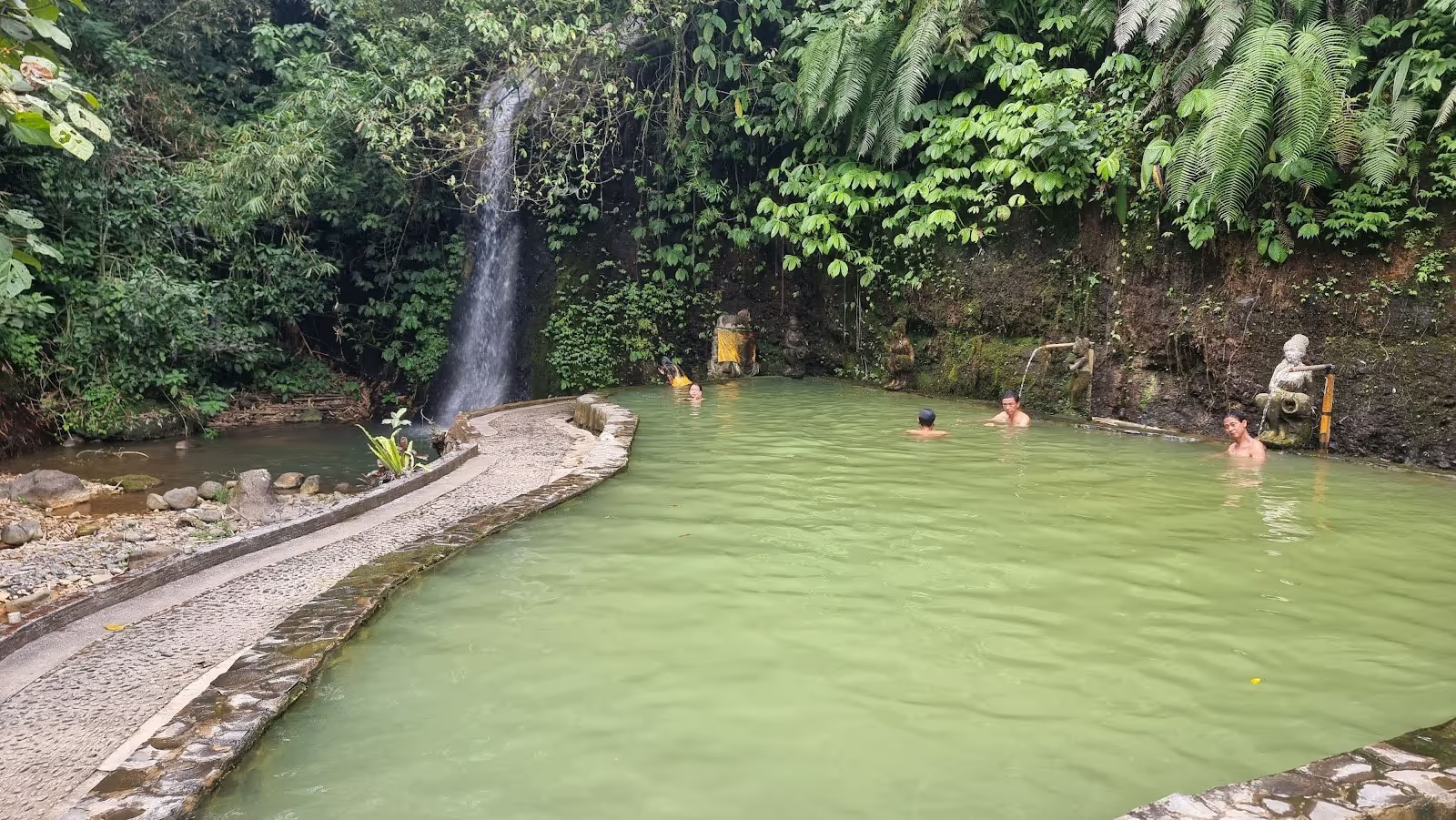
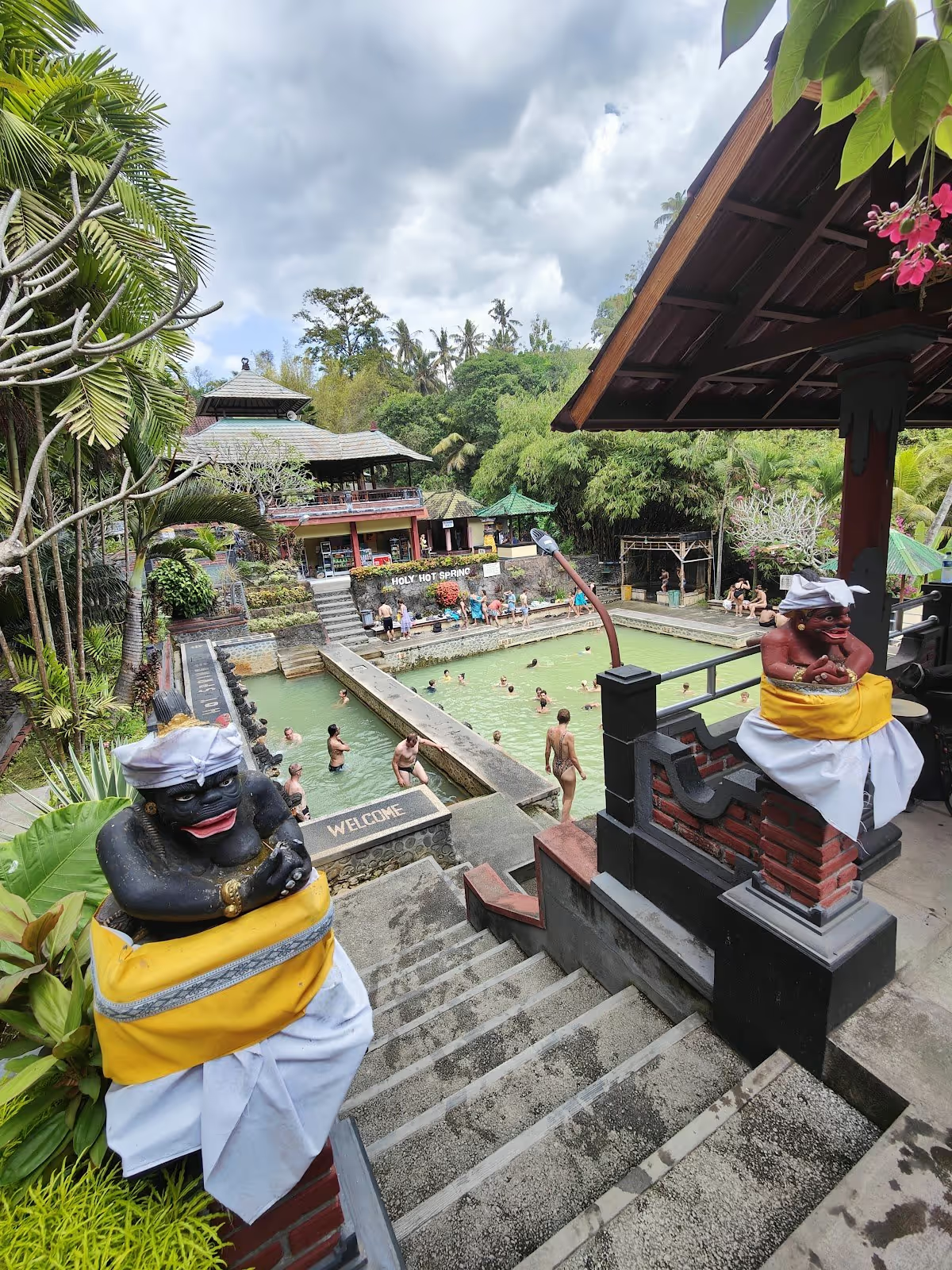
Banjar Hot Springs, Bali, Indonesia, locally known as Air Panas Banjar, are tiered geothermal pools in the hills of North Bali, approximately 5 km southwest of Lovina in Buleleng Regency. The complex has three pools at different levels set in a manicured tropical garden with traditional Balinese stonework. The top pool is the smallest and warmest, fed by dragon-head stone spouts and fitted with a shallow stone bench. The central pool is the largest, one to two metres deep, and is the main swimming area. A third pool at the lowest level has multiple water spout structures providing a natural massage effect. The water has a sulphur content of approximately 26 percent and runs at around 38 degrees Celsius, giving it a mild egg-like smell and a milky green tint from mineral content.
The hot springs have been used for centuries and are believed locally to have therapeutic properties for skin conditions and rheumatic ailments. The current infrastructure was further developed during the Japanese occupation of Indonesia in the 1940s. A restaurant, massage and spa services, changing rooms, and souvenir vendors at the entrance complete the facilities. The springs are a popular day trip from Lovina and pair well with the Brahmavihara Arama Buddhist monastery around 1.5 km to the east.
Location & Access
Getting to Banjar Hot Springs
Banjar Hot Springs is at Jalan Banjar, Banjar, Buleleng Regency, Bali 81152, approximately 5 km southwest of Lovina Beach and around 19 km from Singaraja. From Lovina, the drive takes around 20 minutes heading inland from the main north coast road. From Ubud or Denpasar, the journey is approximately two and a half to three hours by car. A private car and driver is the most practical option as no reliable ride-hailing pickup is available from the springs after your visit; arrange for your driver to wait or fix a return pickup time before entering. Motorcycles are available to rent in Lovina and can be parked closer to the pool entrance than cars, via a separate lot past the souvenir stalls.
Opening hours are approximately 08:30 to 17:30 daily. The springs close on Nyepi. Entry is approximately 45,000 IDR for foreign visitors and 15,000 IDR for Indonesian nationals; confirm fees at the ticket booth on arrival. Cash only; visit an ATM before arriving as there is no ATM at the site. After paying, walk through a short row of souvenir vendors before reaching the pool gate. Lockers and toilet use carry separate fees. Towels are available to buy from entrance vendors but are not rented by the facility itself.
Suitability & Accessibility
Who Banjar Hot Springs Suits
Banjar Hot Springs suits travelers visiting North Bali who want an established, well-facilitated geothermal bathing stop in a lush tropical garden with traditional Balinese stone architecture. It works well as part of a North Bali day combining Lovina dolphin watching, the nearby Buddhist monastery, and waterfall visits such as Gitgit or Aling-Aling. The tiered pool layout gives the complex more visual interest than a single pool, and the massage spouts at the lower level appeal to visitors wanting a physical water therapy effect.
Families are welcome; the top pool is shallow enough for children, and the grounds are spacious and easy to navigate. The site can become crowded during midday, on weekends, and during Indonesian public holidays; arriving before 10:00 gives the best chance of quieter pools. The complex is popular with Indonesian families as well as international tourists, giving it a lively local atmosphere even when busy.
Wheelchair access is not documented for Banjar Hot Springs. The complex is tiered across multiple levels connected by steps and sloping paths, and no confirmed step-free access to the pools has been noted. Visitors with mobility requirements should contact the facility before visiting. Do not wear white swimwear as the sulphur water will stain fabric yellow.
Safety & Etiquette
Banjar Hot Springs Safety Tips
Banjar Hot Springs is generally safe as a managed facility with staff on site during opening hours. The main safety considerations are the sulphur-rich water, slippery pool surfaces from algae and mineral deposits, the tiered steps between pools, and the moderate heat of the top pool. No formal lifeguard supervision is confirmed at the pools themselves.
The water temperature is around 38 degrees Celsius, comfortable for most adults in extended sessions. Sulphur at 26 percent gives the water its therapeutic reputation but also a mild smell and a slightly slimy texture on pool surfaces; move carefully on pool steps and edges, especially when entering or exiting. The pool floor and walls accumulate mineral deposits and algae that make surfaces slippery throughout. Wear dark swimwear as sulphur will stain white or light-coloured fabric yellow. Do not open your eyes underwater. The spout pools provide a strong water flow; stand under these only briefly at first to test comfort before settling in for longer.
Arrive before 10:00 to avoid peak crowds, particularly at weekends and Indonesian public holidays when the pools can become very busy. Secure valuables in a locker as the facility is busy and unattended bags are a theft risk. Cash is the only payment accepted; visit an ATM before arriving as there is no ATM at the site. The nearest medical services are in Singaraja, approximately 19 km and 30 minutes away. The springs are closed for Nyepi; if travelling from South Bali, which takes two and a half to three hours, confirm the facility is open on the day you plan to visit.