Quick FactsOverview
About Cypress Springs, Florida
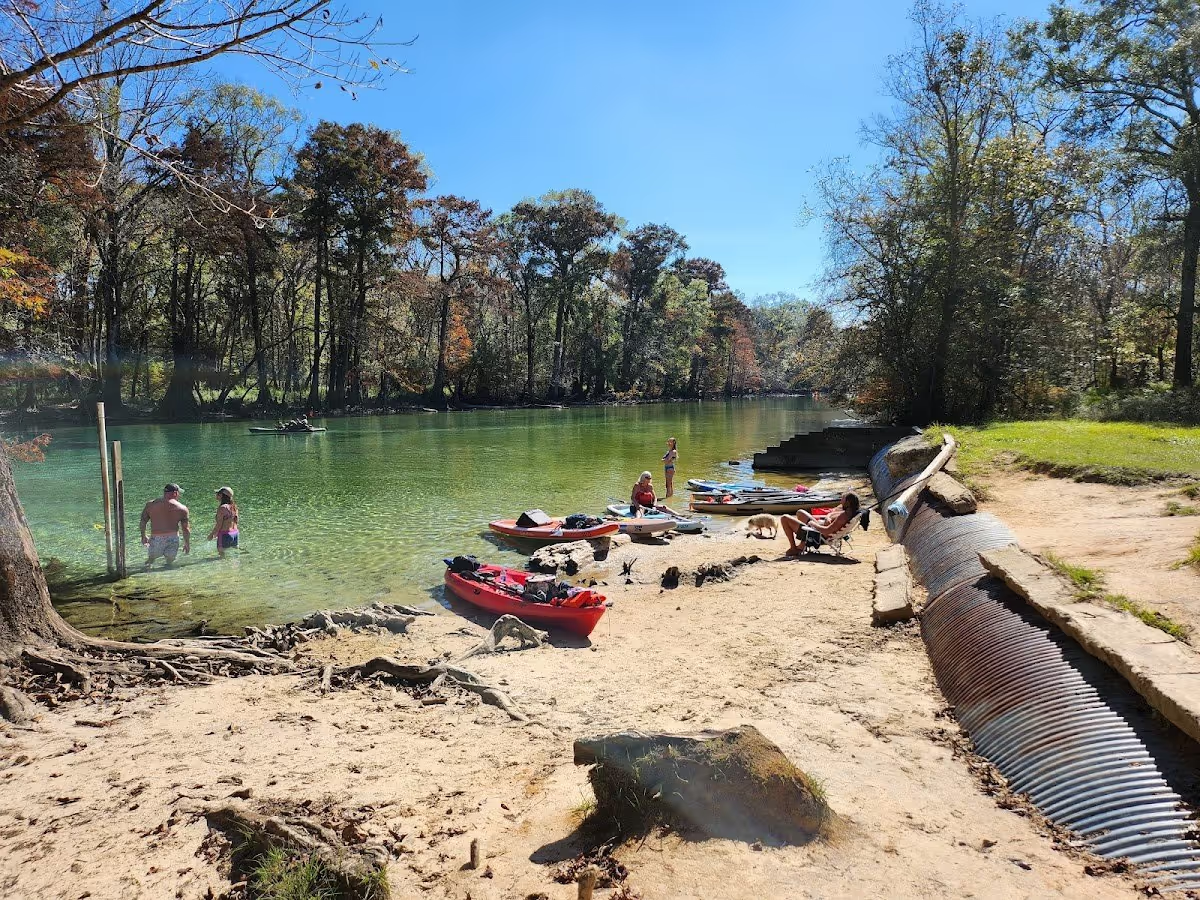
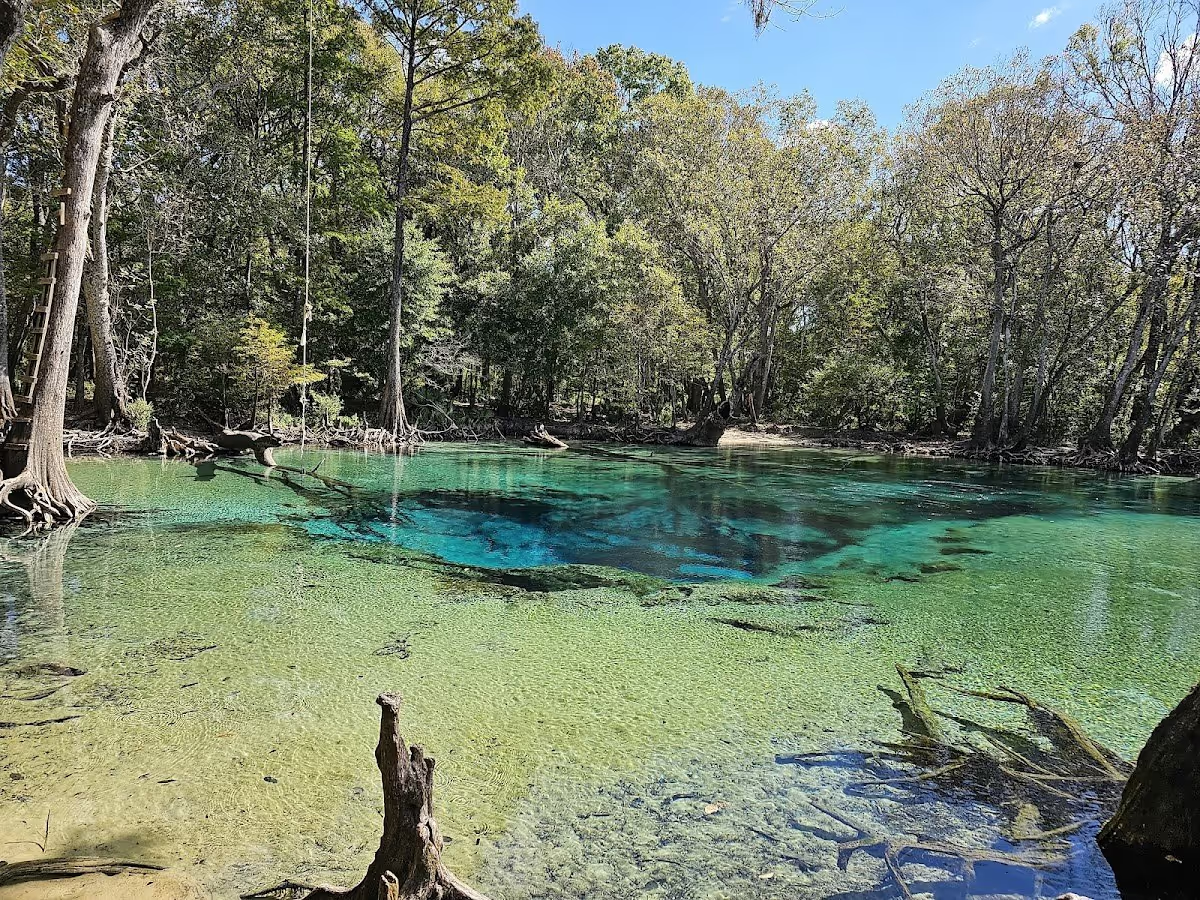
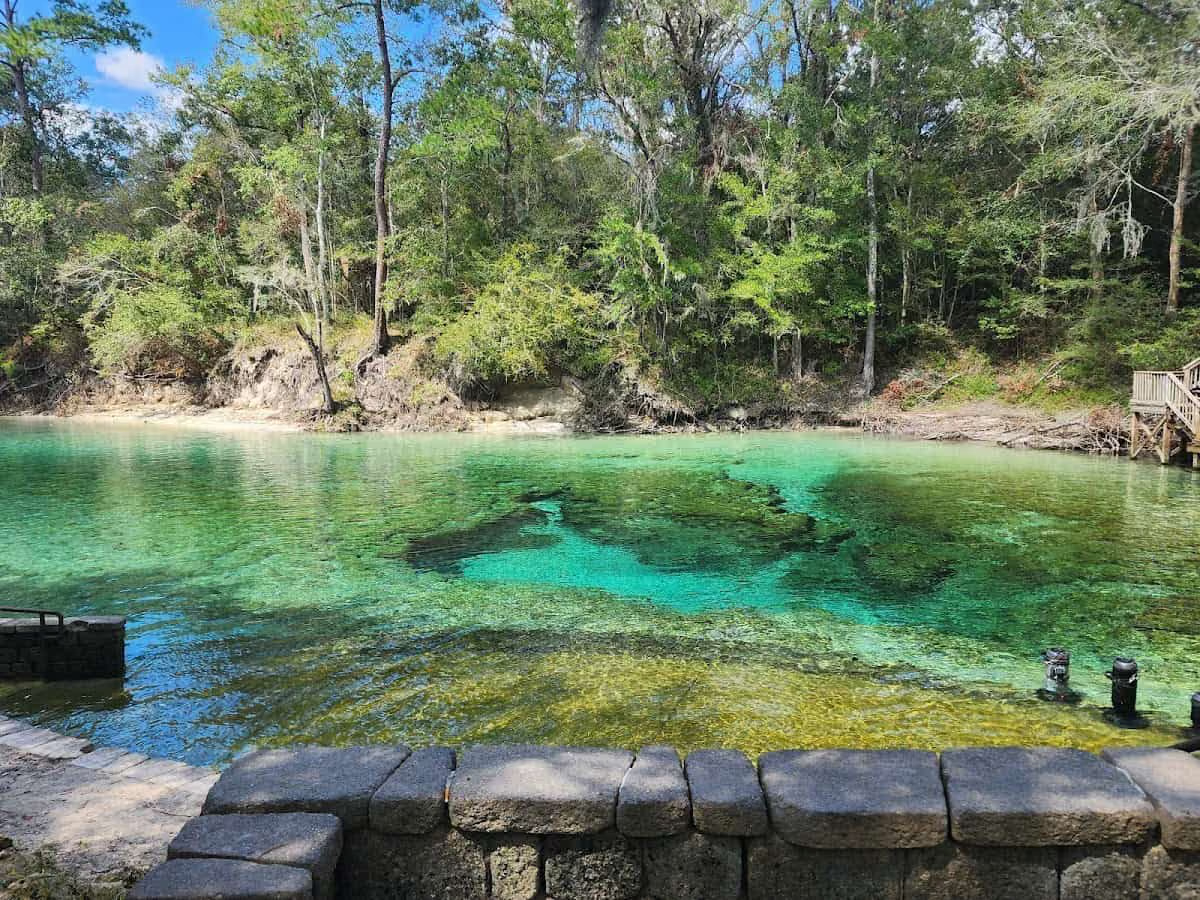
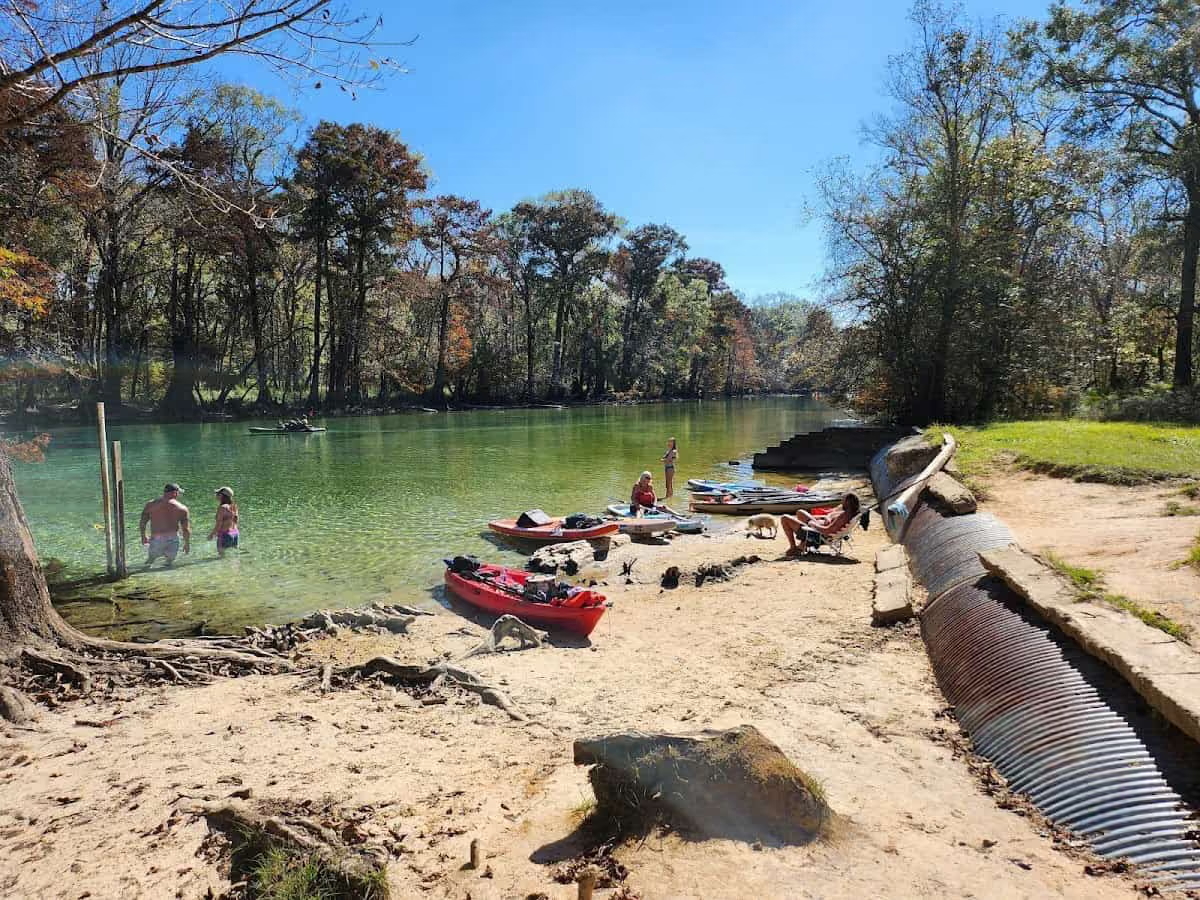
Cypress Springs, Florida is a natural freshwater spring on private land along Holmes Creek in Washington County, approximately 3.5 miles northeast of Vernon in the Florida Panhandle. It is a second-magnitude spring with a discharge of around 65 million gallons of water per day, forming a roughly circular basin about 150 feet wide and up to 29 feet deep. The spring is accessible only by water, reached by paddling Holmes Creek, a state-designated canoe trail.
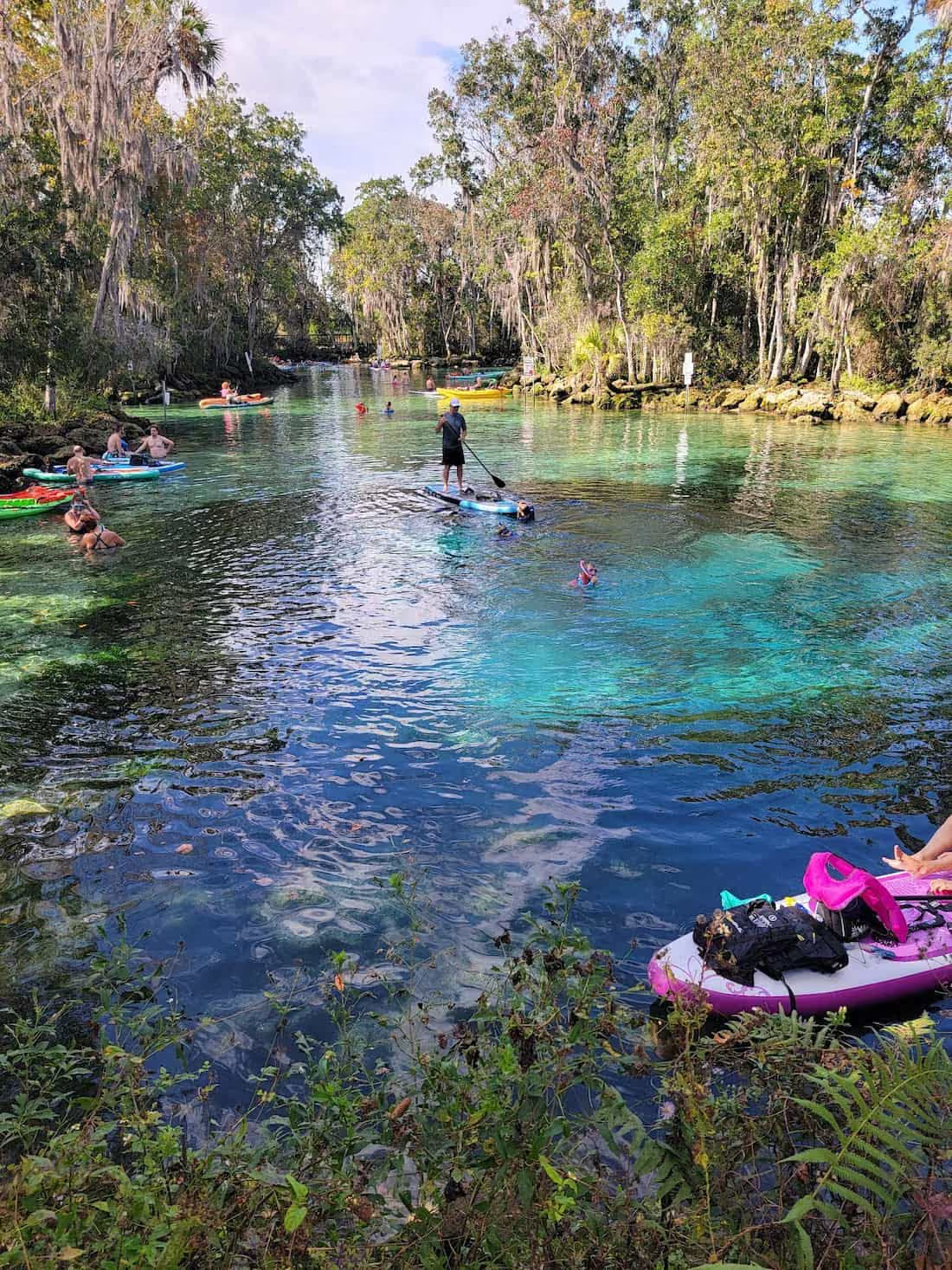
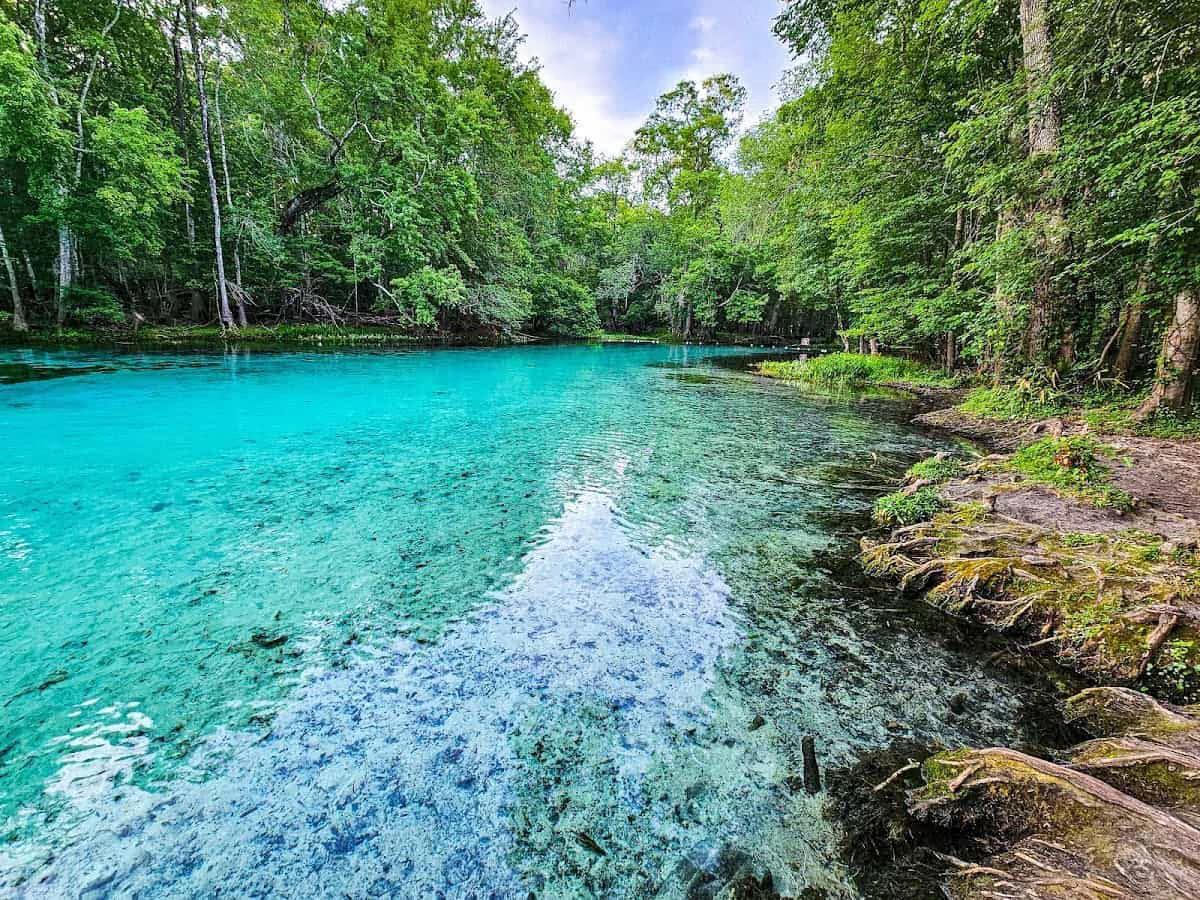
The spring sits within a forested floodplain dominated by bald cypress and water tupelo trees that provide a canopy over the basin. The water temperature remains around 68 to 70 degrees Fahrenheit year-round with exceptional clarity, showing color gradations from light blue and green at the edges to deep cobalt over the vent. A rope swing is present at the spring, and the site is popular for swimming, snorkeling, free diving, and cave diving for certified divers. The cave system beneath the spring reaches documented depths of at least 65 feet.
Holmes Creek is one of the clearest spring-fed streams in the Florida Panhandle, with multiple springs feeding the creek along its length. Panama City is approximately 35 to 45 minutes south, and the spring draws day-trippers from across the Panhandle including Destin and the 30A corridor.
Location & Access
Getting to Cypress Springs
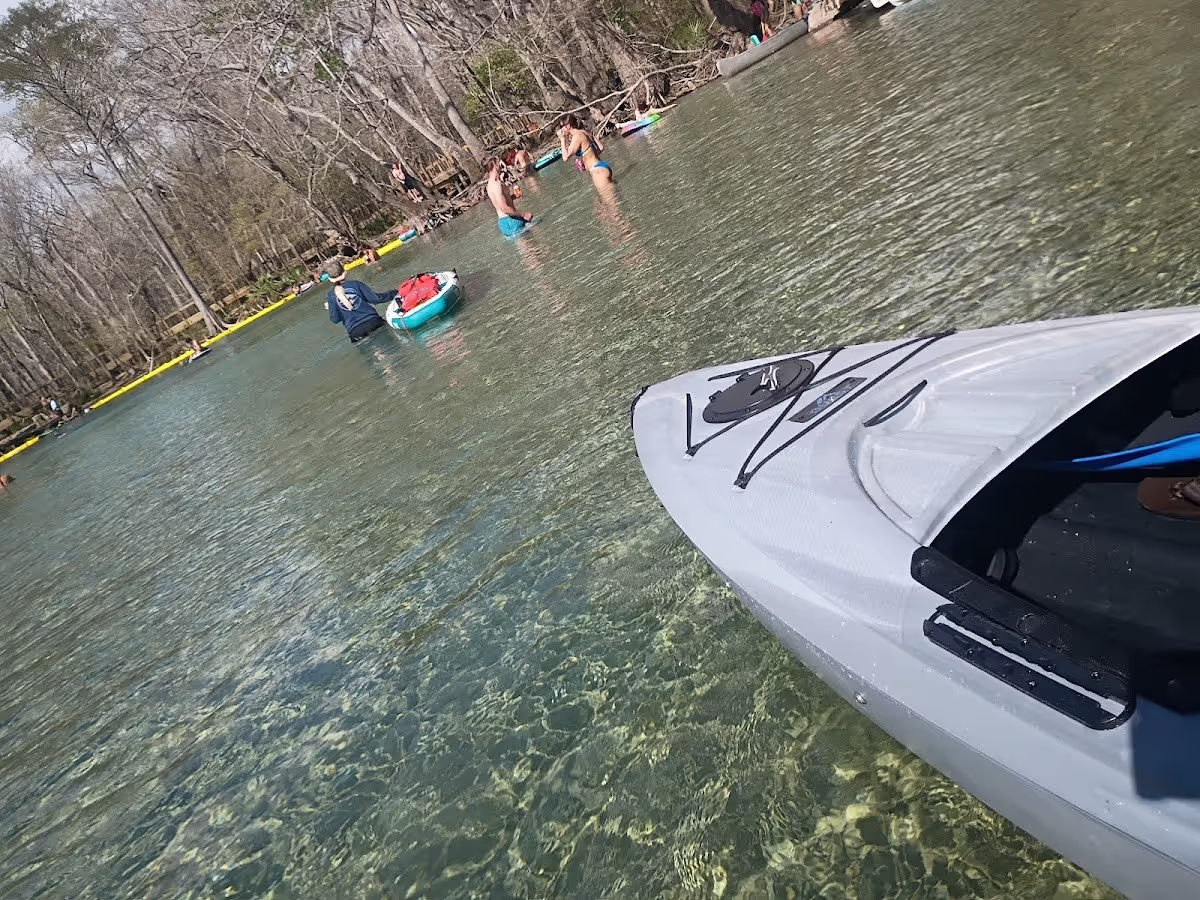
Cypress Springs is accessible only by water, as the spring sits on private property with no public land access. The standard approach is to launch a kayak, canoe, or paddleboard at a Holmes Creek public landing and paddle to the spring. Cotton Landing and Culpepper Landing are the two closest put-in points, both within about half a mile of the spring run entrance on Holmes Creek.
Cotton Landing, roughly 3 miles north of Vernon off County Road 277, has an ADA-accessible boardwalk, covered picnic pavilion, and parking. Culpepper Landing is at 3081 Culpepper Lane, Vernon FL 32462, and is similarly well used by local paddlers. From the Culpepper ramp, the spring run enters Holmes Creek from the northwest approximately 0.5 miles upstream. Multiple outfitters including Holmes Creek Canoe Livery and Cypress Springs Adventures offer rentals and shuttle services, allowing a one-way downstream trip rather than paddling back upstream.
To reach Vernon from Panama City Beach, follow US 79 north for approximately 35 miles. From Destin or 30A the drive is around 60 to 65 miles, taking just under an hour via US 98 west then US 79 north. Cell coverage in the area is limited, so downloading offline maps before leaving is advisable. For those seeking natural springs in Florida near the Panhandle, Cypress Springs is among the most visited and most scenic options in the region.
Suitability & Accessibility
Who Cypress Springs Suits
Cypress Springs suits paddlers, swimmers, snorkelers, and divers comfortable reaching a remote natural spring entirely by water, as land access is not available and all visitors must arrive by kayak, canoe, paddleboard, or small motorboat. The paddling distance is manageable for most people in reasonable physical condition, ranging from half a mile to around three miles depending on the chosen launch point.
Families with older children who are confident in the water will find the spring rewarding, and the rope swing and crystal-clear water make for a memorable outing. Most local outfitters do not permit children under age 2 on rental watercraft, and all children in the water should be closely supervised given the spring's depth and the cave system present below. The site is not suitable for non-swimmers or visitors without basic water confidence unless they stay in entry-level shallow areas and wear flotation devices throughout.
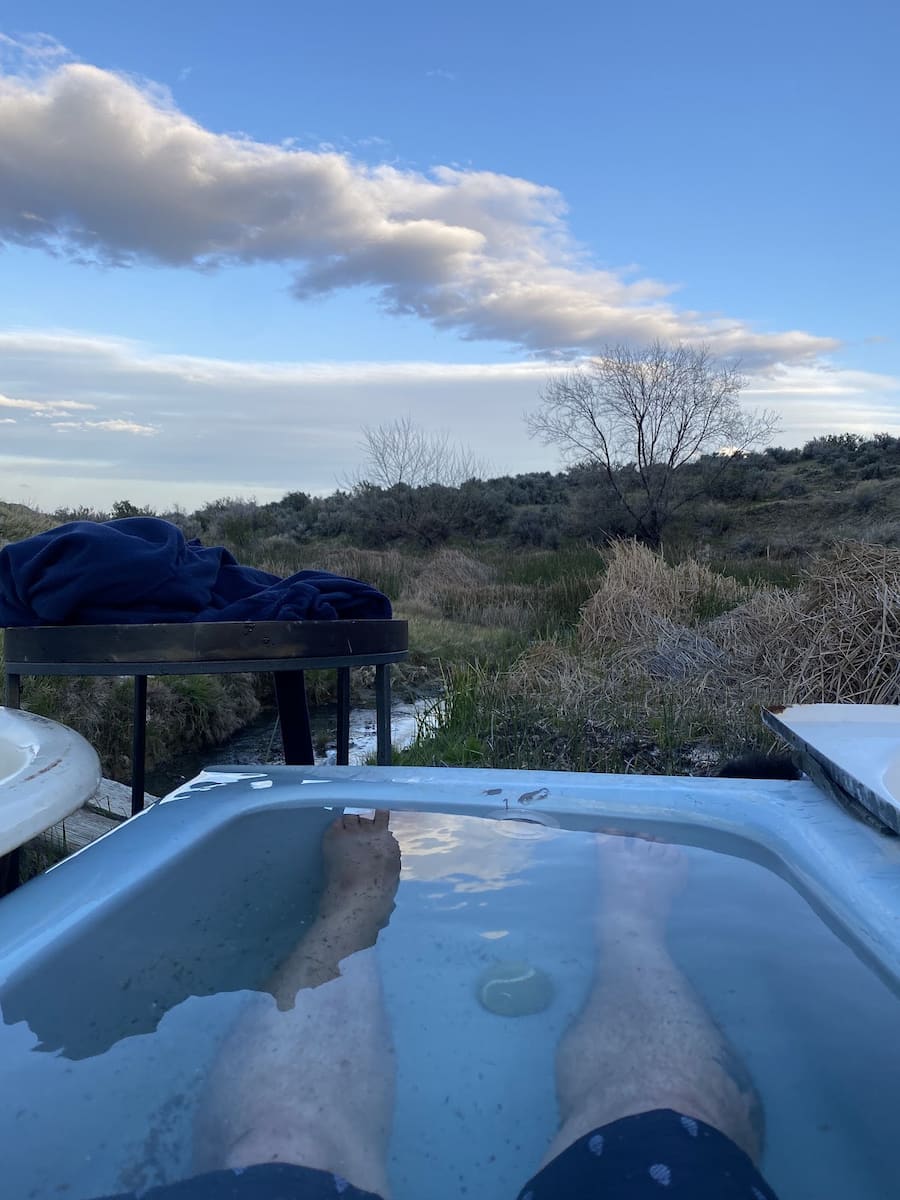
For those looking for free hot springs in Florida with a wild, undeveloped character, Cypress Springs offers a very different experience from managed state park springs. There are no facilities at the spring; no toilets, food, or shade structures are present on site. Visitors must bring everything for the day including water, food, sunscreen, and any gear. Cave divers should note the documented system reaching at least 65 feet deep; this system is not safe for open-water or recreational divers and requires specialist cave diving certification. The site can become crowded on summer weekends, with weekday visits being far more peaceful.
Safety & Etiquette
Cypress Springs Safety Tips
Cypress Springs is a remote natural site with no on-site safety infrastructure, and visitors should plan accordingly given the spring's depth, the presence of a cave system, and the absence of emergency services in the immediate area. No lifeguard is present, and the spring and cave system should never be entered by untrained or non-certified divers. The documented cave system reaches at least 65 feet and presents serious risk to anyone without cave diving certification and dedicated equipment.
All visitors should wear personal flotation devices on Holmes Creek during the paddle to and from the spring. The creek current is generally mild, but narrow passages and submerged obstacles exist, particularly after heavy rain. Cell phone coverage in the area is limited and emergency response times are long. Telling someone your planned route and expected return before launching is a basic precaution that should not be skipped.
The spring water temperature of 68 to 70 degrees Fahrenheit is cool enough to cause hypothermia with extended immersion, especially in children or lean individuals. Regular breaks out of the water are important on long visits. Florida wildlife in the Holmes Creek floodplain includes alligators, water moccasins, and snapping turtles; visitors should stay alert and keep children away from shallow bank edges outside the swimming zone.
The spring sits on private land accessible via the public waterway. Visitors should not land on private bank areas beyond the spring itself. Water clarity can be reduced after heavy rainfall; a quick check with a local outfitter before launching is worthwhile. Bring a dry bag for valuables, carry more water than you think you need, and wear water shoes for the spring entry.