Quick FactsOverview
About Dalhousie Springs
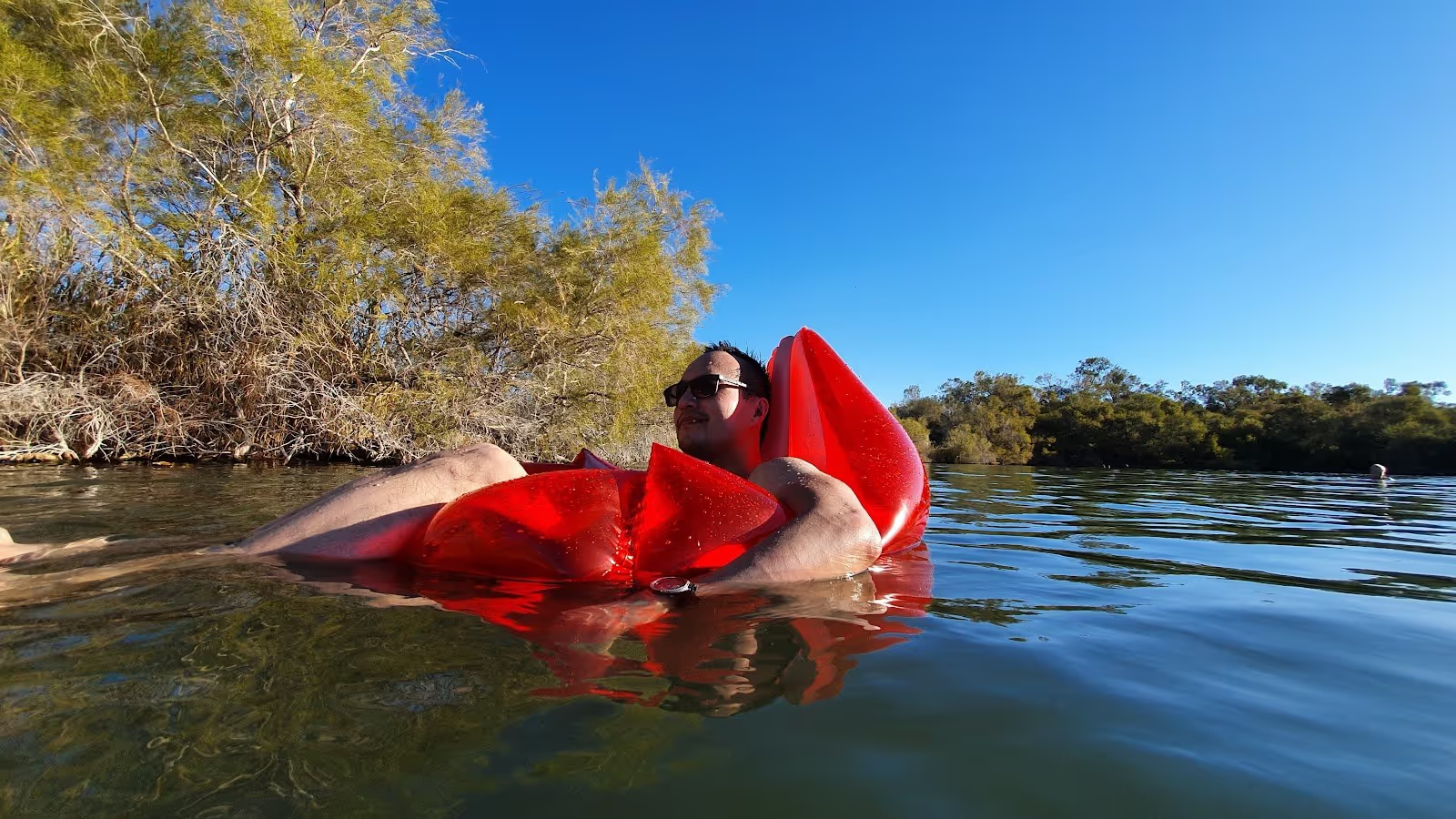
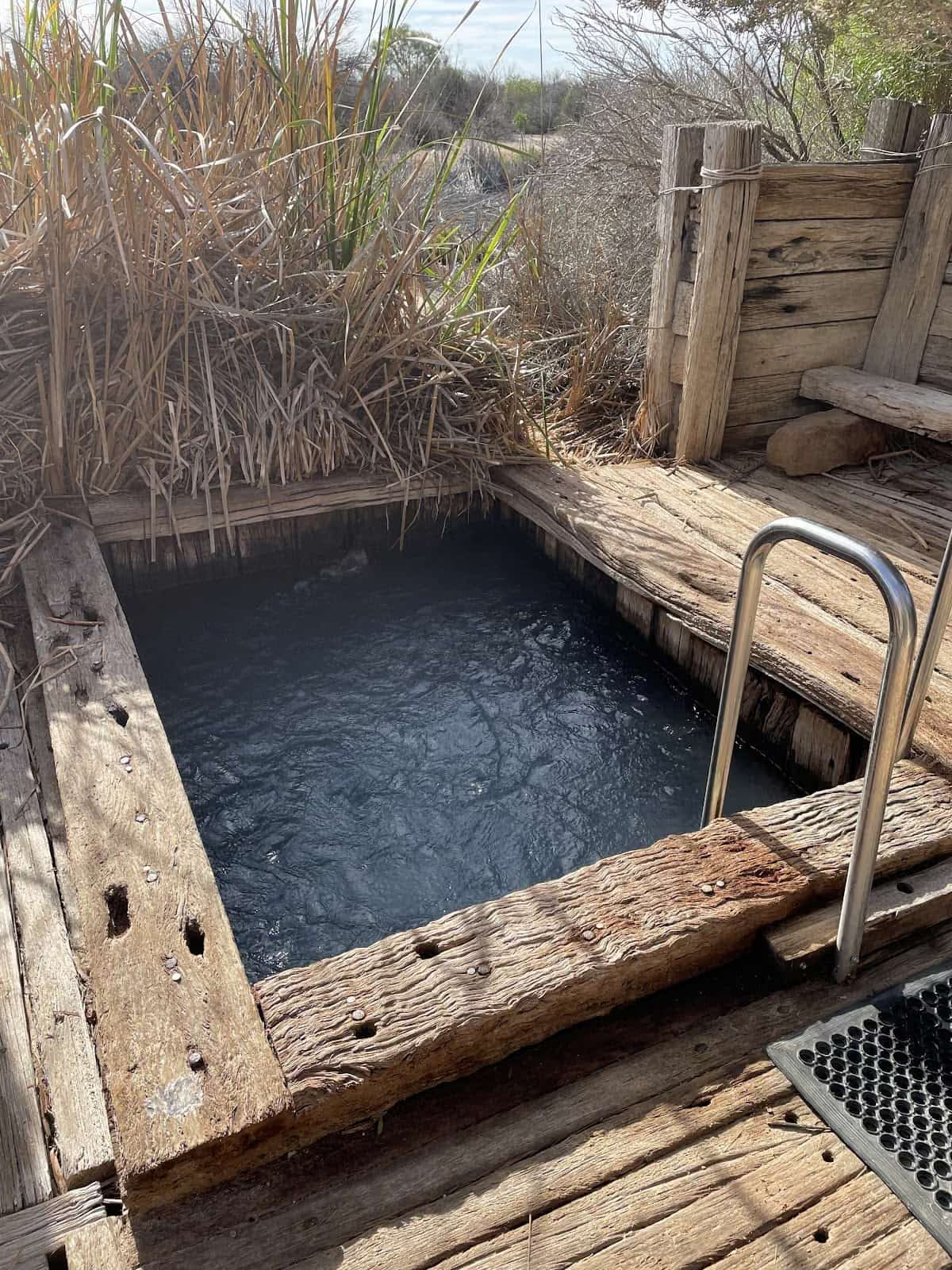
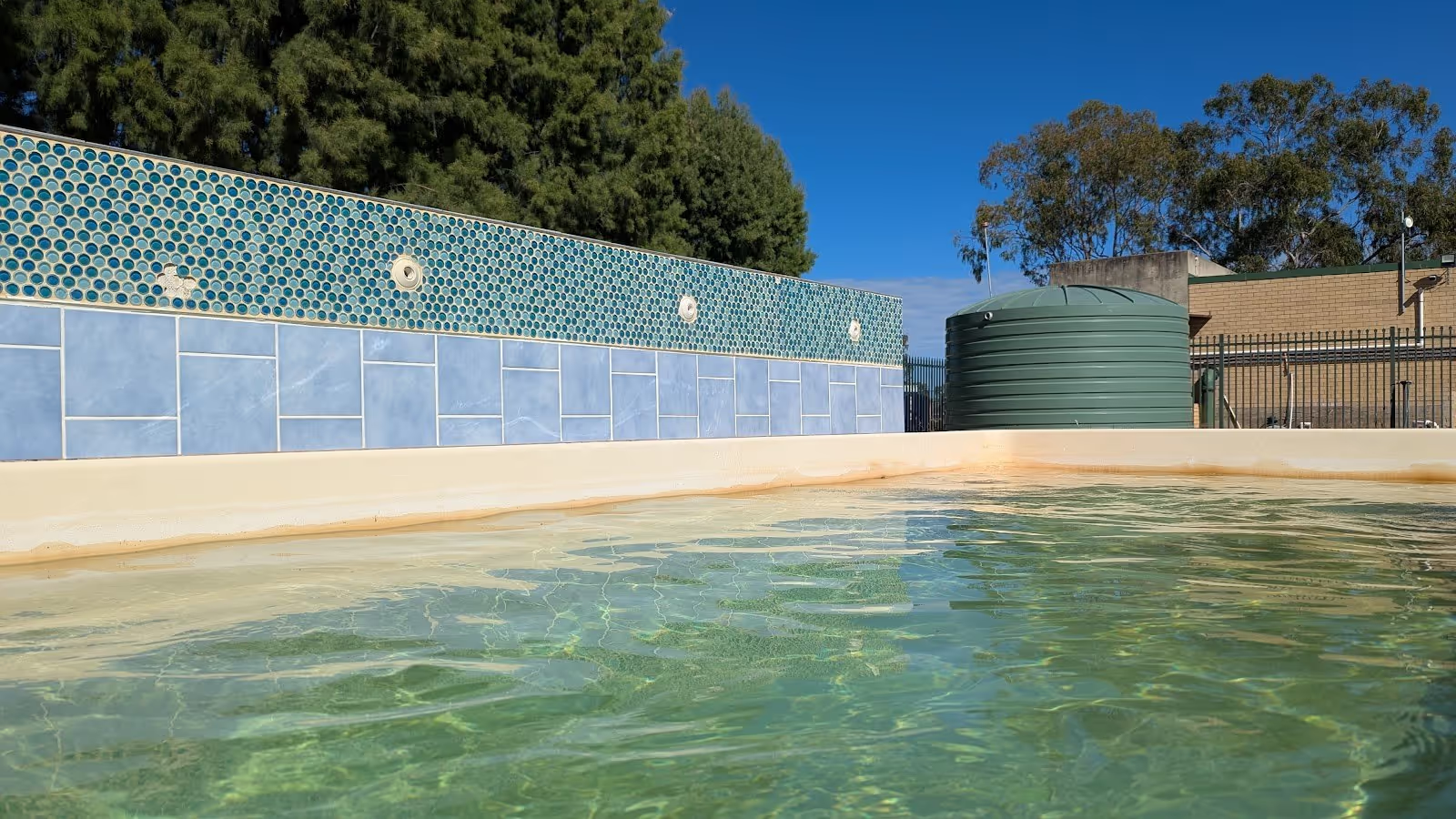
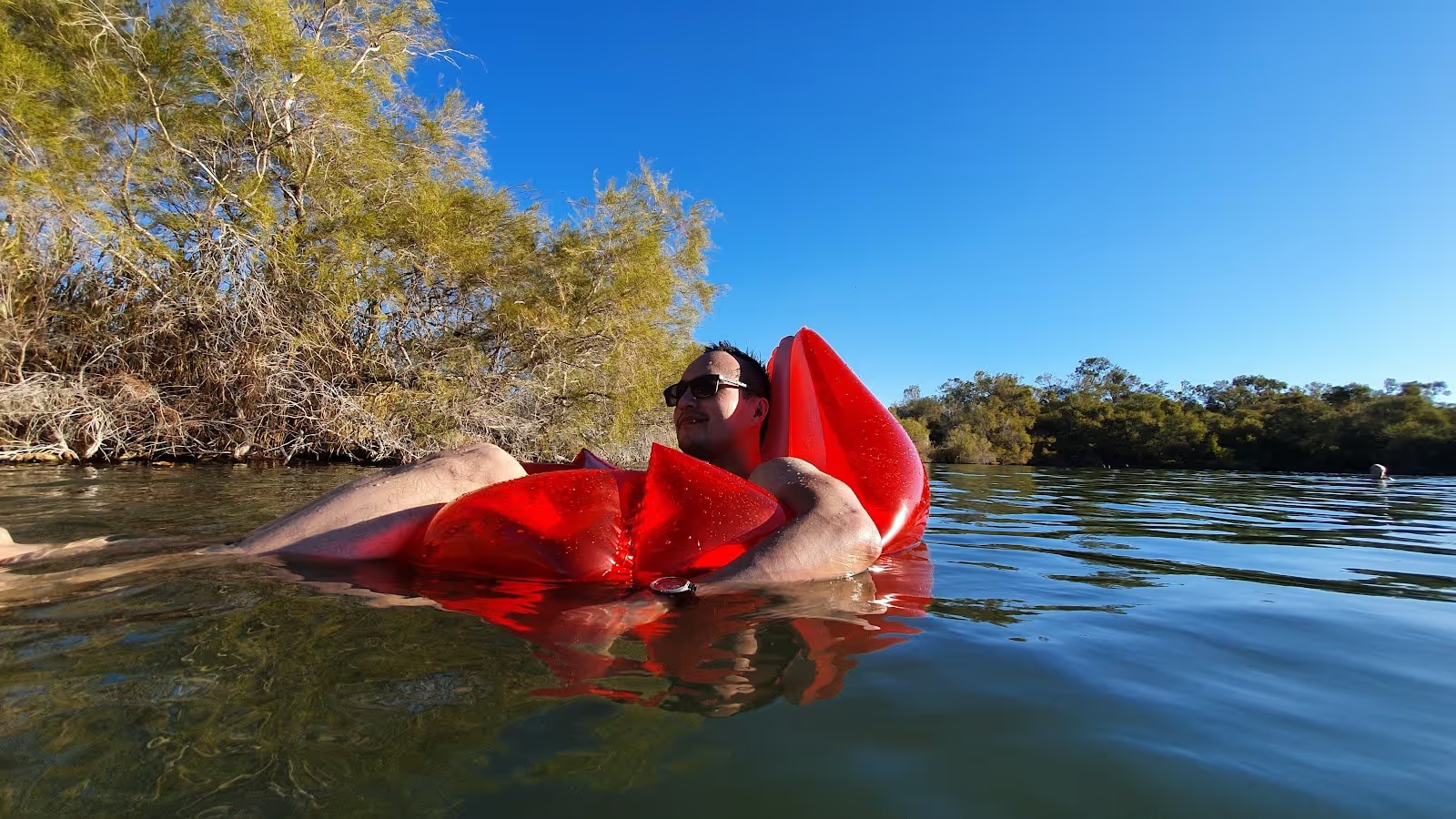
Dalhousie Springs, Australia is a National Heritage-listed mound spring complex in Witjira National Park on the western edge of the Simpson Desert in far north South Australia, approximately 180 kilometres northeast of Oodnadatta. The main swimming pool reaches 37 to 43 degrees Celsius and is fed by the Great Artesian Basin. Access requires a 4WD vehicle, an SA Desert Parks Pass, and advance planning. The springs are sacred to the Lower Southern Arrernte and Wangkangurru Aboriginal people, known as Irrwanyere.
Witjira National Park contains more than 120 mound springs, of which Dalhousie is the most visited and the only one where swimming is permitted. The artesian water rises through fissures in the subterranean rock; the water originally entered the system in the Finke River area in the Northern Territory and is millions of years old. The springs support endemic species found nowhere else, including the Dalhousie hardyhead fish.
The park is co-managed by the Lower Southern Arrernte and Wangkangurru people with the South Australian Department of Environment and Water since 1995. Natural hot springs in Australia of this ecological rarity are uncommon, and Dalhousie is regarded as one of the country most significant outback spring destinations.
Location & Access
Getting to Dalhousie Springs
Dalhousie Springs is reached via dirt and gravel roads in remote outback South Australia, requiring a 4WD vehicle. The most popular approach is from Mount Dare Station, approximately 70 kilometres south of the springs on a corrugated dirt track. Mount Dare is reached via the Oodnadatta Track, with the turnoff approximately 180 kilometres northeast of Oodnadatta. A second approach via the Hamilton access track from the Oodnadatta Track passes through the Pedirka Desert. A third route comes from Birdsville via the QAA Line and French Line tracks, but this route is closed between December 1 and March 15 each year.
Mount Dare Station is the nearest point for fuel, food, accommodation, and mechanical assistance. No services exist at Dalhousie Springs itself beyond the campground facilities. For visitors searching for natural hot springs near Oodnadatta in the remote South Australian outback, Dalhousie Springs is the primary destination in the region and the reason most travellers make the detour from the Oodnadatta Track.
An SA Desert Parks Pass is required to enter Witjira National Park. Passes can be purchased online via SA Parks, at Mount Dare Hotel, or at the Pink Roadhouse in Oodnadatta. Campsites must be booked online in advance. Road conditions can change rapidly after rain and visitors must check the Desert Parks Bulletin before departing. Carrying adequate fuel, water, food, and vehicle recovery equipment is essential.
Suitability & Accessibility
Suitability at Dalhousie Springs
Dalhousie Springs suits experienced outback travellers and 4WD adventurers who are prepared for remote desert conditions, as reaching the springs requires a well-equipped 4WD vehicle, advance planning, and familiarity with remote desert driving. Once at the campground, the main spring is accessible on foot from the carpark with no significant hiking. The large main pool is suitable for adults and children who can swim, with water temperature varying from 37 to 43 degrees Celsius across the pool. For those seeking natural hot springs in Australia in a genuinely remote desert setting, Dalhousie is the most significant and most visited mound spring complex in the country.
Wheelchair access is not documented for the springs. The terrain around the mound springs is sandy and uneven, and no accessible infrastructure is described in National Parks materials. Visitors with mobility requirements should contact SA Parks before visiting to check what may be available.
The site suits those who want to combine the springs with broader Witjira National Park experiences including the Dalhousie Homestead ruins, sections of the Old Ghan Railway, and the Simpson Desert landscape. A minimum of two nights is recommended. The campground accommodates up to 50 vehicles and can become crowded during peak winter season from July to August.
Safety & Etiquette
Dalhousie Springs Safety Tips
Dalhousie Springs is in a remote area with serious natural hazards. The most significant safety consideration is the extreme remoteness: the nearest fuel and supplies are at Mount Dare Station 70 kilometres away, there is no mobile coverage in the park, and emergency response times are long. All visitors must carry adequate fuel for their planned route, sufficient drinking water, food, and vehicle recovery equipment. A UHF or satellite communication device is strongly recommended.
The main spring water temperature ranges from 37 to 43 degrees Celsius across the pool. Visitors should test the water before swimming and keep children away from hotter sections near the spring vents. While the main spring is accessible for swimming, other springs in the park can be dangerously hot and should not be entered. Children must be supervised closely at all times in and around the water.
Road conditions in Witjira National Park can change rapidly after rain and the park can close without notice. Visitors must check the Desert Parks Bulletin before departing and must not attempt the access tracks in a 2WD vehicle. The Birdsville approach is closed seasonally between December 1 and March 15 due to extreme summer temperatures.
Open campfires are not permitted in the park. No entry to the park is permitted without a valid SA Desert Parks Pass. Visitors should register their trip with a responsible person before departing and check in on return. Medical facilities are in Oodnadatta approximately 180 kilometres away, with more fully equipped services at Alice Springs or Port Augusta.