Quick FactsOverview
About Ensana Buxton Crescent Health Spa, Derbyshire
Ensana Buxton Crescent Health Spa, United Kingdom is a hotel and spa facility located within the restored Buxton Crescent, a Grade I listed Georgian crescent building in Buxton, Derbyshire, in the Peak District of northern England. Buxton is one of the highest market towns in England, situated at approximately 300 meters elevation in the southern Peak District, and has a documented history as a spa town extending back to Roman times when the natural warm mineral spring was first recorded. The town developed significantly as a therapeutic spa destination in the late eighteenth century under the patronage of the Duke of Devonshire, who commissioned the Crescent building between 1780 and 1789 as a fashionable resort facility modeled loosely on the Royal Crescent in Bath. The building fell into disrepair over subsequent decades and underwent an extensive restoration project, reopening as a hotel and spa under the Ensana health spa hotel brand.
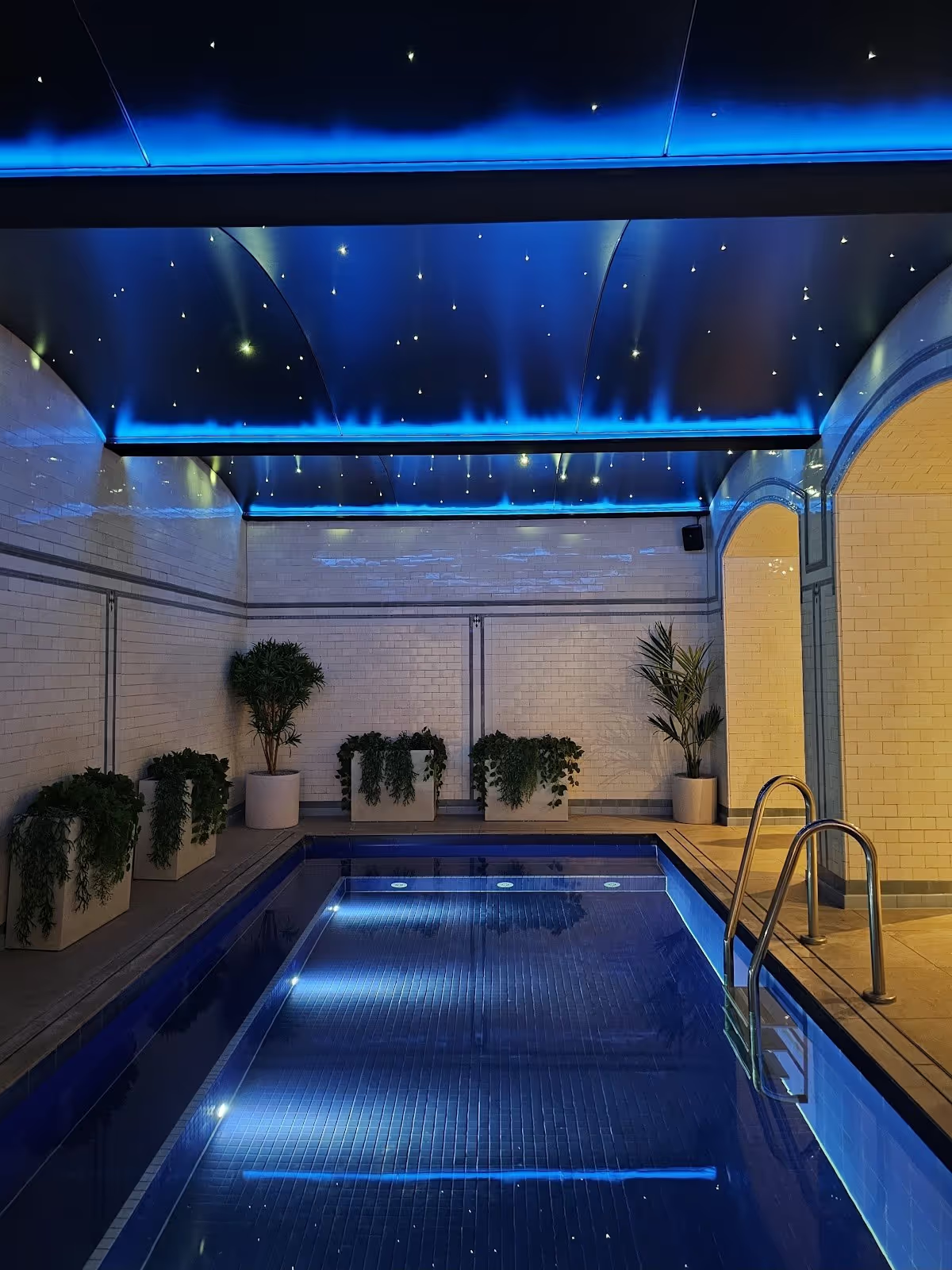
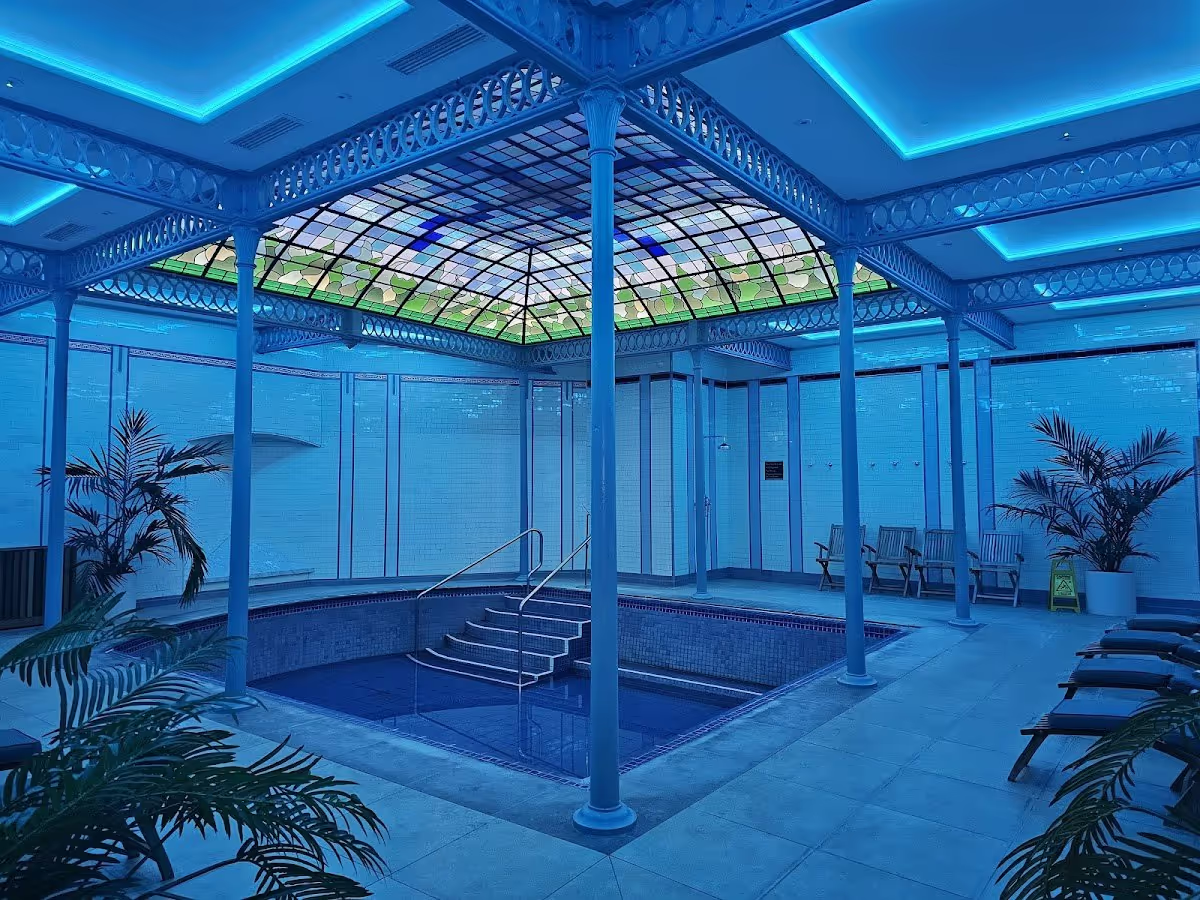
The spa at Buxton Crescent uses the natural Buxton thermal mineral water, which emerges from a geothermal source at a naturally constant temperature and carries a mineral profile including calcium, magnesium, and bicarbonate that has historically been associated with therapeutic use. The water has been bottled and sold commercially as Buxton Natural Mineral Water and is one of the most recognized natural mineral water brands in the United Kingdom, giving the spring source a wider recognition than most spa water sources in the country. The spa facilities within the restored Crescent building provide access to this mineral water in a bathing context within a heritage setting that has few architectural equivalents in English spa history. For visitors seeking hot springs near Buxton within a Peak District heritage town context, the Ensana Crescent is the primary and most historically significant facility in the area.
Location & Access
Getting to Ensana Buxton Crescent Health Spa
Buxton is served by Buxton Station on the Northern Rail line from Manchester Piccadilly, with journey times of approximately one hour. Manchester Piccadilly is accessible from London Euston via the West Coast Main Line in approximately two hours by the fastest services, and from other major northern cities including Leeds, Sheffield, and Liverpool with varying journey times. From Buxton Station, the Crescent building is within a short walk of approximately five to ten minutes through the town center, passing the Pavilion Gardens and the Opera House.
Visitors traveling by car can reach Buxton from the M6 motorway via the A537 or from the M1 via the A6 through the Peak District. The drive from Manchester takes approximately one hour depending on traffic, and from Sheffield approximately 45 minutes. Parking is available in the town center car parks near the Crescent, though the immediate streets around the building itself have limited on-street parking. The Peak District road network approaching Buxton from the east and south involves winding upland roads that require attentive driving and can be subject to snow or ice between November and March.
The facility is a hotel as well as a spa, and many visitors stay overnight or for multiple nights as part of a health spa package. Day visitor spa access is available subject to availability and advance booking is strongly recommended. For those seeking hot springs near Buxton accessible by direct rail from Manchester, the Northern Rail service from Manchester Piccadilly provides a practical connection without requiring a car. The combination of the Crescent spa, the Pavilion Gardens, the Opera House, and the surrounding Peak District landscape makes Buxton a well-rounded destination for a one or two night spa and heritage break.
Suitability & Accessibility
Who Ensana Buxton Crescent Health Spa Suits
Ensana Buxton Crescent Health Spa suits visitors who want a health spa experience set within a genuinely significant Georgian heritage building, using natural mineral spring water in a Peak District spa town with a long therapeutic tradition. The restored Crescent building is architecturally exceptional and the combination of historic setting, natural mineral water, and the Ensana health-focused spa approach gives the facility a character that distinguishes it from conventional hotel spas without a meaningful connection to natural spring water or heritage.
Couples and solo travelers seeking a multi-night health spa break in northern England will find Buxton Crescent well positioned, with the spa facilities, the hotel accommodation, and the broader town of Buxton providing a complete and unhurried stay. The Pavilion Gardens, the Buxton Opera House, and the Peak District walking and cycling routes accessible from the town add a dimension to the stay beyond the spa itself. Visitors with an interest in Georgian architecture and English spa history will find the Crescent building and the broader Buxton townscape a rewarding context for the visit.
Visitors looking for accessible hot springs in the United Kingdom will find the Ensana Buxton Crescent one of the more accessible spa facilities in northern England. The restored building includes lift access and facilities designed to modern accessibility standards within the constraints of a Grade I listed structure. Guests with specific accessibility requirements should confirm arrangements directly with the facility when booking, as the historic building fabric may impose some limitations compared to purpose-built modern facilities. The facility does not have a stated minimum age policy in the same way as Thermae Bath Spa, but the health spa focus and overnight stay format make it primarily suited to adult visitors. Among the natural spring spa facilities in the United Kingdom outside of Bath, Ensana Buxton Crescent is the most historically grounded and architecturally significant option currently operating in England.
Safety & Etiquette
Safety and Etiquette at Ensana Buxton Crescent Health Spa
Ensana Buxton Crescent Health Spa is a professionally managed hotel and spa facility operating under UK health and safety regulations, and general safety standards are maintained throughout. The spa water is monitored and managed to meet public bathing and health facility standards. Visitors with health conditions including cardiovascular disease, skin conditions, respiratory conditions, or who are pregnant should consult a medical professional before using the spa facilities, as warm mineral water bathing and associated spa treatments may not be appropriate for all health profiles.
The Crescent building is a Grade I listed historic structure, and visitors should treat the building fabric, fittings, and restored interiors with appropriate care. The restoration of the building has been carried out to a high standard and the historic character of the spaces is part of what makes the facility distinctive. Guests should follow any guidance from staff regarding areas of the building that are restricted or require particular care in movement.
Swimwear is required in all bathing and pool areas. Guests must shower before entering any pool. Lockers or secure storage are provided for valuables during spa use. Photography policies within the spa areas should be confirmed with the facility, as these may differ between the hotel common areas and the bathing facilities. In bathing areas, photography of other guests is not appropriate and should be avoided.
The Peak District setting means that the town of Buxton can experience cold, wet, and occasionally snowy conditions between October and April, and visitors traveling from outside the region should be prepared for upland weather conditions. Road approaches to Buxton from the east and south can be subject to ice and snow in winter, and visitors driving should check road conditions before departure. The town center is walkable and the main facilities are accessible on foot from the station without difficulty in normal conditions. Guests with cardiovascular conditions or other health concerns should seek medical advice before using spa and thermal bathing facilities.