Quick FactsOverview
About Heydalur Hot Springs
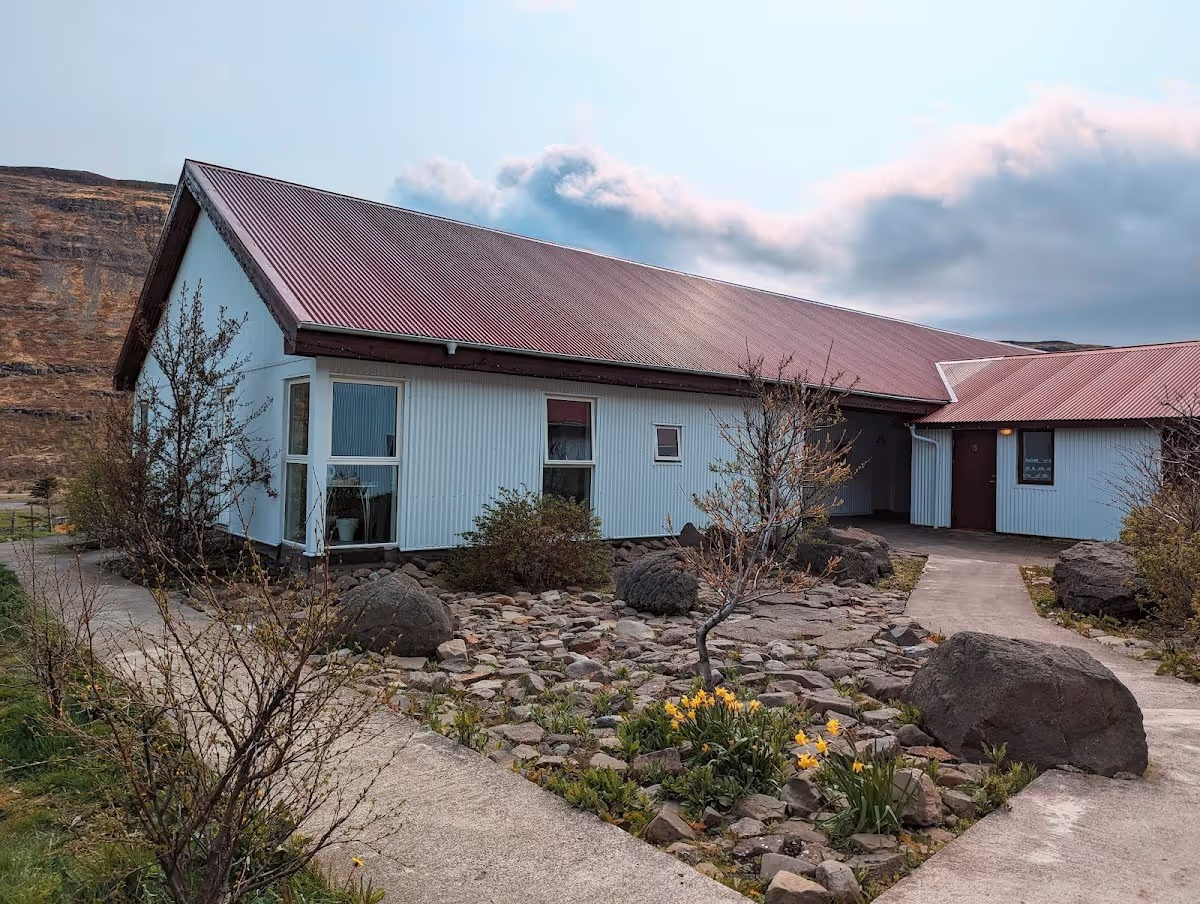
Heydalur Hot Springs Iceland is a paid geothermal pool complex located at Hotel Heydalur in the valley of Heydalur, within Mjóifjördur, a narrow fjord in the northern part of the Westfjords. The hotel is approximately 320 kilometres from Reykjavik and 130 kilometres from Isafjordur, the capital of the Westfjords region. It operates as a country hotel and farm stay on an old farm site, set in a valley surrounded by mountains with the fjord visible nearby. The site has been a focal point for visitors to this part of the Westfjords because of its combination of three distinct pools, its campsite, and its restaurant.
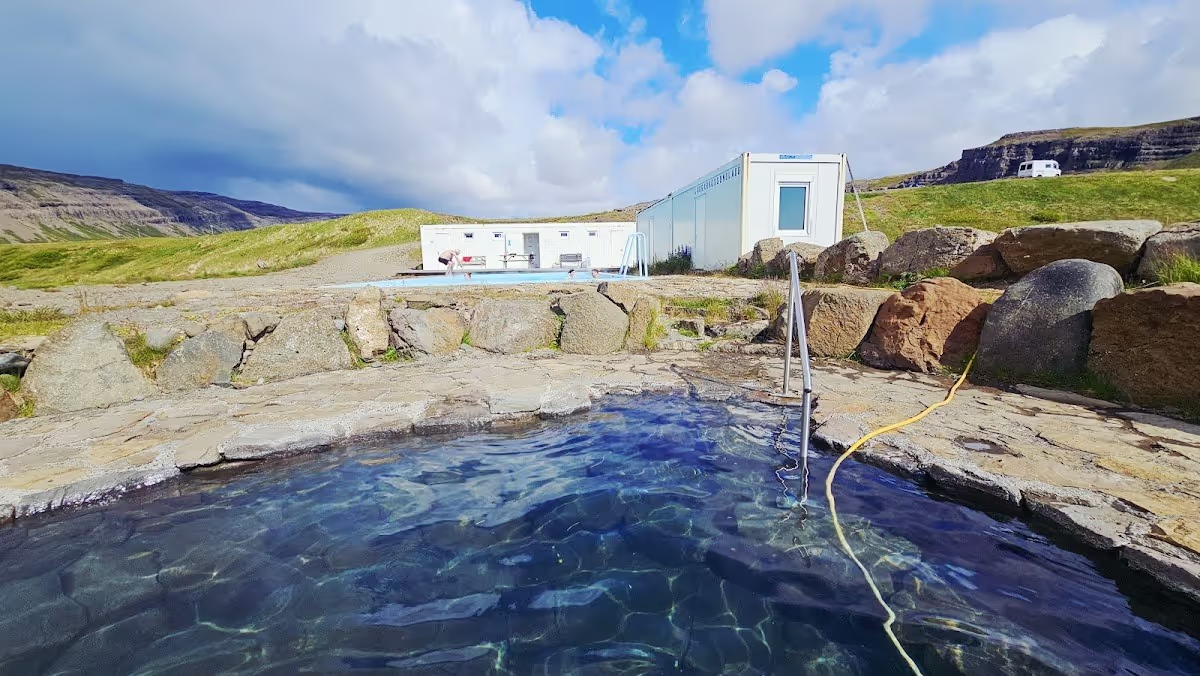
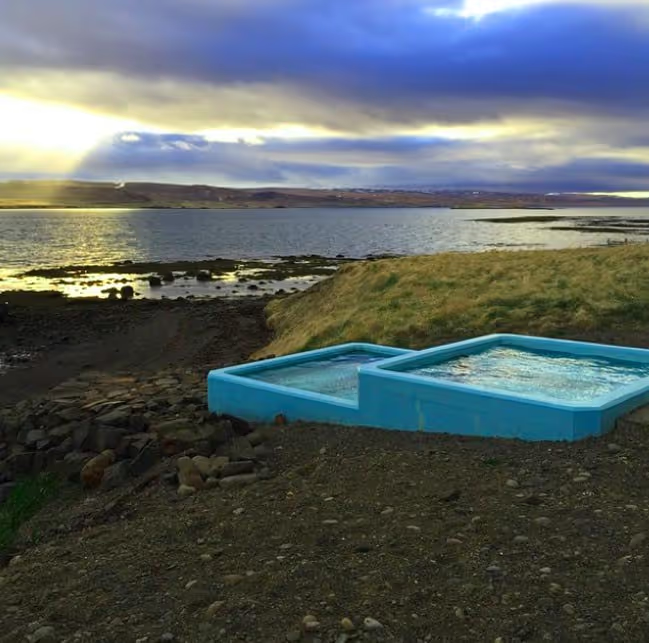
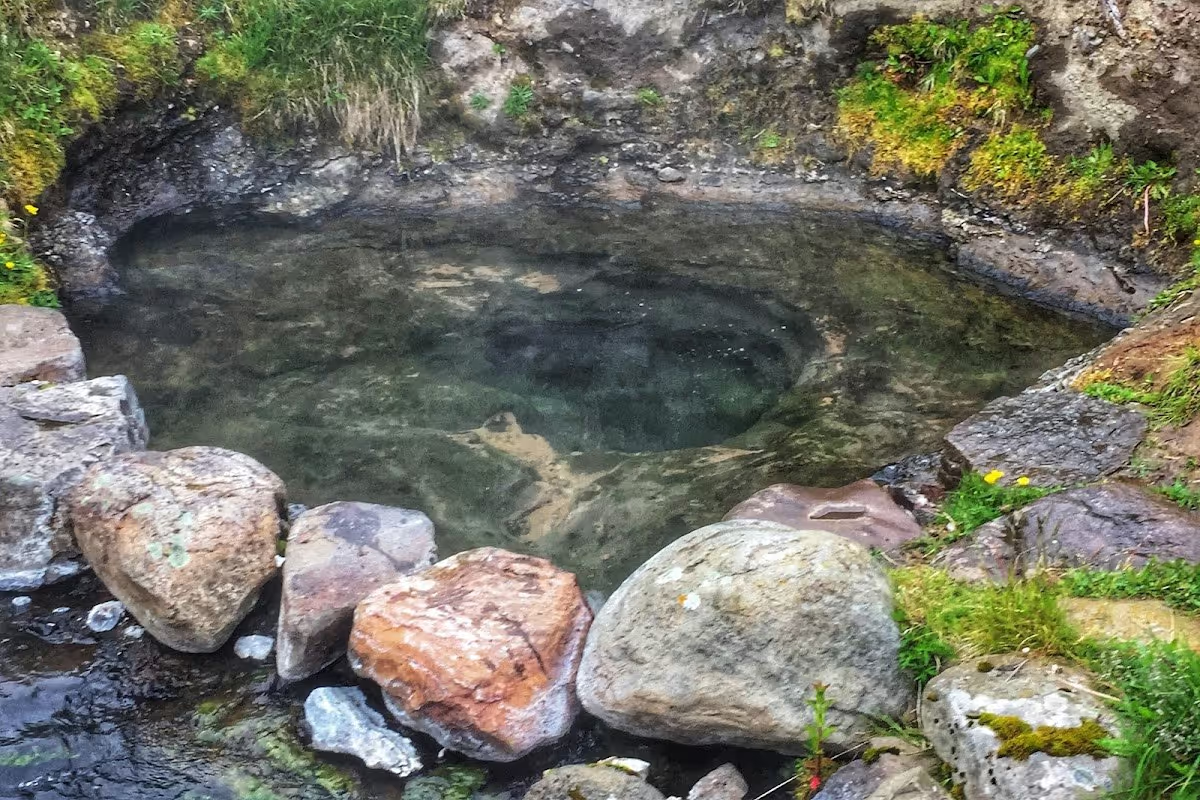
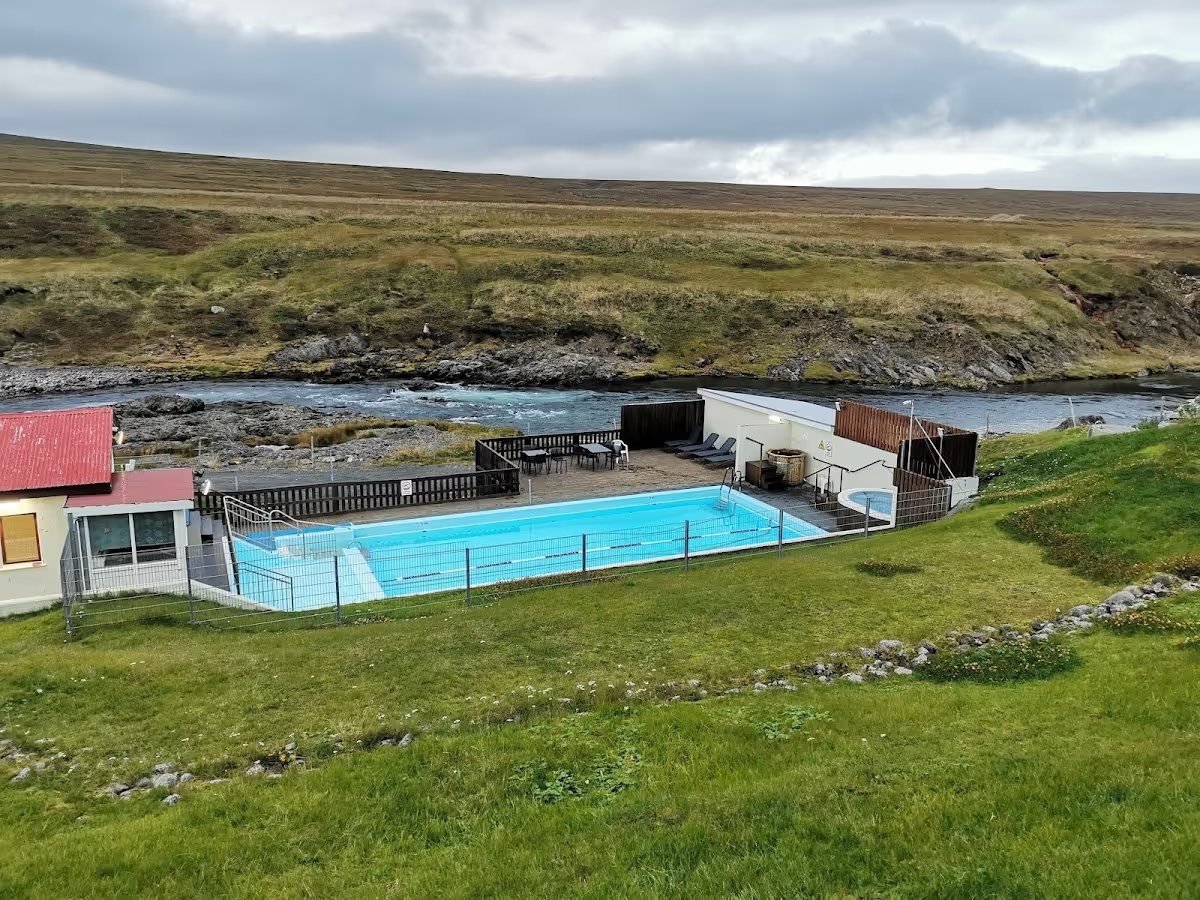
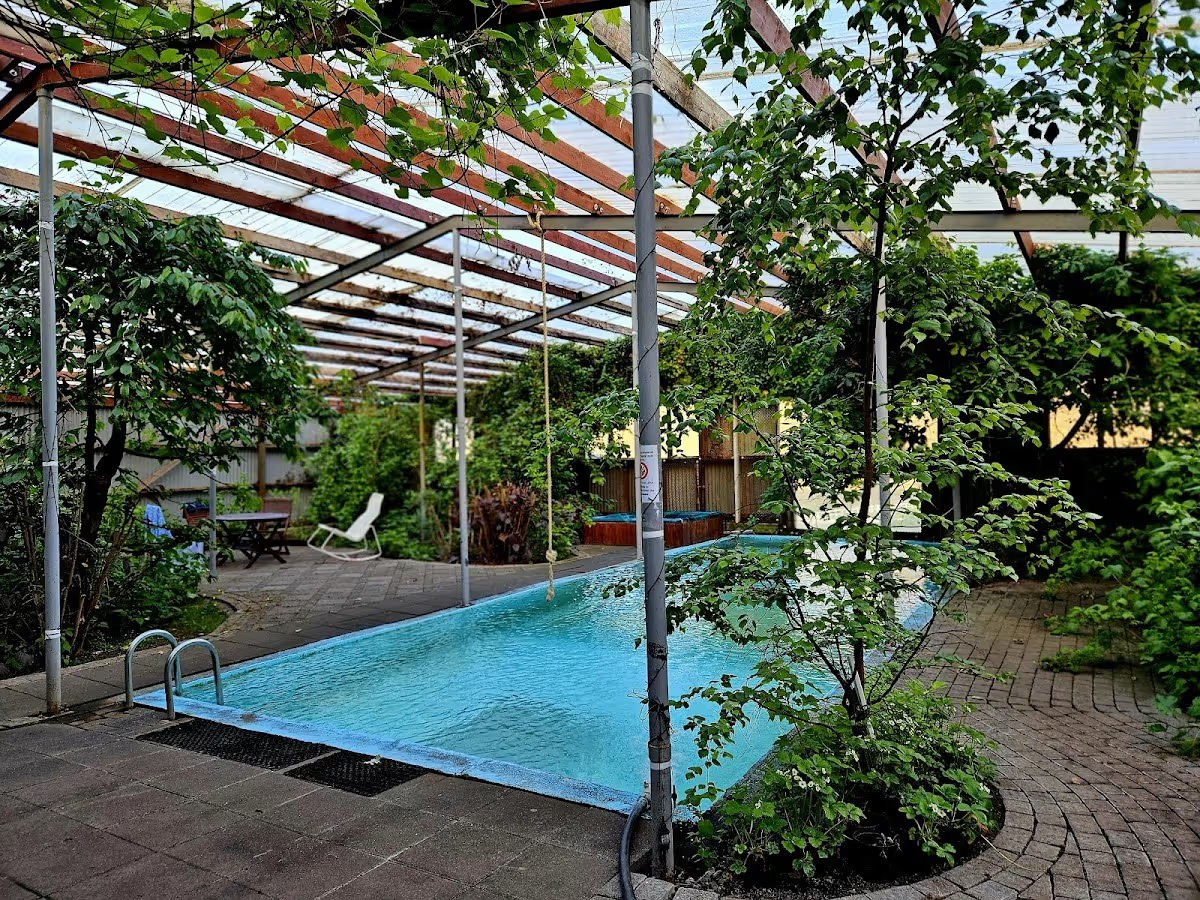
The pool complex at Heydalur consists of three separate geothermal bathing options. The first is a greenhouse swimming pool, enclosed within a greenhouse structure where geothermal energy also warms the soil used to grow vegetables and fruits on the property. This pool maintains a temperature of 23 to 28 degrees Celsius, making it suitable for active swimming rather than soaking. The second is an outdoor hot pot adjacent to the main hotel building, where water is pumped directly from the ground and reaches around 40 degrees Celsius. The third is the original natural spring, located across the river from the hotel and requiring a short walk. This spring is documented as dating to the 12th century and is believed to have been blessed by Bishop Gudmundur the Good, a figure venerated in the medieval Icelandic church. The third spring has a 2 by 4 metre pool about 50 centimetres deep, fitting around five people, at around 40 degrees Celsius. A small shed nearby serves as a changing space for the natural spring. The pools are collectively one of the best geothermal pool experiences near Isafjordur for visitors exploring the Westfjords.
Hotel Heydalur offers a range of activities beyond the pools, including horseback riding in the valley, sea kayaking along Mjóifjördur, birdwatching (the valley is known for the Icelandic falcon, golden plover, puffin, and oystercatcher), trout fishing at a mountain lake called Ausuvatn, and a walking app called Wapp for guided hikes. The hotel restaurant sources ingredients from the valley and neighbouring farms.
Location & Access
Getting to Heydalur Hot Springs
Heydalur Hot Springs is reached by following Route 61 through the northern Westfjords. From Holmavik on the east side of the Westfjords, follow Route 61 heading west and north until you see Route 633 on the left. From Sudavik on the west side, follow Route 61 east until you see Route 633 on the right. Route 633 is a gravel road that leads to Hotel Heydalur. There is no signposting issue once you are on Route 633, as the hotel is the destination the road leads to. No F-roads are involved on this route, which makes Heydalur accessible without a highland-rated 4WD vehicle. However, a 4WD is recommended for the Westfjords in general, as many of the roads are narrow gravel tracks and conditions can change quickly in the weather of the region.
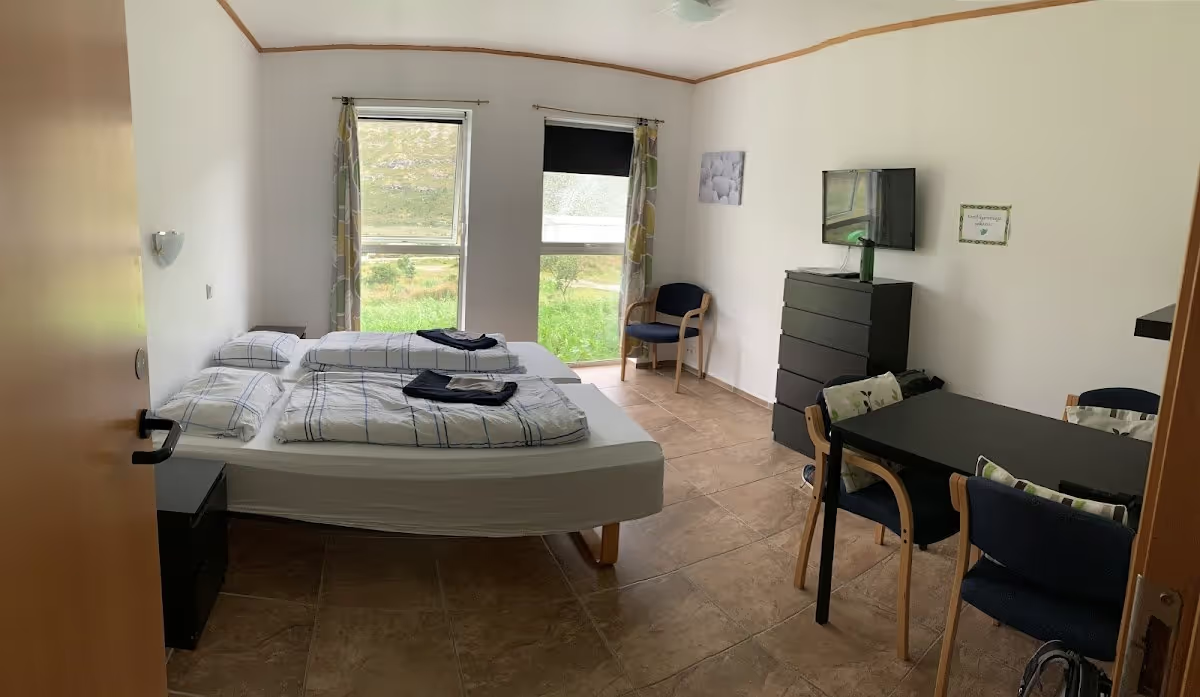
The total drive from Reykjavik is approximately 320 kilometres and takes around four to five hours without stops. From Isafjordur, the drive is approximately 130 kilometres. The hotel address is Heydalur, 401 Isafjordur. The hotel offers accommodation in rooms and a campsite. Those staying overnight have free access to all pools. Day visitors pay a separate fee. Visitors looking for hot springs near Isafjordur that combine a genuine remote experience with hotel facilities and a restaurant will find Heydalur a well-rounded stop. The hotel is open year-round and provides contact information for road condition queries on its official website at heydalur.is.
Suitability & Accessibility
Who Should Visit Heydalur Hot Springs
Heydalur Hot Springs suits a wide range of visitors, from families and couples looking for a remote Westfjords base to solo travellers wanting an authentic Icelandic country hotel with geothermal access. The three distinct pool types mean that different visitors get different experiences: the greenhouse pool is better for active swimmers, the outdoor hot pot is suited to soaking with mountain views, and the original natural spring across the river appeals most to those interested in the historical and spiritual dimension of Icelandic bathing traditions. The 12th-century spring with its association with Bishop Gudmundur the Good is one of the more historically documented geothermal pools in Iceland and gives the site an additional layer of interest beyond the standard hot spring experience.
Families are welcome, and the range of on-site activities including horseback riding, birdwatching, and sea kayaking makes Heydalur a practical base for a day or two rather than just a pool stop. There are no changing facilities at the outdoor pools following the destruction of the original facilities, so visitors use the small shed at the natural spring or change at the hotel. The campsite is a cost-effective option for those on tighter budgets who still want access to the pools. The geothermal pools at Heydalur represent a type of natural hot springs in Iceland where the setting, history, and variety of options reward visitors who make the effort of the long drive into the Westfjords.
Safety & Etiquette
Safety and Etiquette at Heydalur Hot Springs
Heydalur Hot Springs is generally safe, but the remote setting of the Westfjords means that standard precautions for travelling in remote Iceland apply. Always check road conditions on the Icelandic Road and Coastal Administration website before driving Route 633, as the gravel road can become difficult in wet or icy conditions. Inform someone of your planned route if travelling without a companion, as mobile coverage can be limited in the fjords.
At the pools themselves, the outdoor hot pot reaches around 40 degrees Celsius, which is at the upper end of comfortable soaking temperature. Test the water before entering and allow time to adjust gradually. The hot pot water is pumped directly from the ground and the temperature can vary slightly with seasonal and atmospheric changes. The natural spring across the river is reportedly at a similar temperature but has been in place since the 12th century with minimal management, so temperature variation is possible. Cross the river with care, as the terrain on the far side is uneven. Young children must be supervised at all times near all pools. The greenhouse pool is cooler and more suited to swimming. The outdoor pools have no lifeguard and visitors use them at their own responsibility. There are no toilet facilities at the outdoor pools themselves, so plan accordingly before leaving the hotel building. The hotel asks that visitors respect the environment and do not leave litter, and that they treat the 12th-century spring with appropriate care given its historical significance.