Quick FactsOverview
About Kvika Footbath
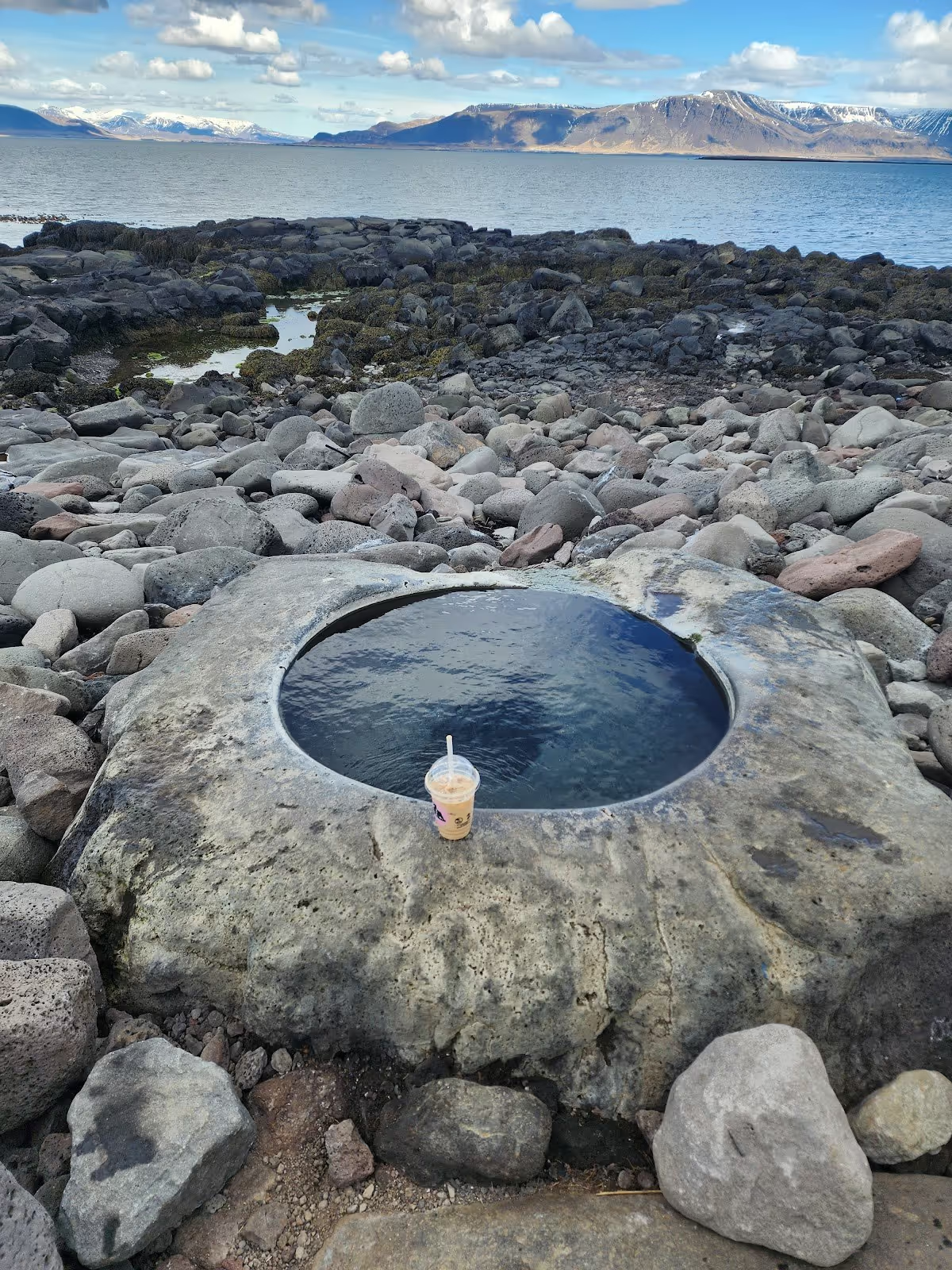
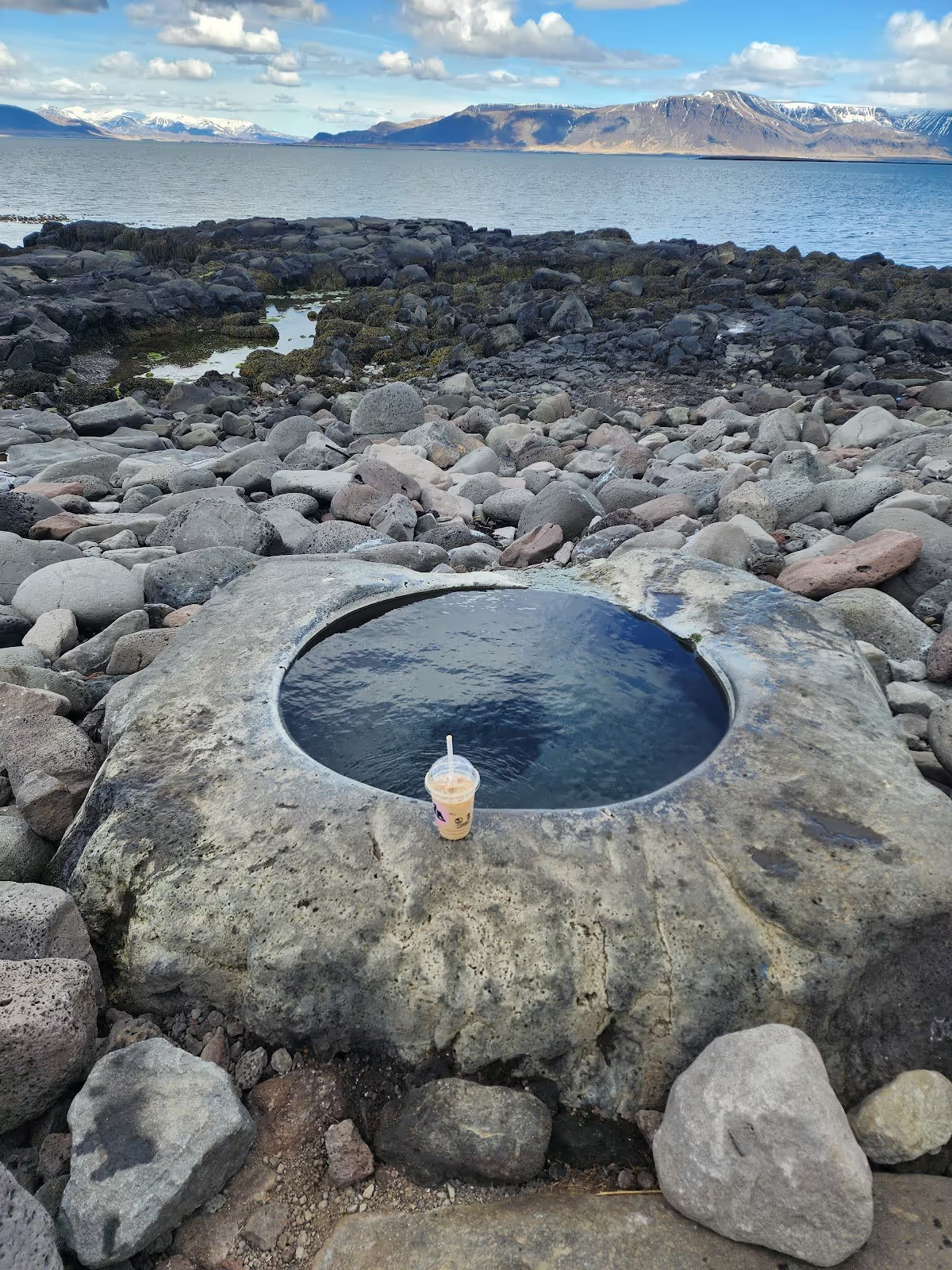
Kvika Footbath Iceland is a free geothermal footbath located on the Kisuklappir rocks on the Nordurstrand coastal path at the northwestern tip of the Seltjarnarnes Peninsula, 4.7 kilometres from central Reykjavik. It is a public art installation designed by Icelandic artist Olof Nordal and erected in 2005 as part of a project to integrate geothermal energy with public outdoor space. The pool's name, Kvika, is the Icelandic word for magma, reflecting the deep geothermal activity that heats the water from below. The Seltjarnarnes Peninsula is a residential suburb immediately west of Reykjavik and is popular with locals for coastal walking, cycling, and birdwatching. The Kvika footbath sits among the coastal rocks on the shore, blending into the natural landscape to the point that first-time visitors sometimes walk past it without noticing it.
The footbath was carved from a large block of gray granite into a circular basin approximately 30 centimetres deep and 90 centimetres wide. The rim of the granite is wide enough to sit on comfortably with your feet in the water. The pool is fed continuously by geothermal water from the boreholes of Seltjarnarnes, which the artist described as having a unique chemical composition. The water temperature is typically around 39 degrees Celsius, warm enough to be genuinely soothing but not so hot as to be uncomfortable for extended sitting. Because the pool is only deep enough for feet and lower legs, it is a true footbath rather than a soaking pool. That said, sources note that on a cold Icelandic day the contrast of warm water, cold air, and open ocean views creates an experience that is unusually restorative for its modest scale. The site is open at all hours and entry is free. From the footbath on a clear day, visitors can see the Esja mountain range to the north across Faxaflói bay and the Snaefellsjokull glacier on the Snaefellsnes Peninsula to the northwest.
The nearby Grotta lighthouse is a short walk from Kvika along the coastal path. Grotta sits on a spit of rock connected to the peninsula by a sand bar that floods at high tide, so visitors heading there from Kvika should check the tide times. The whole Nordurstrand coastal stretch is one of the most pleasant walking or cycling routes accessible from Reykjavik and provides broad views of the capital's coastline.
Location & Access
Getting to Kvika Footbath
Kvika Footbath is located on the Nordurstrand coastal path in Seltjarnarnes, 4.7 kilometres from central Reykjavik by road and approximately 6.2 kilometres on foot via the coastal route. By car from central Reykjavik, take Hringbraut heading northwest, then take the turn onto Nordurstrand. Follow Nordurstrand along the coast until you reach the small car park at the tip of the peninsula near the Grotta lighthouse. Kvika is a short walk from the car park along the coastal rocks. The drive takes around seven to nine minutes. Parking at the car park is free.
On foot, the coastal walk from Reykjavik along Nordurstrand takes around 45 minutes at a comfortable pace and is a pleasant route popular with locals. Cycling is also a good option as the path is well-maintained. Public bus services run between central Reykjavik and Seltjarnarnes regularly; the closest stop to Kvika is near the Grotta lighthouse end of the route, from which the footbath is a two to three minute walk. The site has no official address number but is consistently found by searching for Kvika on standard navigation apps including Google Maps, where it is listed as a named landmark. Visitors looking for hot springs near Reykjavik that are free, walkable from the city, and offer a genuinely unusual experience will find Kvika a practical and rewarding choice that requires no special preparation or equipment beyond a towel.
Suitability & Accessibility
Who Should Visit Kvika Footbath
Kvika Footbath suits any visitor to Reykjavik who wants to experience Iceland's geothermal culture in a simple, free, and unmanaged setting close to the city. Because it is a footbath rather than a soaking pool, it is accessible to people who might find a full mineral pool too intense, including older visitors, children, and those with mild heat sensitivity. The short walk from the car park and the flat coastal terrain make it one of the more accessible wild geothermal sites in Iceland for visitors who are not planning a hiking or 4WD trip. Families with children will find the footbath engaging as an experience while the surrounding coastal rocks, birdlife, and views keep the wider visit interesting for all ages.
Kvika is particularly valued by locals and visitors who enjoy the combination of public art and nature. Olof Nordal designed the pool to reference the ancient Icelandic tradition of bathing in geothermal water and to invite people to connect with the earth's heat in a minimal, contemplative way. In that spirit, the footbath rewards those who approach it quietly and without expectation of commercial spa amenities. It is an especially good choice for solo travellers, couples, and photographers who want natural hot springs in Iceland without crowds or fees. Winter visits, when the coastal path is quiet and the possibility of Northern Lights exists over the water, are considered by many regulars to be the best time to visit. Summer visitors benefit from long daylight hours and warmer air temperatures that make the coastal walk comfortable. At all times of year the footbath is open, though icy conditions on the coastal path in winter require careful footing.
Safety & Etiquette
Safety and Etiquette at Kvika Footbath
Kvika Footbath is generally safe and sits in a well-frequented public coastal area within the Reykjavik metropolitan zone. The pool itself poses no significant hazard beyond the standard warm water cautions that apply to any geothermal pool: test the temperature before placing your feet in, and do not force contact with the water if it feels too hot. The temperature is typically around 39 degrees Celsius, which is warm but within the normal range for comfortable soaking. The granite rim of the pool is slightly elevated above the surrounding rocks and can be slippery when wet, particularly in winter when frost or light ice may coat the surface. Step onto the rim carefully and wear footwear with grip for the approach across the coastal rocks.
The coastal path to Kvika from the car park involves uneven rocky terrain. Suitable footwear is important, particularly for visitors with limited mobility or those visiting with young children. The Grotta lighthouse spit nearby floods at high tide and becomes inaccessible - if you plan to walk out to the lighthouse, check tide times in advance. As a public art installation and free community amenity, Kvika depends on visitors treating it with respect. Do not wash feet or hands in a way that introduces soap or dirt into the water. Do not leave food, packaging, or any other litter at the site. The footbath is small and can accommodate only two to four people comfortably at one time; be considerate of others waiting to use it. Locals use this site regularly and appreciate visitors who approach it quietly and cleanly. Take care not to disturb nesting seabirds on the coastal rocks during spring and summer months.