Quick FactsOverview
About Little River Springs, Florida
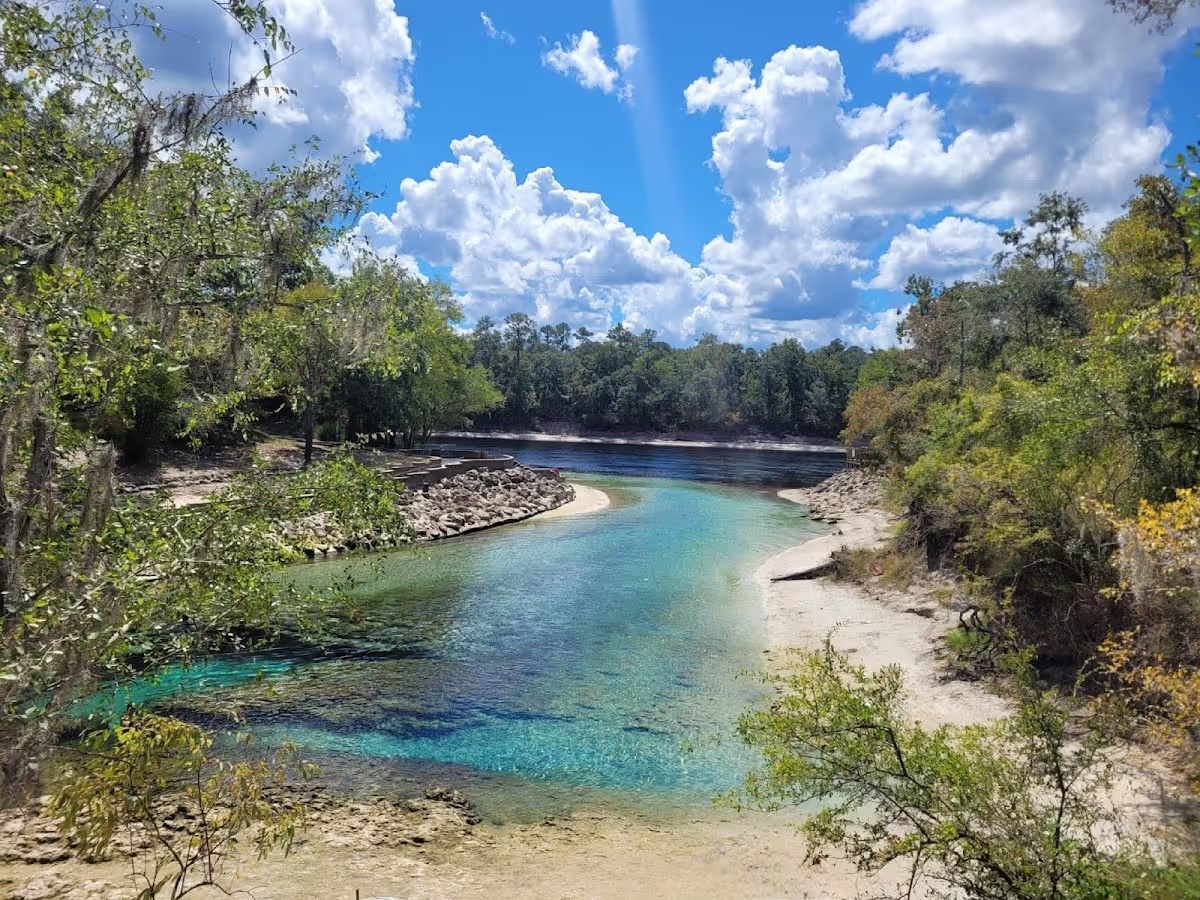
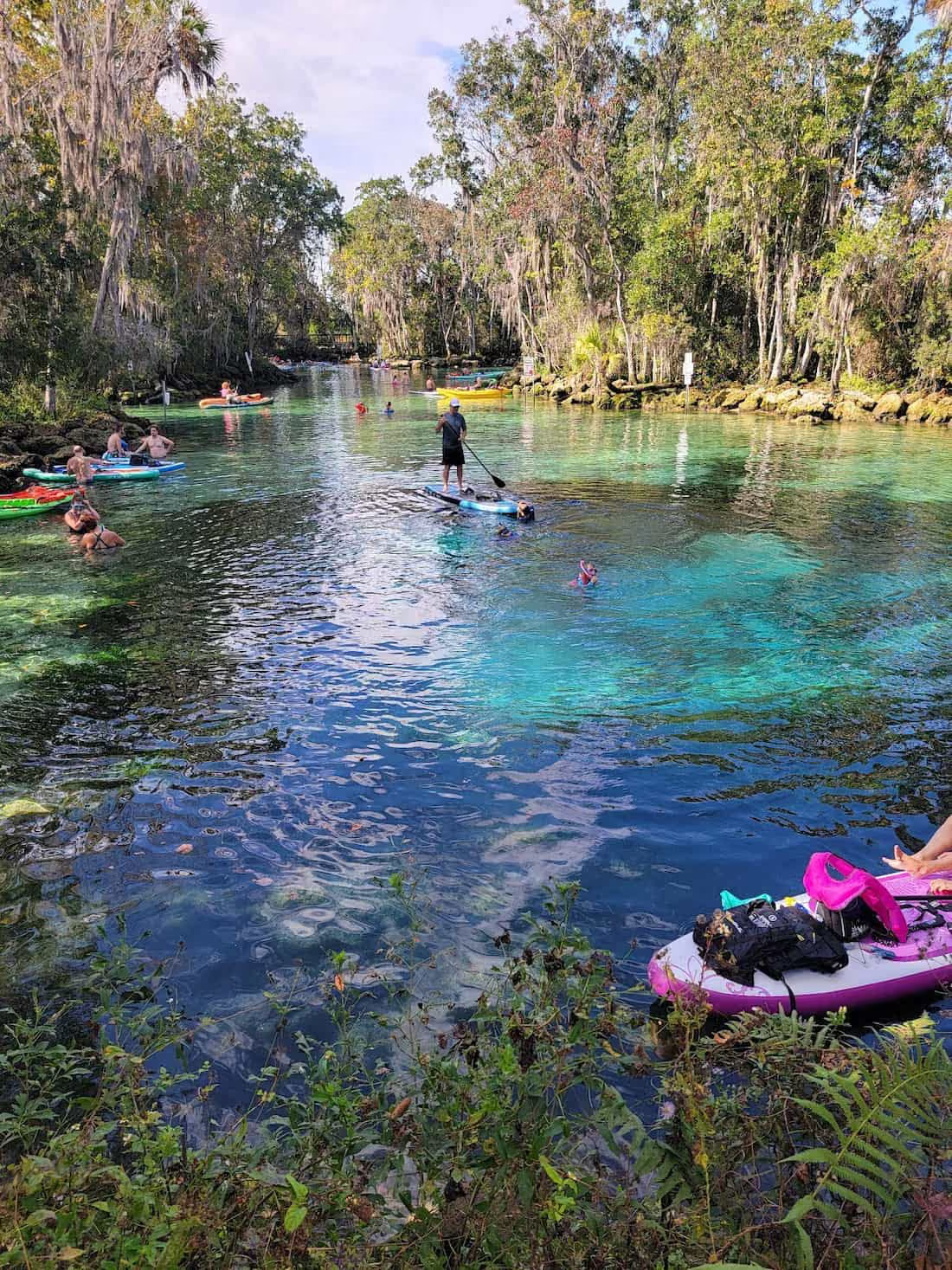
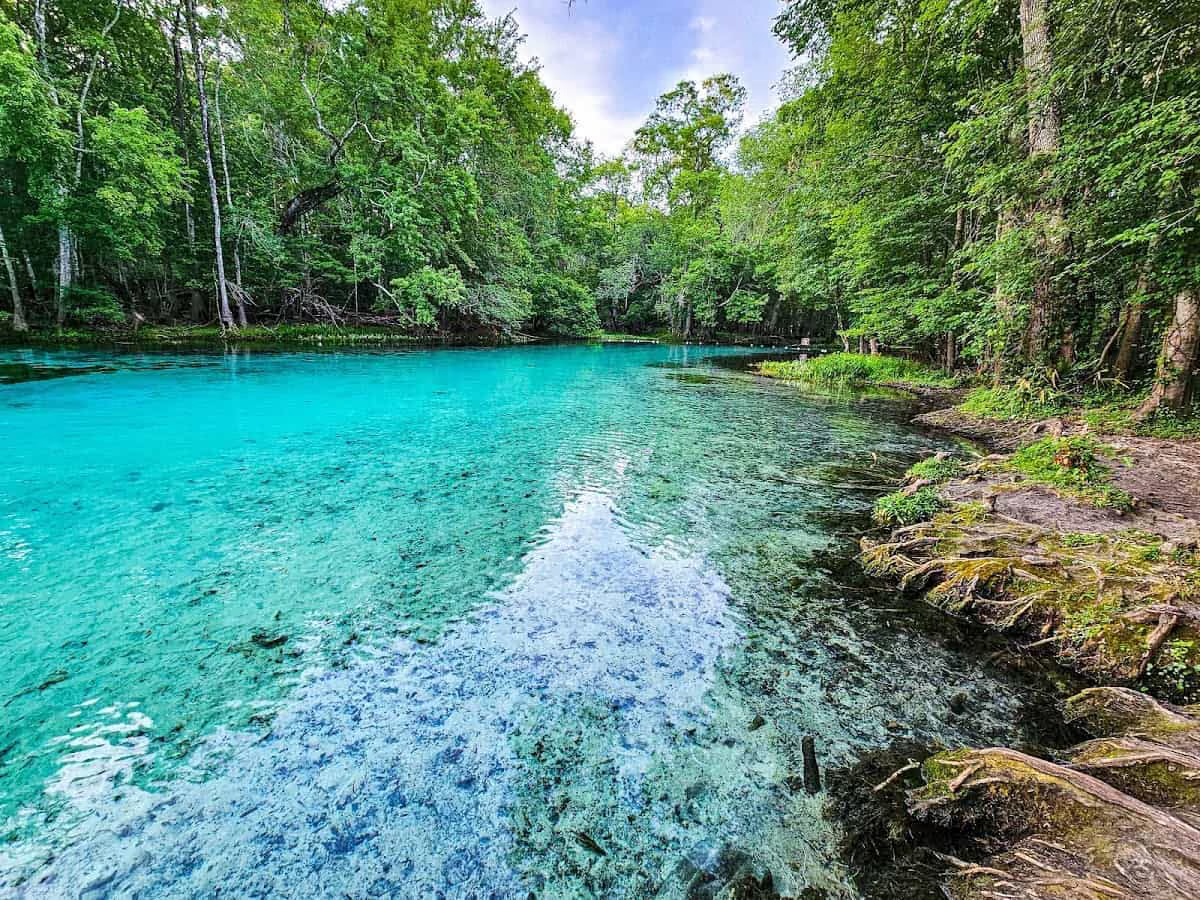
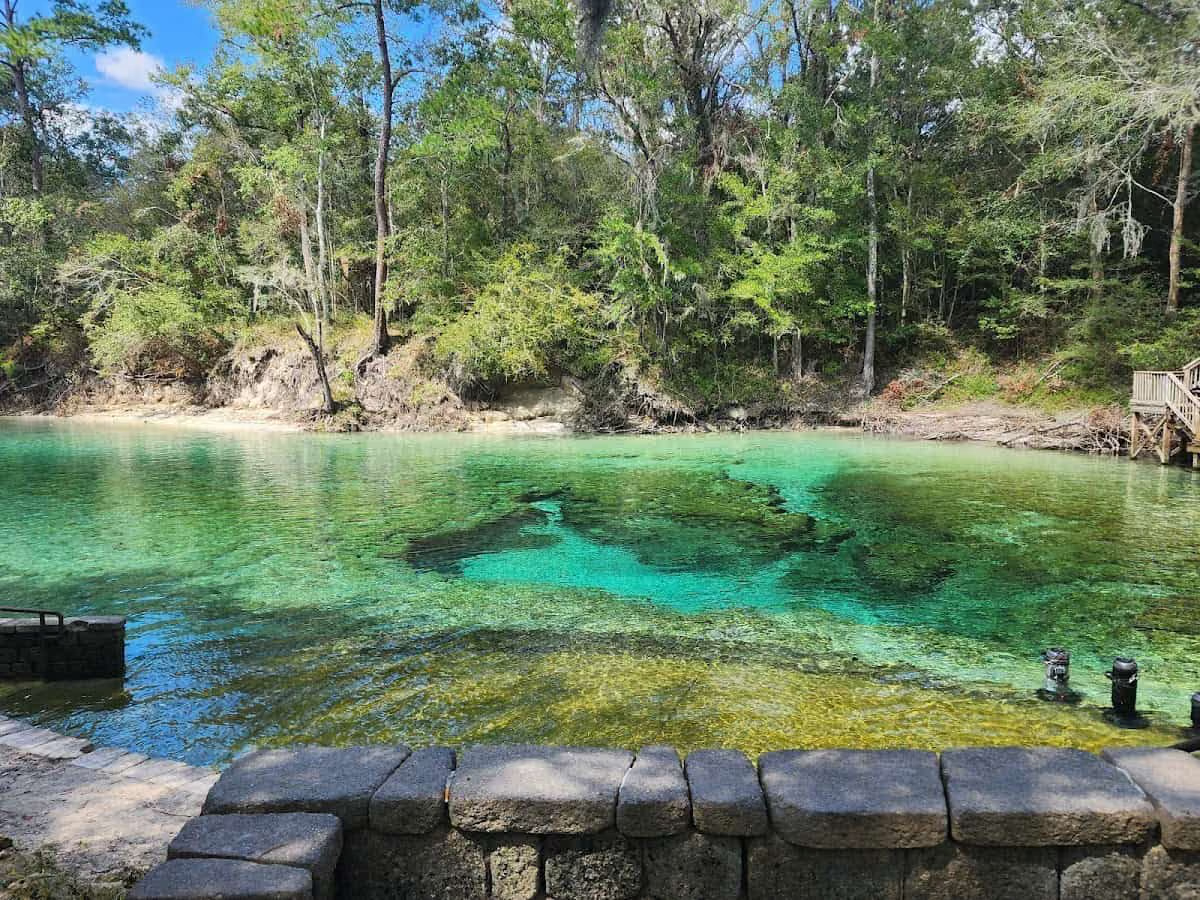
Little River Springs, Florida is a natural freshwater spring and 125-acre county park located in O'Brien, Suwannee County, along the Suwannee River in North Central Florida. The spring produces a roughly 150-foot run that flows directly into the Suwannee River, creating a visible contrast where clear turquoise spring water meets the dark, tannin-stained river. The spring maintains a constant temperature of 72 degrees Fahrenheit year-round, making it one of the more visited natural springs near Branford Florida.
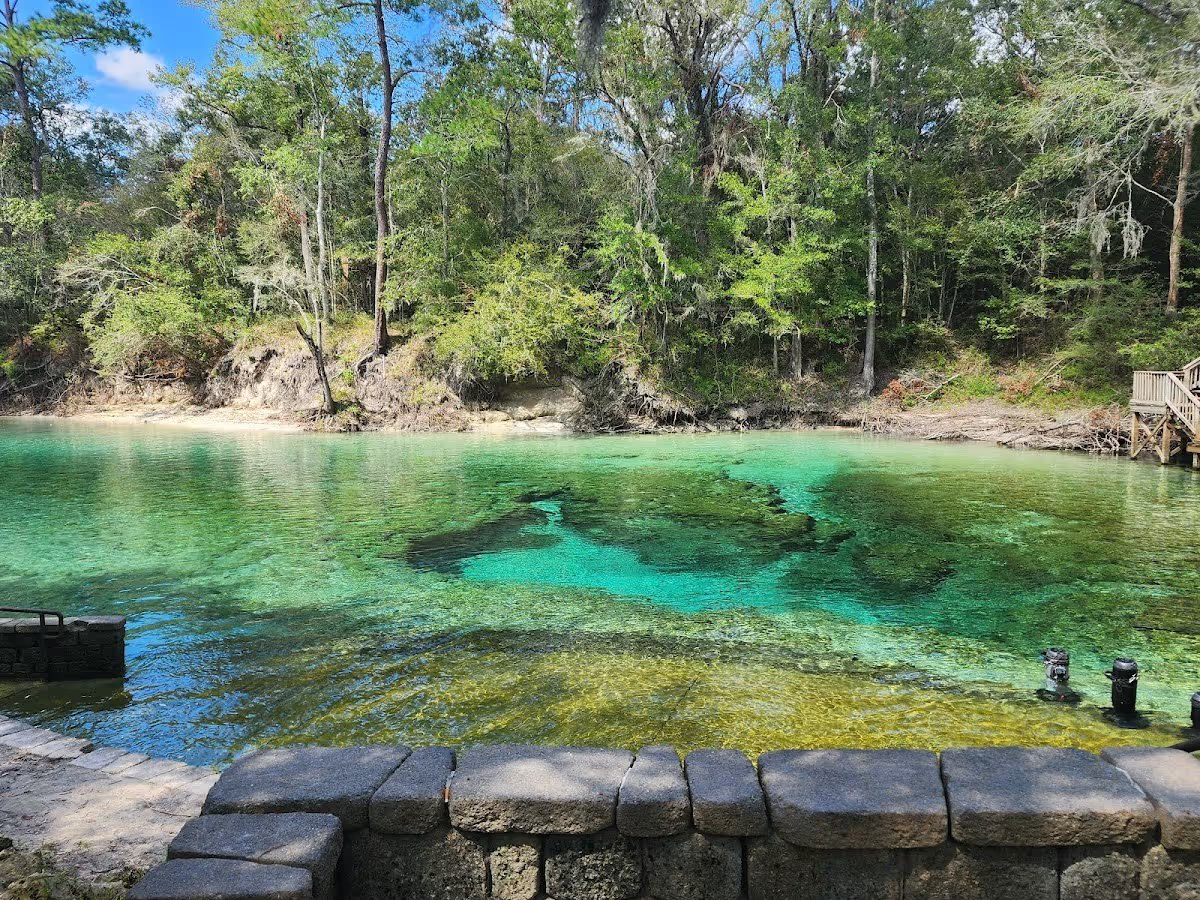
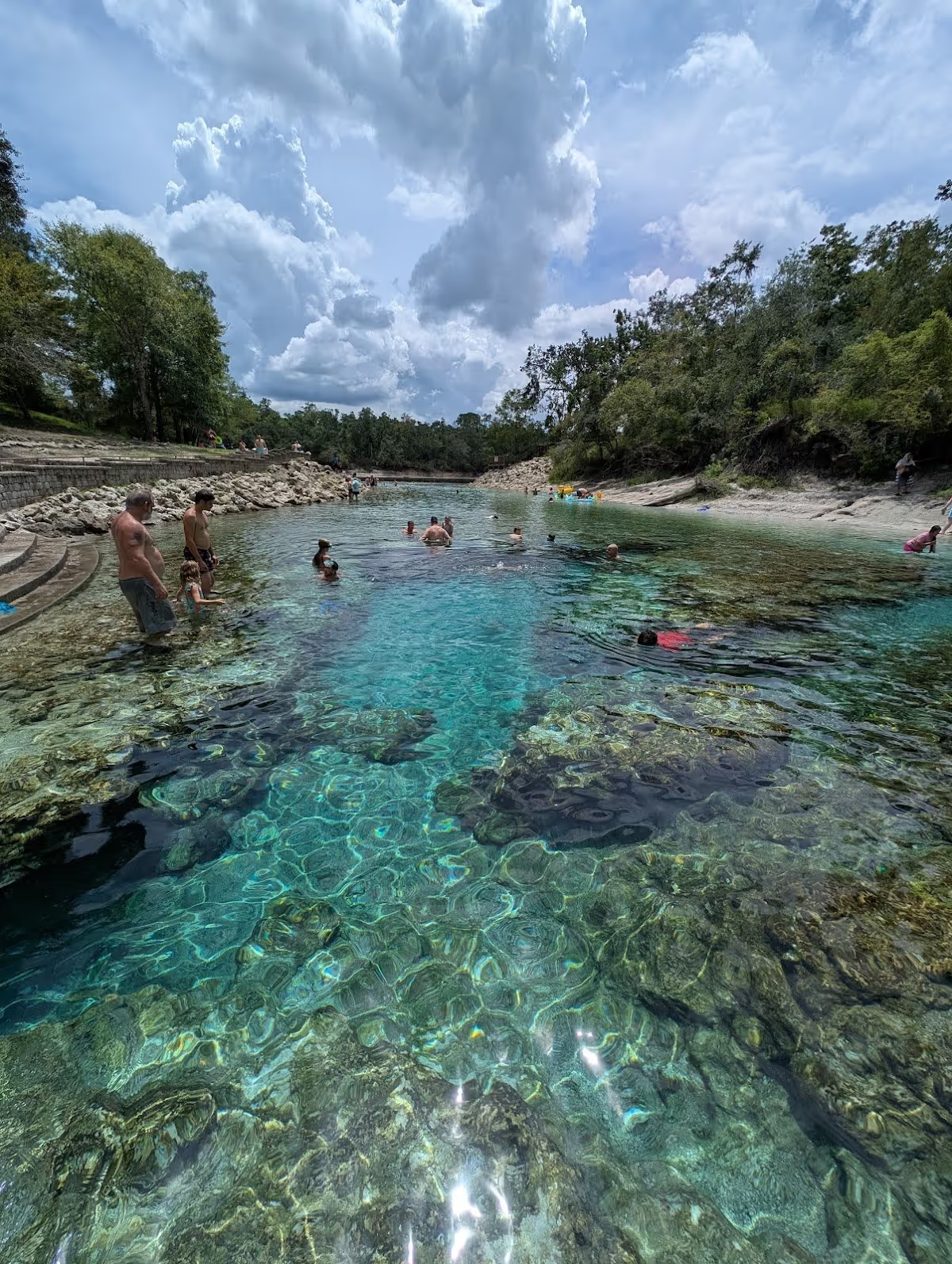
The spring pool measures approximately 108 feet from north to south and 93 feet from east to west, with depth over the vent varying by river conditions to around 11 feet. Beneath the surface lies an underwater cave system extending more than 1,200 feet, attracting certified cave divers from around the world. A visible limestone shelf in the spring run sits just below the water surface, allowing visitors to stand and peer directly down into the cave entrance with their knees barely submerged. The cave walls take on a rusty orange tone from the tannins carried in from the Suwannee River.
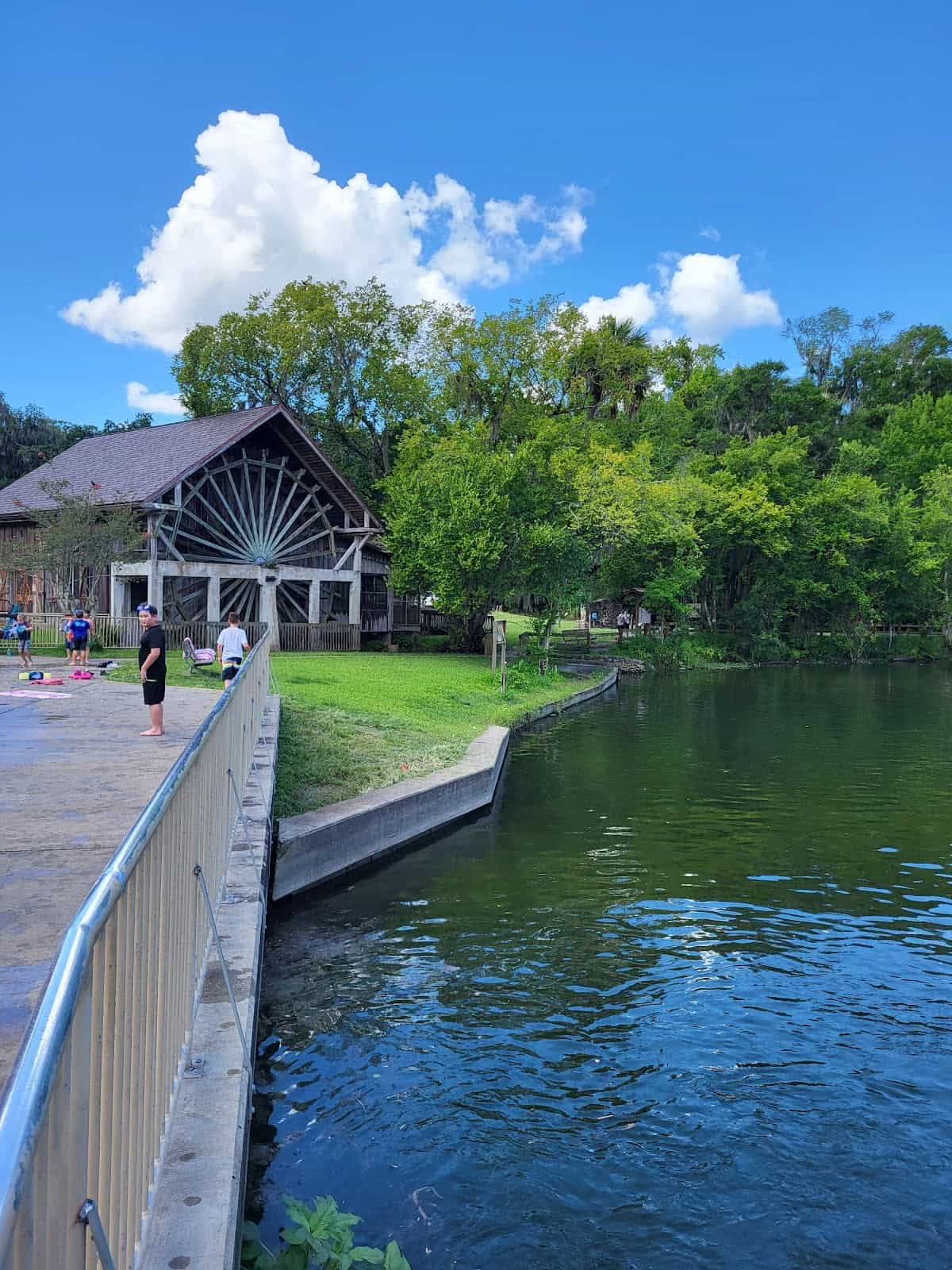
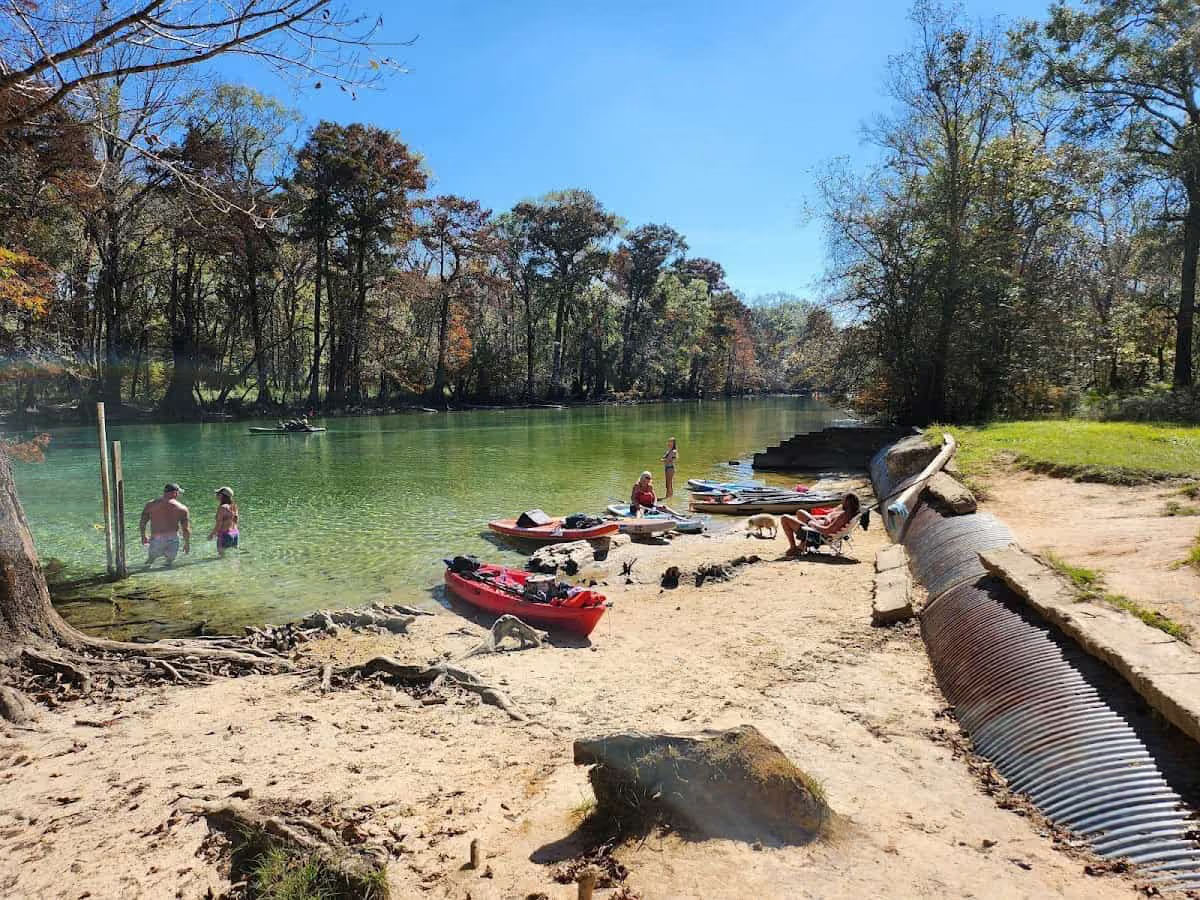
The park includes concrete walkways, steps to the water, scenic overlook decks, picnic areas with grills, a paved parking lot, and two walking trails through the surrounding 125-acre property.
Location & Access
Getting to Little River Springs
Little River Springs is located at 24891 105th Lane, O'Brien, FL 32071, in Suwannee County approximately three miles from the town of Branford and just off US Highway 27. From Branford, head west on US 27 and follow local signs toward 105th Lane, which leads directly to the park entrance and paved parking lot. The spring is situated in the rural area known as Spring Country, a stretch of Suwannee River corridor that contains several springs within a short driving distance of each other.
From Gainesville, the drive takes approximately 45 minutes heading northwest on US 129 north to Branford and then following signs to the spring. From Jacksonville, the trip is approximately one hour and 45 minutes via I-10 west to US 129 south. From Tallahassee, the drive is about one hour and 30 minutes east on I-10 to US 129 south. The area has limited cell coverage and GPS can be unreliable on smaller rural roads; downloading an offline map before leaving is advisable.
The park is open year-round with hours from 9 a.m. to 7 p.m. from April through October, and 9 a.m. to 5 p.m. from November through March. Entry is free. The park can become crowded on summer weekends and during holiday periods; early arrival is recommended on those days. For visitors exploring natural springs near Branford Florida, Little River Springs sits within close driving distance of several other Suwannee River springs including Branford Spring and Ichetucknee Springs State Park.
Suitability & Accessibility
Who Little River Springs Suits
Little River Springs suits families, swimmers, snorkelers, and certified cave divers, as the spring has shallow areas appropriate for children, clear water ideal for snorkeling without equipment, and a world-class cave system for qualified technical divers. The paved access path and concrete steps into the water make entry straightforward for most visitors, and the shallow limestone shelf allows non-swimmers to stand and observe the spring vent directly. Multiple shallow areas near the banks are suitable for young children with adult supervision.
Snorkelers will find the 72-degree water clear enough to observe fish, the limestone formations, and the cave entrance without descending. The contrast between the bright spring and the dark Suwannee River at the point where the spring run enters the river is a distinctive visual experience that draws photographers and nature observers. The two nature trails through the 125-acre park provide additional activity for visitors who want to explore the surrounding forest and river corridor.
Cave diving at Little River Springs is only appropriate for divers with certified cave diving training and the correct technical equipment. The cave system extends more than 1,200 feet and includes passages that require specialist skills to navigate safely. For those seeking free natural hot springs in Florida with a well-maintained county park infrastructure, Little River Springs is one of the better-equipped free options in North Florida.
Safety & Etiquette
Little River Springs Safety Tips
Little River Springs is generally safe for swimming and snorkeling in the spring pool, though visitors should be aware of several specific hazards related to the cave system, the junction with the Suwannee River, and the variable water conditions associated with river level changes. The spring pool and run are not guarded, and all visitors swim at their own responsibility.
The underwater cave system at Little River Springs is not safe for recreational or open-water divers. It extends over 1,200 feet and reaches depths that require specialist cave diving training, redundant equipment, and experience with overhead environments. Multiple fatalities have occurred at Florida springs cave systems when unqualified divers have entered. The cave entrance is visible from the limestone shelf and can be approached by snorkelers on the surface, but no one without full cave diving certification and appropriate equipment should enter the cave.
The spring pool connects directly to the Suwannee River, a blackwater river with variable currents. After heavy rainfall the river can rise and the spring run may be affected by turbid, tannin-rich river water flowing backward into the spring basin, reducing visibility significantly. Checking current water conditions before a visit, particularly after recent rain, is worthwhile. The area around the spring run involves limestone rocks, some of which can be slippery; water shoes are practical for entry and exit.
The park has limited cell coverage and no on-site emergency services. Informing someone of your plans before arriving is sensible. Wildlife including alligators is present in the broader river corridor; stay within the designated swimming zone and the established access points.