Mapaso Hot Spring, Philippines
Warm geothermal pools in Oquendo, Calbayog, Samar. Reached by tricycle and boat. Pink crustaceans in heated water. Minimal fee. Open 7 am to 5 pm.
Barangay Rizal II, Oquendo District, Calbayog City, Samar, Philippines
Calbayog
PH
12.12
124.595
Public Pools & Parks
Paid
Short hike
Be mindful
Swimsuit required
true
false
Asia
mapaso-hot-spring-philippines
What are pokot and why do they live at Mapaso Hot Spring?
Pokot are small freshwater crustaceans, similar to tiny shrimp, that thrive in the warm geothermal waters of Mapaso Hot Spring in Calbayog, Samar. The name Mapaso is derived partly from the Waray phrase meaning the place where crustaceans abound, in addition to its literal meaning of hot. The crustaceans develop a distinctive pinkish colour from the elevated water temperatures, which causes their natural pigments to behave similarly to the colour change seen when shrimp are cooked. They are harmless to swimmers. The presence of pokot thriving in geothermally heated water is a natural curiosity and one of the main reasons Mapaso attracts visitors interested in local ecology in addition to the thermal bathing experience.
How do I get from Calbayog City to Mapaso Hot Spring?
From Calbayog City, take a tricycle north along the National Highway to Oquendo District, approximately 30 minutes and 5 km from the city centre. At Oquendo, board a small boat for a river trip up the Hibatang River to Barangay Longsob, taking approximately 15 to 30 minutes depending on river conditions. From the river landing, a 15-minute walk leads to Barangay Rizal II and the hot spring pools. Total travel time from central Calbayog is typically 1 to 1.5 hours each way. Tricycle drivers in Calbayog are familiar with the route to Oquendo. It is recommended to arrange a local guide or check with your accommodation for current boat availability, as river conditions affect access.
Was Mapaso Hot Spring damaged by Typhoon Yolanda?
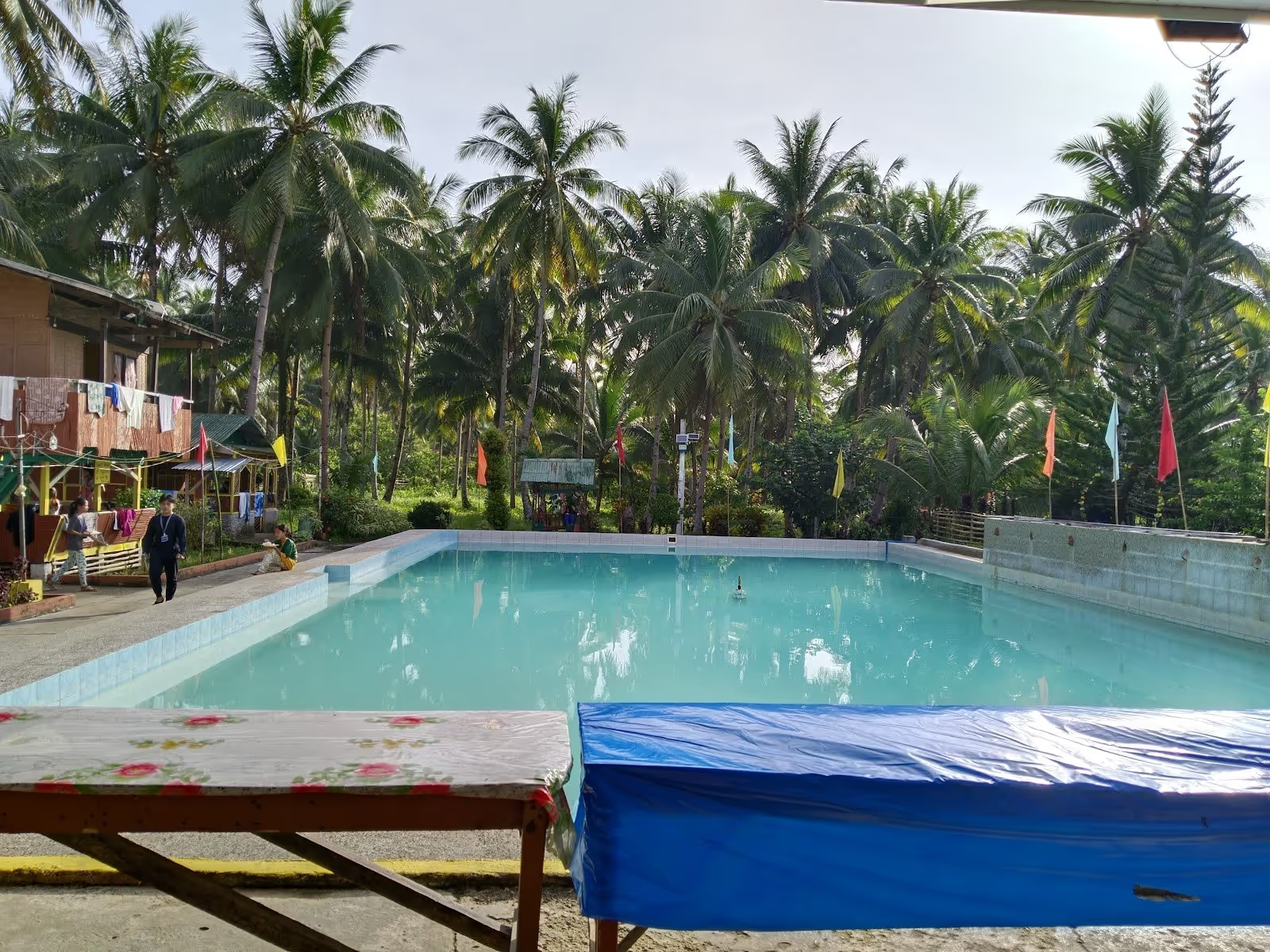
Yes. Mapaso Hot Spring was significantly damaged by Typhoon Yolanda (international name: Haiyan) when it struck the Eastern Visayas region in November 2013. The site sustained further damage from a 2017 earthquake and storm. The facility has undergone partial rebuilding since these events, but visitor accounts from the period after the damage describe reduced pool quality and incomplete restoration of facilities. Some reviews note that the large pool had water quality issues during the rebuilding period. Travellers should check with local tourism offices or tricycle drivers in Calbayog for the current operating status and condition of the facility before making the journey.
What is the best time to visit Mapaso Hot Spring?
The dry season from November to May is the most reliable time to visit Mapaso Hot Spring. During this period, river levels on the Hibatang River are lower and the boat crossing is more straightforward. The wet season from June to October brings heavy rainfall that can raise river levels and make the crossing more difficult or unavailable. Within the day, early morning visits are recommended; the site opens at 7 am and the air is cooler and more comfortable for the boat journey. The facility closes at 5 pm, so arriving by mid-morning gives a full day at the site.
Are there other hot springs or attractions near Mapaso Hot Spring in Samar?
2026-09-21
Updated September 21, 2026
Mapaso Hot Spring, Philippines
Warm geothermal pools in Oquendo, Calbayog, Samar. Reached by tricycle and boat. Pink crustaceans in heated water. Minimal fee. Open 7 am to 5 pm.
Experience
Public Pools & Parks
What to Wear
Swimsuit required
Address
Barangay Rizal II, Oquendo District, Calbayog City, Samar, Philippines
Find a place to stay
Compare prices near this exact spot across Booking.com, Expedia and more.
See nearby stays →
Overview
About Mapaso Hot Spring
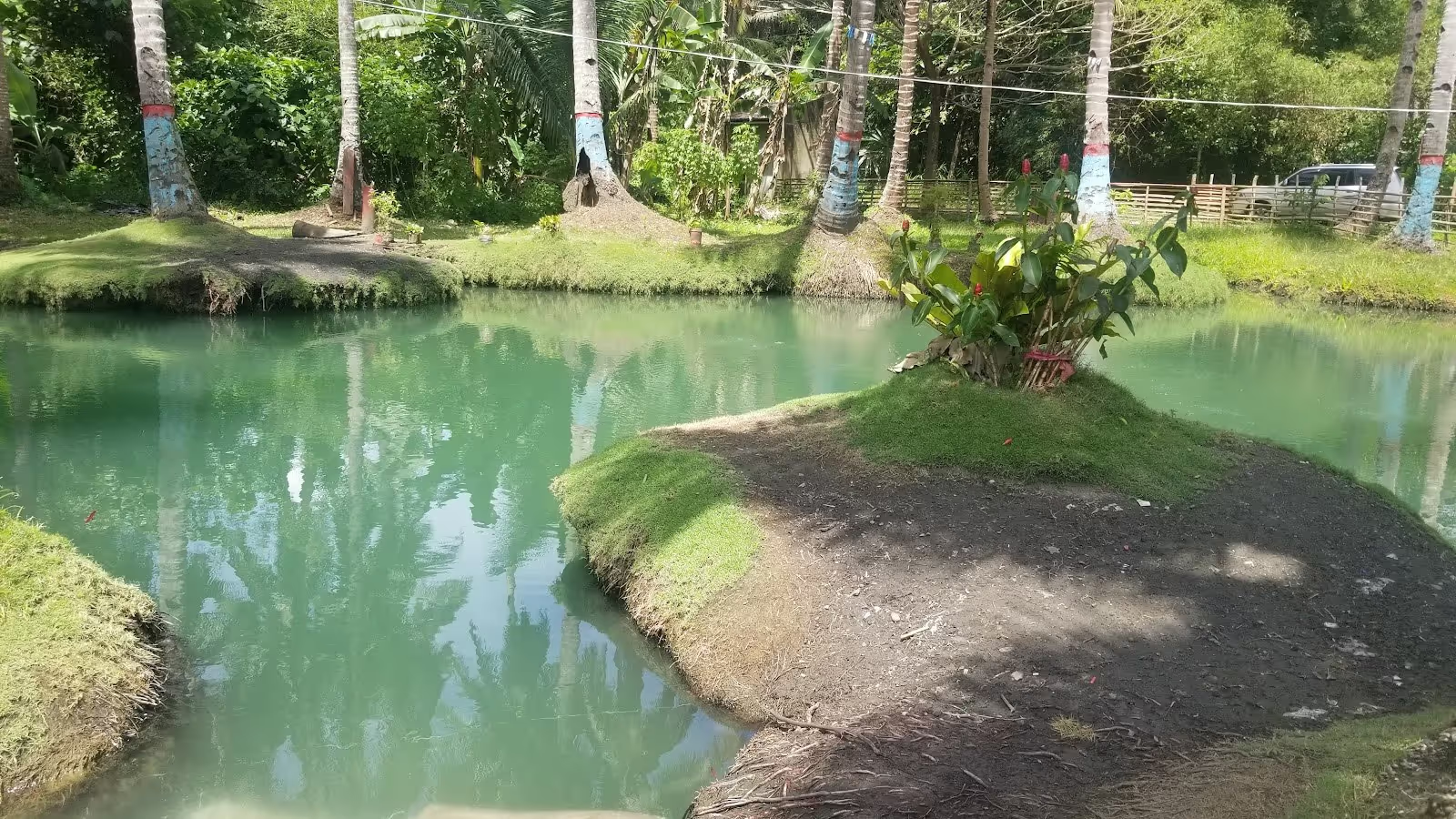
Mapaso Hot Spring, Philippines is a natural geothermal spring in Barangay Rizal II, Oquendo District, Calbayog City, Samar, known for its warm mineral-rich waters and a unique ecosystem of small freshwater crustaceans called pokot that thrive in the heated pools. These crustaceans develop a pinkish colour from the warm temperatures, resembling scalded shrimp. The name Mapaso comes from the Waray dialect and translates as hot. The spring is managed by the local government unit of Calbayog City. Open daily 7 am to 5 pm. A minimal entry fee applies.
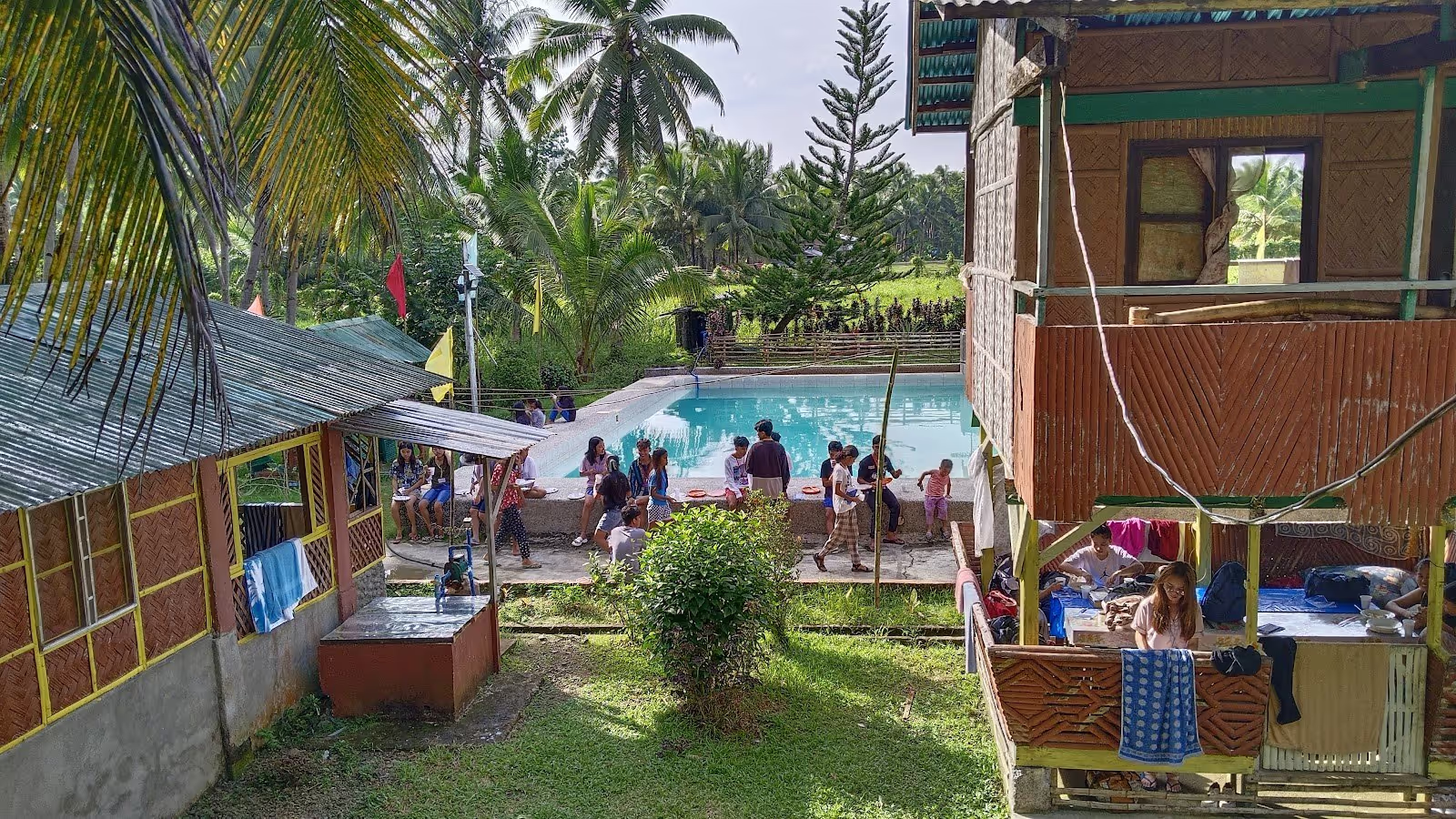
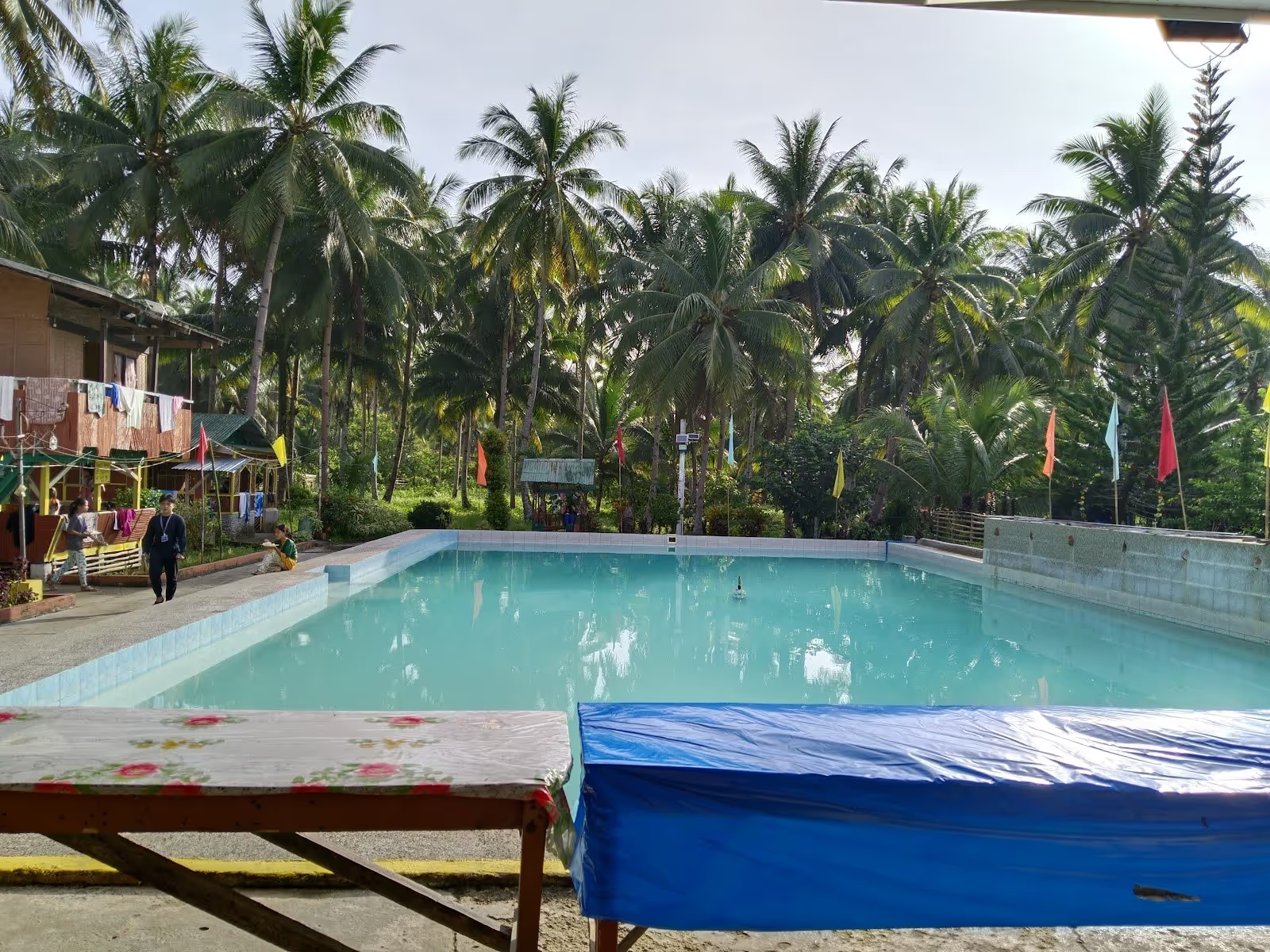
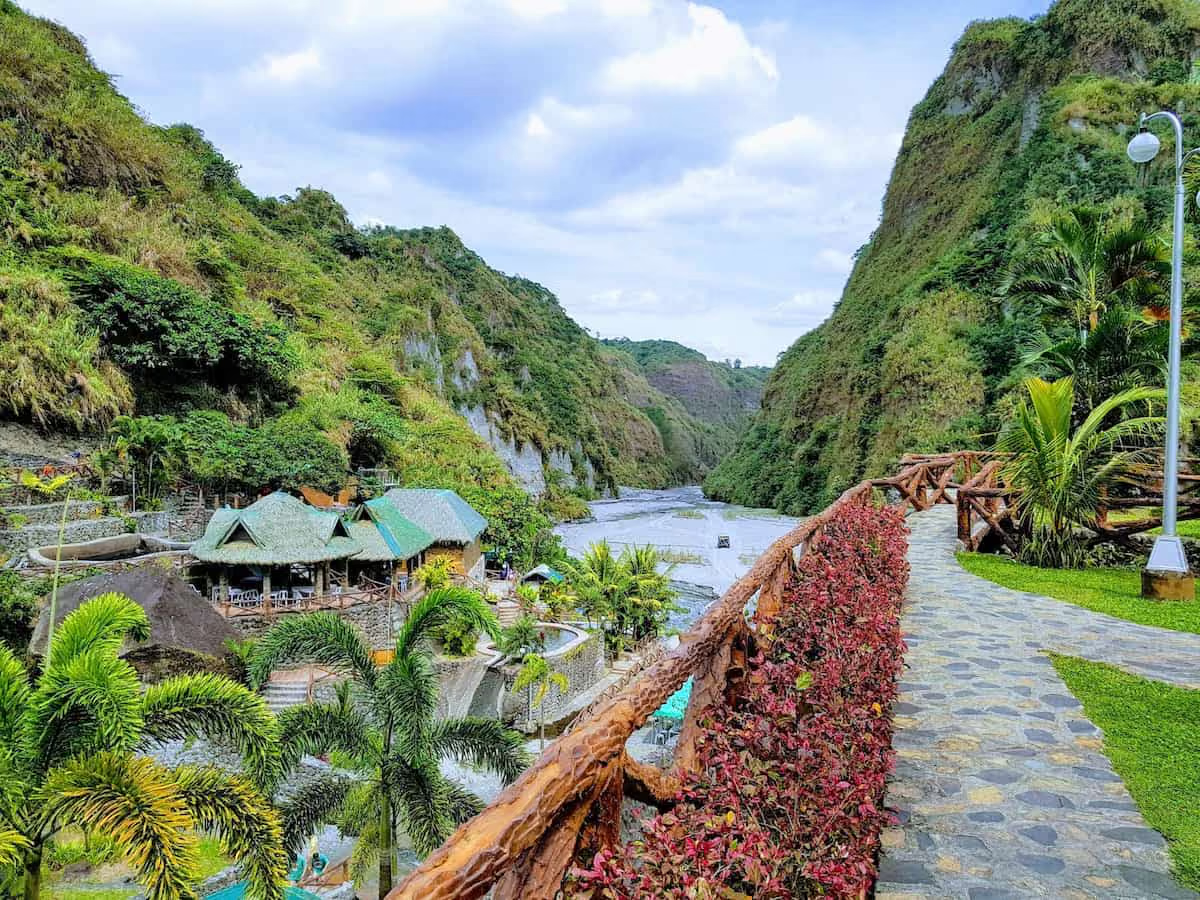
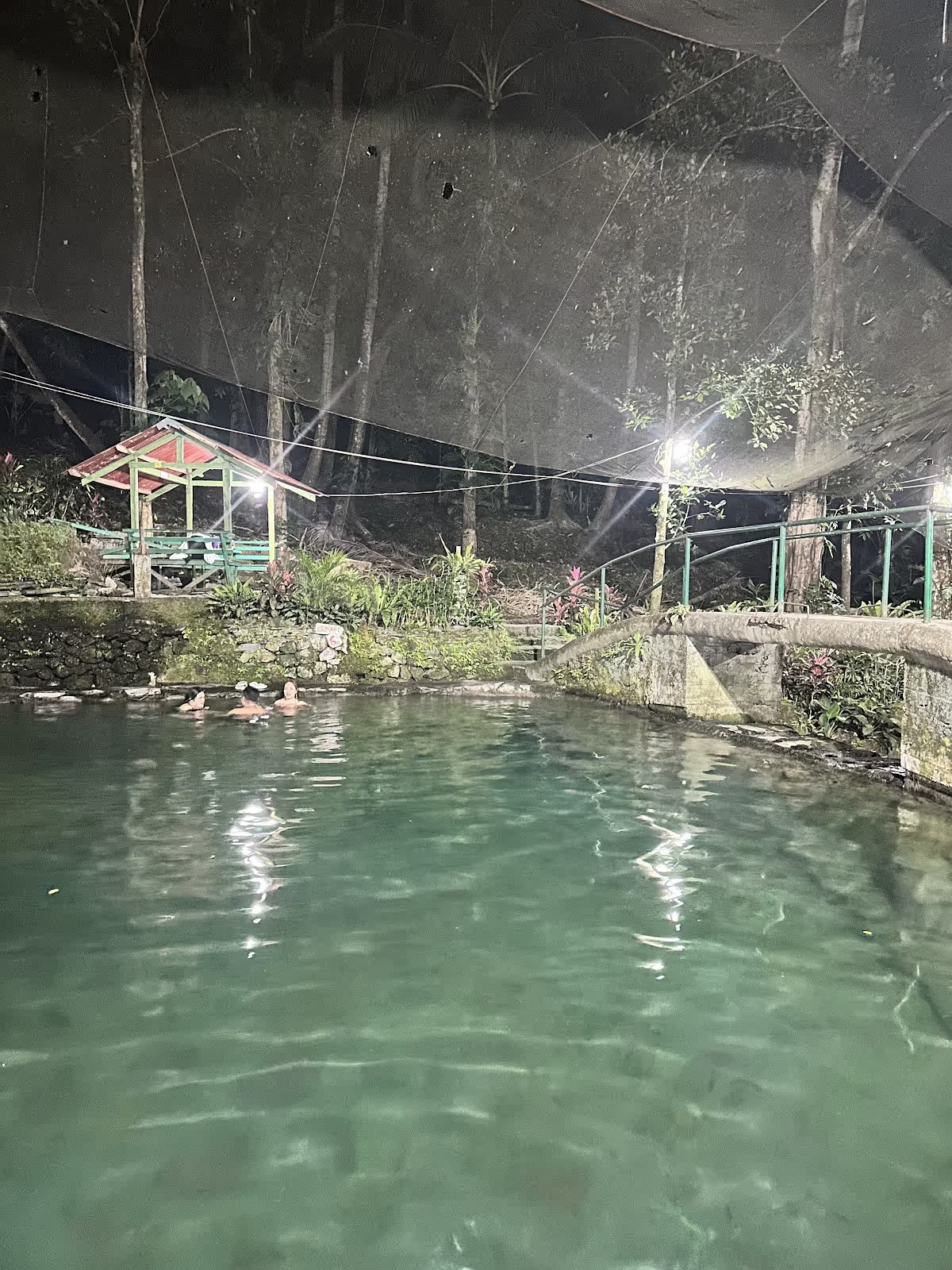
The pools sit in a forested mountainside setting with a river running through the area. Facilities include a barbecue area, toilets, and a small shop selling cold drinks. The site was significantly damaged by Typhoon Yolanda and again by a 2017 earthquake and storm, and has undergone partial rebuilding. Conditions may vary from older accounts.
Mapaso Hot Spring is one of the less commercialised thermal destinations in the Philippines. Among the hot springs near Calbayog, it is the most distinctive for its crustacean ecosystem and river valley setting.
Location & Access
Getting to Mapaso Hot Spring
Mapaso Hot Spring requires a combination of road and river travel from Calbayog City. From the city centre, take a tricycle or private vehicle north along the National Highway to Oquendo District, approximately 30 minutes and 5 km from Calbayog. From Oquendo, a boat ride up the Hibatang River reaches Barangay Longsob, the access point for the spring. The river crossing takes approximately 15 to 30 minutes. From the river landing, a short walk of approximately 15 minutes leads to Barangay Rizal II and the spring pools. Total travel time from central Calbayog is typically 1 to 1.5 hours.
Calbayog City is accessible by air from Manila via Calbayog Airport (CYP), served by domestic carriers including Cebu Pacific, with a flight time of approximately 1.5 hours. Alternatively, Calbayog is reachable by bus from Tacloban City in approximately 3 hours along the Pan-Philippine Highway.
Visitors should be aware that road conditions on the approach to Oquendo can be affected by weather, and the river boat crossing may not be available after heavy rain. The site is best approached with a local guide or by asking tricycle drivers in Calbayog for current access conditions. For visitors seeking hot springs near Calbayog, the remote river access is part of the character of the site, giving it a more adventurous feel than a standard road-accessible thermal complex.
Suitability & Accessibility
Who Should Visit Mapaso Hot Spring
Mapaso Hot Spring suits independent travellers and nature enthusiasts already in Calbayog City who are looking for a local, off-the-beaten-path thermal experience. The warm natural pools, river setting, and pokot crustacean ecosystem make it genuinely distinctive for those willing to navigate the boat access. The low entry cost and informal atmosphere reflect a local recreational site rather than a tourist resort.
Families are welcome and the site has historically attracted local families for day outings. Children who are comfortable with boat travel and outdoor settings will find the site engaging. The pokot crustaceans are a particular point of interest for younger visitors. However, the site is not suitable for visitors with limited mobility due to the boat crossing and the walk from the river landing to the pools.
Wheelchair accessibility is not documented. The multi-stage access via boat and hike makes this site unsuitable for visitors with mobility impairments. The site has experienced significant storm and earthquake damage in recent years; conditions may differ from pre-2013 accounts. Visitors are advised to check current access conditions in Calbayog before travelling. The dry season from November to May is the most reliable time to visit. Families seeking hot springs near Calbayog who are comfortable with adventure-style access will find Mapaso the most distinctive option in the region.
Safety & Etiquette
Mapaso Hot Spring Safety Tips
Mapaso Hot Spring is generally safe for most healthy visitors who are comfortable with semi-remote natural settings. The water is warm rather than scalding at the accessible pool areas. Test the water before entering as temperatures may vary between pools and can be higher near the spring source. The pokot crustaceans in the pools are harmless small freshwater shrimp that do not bite or sting.
The boat crossing on the Hibatang River adds a safety consideration that does not apply to road-accessible hot springs. Only use the river crossing in a properly equipped boat with an experienced local operator. Do not attempt the crossing alone or in adverse weather or after heavy rain when water levels rise and currents strengthen. The walk from the river landing to the spring involves uneven trail terrain; wear closed-toe footwear or water shoes with grip for the combined boat and trail access. Children should be supervised throughout the river crossing and the trail section.
The site has suffered structural damage from Typhoon Yolanda and the 2017 earthquake and storm. Pool and facility conditions may be partially rebuilt but not fully restored. If the water appears discoloured or has an unusual taste, exit the pool. Bring your own drinking water as the site is remote and the small shop may have limited supplies. Cash is required for entry and on-site purchases. The site is managed by the local government unit; check with local authorities or tourist offices in Calbayog for current operating status before making the trip.
Frequently Asked Questions
1
What are pokot and why do they live at Mapaso Hot Spring?
Pokot are small freshwater crustaceans, similar to tiny shrimp, that thrive in the warm geothermal waters of Mapaso Hot Spring in Calbayog, Samar. The name Mapaso is derived partly from the Waray phrase meaning the place where crustaceans abound, in addition to its literal meaning of hot. The crustaceans develop a distinctive pinkish colour from the elevated water temperatures, which causes their natural pigments to behave similarly to the colour change seen when shrimp are cooked. They are harmless to swimmers. The presence of pokot thriving in geothermally heated water is a natural curiosity and one of the main reasons Mapaso attracts visitors interested in local ecology in addition to the thermal bathing experience.
2
How do I get from Calbayog City to Mapaso Hot Spring?
From Calbayog City, take a tricycle north along the National Highway to Oquendo District, approximately 30 minutes and 5 km from the city centre. At Oquendo, board a small boat for a river trip up the Hibatang River to Barangay Longsob, taking approximately 15 to 30 minutes depending on river conditions. From the river landing, a 15-minute walk leads to Barangay Rizal II and the hot spring pools. Total travel time from central Calbayog is typically 1 to 1.5 hours each way. Tricycle drivers in Calbayog are familiar with the route to Oquendo. It is recommended to arrange a local guide or check with your accommodation for current boat availability, as river conditions affect access.
3
Was Mapaso Hot Spring damaged by Typhoon Yolanda?
Yes. Mapaso Hot Spring was significantly damaged by Typhoon Yolanda (international name: Haiyan) when it struck the Eastern Visayas region in November 2013. The site sustained further damage from a 2017 earthquake and storm. The facility has undergone partial rebuilding since these events, but visitor accounts from the period after the damage describe reduced pool quality and incomplete restoration of facilities. Some reviews note that the large pool had water quality issues during the rebuilding period. Travellers should check with local tourism offices or tricycle drivers in Calbayog for the current operating status and condition of the facility before making the journey.
4
What is the best time to visit Mapaso Hot Spring?
The dry season from November to May is the most reliable time to visit Mapaso Hot Spring. During this period, river levels on the Hibatang River are lower and the boat crossing is more straightforward. The wet season from June to October brings heavy rainfall that can raise river levels and make the crossing more difficult or unavailable. Within the day, early morning visits are recommended; the site opens at 7 am and the air is cooler and more comfortable for the boat journey. The facility closes at 5 pm, so arriving by mid-morning gives a full day at the site.
5
Are there other hot springs or attractions near Mapaso Hot Spring in Samar?
Within Calbayog City and the wider Samar region, several other natural attractions are worth visiting. Calbiga Falls, Tinago-an Cave, Malajog Beach, and Daraga Island are popular destinations within the city. Sohoton Natural Bridge National Park in Basey, Samar is one of the most notable natural attractions in the region, featuring caves, lagoons, and rock formations. Biri Island in Northern Samar is known for unusual rock formations and is approximately 2 to 3 hours from Calbayog by road and ferry. Calbayog Airport has regular flights to Manila, making the city a practical base for exploring Western Samar.
Gallery
No pictures available for this hot spring.
Location
Address:
Barangay Rizal II, Oquendo District, Calbayog City, Samar, Philippines
Find a place to stay
Compare prices near this exact spot across Booking.com, Expedia and more.
See nearby stays →
12.12
124.595
Mapaso Hot Spring, Philippines
Text LinkBarangay Rizal II, Oquendo District, Calbayog City, Samar, Philippines
More hot springs in Philippines
Some accommodation links on this site are affiliate links. If you book through them, we may earn a small commission at no additional cost to you. This helps keep hotspringsguides.com free to use.