
Quick FactsOverview
About Metung Hot Springs
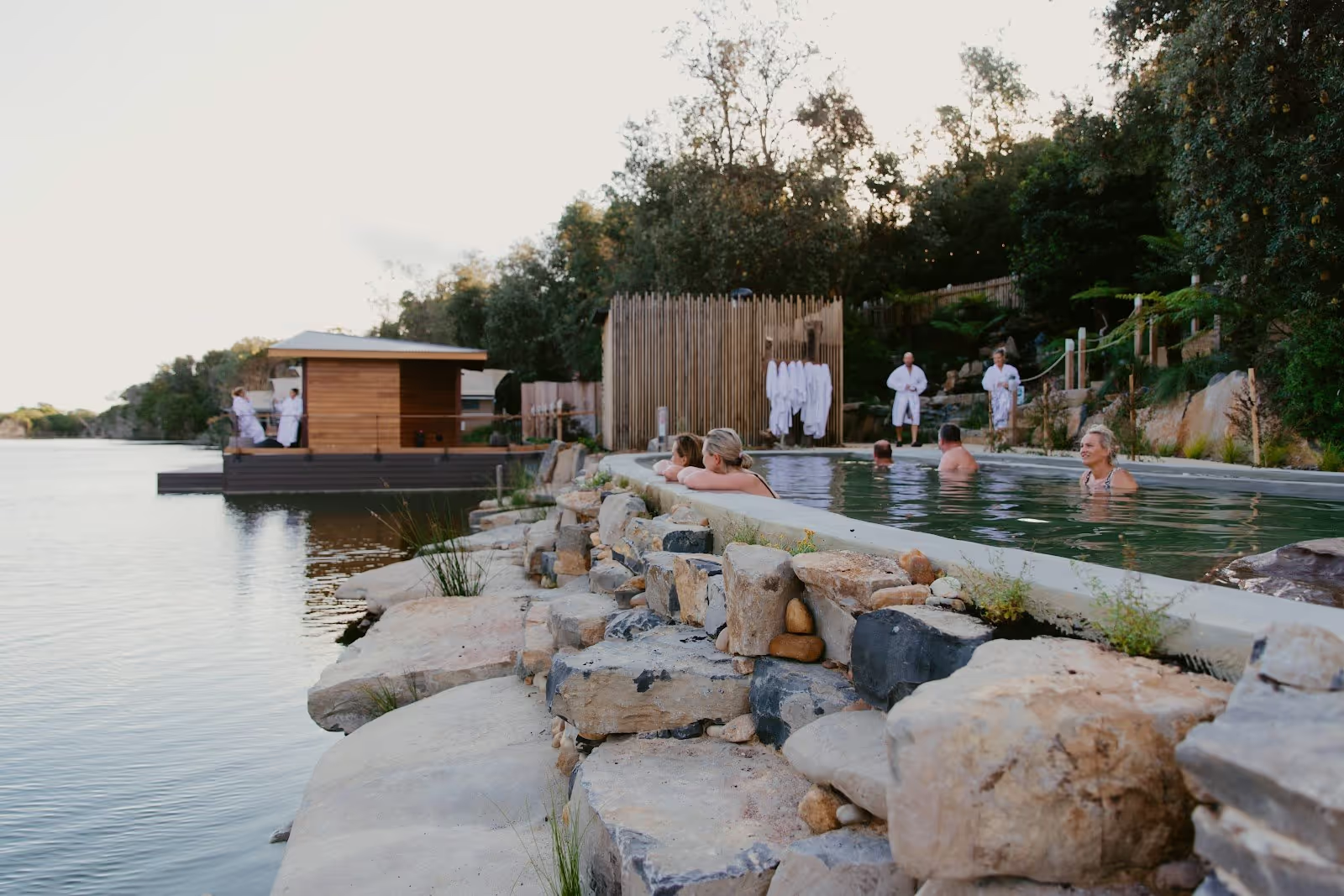
Metung Hot Springs, Australia is a paid geothermal spa at 73 Storth Ryes Avenue in Metung, East Gippsland, Victoria, approximately 30 kilometres east of Bairnsdale and 312 kilometres east of Melbourne. The site draws geothermal water from 500 metres below ground at 45 degrees Celsius at source before distributing it across pools at varying temperatures. The facility opened in November 2022 as part of the Peninsula Hot Springs group and is set across a hillside site overlooking Lake King and the Gippsland Lakes system.
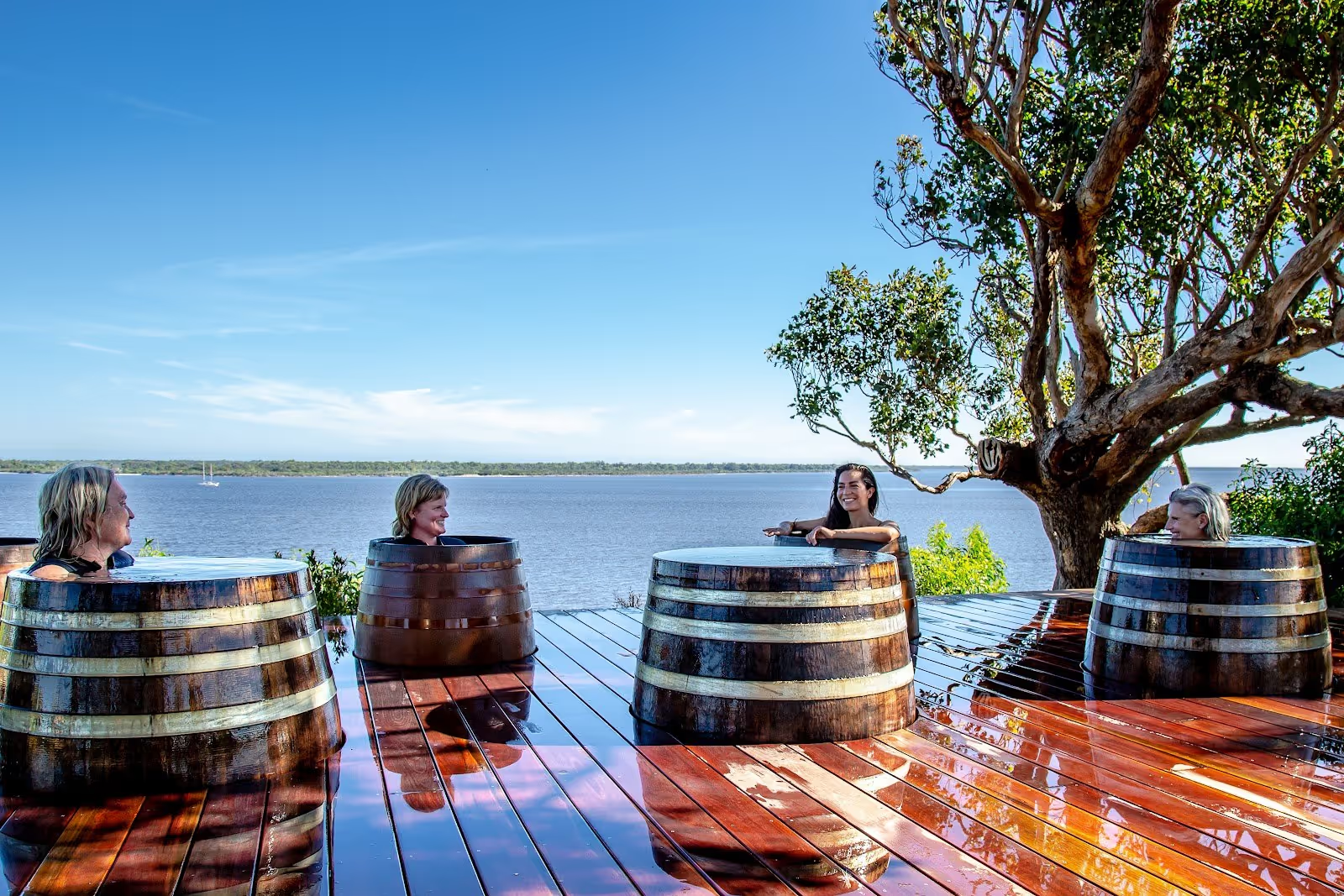
The bathing complex includes around eight pools across different precincts: the Bathing Ridge, the Lagoon Precinct, and the Hilltop Escarpment. The Hilltop Escarpment, reserved for guests aged 16 and over, includes a stargazing pool, cold plunge tub, and individual bathing barrels. General bathing areas include pools of varying depths, geothermal showers, a reflexology walk, relaxation lounges, foot and hand baths, and a coffee hut. A day spa offering massage and other treatments is bookable in conjunction with bathing. Glamping accommodation with private bathing barrels on-deck is available for overnight stays. For visitors seeking thermal pools in Australia in East Gippsland, Metung is the only geothermal spring facility in the region and the most distinctly coastal-setting spa in Victoria.
Location & Access
Getting to Metung Hot Springs
Metung Hot Springs is at 73 Storth Ryes Avenue, Metung, approximately 5 kilometres from the Metung village on a private lakeside estate bordering Lake King. From Bairnsdale, take the Princes Highway east and follow the turn toward Metung via Nicholson Road; the site is signposted from the main road through the village. The drive from Bairnsdale takes around 30 minutes. Free parking is available on site.
From Melbourne the drive takes approximately three hours and 50 minutes via the Princes Freeway and Princes Highway. Public transport runs on the Gippsland V/Line from Melbourne's Southern Cross Station to Bairnsdale, where a taxi or rideshare to the venue is needed. Bookings are essential for all sessions and the venue fills quickly on weekends, public holidays, and during school holiday periods. Charter and private flights can access Bairnsdale Airport, with international connections through Melbourne and Sydney. The Metung village and the nearby township of Lakes Entrance have accommodation for overnight stays. For visitors researching geothermal pools in Australia in Victoria east of Melbourne, Metung Hot Springs is the most easterly geothermal spa in the state, offering a Gippsland Lakes coastal setting not found at any other Victorian spring.
Suitability & Accessibility
Who Metung Hot Springs Suits
Metung Hot Springs suits couples, groups, and families visiting East Gippsland who want a managed geothermal spa experience with a lakes backdrop and full on-site amenities. The coastal-bush setting and views over the Gippsland Lakes distinguish the venue from inland Victoria alternatives. The all-day bathing format lets visitors move at their own pace between pools, the reflexology walk, the sauna, and the day spa over several hours.
Children are welcome in the general bathing areas. The Hilltop Escarpment, including the bathing barrels and stargazing pool, is reserved for guests aged 16 and over. The venue advises that disabled access is available, but notes that hot-springs bathing generally involves steps into pools and wet uneven surfaces. Visitors with specific mobility requirements are encouraged to call the reservations team on (03) 5141 2300 before booking to confirm which areas and entry methods are appropriate.
Day-pass and multi-visit pass options are available. Spa treatments are booked in conjunction with bathing. For visitors seeking geothermal pools in Victoria with accommodation on site, the glamping option provides private bathing barrels, lake views, and a delivered breakfast. Weekends and school holidays fill quickly; booking well in advance is strongly recommended. Mineral-rich water from depth may cause temporary discolouration of swimwear.
Safety & Etiquette
Metung Hot Springs Safety Tips
Metung Hot Springs is generally safe and staffed during operating hours. Geothermal water reaches 45 degrees Celsius at source before cooling to bathing temperatures across the pools. Guests should enter pools gradually and take regular breaks between soaks to avoid overheating. Staying hydrated throughout the visit is important; the venue recommends bringing a reusable non-glass water bottle to use between sessions.
Swimsuits are required in all pool areas. Glass is not permitted on site. Footwear is recommended around pools and all wet areas to reduce slip risk. Soaps and personal care products should not be used in the geothermal pools. If a lightning storm moves within close proximity, guests are asked to evacuate the pools and remain under cover until the weather clears. Spa treatments are available from trained therapists and require advance booking through the reservations team on (03) 5141 2300.
Bookings are essential for all visits. The facility opens daily at 9am and guests must vacate the pools 15 minutes before the 6pm closing time to allow time to change and depart. Walk-in guests may not be accommodated if the session has reached capacity. Current pricing is published on the official website at metunghotsprings.com and may vary by session type and time of visit. Visitors who are pregnant, have heart conditions, or are sensitive to heat should seek medical advice before bathing in hot pools. Mineral-rich water from depth may cause temporary discolouration of swimwear.