Quick FactsOverview
About Niska Banja
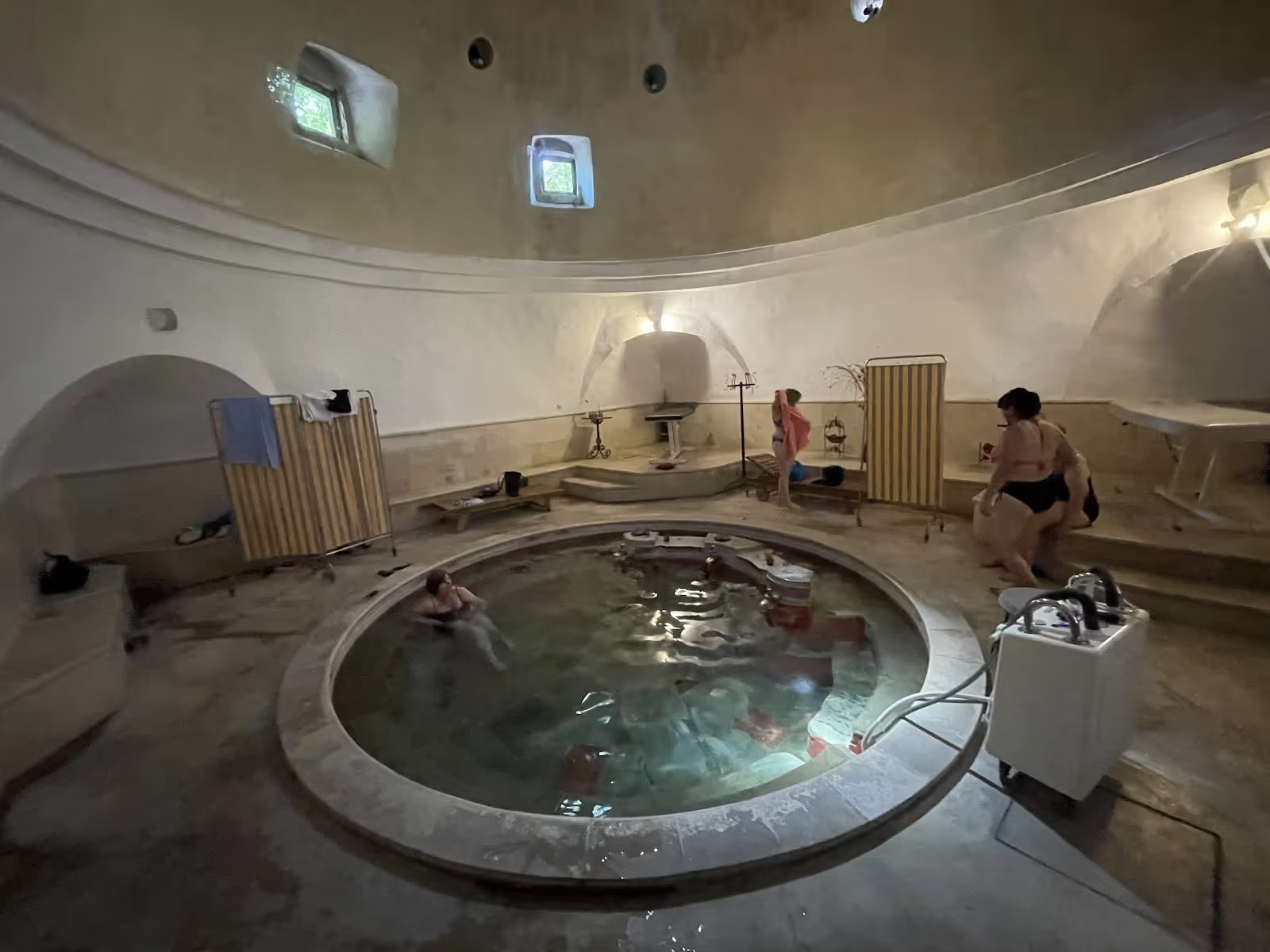
Niska Banja, Serbia is a thermal spa town located 9 km east of Nis in the Nisava District of southern Serbia, built around a cluster of radon-enriched mineral springs that discharge water at temperatures of 36 to 38 degrees Celsius. The town is one of the five city municipalities of Nis and sits at the foot of Suva Planina mountain, sheltered by Svrljig mountain to the north. Its thermal waters have been used since at least the second century, with documented Roman bathing facilities on the site and later Ottoman use before the town developed into its current form during the early twentieth century.
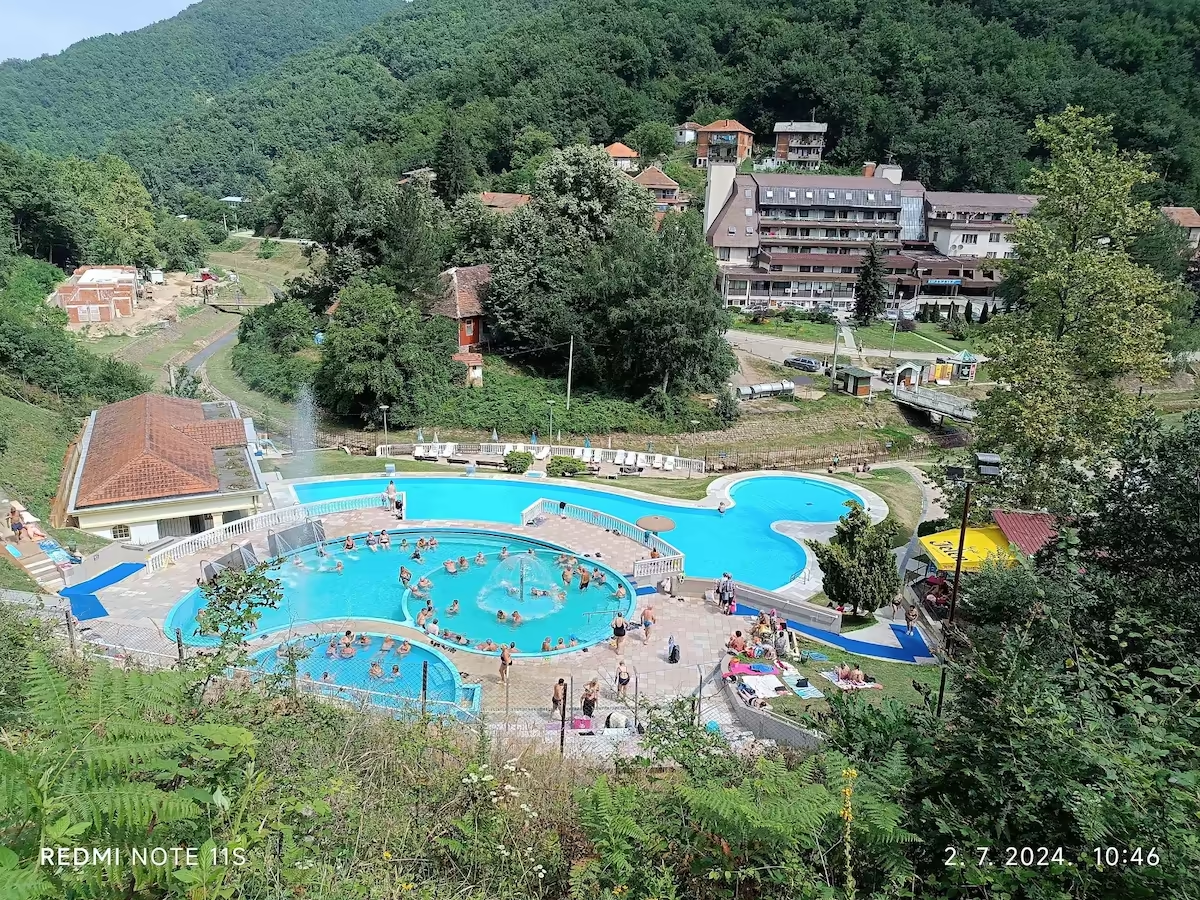
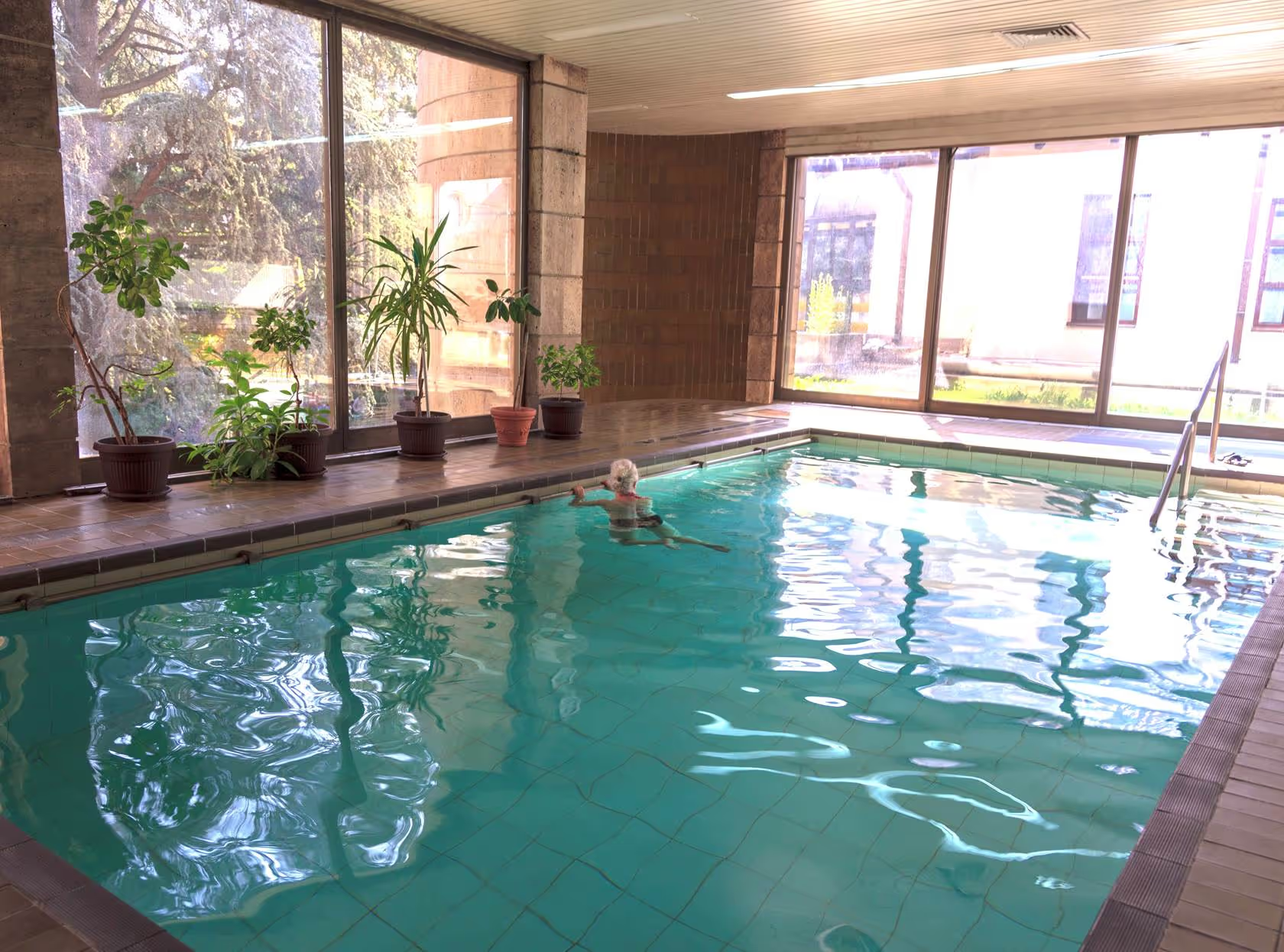
The central institution in Niska Banja is the Institute for Treatment and Rehabilitation, also known as the Radon Institute, located at Srpskih junaka 2. The Institute operates three residential units totalling 560 beds and four clinical departments covering rheumatology, cardiovascular disease, orthopaedic surgery, and rehabilitation. Day visitors can access the thermal swimming pool, the Sense Wellness and Spa center, jacuzzi facilities, saunas, and various therapeutic treatments without being admitted patients. Entry to the thermal pool is paid. The water is classified as a slightly mineralized alkaline-earth homeotherm containing natrium, calcium, magnesium, potassium, chlorine, sulphates, and radon gas, which is associated with potential therapeutic effects for cardiovascular and rheumatic conditions.
Visitors looking for hot springs in Serbia will find Niska Banja to be one of the country's most established spa destinations, ranking third in Serbia after Vrnjacka Banja and Sokobanja. The spa town has its own distinct character, with forested hillside walks, a parkland setting, and a continental climate that remains warmer year-round than the surrounding area due to its sheltered geography.
Location & Access
Getting to Niska Banja
Niska Banja is reached from central Nis by a direct local bus route, with line 1 running between Minovo Naselje and Niska Banja passing through the city centre. The journey takes roughly 20 minutes. The spa town sits immediately south of the main Nis-Sofia highway, making it straightforward to reach by car from the E80 motorway, with the approach road well marked. Taxis from central Nis are also commonly used and cover the 9 km distance quickly.
For hot springs near Nis arriving from further afield, the closest airport is Nis Constantine the Great Airport, which handles domestic and some international flights. Nis is also served by train connections and intercity buses from Belgrade, which is approximately 220 km to the north by highway. From Nis bus or rail station, local bus line 1 provides the most practical onward connection to the spa. The Institute itself is signposted on arrival in Niska Banja, and the address Srpskih junaka 2 serves as the central point for most visitor facilities.
The town itself is compact and largely walkable once you arrive. The main spa facilities are concentrated around the Institute complex, with the forested Koritnjak park directly accessible from the spa area. Parking is available on site. The setting at the foot of Suva Planina means the surrounding hills are visible from most parts of town and provide opportunities for short walks, though the spa facilities themselves are on level ground.
Suitability & Accessibility
Who Niska Banja Suits
Niska Banja suits a wide range of visitors, from those seeking medically supervised rehabilitation and balneological treatment to casual day visitors who simply want to use the thermal pool and wellness facilities. The Institute accepts both residential patients on multi-day treatment programmes and day visitors paying for pool or spa access independently. This dual function makes it accessible to people with different levels of health interest and different budgets.
Families can visit, as the thermal pool is open to general public entry and the water temperature of 36 to 38 degrees Celsius is warm but not hazardous. The forested park and open green areas around the spa make the town comfortable for a relaxed day out. The setting at the foot of Suva Planina also suits visitors who want to combine a spa visit with easy hillside walking in the Koritnjak park forest directly adjacent to the complex.
Older visitors and those with rheumatic, cardiovascular, or joint conditions may find Niska Banja particularly relevant, as the radon-enriched water and clinical staff are specifically oriented toward these conditions. Treatments including mud therapy, physiotherapy, hydrotherapy, and mineral baths are available through the Institute on a scheduled basis. For anyone seeking hot springs in Serbia with genuine medical facilities on site rather than purely leisure infrastructure, Niska Banja provides that combination more fully than most other Serbian spas. Solo travelers, couples, and small groups looking for a quieter, historically grounded spa experience will find the town's parkland setting and modest scale a contrast to busier resort destinations.
Safety & Etiquette
Safety at Niska Banja
Niska Banja is generally safe to visit, with the main facilities operated by a licensed medical institution with professional staff, supervised bathing areas, and regulated water quality. The thermal pool water temperature of 36 to 38 degrees Celsius is warm and comfortable for most visitors and does not present the burn risk associated with higher-temperature springs. Visitors with cardiovascular conditions, high blood pressure, or other medical concerns should consult their own doctor before bathing in radon-enriched water, as the radioactive content, though low, is a documented characteristic of the springs and is the basis of their use in clinical settings.
The radon content of Niska Banja's water is used therapeutically in the Institute's clinical programme. Radon in bathing water at the concentrations found here is within ranges studied for therapeutic application and is not associated with acute risk during normal recreational soaking. Long-term or repeated high-dose exposure is a separate consideration from a short visit. Visitors who are pregnant, immunocompromised, or under active medical treatment for conditions affected by radiation exposure should seek medical advice before bathing.
The spa town itself is a quiet, residential area with low general safety concerns. The Institute grounds and park are well maintained. Standard practical precautions apply: keep hydrated after bathing, rest in shade after soaking in warm water, and avoid combining hot soaking with alcohol. If visiting the Koritnjak forest park above the town, wear appropriate footwear for uneven terrain. Facilities within the Institute complex are indoors and managed, so the environment is predictable and comfortable for most visitors regardless of the season.