
Quick FactsOverview
About Nokalakevi Sulphur Waters
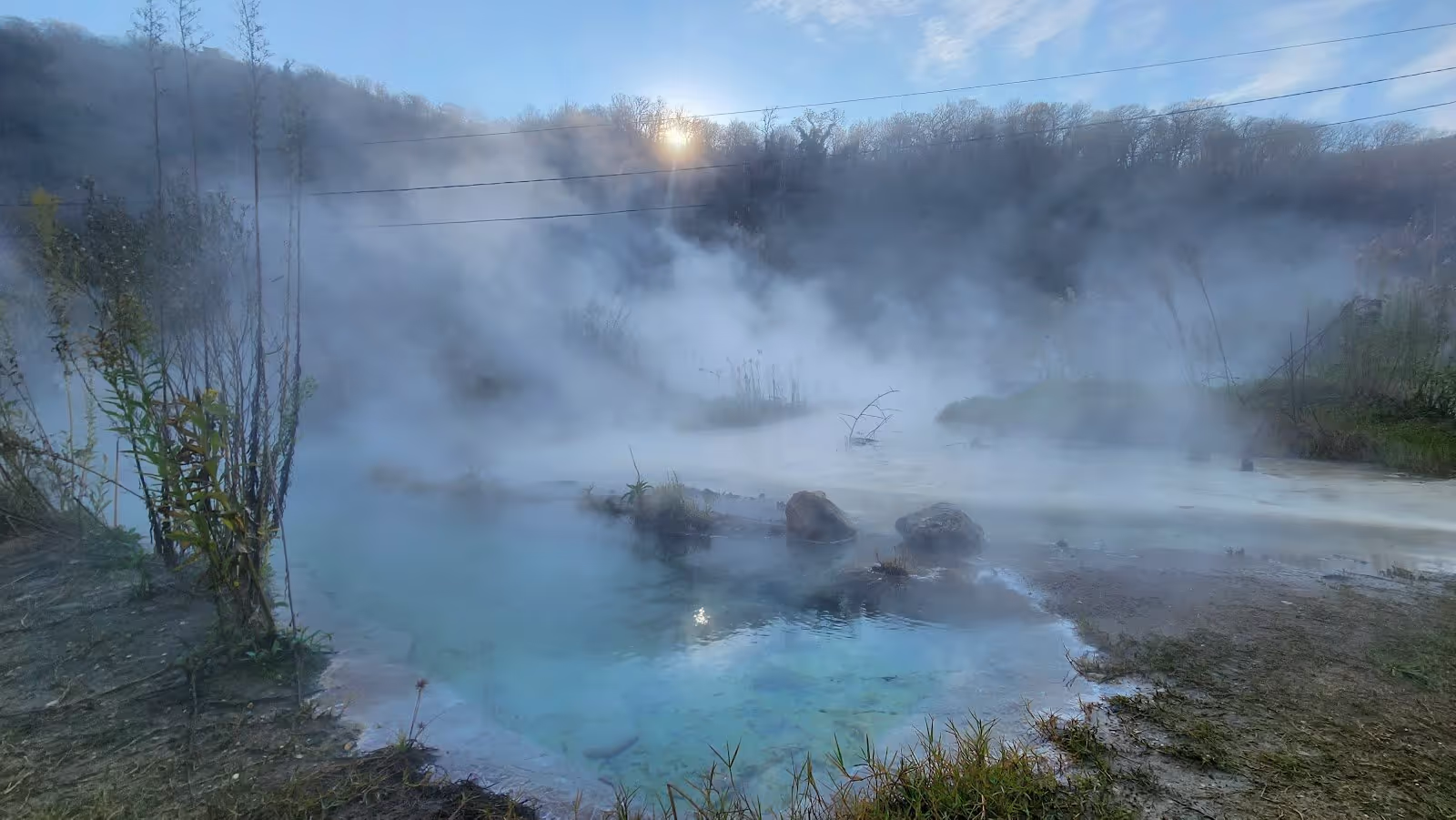
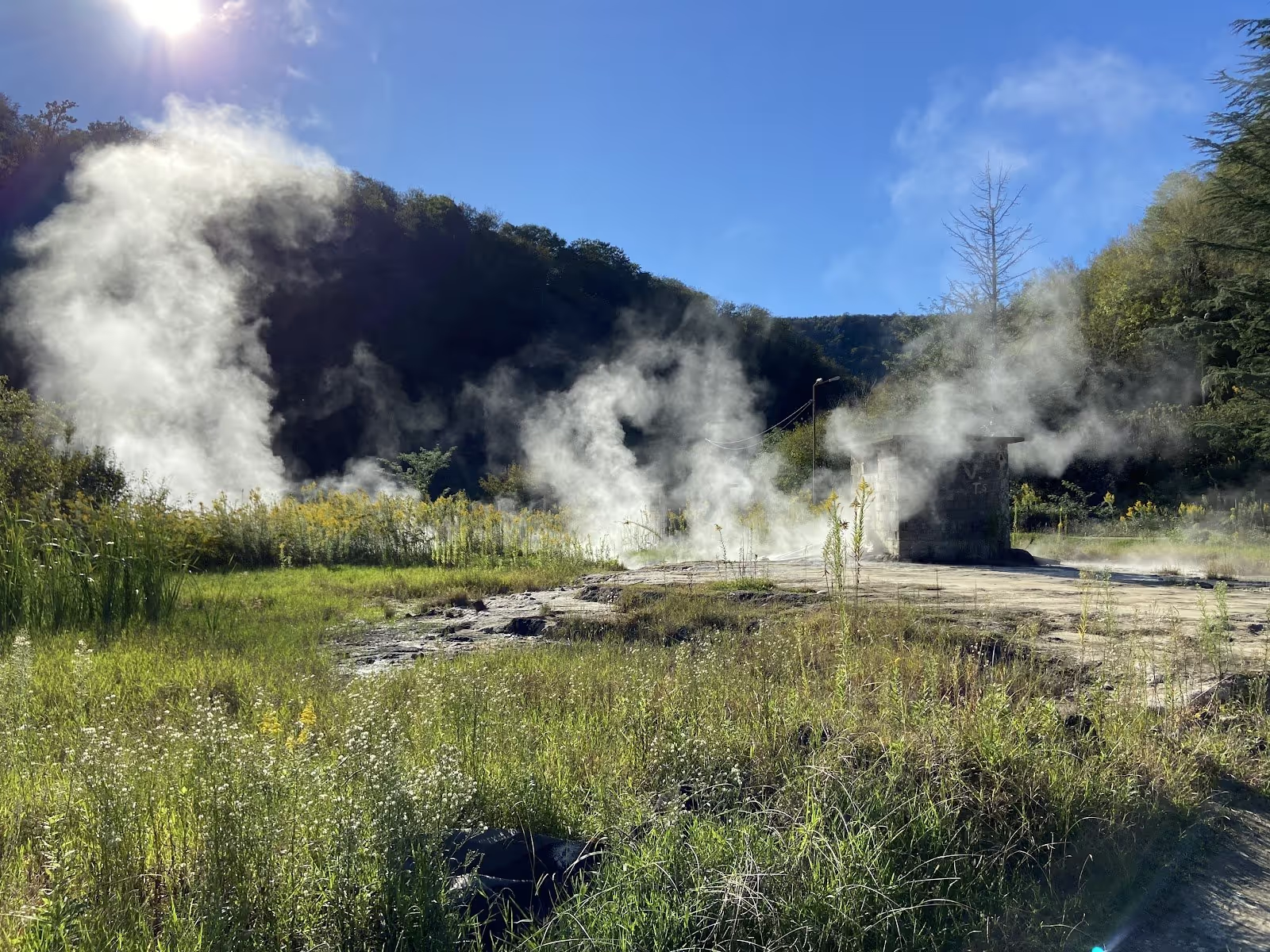
Nokalakevi Sulphur Waters, Georgia is a free, undeveloped geothermal spring located on the bank of the Tekhuri River in Samegrelo, within Senaki municipality of western Georgia, close to the historic Nokalakevi fortress-museum complex. Hot sulfur water rises directly from the ground and spills down a travertine formation it has built over time before merging with the cold current of the Tekhuri. The result is a striking mineral deposit of pale white and rust-orange rock that changes colour where iron in the water has oxidised onto the riverbed stones.
The spring is also known locally by the name Dedamoka, meaning pregnant mother in Georgian, linked to a legend in which a pregnant woman jumped into the river to escape enemy soldiers and was turned to stone. A large boulder near the spring is associated with this story. The natural spring has been used informally for soaking for generations and is known among visitors for the therapeutic relief of its sulfur-rich water, which is believed locally to benefit the joints and skin. The water temperature at the source is very high and not suitable for direct immersion; comfortable soaking happens at the river's edge where the two waters blend to a moderate warmth.
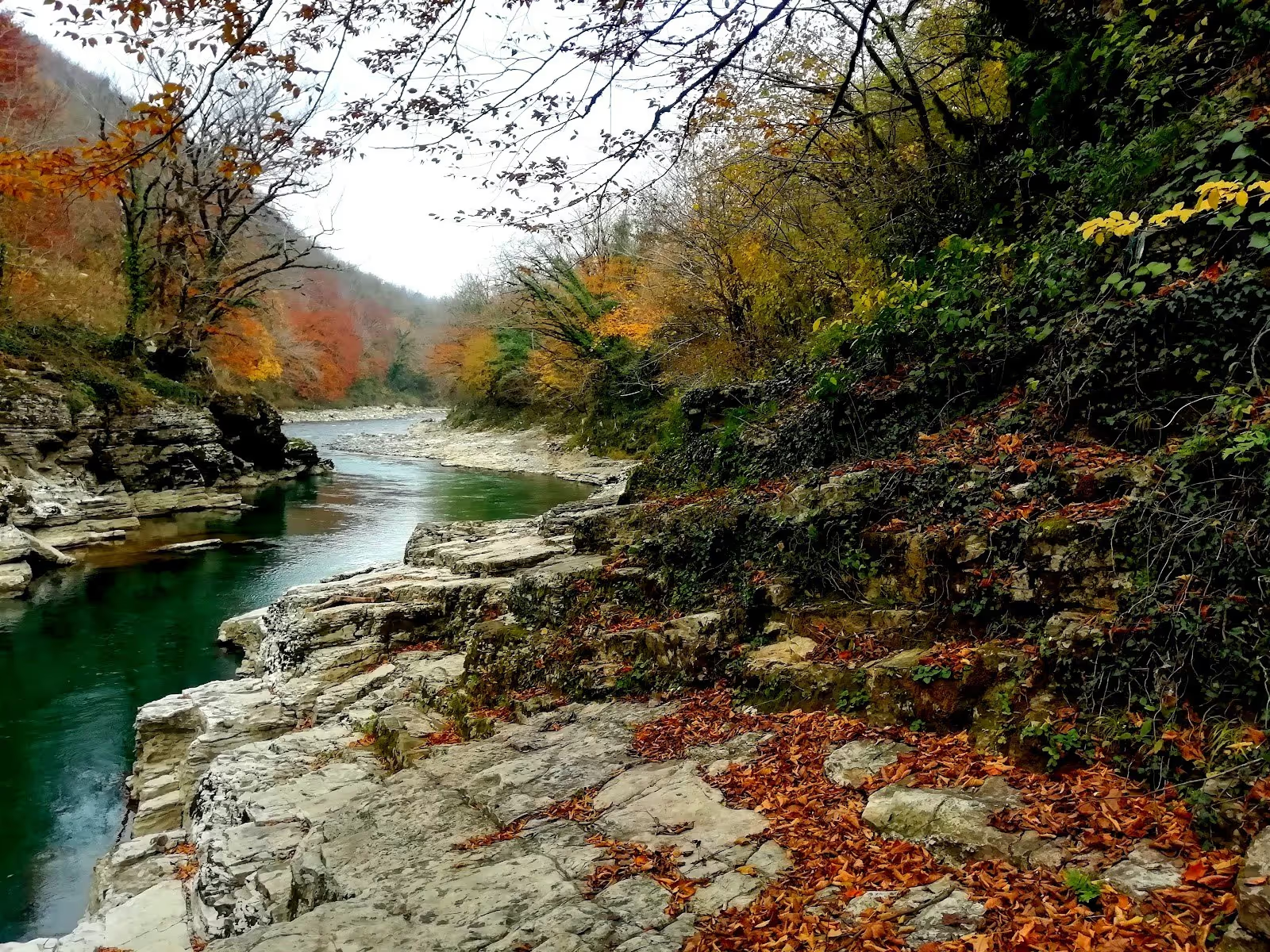
The setting is within a scenic river canyon in western Georgia, with forested slopes above the pebble beach. Combined with the nearby Nokalakevi fortress, which sits a short drive down the same road, the spring forms a practical half-day or full-day itinerary for travellers exploring the Samegrelo region or passing through between Kutaisi and the Black Sea coast. There are no hot springs in Georgia quite like this combination of geothermal activity and wild river access in a single compact site.
Location & Access
Getting to Nokalakevi Sulphur Waters
Nokalakevi Sulphur Waters are located approximately 53 kilometres west of Kutaisi and around 3.5 kilometres past the Nokalakevi fortress along the same river road, making both sites straightforward to combine in a single trip. Most visitors reach the spring by private car or hired driver, as public transport to this specific location is very limited. From Kutaisi, take the road toward Senaki and then follow signs toward Nokalakevi and Jikha village; the spring is found on the right side of the road where the path descends to the Tekhuri riverbank. The drive from Kutaisi takes roughly one hour depending on road conditions.
From Zugdidi to the north, the spring is approximately 60 kilometres by road. From Batumi, the drive is around 130 kilometres and takes roughly three hours, making it a viable stop on the way between the Black Sea coast and central western Georgia. Zugdidi, Senaki, and Kutaisi all have train stations with connections to Tbilisi, and marshrutka minibuses run between these towns, but the final leg to the spring requires either a taxi or a car. Hiring a driver for the day from Kutaisi is the most practical approach for independent travellers without their own vehicle.
Once at the parking area, the descent to the river involves a short but steep walk down a path through the trees, ending at a pebble beach alongside the Tekhuri. The walk is less than five minutes in dry conditions but requires care, particularly after rain when the path can be muddy. The travertine formation and the spring itself are visible from the beach. For travellers looking for natural hot springs near Kutaisi, this is one of the most accessible wild options in the region and is often visited as part of a wider Samegrelo itinerary that includes Martvili Canyon and the Nokalakevi fortress site.
Suitability & Accessibility
Suitability at Nokalakevi Sulphur Waters
Nokalakevi Sulphur Waters suit confident adults and older teenagers who are comfortable with a natural, unmanaged riverside environment and can handle uneven footing on wet rock and pebbles. The spring is not suitable for young children or anyone who requires stable footing and predictable conditions, as the riverbank is rocky and slippery in places, the water at the source is dangerously hot, and the Tekhuri River itself carries a meaningful current that varies with season and rainfall.
The experience differs substantially from developed hot springs in Georgia. There are no changing rooms, toilets, showers, or any other facilities. Visitors change on the open pebble beach and manage their own comfort entirely. This makes the spring appealing for independent travellers who enjoy natural sites, but it is not an appropriate choice for those expecting a managed bathing environment. In summer, the site can be busy and communal, with local families and travellers sharing the best soaking spots on the rocks, which adds to the social atmosphere but also means privacy is limited.
For those looking for natural hot springs in Georgia that require no entrance fee and no prior booking, Nokalakevi is among the most well-known options in the western part of the country. The combination of the free riverside soak with the historic fortress nearby makes it particularly good value as a day trip. Wheelchair access is not possible given the rough terrain and descent to the river. Visitors with any mobility limitations should exercise caution, and anyone with serious cardiovascular conditions should be aware that the water temperature at the source is very high.
Warm months from late spring to early autumn are the most comfortable time to visit, when air temperatures make changing and drying off manageable and river levels are lower. In winter, the cold air combined with icy shadows on the rock can create hazardous conditions, though some visitors still come for the dramatic contrast between the steam and the cold season atmosphere.
Safety & Etiquette
Nokalakevi Sulphur Waters Safety Tips
Nokalakevi Sulphur Waters carry meaningful natural hazards that visitors need to be aware of before arrival, with the most important being the extremely high temperature of the water directly at the source and the variable, sometimes powerful current of the Tekhuri River. The water at the spring head can reach temperatures well above safe bathing levels and must never be entered directly. Safe soaking is only possible at the river's edge where the hot spring water has mixed with the cold river, and even then, testing the temperature carefully before sitting or lying in the water is essential.
The Tekhuri River should be assessed before entering. After rainfall, the river rises and its current strengthens significantly. Avoid soaking near the spring when the river is high, discoloured brown, or flowing rapidly against the rocks. Getting swept away from an unstable position on wet riverside boulders is a real risk in high-water conditions. Children and non-swimmers should never enter the river here, and all visitors should identify stable entry and exit points before getting in.
Footing throughout the site is a consistent hazard. The travertine formation and the surrounding stones are coated in algae and mineral residue, making them slippery even when they look dry. Footwear with grip should be worn at all times; smooth sandals or bare feet on the rocks are accidents waiting to happen. Move slowly when crossing the stones and avoid trying to climb the travertine formation for photographs, as the surface is fragile as well as slippery.
Leave-no-trace practice applies strongly here. No soap, shampoo, or chemicals should be used at the spring or in the river, as this is a natural waterway. All rubbish including food scraps and cigarette ends must be taken out, since there are no bins or waste facilities at the site. The travertine deposit is a natural structure that forms slowly over time and should not be chipped, carved, or damaged in any way. When the best soaking spots are occupied, waiting your turn and giving others space is standard practice at this informal natural site.