Quick FactsOverview
About Sturlungalaug
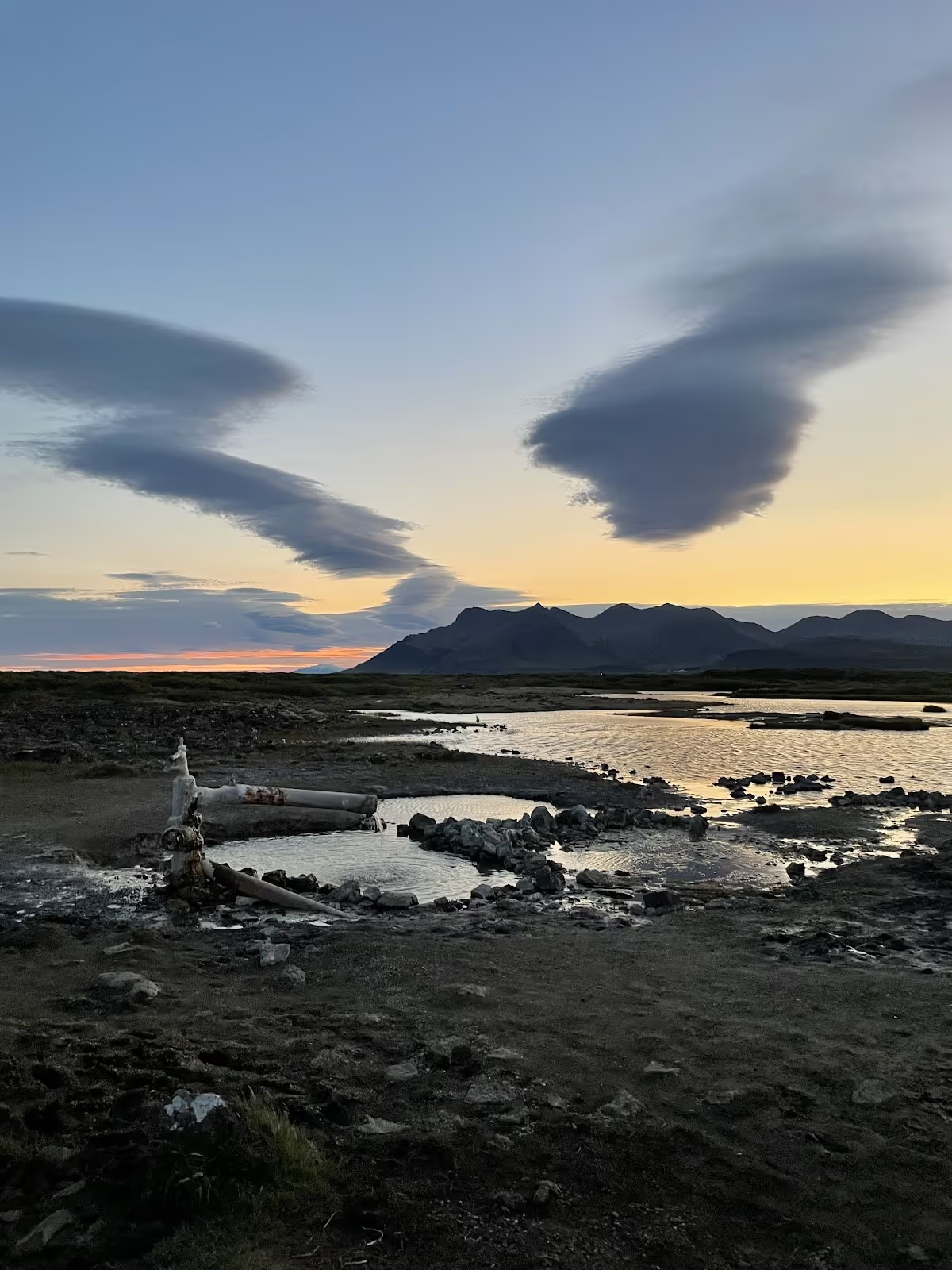
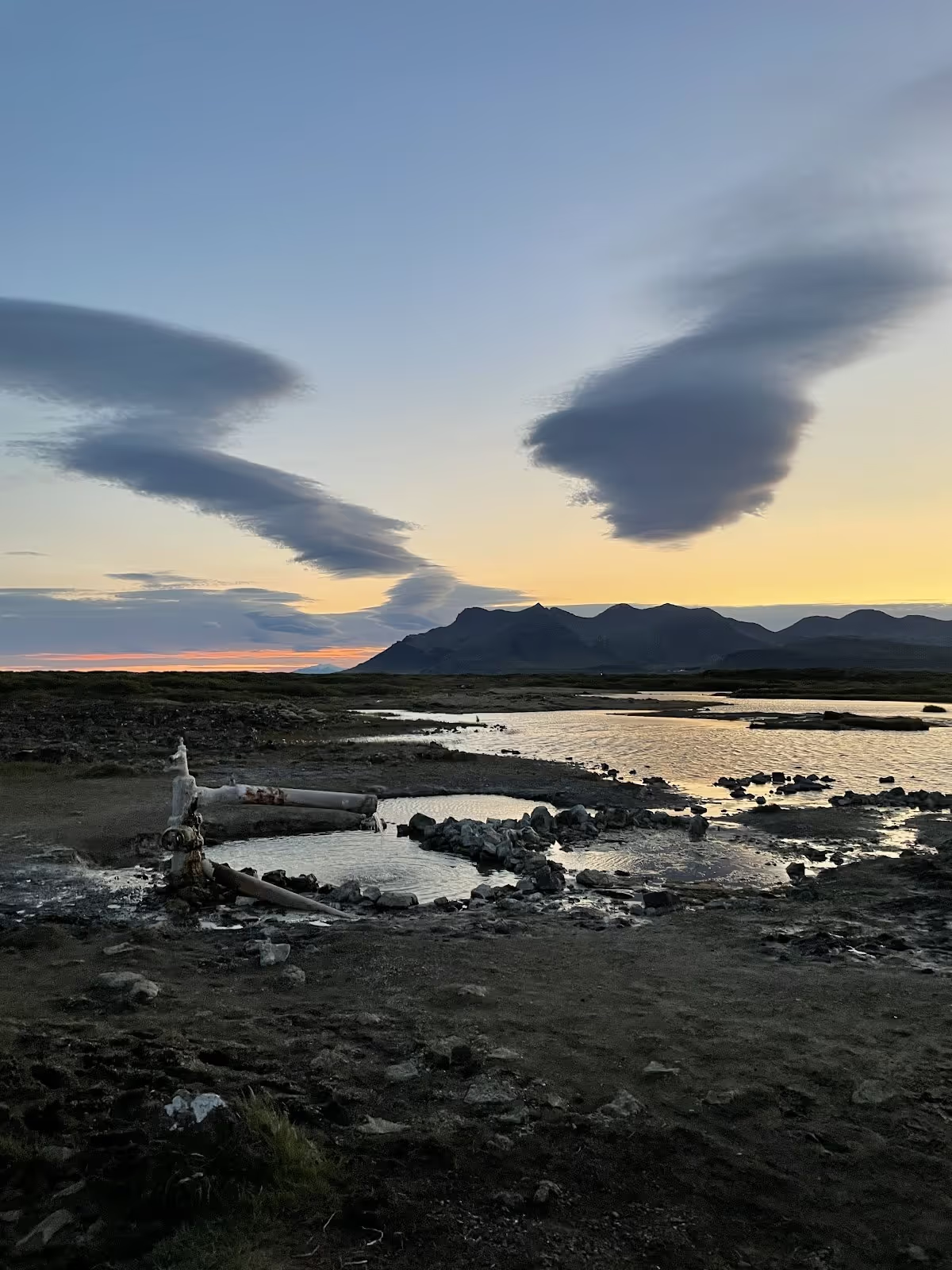
Sturlungalaug Iceland is a free natural geothermal pool located on the eastern edge of the Snaefellsnes Peninsula in West Iceland, approximately 45 kilometres from Borgarnes and around 130 kilometres from Reykjavik by road. The spring is also known locally as Gudmundarlaug and is considered one of the only wild natural hot springs on the Snaefellsnes Peninsula. It sits in an open grassy lava field at an altitude of roughly 20 metres, surrounded by moss-covered lava formations and distant mountain views. The pool is not signposted and does not appear on most standard maps, which is part of what keeps it quiet and uncrowded compared to Iceland's more accessible geothermal pools.
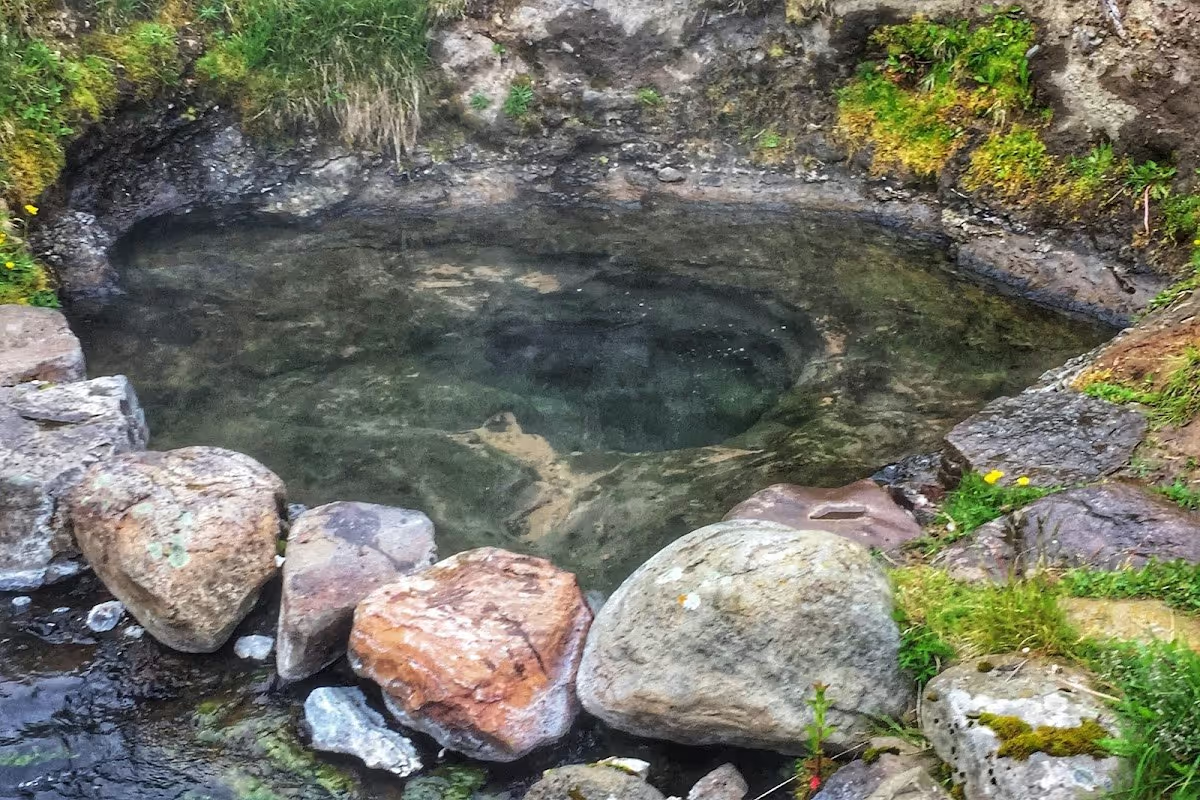
The spring consists of two small side-by-side pools: a larger one and a smaller one. The combined size is approximately 3 by 7 metres. The bottom is composed of mud and soft sediment, which gives the water a slightly murky appearance. The temperature typically ranges from 35 to 40 degrees Celsius depending on the season, with summer temperatures generally reported at around 38 to 39 degrees. The pool can comfortably fit eight to ten people, though visitor numbers are usually very low. A small wooden structure and borehole a few hundred metres from the pool serves as a basic changing area. There are no toilets, showers, or other facilities at the site. The surrounding landscape of the Snaefellsnes Peninsula is rich with geothermal activity and related natural pools, making it a good destination for visitors exploring hot springs in Iceland on a self-drive route.
The pool appears to be man-made in origin, with the geothermal water having been directed or collected into its current form, but the spring itself is entirely natural and has been in use for a long time. The mud at the bottom can be used on the skin in the same way as mineral mud treatments elsewhere. The site is open at all hours and entry is free year-round.
Location & Access
Getting to Sturlungalaug
Sturlungalaug is reached by turning off Route 54 onto Route 55 on the eastern side of the Snaefellsnes Peninsula and following the road north until you reach the dirt track turnoff near the Sydri Raudamelur farm sign. The dirt track runs for approximately 6 kilometres through old lava fields and past a few remote Icelandic huts. The track is bumpy and uneven throughout and takes around 20 minutes to drive at a cautious speed. At the end of the track there is a small informal parking area, and the pools are a one to two minute walk from there. From Route 1 north from Reykjavik, take the turn onto Route 54 at Borgarnes and continue west onto Snaefellsnes. The total drive from Reykjavik is approximately 130 kilometres, taking around two hours.
A 4WD vehicle is strongly recommended for the dirt track. A standard 2WD vehicle may be able to complete the track in dry summer conditions, but the bumpy surface risks undercarriage damage and the track can become muddier and more difficult to navigate in wet weather or winter. If you do not have a 4WD vehicle, it is possible to park on the roadside at Route 55 near the Sydri-Raudamelur sign and walk to the pools instead. The walk across the lava field takes approximately one hour in each direction. The pools are not signposted at the road and do not appear on most standard navigation apps, so using GPS coordinates directly is essential. The coordinates are 64.869597, -22.283878. Looking for hot springs near Borgarnes to visit as a day trip from Borgarnes or as a Snaefellsnes Peninsula stop is the most practical framing for planning this visit.
Suitability & Accessibility
Who Should Visit Sturlungalaug
Sturlungalaug suits visitors who are comfortable with remote Icelandic conditions and want an entirely unmanaged wild geothermal pool experience away from crowds. Because the site has no facilities and requires a rough road approach, it is not suited to visitors who need amenities or step-free access. For those happy to travel with a towel and a swimsuit in a 4WD vehicle and accept a basic, unmarked soaking spot, it offers something that Iceland's commercial pools and resorts cannot: a natural geothermal pool in open lava fields with no other visitors in sight, particularly outside of peak summer weekends. Visitors seeking natural hot springs in Iceland of this character will find Sturlungalaug among the most accessible of such pools on Snaefellsnes.
Families with older children who are comfortable walking across uneven terrain and can handle a remote setting should find the pools fine, as the temperature is moderate and the pools are shallow enough to wade in. Young children and toddlers are not well suited to the site given the lack of facilities, the mud substrate, and the rough road access. Solo travellers and couples account for most visits to the pool. The small changing structure near the borehole provides basic privacy for changing, and clothing optional practices are common at Icelandic wild pools. The best times to visit are early morning or late evening during summer, when light is long and visitor numbers are lowest. In winter the pool is accessible in principle but road conditions must be checked carefully, and the track can become icy or snowbound.
Safety & Etiquette
Safety and Etiquette at Sturlungalaug
Sturlungalaug is a remote area natural pool with no attendants, no signage at the site, and no emergency facilities nearby. This means visitors are entirely responsible for their own safety from arrival to departure. The most common hazard is the access road itself: the 6-kilometre dirt track passes through rough lava terrain and can become impassable in wet or icy conditions. Always check road conditions on the Icelandic Road and Coastal Administration website before setting out, and do not attempt the track in a 2WD vehicle in poor weather. The nearest assistance is at Borgarnes, approximately 45 kilometres away.
At the pool itself, test the water temperature before entering. The temperature varies across the two pools and can be higher near the source inlet, so check the water at different points before committing to a full soak. The mud substrate at the bottom makes the water murky and the footing soft; lower yourself in carefully rather than stepping in quickly. Spend no more than 15 to 20 minutes in the warmer end of the temperature range before taking a break to cool down. Do not enter if you see active bubbling near the source point, as this can indicate temperatures above safe soaking range. There are no toilets at the site, so plan accordingly before you leave the main road. Take all rubbish with you when you leave. Close all gates and fences you pass through on the dirt track, as the land is private farmland. Leave no trace completely, including removing any clothing or food items brought to the site.