Quick FactsOverview
About Termas Papallacta, Ecuador
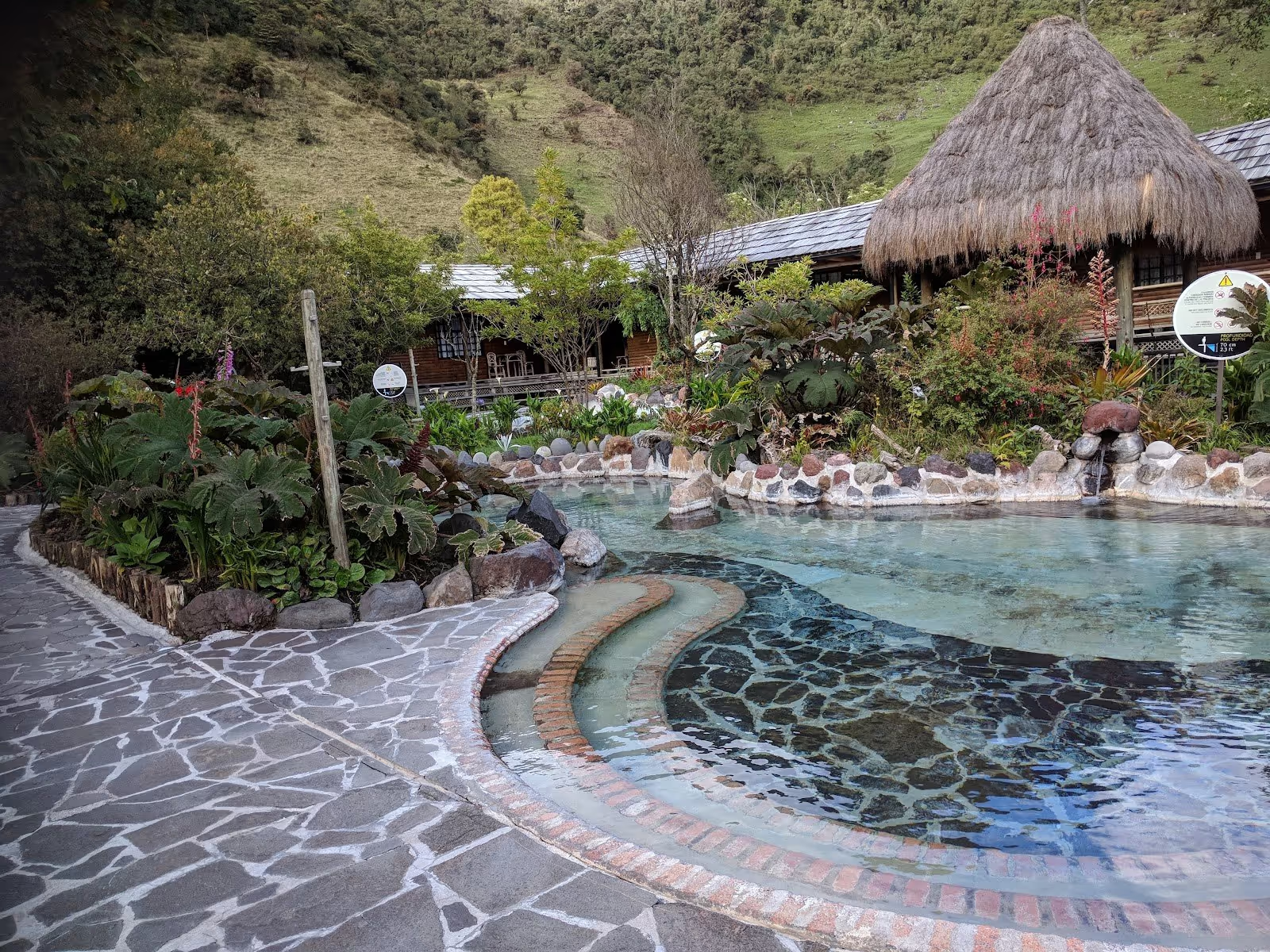
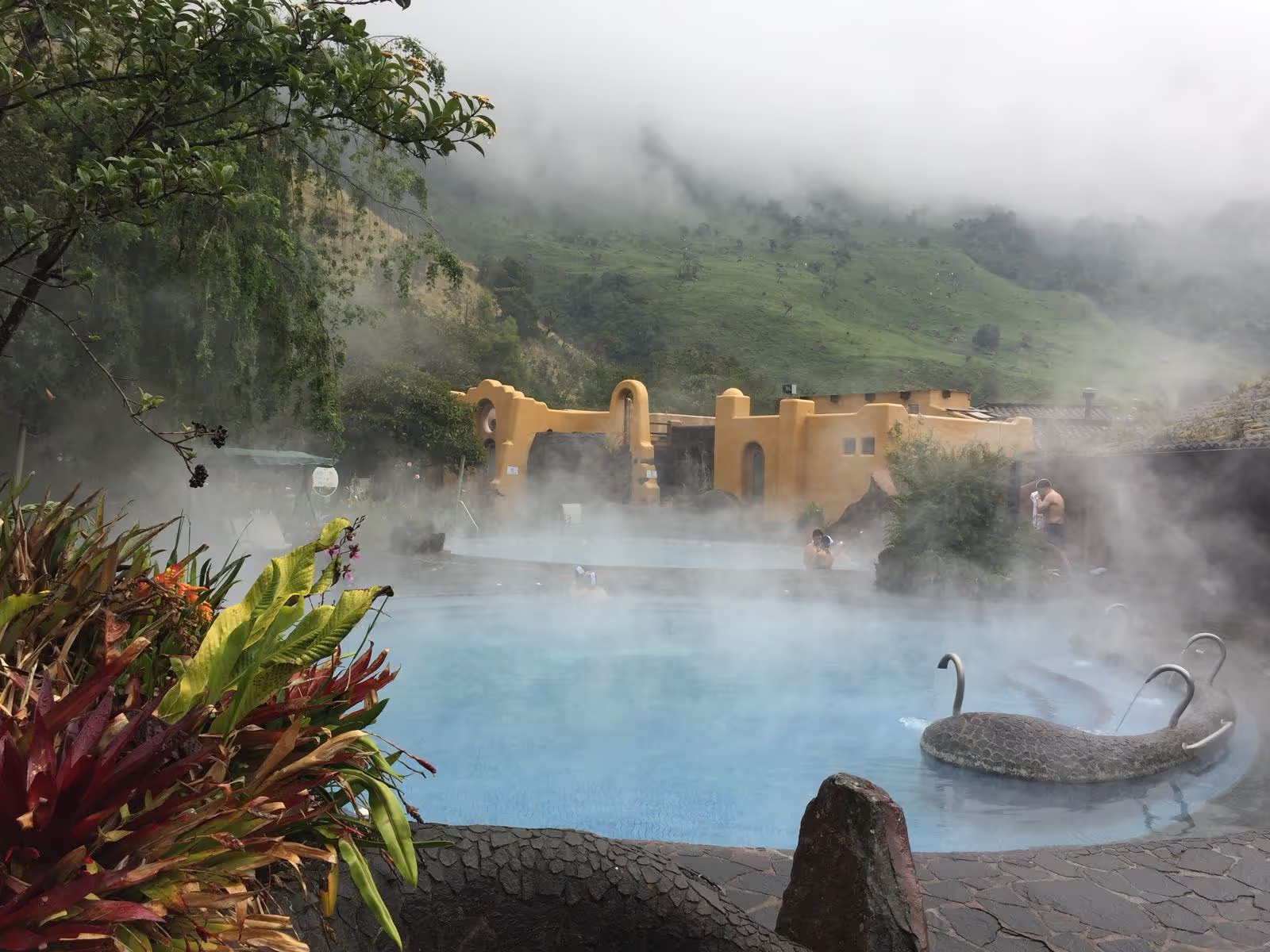
Termas Papallacta, Ecuador is a thermal hot spring resort in the parish of Papallacta in Napo Province, located at Km 65 on the Quito-Baeza highway at an elevation of 3,300 metres above sea level. The resort is set in a narrow high-Andean valley on the eastern slope of the Andes, at the gateway to the Ecuadorian Amazon and adjacent to the Cayambe-Coca Ecological Reserve. Glacial spring water and natural geothermal heating combine to produce the thermal water used across the complex. The site is approximately 45 minutes from Quito's international airport and about 1.5 hours from Quito city, making it one of the most accessible thermal resorts in Ecuador for visitors based in the capital.
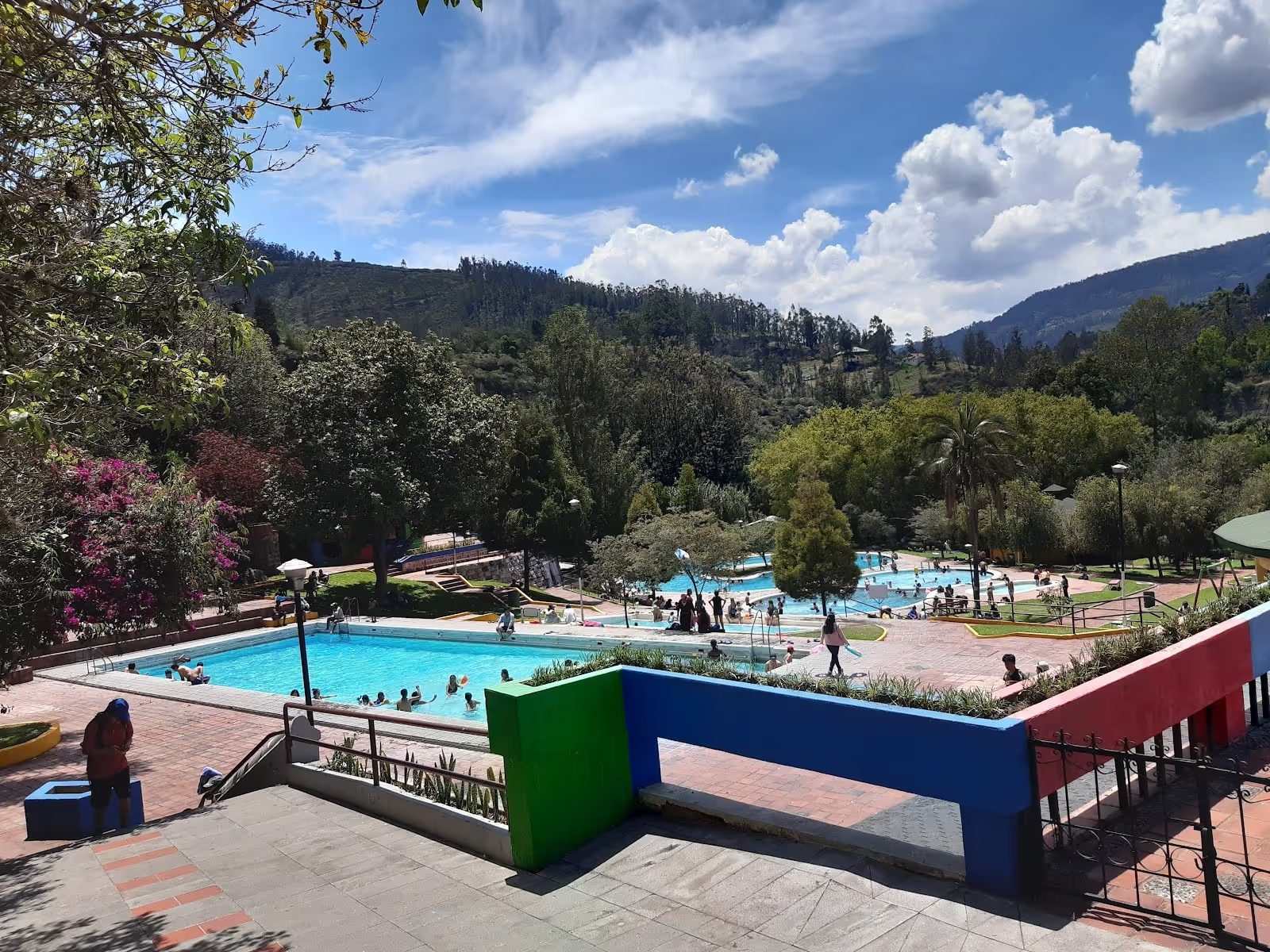
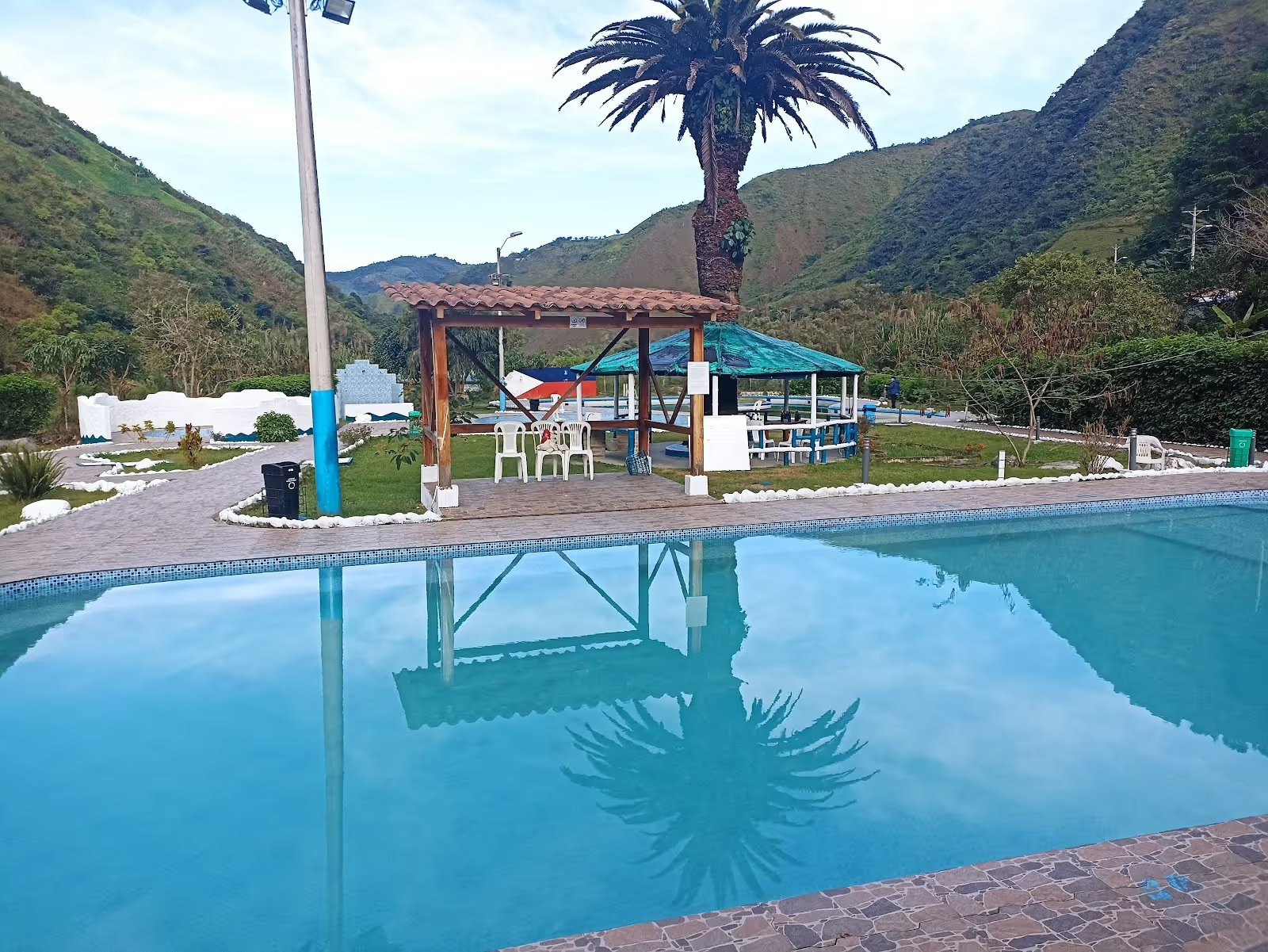
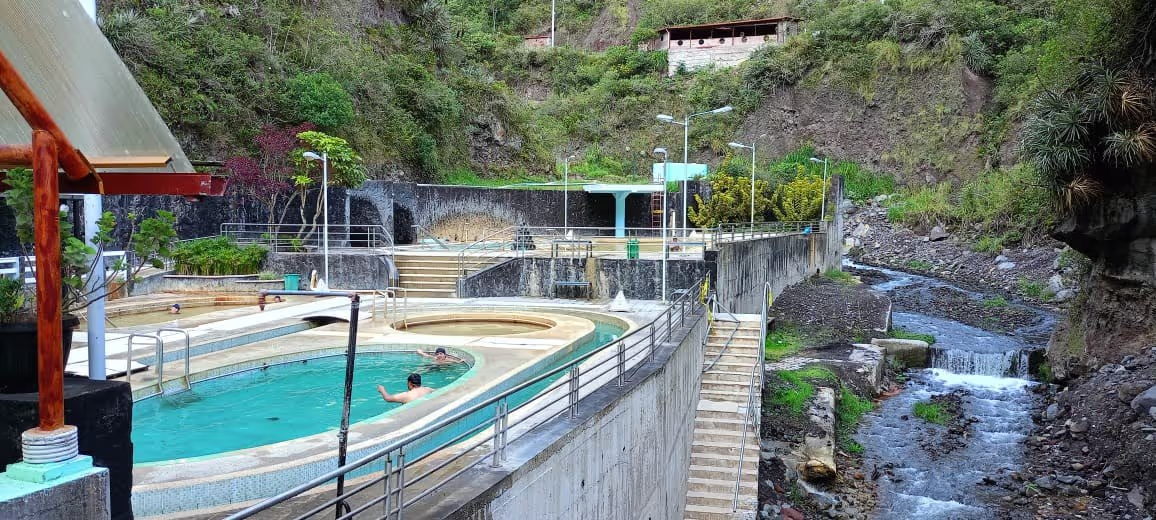
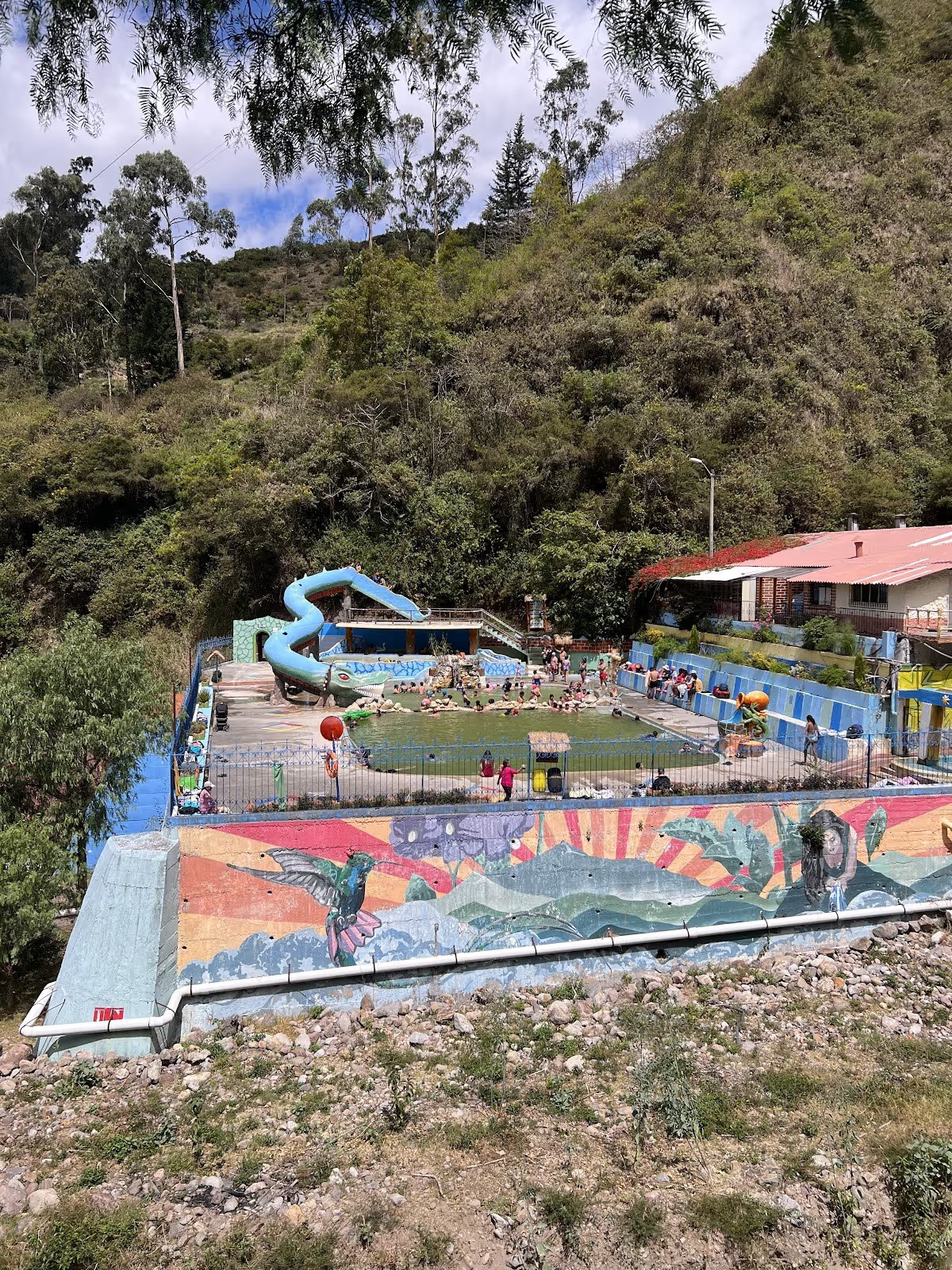
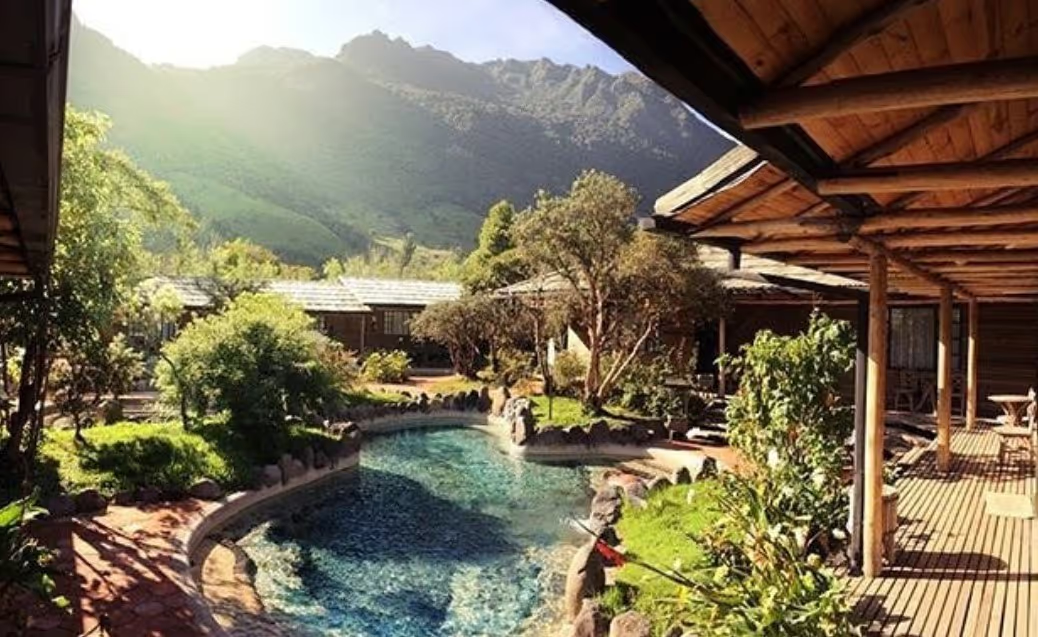
The complex is divided into two bathing areas. The public Balneario section offers a large number of outdoor thermal pools of varying temperatures from glacial cold to hot, with clean facilities, changing rooms, showers, and a cafe-style restaurant. The private Spa area provides a more enclosed and intimate pool environment with additional amenities, spa treatments, and a higher entrance fee. The resort itself offers 56 accommodation units including cabins and rooms, three restaurants, a full-service spa offering aromatherapy, therapeutic massages, mud and clay body treatments, chocolate wraps, individual hydromassage, and a thermal cave steam experience. Hotel rooms have heated floors and the resort operates 24-hour pool access for overnight guests.
Papallacta sits on the historic Cinnamon Trail, the same route Francisco de Orellana followed in 1542 when his expedition crossed the Andes and inadvertently discovered the Amazon River. The surrounding Cayambe-Coca Ecological Reserve is one of Ecuador's most biodiverse protected areas, home to spectacled bears, Andean condors, hummingbirds, and a wide range of high-altitude flora. Guided trekking routes to paramo lakes and cloud forest trails are organised from the resort, making it a natural addition to any Ecuador itinerary focused on hot springs near Quito and Andean nature.
Location & Access
Getting to Termas Papallacta
Termas Papallacta is located at Km 65 on the Quito-Baeza Interoceanic highway and is signed from the road, making it straightforward to find by car or taxi. By private vehicle from central Quito the drive takes approximately 1.5 hours via the Interoceanic road heading east through the mountains. From Quito's international airport, the resort is around 45 minutes by car. Free on-site parking is available. The high-altitude road crosses paramo landscapes and can be foggy, cold, and slow-moving during heavy rain or cloud cover, so building extra time into the journey is advisable.
Public bus connections from Quito to Papallacta depart from the Quitumbe or La Scala bus terminals, with buses running toward Baeza and the Amazon passing through or near Papallacta. Journey time by bus is approximately 1.5 to 2 hours. From the main road in Papallacta town, the resort is a short taxi or walk up the hill. The bus option makes this a viable day trip for visitors without a car. For visitors searching for hot springs near Quito on a tight schedule, the Km 65 location also makes it a practical stop on the way to or from the Amazonian lowlands.
The resort sits within the gateway zone of the Cayambe-Coca Ecological Reserve. Guests interested in trekking can access trails from the property, including routes to paramo lakes. The altitude of 3,300 metres means the surrounding environment is open, windy, and cold by Ecuadorian standards, with frequent mist and rain. The thermal pools are outdoor, so the contrast between the cold mountain air and the warm water is a defining part of the experience. Visitors who are acclimatising after arriving from low altitude or from a long-haul flight often find a night at Papallacta a gentle way to adjust to Ecuador's altitude before travelling to Quito.
Suitability & Accessibility
Who Termas Papallacta Suits
Termas Papallacta suits a broad range of visitors including families, couples, solo travellers, and groups who want a reliable and well-managed thermal pool experience in a dramatic high-Andean setting without any hiking required. The resort is described as wheelchair accessible with limitations, meaning the main arrival, reception, and dining areas are accessible but some pool sections and uneven outdoor terrain may not be fully navigable. Visitors with specific mobility requirements are advised to contact the resort directly to identify which pools and amenities are best suited to their needs.
Families benefit from the variety of pools at the Balneario, where different temperature zones suit children and adults separately. The resort explicitly welcomes families and advises keeping children close to pool edges and managing time between the hot and cold water to prevent overheating or rapid chilling. The full-service spa caters to adults seeking treatments beyond soaking, and the overnight cabin accommodation allows multi-day stays that combine pool access, spa services, guided trekking, and wildlife spotting in the reserve.
The two-tier structure of the Balneario (public, ~$9) and Spa (private, higher fee) allows visitors to choose their level of investment. The Balneario is large and offers excellent value for a day trip, while the Spa provides a quieter and more curated experience. For visitors who want the most accessible high-altitude aguas termales Ecuador experience with dependable infrastructure, Termas Papallacta is the benchmark. It is consistently rated as one of the best thermal resorts in South America, and the combination of mountain scenery, wildlife access, and geothermal pools is difficult to match within a similar distance of a major Andean capital.
Safety & Etiquette
Termas Papallacta Safety Tips
Termas Papallacta is generally safe for all visitors as a professionally operated resort with trained staff and supervised pool areas. The primary safety consideration specific to this location is altitude. At 3,300 metres, visitors arriving from sea level or from Quito, which is itself at 2,850 metres, may experience mild altitude effects including headache, lightheadedness, and shortness of breath, particularly in the first hours after arrival. Soaking in hot water at altitude accelerates dehydration and can make lightheadedness more pronounced. Visitors should drink water consistently throughout their visit, take their first soak shorter than usual, and step out of the pool and sit quietly if they feel dizzy or short of breath.
The outdoor pool setting means the ambient air temperature can be cold, particularly in the evenings and early mornings when temperatures in the paramo can drop significantly. Moving between the hot pool water and the cold mountain air creates a sharp thermal contrast. Visitors should carry and put on warm layers quickly when leaving the water, use the covered changing areas promptly, and keep children in particular from standing in cold air in wet swimwear for extended periods. Traction sandals are important on the wet stone walkways between pools, as the surfaces are slippery and the combination of cold air and wet feet makes footing unpredictable.
The pools themselves are well-maintained, clean, and routinely monitored for water quality. Spa treatments at the resort are performed by trained certified therapists. The thermal cave steam treatment is a confined heated environment and should be avoided by guests with respiratory conditions or claustrophobia. Standard thermal precautions apply: guests with cardiovascular conditions, high blood pressure, or pregnancy should consult a doctor before using high-temperature pools or steam treatments.
Weekend visits and Ecuadorian public holidays bring significantly more visitors to both the Balneario and the Spa. Midweek visits offer a much quieter experience with more personal space in the pools. Valuables should be stored in the lockers provided. The resort is a no-food zone in the pool areas, which is actively managed to maintain cleanliness. The surrounding reserve is genuine high-altitude wilderness: guests who choose to hike in the adjacent paramo should go with a local guide organised by the resort, carry adequate warm and waterproof clothing, and not underestimate how quickly conditions change at this elevation.