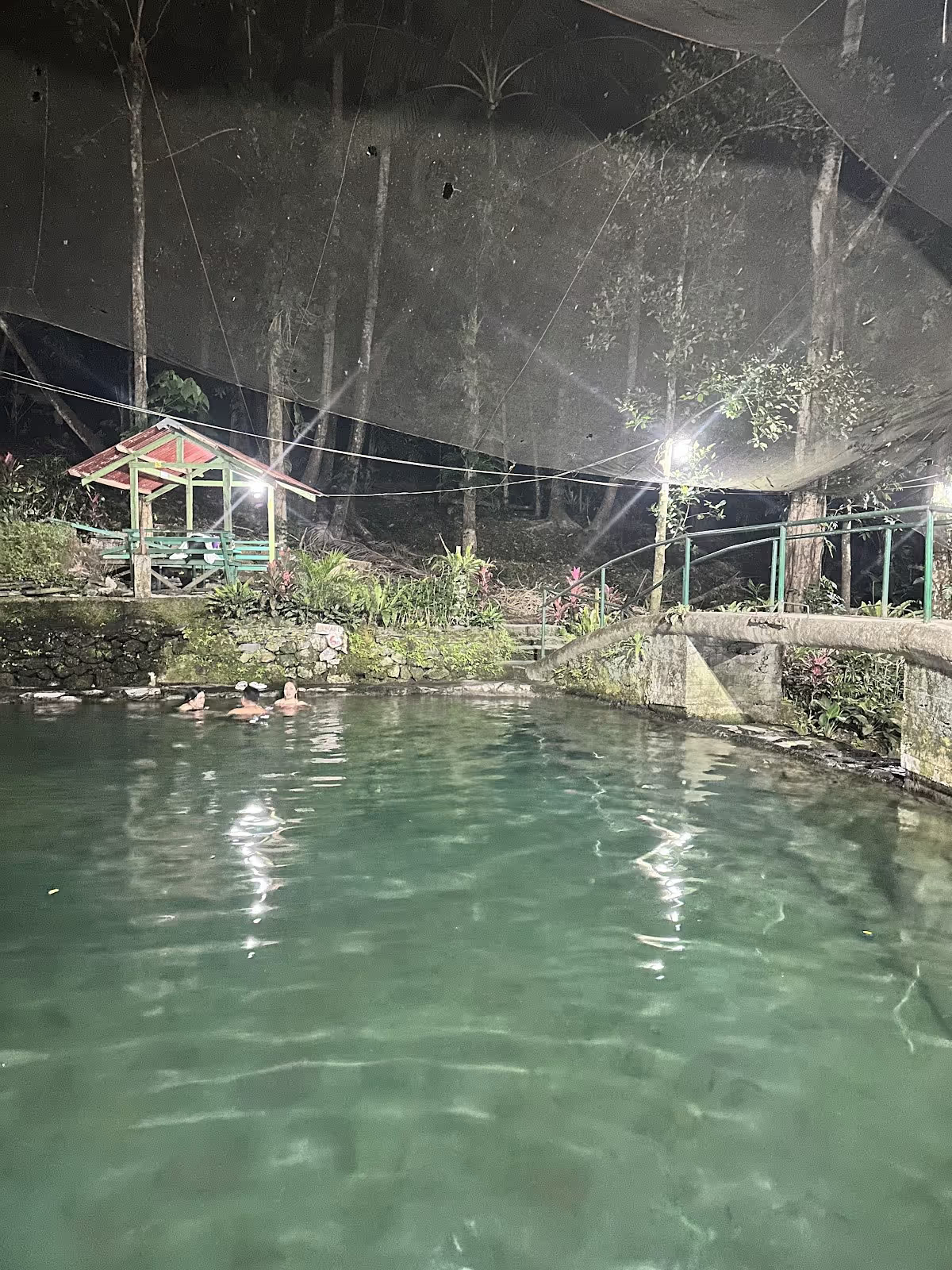
The Philippines' hot springs documented here number 8 sites, split evenly between 4 private resorts and 4 public parks rather than wild soaking spots. They stretch from the Laguna lowlands south of Manila to volcanic islands further south. Every one charges a fee, so no free option exists among them. Hidden Valley Springs in Laguna and Maquinit near Coron are the best known, both drawing on water Filipinos call mainit na bukal.
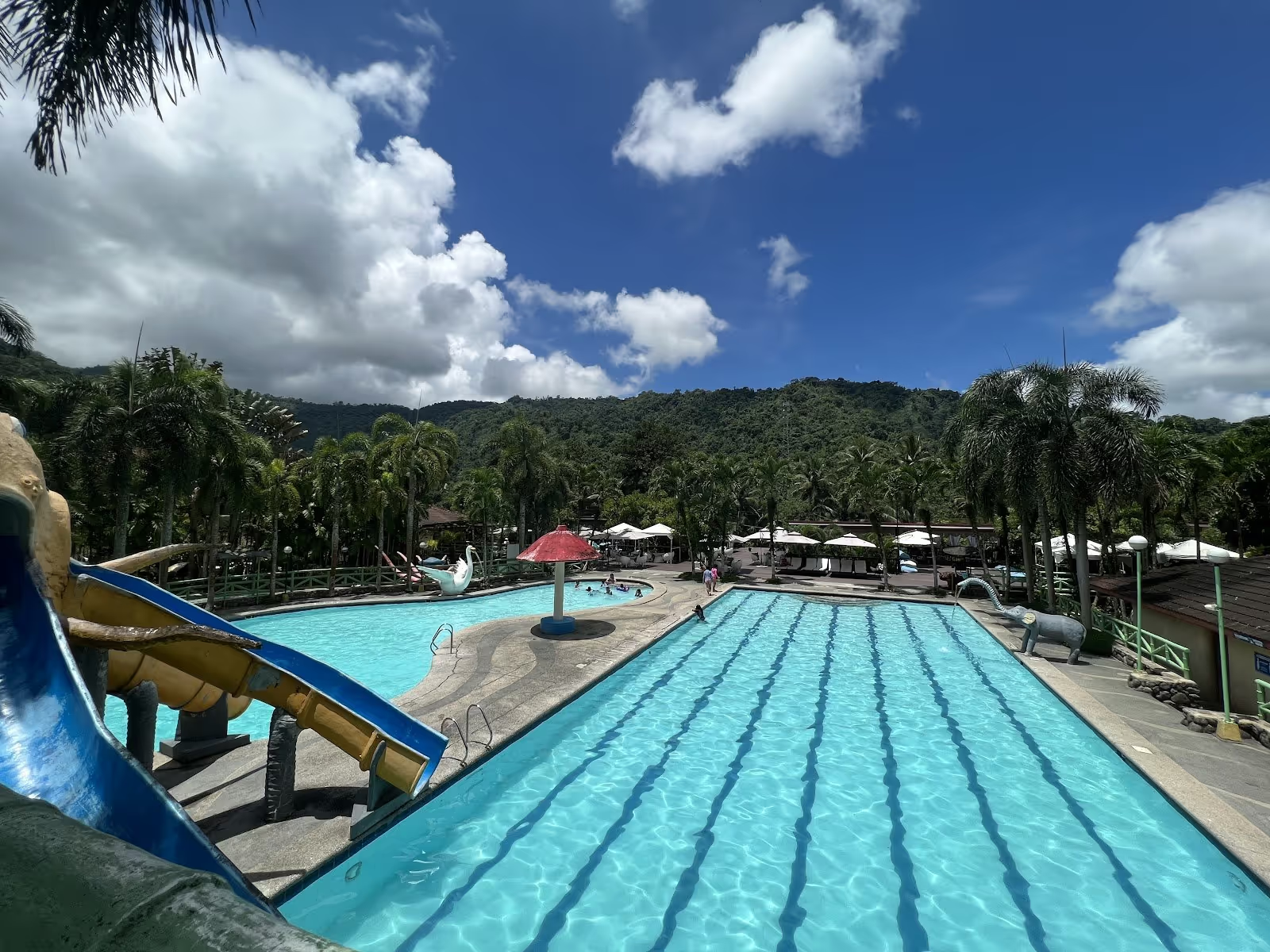
Laguna, roughly 90 minutes south of Manila, holds 3 of the 8 sites listed here around Mount Makiling. 88 Hot Spring Resort in Calamba runs nine spring-fed pools alongside rooms and a spa, and Sol Y Viento Hotels and Resorts in nearby Pansol adds a water park. Hidden Valley Springs in Calauan sits inside private rainforest with natural pools and small waterfalls.
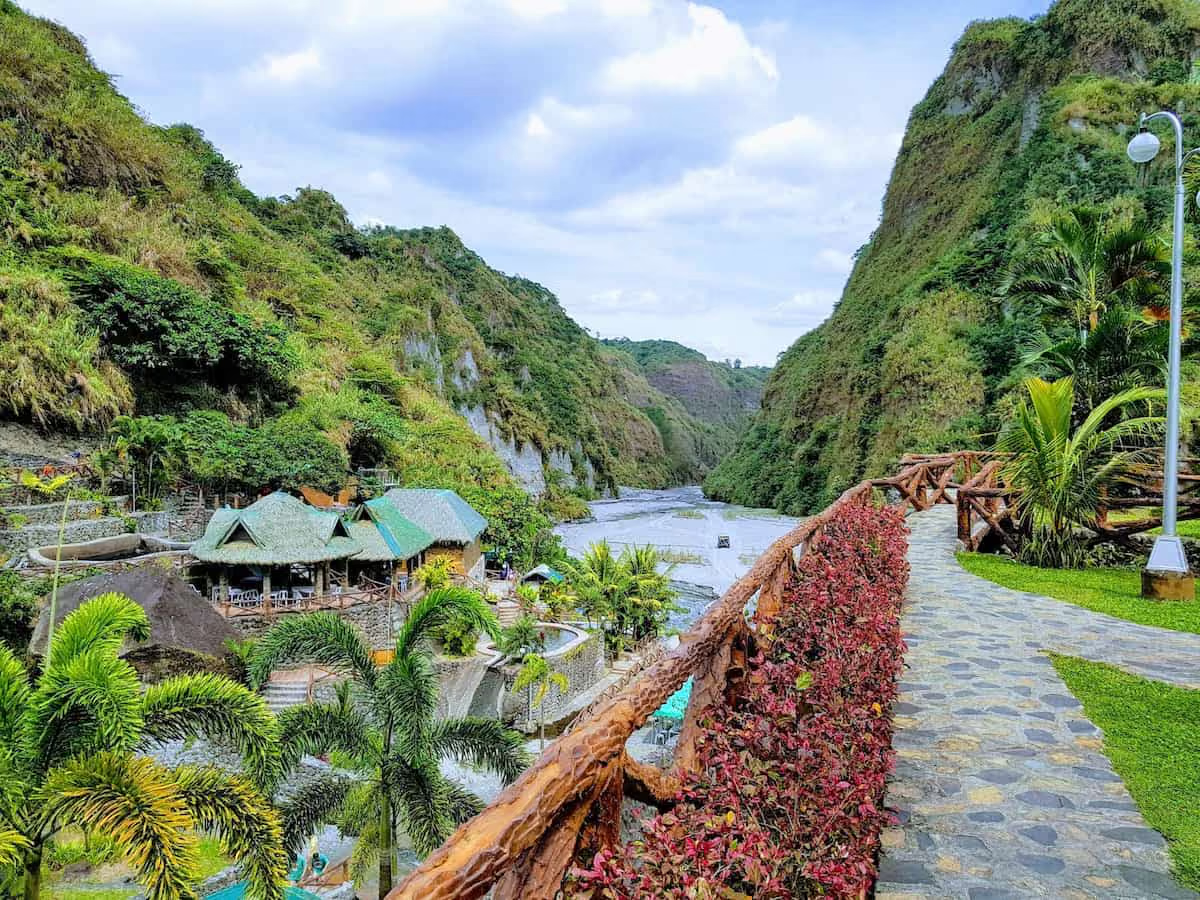
Northern and central Luzon hold two more sites in the uplands. Palm Grove Hot Springs and Mountain Resort sits on Asin Road near Baguio, pairing cool pools with private hot tubs in the Benguet hills. Puning Hot Spring lies in a Mount Pinatubo lahar canyon near Angeles, reached by a 4x4 ride to pools that run as hot as 70 degrees Celsius and an on-site sand spa.
The southern islands carry the last 3 sites. Maquinit Hot Spring near Coron in Palawan is the only documented saltwater hot spring in the country, with pools at 38 to 40 degrees Celsius among the mangroves. Ardent Hot Spring on Camiguin sits below Mount Hibok-Hibok, and Mapaso Hot Spring in Samar is a quieter pool reached by tricycle and boat.
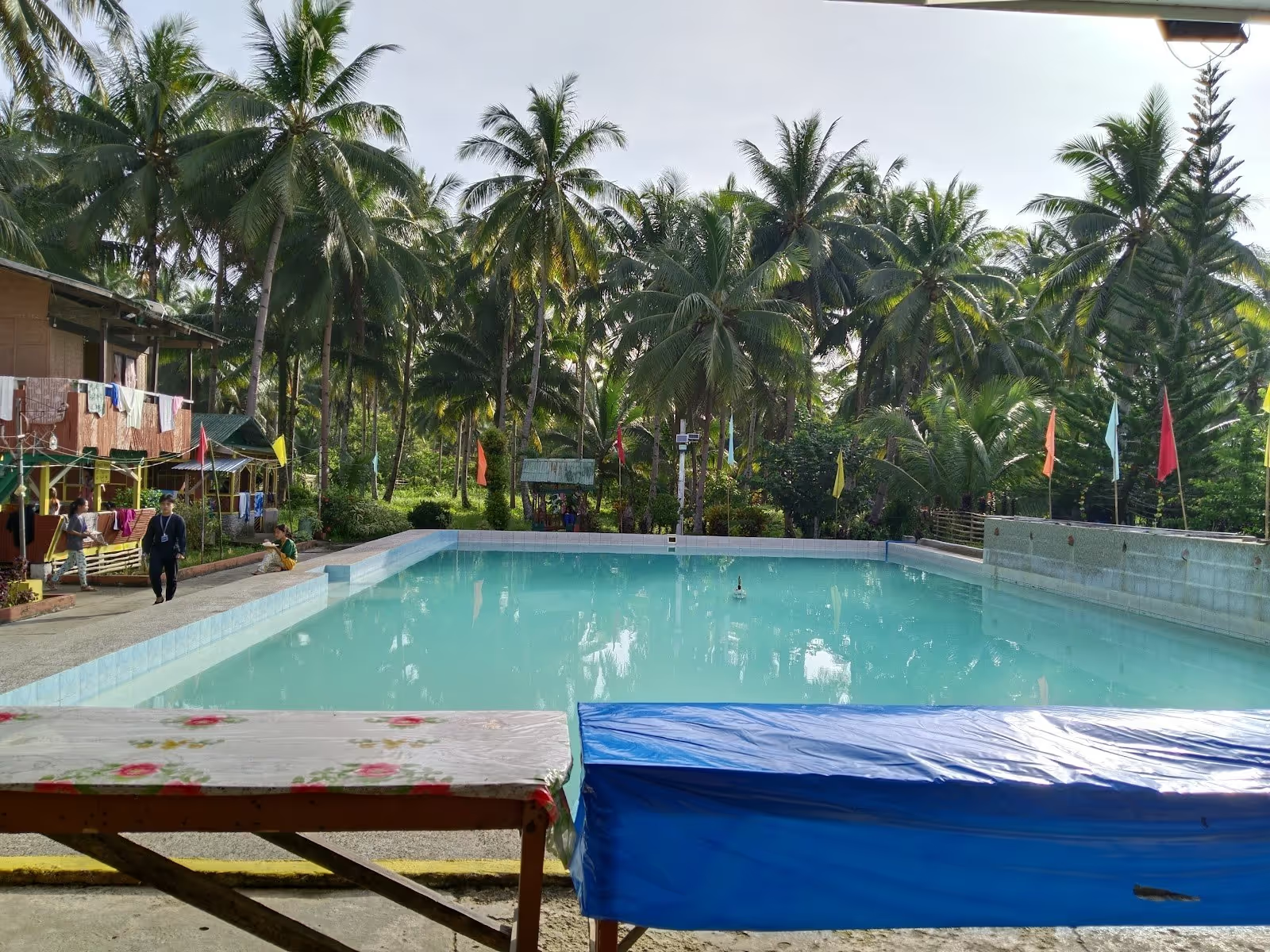
Philippine hot springs lean toward the developed end, whether as full resorts or ticketed public parks. Every mainit na bukal listed here has built pools and set hours, and all 8 sites listed here welcome families, though none is free to enter. The even split between 4 resorts and 4 parks means you can pick a full overnight stay or a simple day soak. For the wider picture across hot springs in Asia, the Philippines reads as resort-led and island-scattered rather than a single bathing-town tradition.