
Quick FactsOverview
About Blaney Meadows Hot Springs
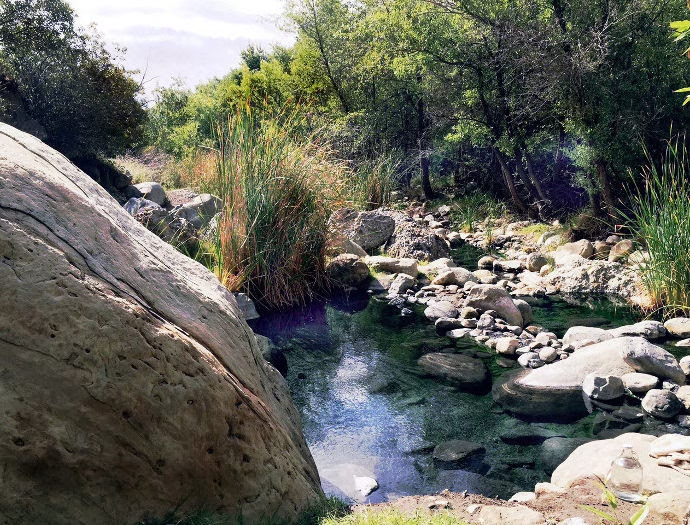
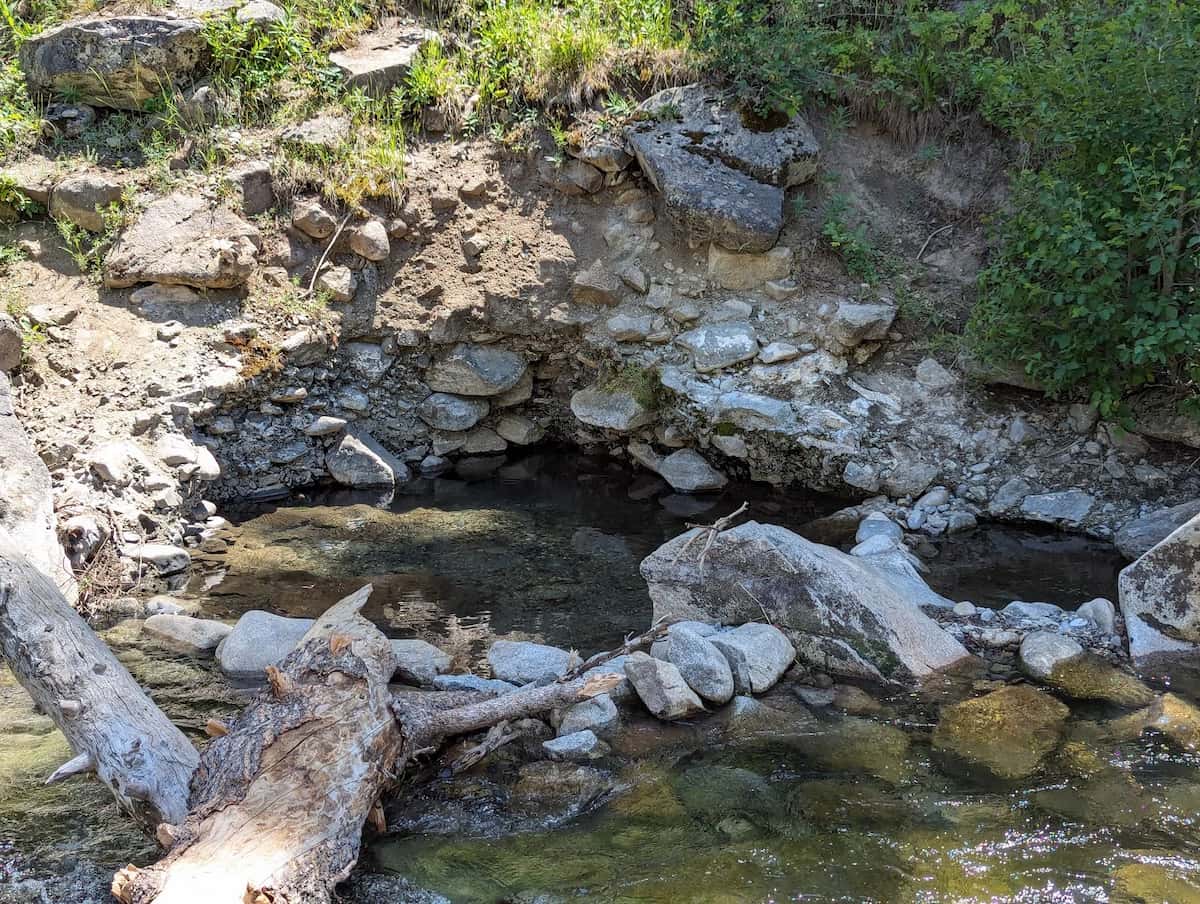
Blaney Meadows Hot Springs, California is a backcountry geothermal spring in the John Muir Wilderness of the Sierra National Forest in Fresno County, located approximately one mile above Blayney Meadows along the upper South Fork of the San Joaquin River at an elevation of roughly 7,631 feet. The spring surfaces at approximately 109 degrees Fahrenheit, with bathing pools dug at three to four separate spring sources. Mammoth Lakes on the eastern Sierra is the nearest town with services, though multiple days of hiking separate the two.
The springs sit in a high Sierra meadow surrounded by granite peaks and dense conifer forest. The area is part of the extensive backcountry trail network connecting the John Muir Trail, the Pacific Crest Trail, and the Florence Lake area. Blayney Meadows (sometimes spelled Blaney) is named for the Blayney family who ranched in the area. These are among the more remote natural hot springs in California, visited primarily by through-hikers and backpackers on multi-day Sierra trips.
The pools are visitor-built and their condition varies with seasonal flooding and snowmelt. No facilities exist at the springs or in the surrounding wilderness.
Location & Access
Getting to Blaney Meadows Hot Springs
Blaney Meadows Hot Springs is located in the John Muir Wilderness above Blayney Meadows along the South Fork of the San Joaquin River, accessible only by backcountry trail. The spring requires a multi-day backpacking trip from any trailhead. The shortest approach is from Florence Lake via the ferry and Muir Trail Ranch area in the upper San Joaquin drainage.
From the west side, drive from Fresno via Highway 168 to Florence Lake (roughly 80 miles, seasonal road). Take the Florence Lake ferry across the reservoir, then hike along the South Fork San Joaquin River trail. From the east, the springs can be reached via the John Muir Trail from various eastern Sierra trailheads, though this adds significant distance.
Permits and Planning
A wilderness permit is required for overnight camping in the John Muir Wilderness. Permits can be reserved through Recreation.gov or obtained at ranger stations. For visitors seeking hot springs near Mammoth Lakes, Blaney Meadows is one of several backcountry thermal features in the central Sierra, alongside Fish Creek Hot Springs (Iva Bell) and Mono Hot Springs (the latter accessible by road). The trail is typically accessible from July through September depending on snowpack. Bear canisters are required for food storage.
Suitability & Accessibility
Who Should Visit Blaney Meadows Hot Springs
Blaney Meadows Hot Springs suits experienced backcountry hikers on multi-day Sierra Nevada trips who want to combine a remote wilderness experience with a genuine hot spring soak. At 109 degrees Fahrenheit, the water is at a comfortable soaking temperature. The three to four spring sources with visitor-built pools offer options for different preferences.
This is exclusively a backpacking destination. The approach from any trailhead requires multiple days of hiking through high Sierra terrain with significant elevation changes, creek crossings, and remote conditions. Carry all food, water treatment, and camping gear. The 7,631-foot elevation requires acclimatization for visitors arriving from lower altitudes.
Accessibility at Blaney Meadows Hot Springs
The springs are not wheelchair accessible. The multi-day backcountry trail is suitable only for fit, experienced hikers with full backpacking equipment. No facilities exist anywhere near the springs. Those exploring natural hot springs California offers in the Sierra who prefer easier access should visit Mono Hot Springs Resort (112 degrees, accessible by road from Florence Lake) or the hot springs in the Mammoth Lakes area, offering roadside and short-hike access to multiple soakable hot springs without backcountry gear.
Safety & Etiquette
Blaney Meadows Hot Springs Safety Tips
Blaney Meadows Hot Springs is in remote wilderness in the Sierra Nevada, and visitors should be fully prepared for backcountry conditions. The water at 109 degrees Fahrenheit is at a comfortable soaking temperature, but always test before entering as conditions can vary by season and individual pool.
A wilderness permit is required for overnight camping. Bear canisters are mandatory for food storage in the John Muir Wilderness. Black bears are active throughout the Sierra backcountry. Mountain lions inhabit the area. Creek crossings on the South Fork San Joaquin River trail can be hazardous during spring runoff with swift, cold water.
Navigation and Weather
Carry detailed topographic maps and a GPS device. Cell service is not available in the wilderness. Afternoon thunderstorms with lightning are common from July through September. Start hiking early and plan to be below ridgelines by afternoon. Nighttime temperatures at 7,631 feet can drop below freezing even in summer. Bring warm layers.
Leave No Trace
Pack out all trash and waste. Camp at least 100 feet from water and the spring pools. Do not build new fire rings. Follow all John Muir Wilderness regulations. The meadow areas near the springs are fragile and should not be trampled. Wildfire smoke can affect air quality in late summer. The nearest medical facility is many hours of hiking away. Carry a satellite communication device, a comprehensive first aid kit, and adequate water treatment supplies for the duration of your trip.