Quick FactsOverview
Cermik Thermal Springs, Turkey is a paid thermal spring destination in the Hamambasi area of Cermik town in Diyarbakir Province, roughly 90 kilometres west of the city of Diyarbakir in Southeastern Anatolia. The complex pairs two Ottoman era bathhouses with a group of modern thermal hotels, all fed from the same geothermal field. It is one of the most historically layered hot springs near Diyarbakir, with centuries of continuous bathing use.
About Cermik Thermal Springs
The site, known locally as Cermik Kaplicalari, takes its name from a Kurdish word for hot spring, and the area was officially declared a Thermal Tourism Centre in October 1993. The historic Buyukpasa Hamam, also known as the Kudret Hamam, and the smaller Kucukpasa Hamam remain the ceremonial heart of the complex, while a cluster of modern thermal hotels on the surrounding streets handles overnight guests on multi-day cures.
Water and Minerals
Published figures put source temperatures between 48 and 51 degrees Celsius, with pH around 6.3. The water carries bicarbonate, chloride, carbon dioxide and hydrogen sulphide, and is described in the Turkish ministry listing as mildly radioactive, a termal profile long used for both bathing and drinking cures. The source has enough flow that the historic hamams and the modern hotel pools all draw from the same field at the same time.
Location & Access
Cermik Thermal Springs is reached by driving roughly 90 kilometres west from Diyarbakir on sealed regional roads toward Siverek and Sanliurfa, with the thermal area concentrated right in the centre of Cermik town. No hike is required: the historic hamams sit in the Hamambasi area within walking distance of most town-centre hotels, and each modern resort has its own entrance and parking.
Getting to Cermik Thermal Springs
Most visitors drive from Diyarbakir or Sanliurfa. Diyarbakir Airport sits about 90 kilometres away by road, and Sanliurfa GAP Airport is a similar distance to the south, so an airport transfer by car is simple from either side. Intercity buses on the Diyarbakir to Sanliurfa line stop in Cermik, and local taxis cover the short final leg to the thermal quarter. For travellers heading through Southeastern Anatolia on a cure trip, Cermik is one of the most atmospheric hot springs near Diyarbakir and is easy to pair with the old city walls of Diyarbakir itself.
Orientation at the Thermal Complex
The Hamambasi area holds the two Ottoman era bathhouses and most of the municipal thermal infrastructure. Modern hotels sit on the surrounding streets within easy walking distance, with the Giran Park Termal Hotel one of the better-known larger properties. The small town centre with its mosque, shops and tea gardens is a short stroll from the thermal quarter.
Suitability & Accessibility
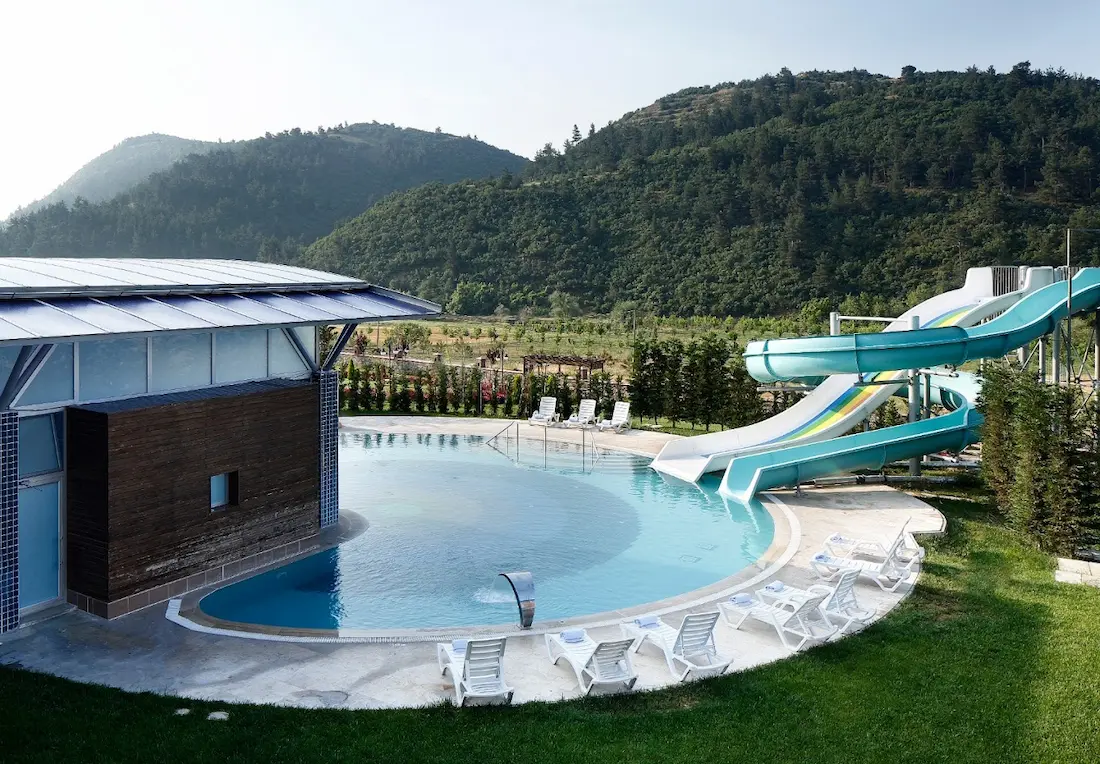
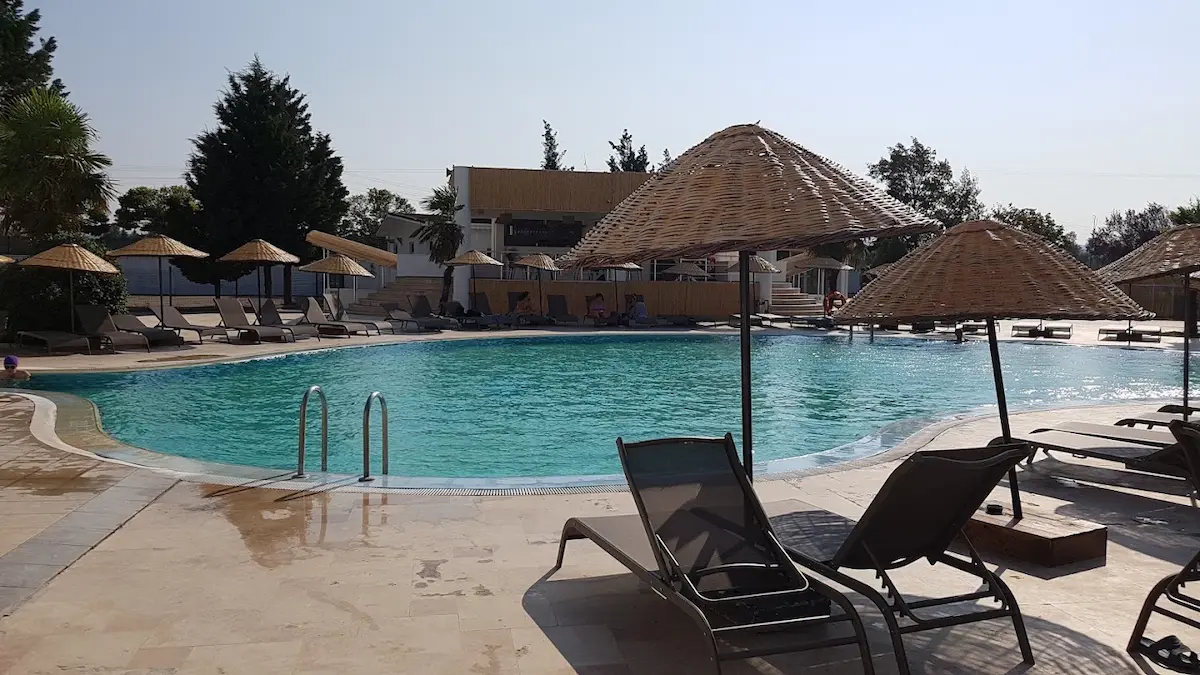
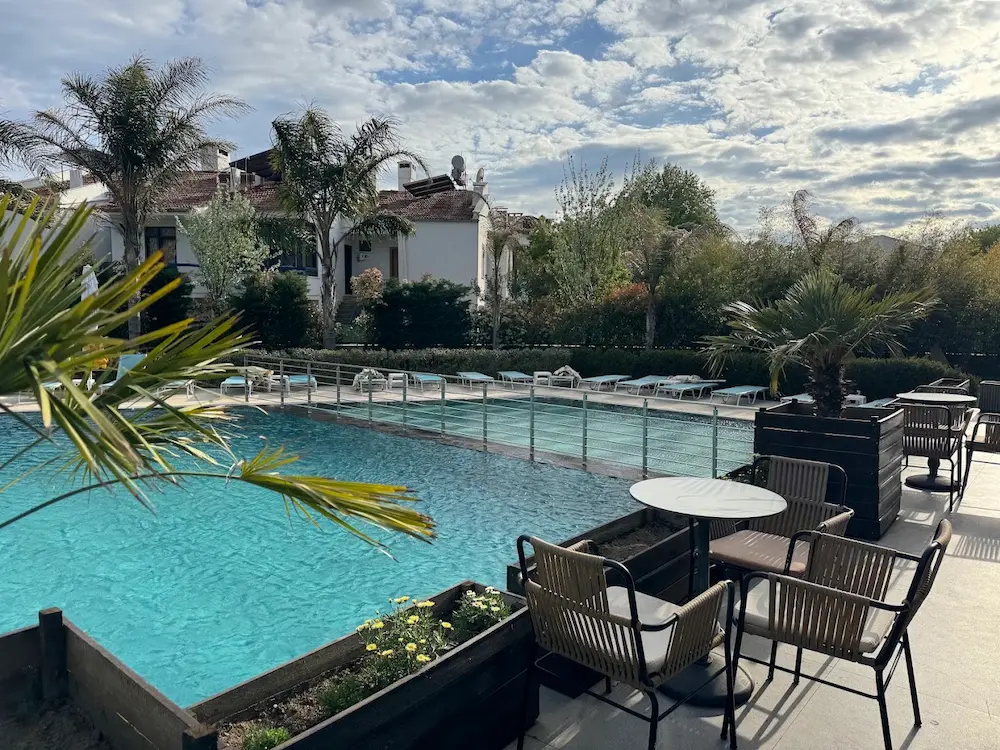
Cermik Thermal Springs suits a broad range of visitors, from couples and older guests on a multi-day bathing cure to families with children, because the thermal area combines two historic Ottoman bathhouses with a cluster of modern hotels that run their own indoor and outdoor pools. The scale of the complex is more modest than the big western Turkish thermal towns, which makes it a quieter choice for a cure stay in Southeastern Anatolia.
Who the Cermik Complex Suits
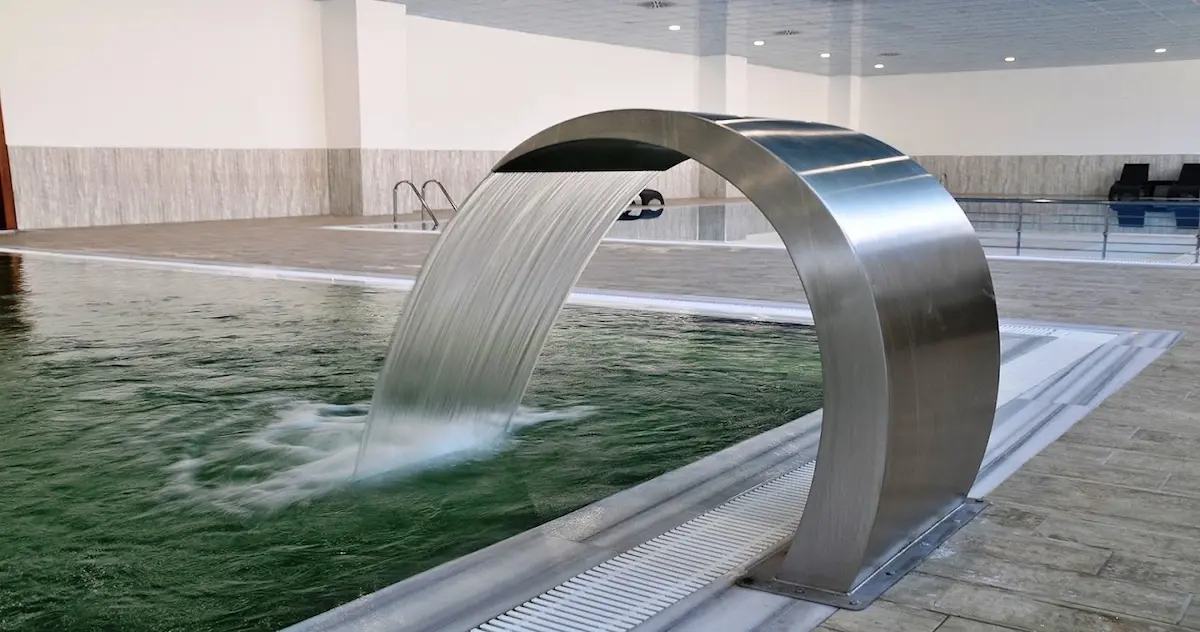
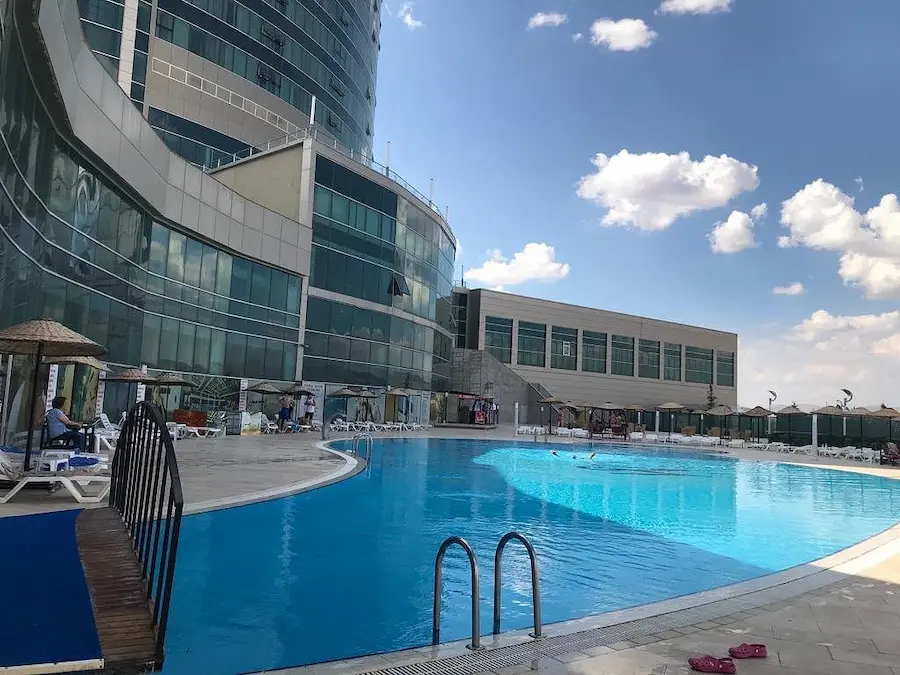
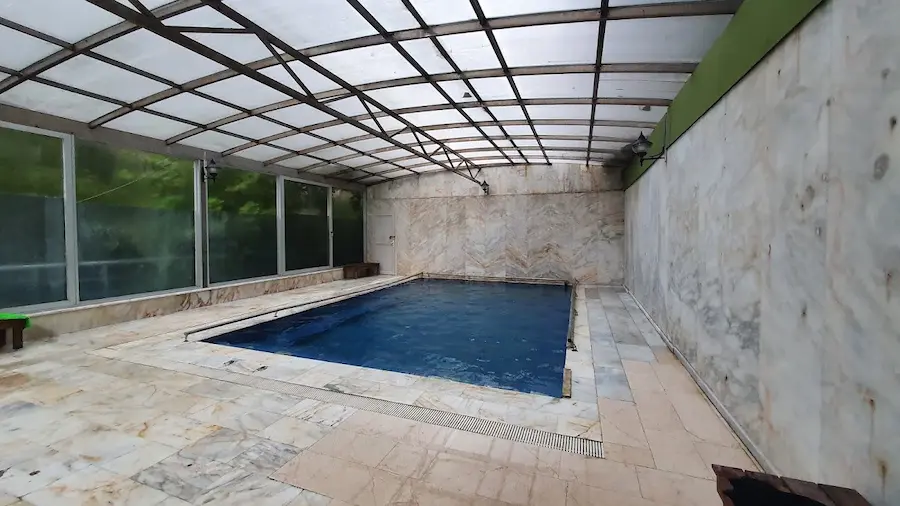
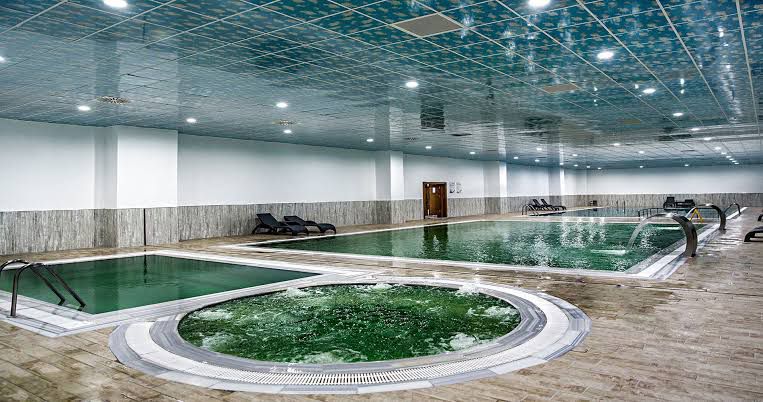
Families staying at the thermal hotels typically have access to indoor pools, children's pools and full-board catering, which makes a weekend trip practical with young children. For families searching for family hot springs near diyarbakir with proper hotel service, the Cermik strip is the main option in the province. Visitors who want the traditional experience can book a session at the restored Buyukpasa or Kucukpasa hamam, which run on the classic Turkish bath model with separate hours or sections for men and women. The hamam side of the complex is best suited to adults who are comfortable with communal bathing.
Accessibility
The newer thermal hotels advertise lift access to the pool floors and step-free pathways through the main public areas, though specific access varies by property. The historic Pasha hamams were built in the Ottoman era and have level changes, stone steps and narrow doorways typical of that period. Visitors with limited mobility should contact a specific hotel in advance to confirm what is available, since conditions vary across the complex and across other hot springs in Turkey.
Safety & Etiquette
Cermik Thermal Springs is generally safe to visit, with source temperatures around 48 to 51 degrees Celsius that sit at the higher end of comfortable bathing range for most adults. The main pools in the hamams and the hotels are blended down from the source for comfortable soaking, and the posted pool temperature should be trusted over the headline source figure.
Cermik Thermal Springs Safety Tips
Enter the pool slowly and give the body a minute to adjust before fully submerging. Alternate soaks with cool rest periods, especially over a multi-day cure, and drink plenty of water between sessions. Anyone with a heart condition, uncontrolled high blood pressure or who is pregnant should consult a doctor before using thermal water at this temperature. The water carries hydrogen sulphide, which gives it the mild sulphur smell typical of many thermal springs and is normal rather than a safety concern at ordinary bathing concentrations.
Etiquette at the Hamams and Hotels
Hotel pools follow modern swimwear rules and a swimsuit is required. The historic hamam rooms follow traditional Turkish bath etiquette: wear the peshtemal towel provided, wash at the individual basins before entering any shared pool, and keep soap and shampoo out of the pool itself. Men and women use separate hours or separate sections for the hamam side, and children accompany the parent of the same sex.
Weather and Season
Cermik lies in Southeastern Anatolia, which runs hot and dry in summer and cold with occasional snow in winter. The destination is open year-round and is often busiest in autumn and winter when the cure season peaks. Spring is mild and pleasant for sightseeing in the Diyarbakir region.