Quick FactsOverview
About Dyke Hot Springs
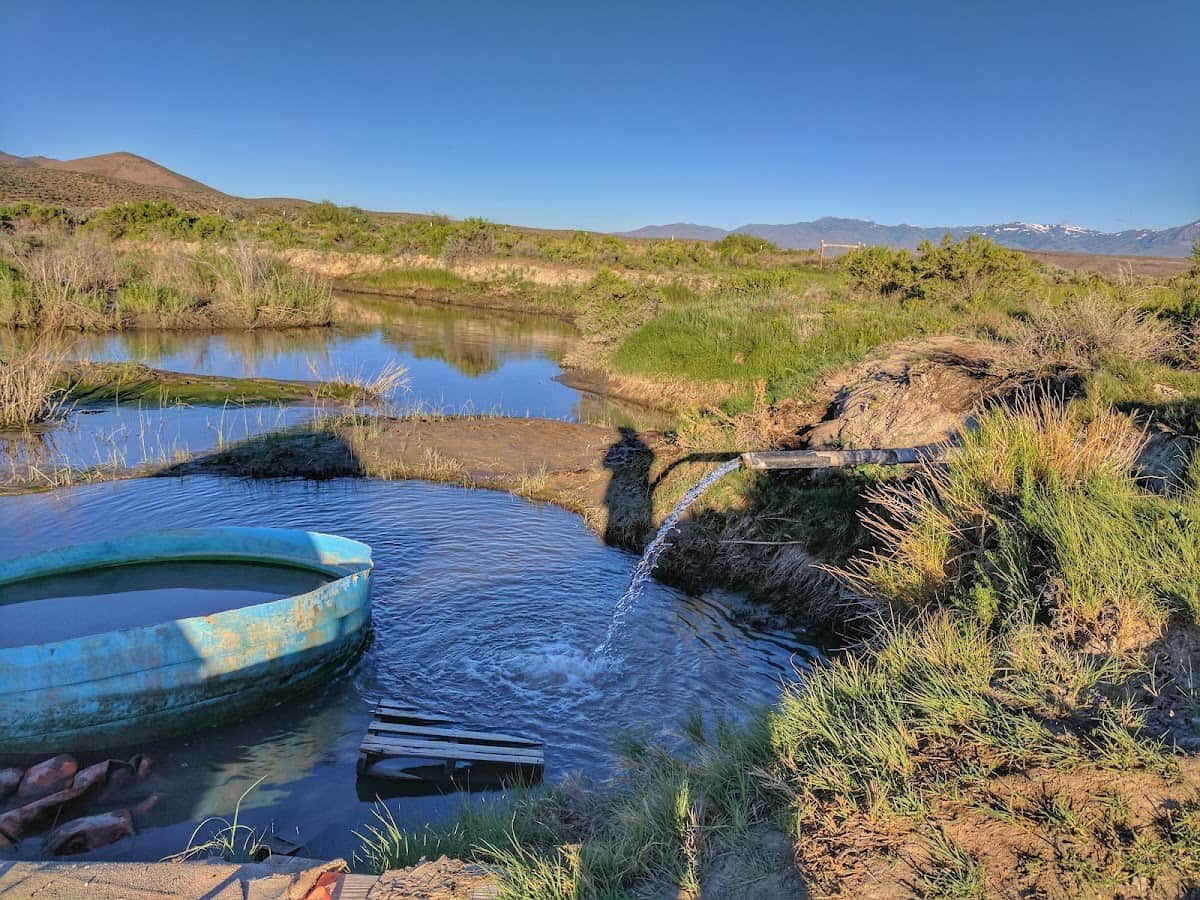
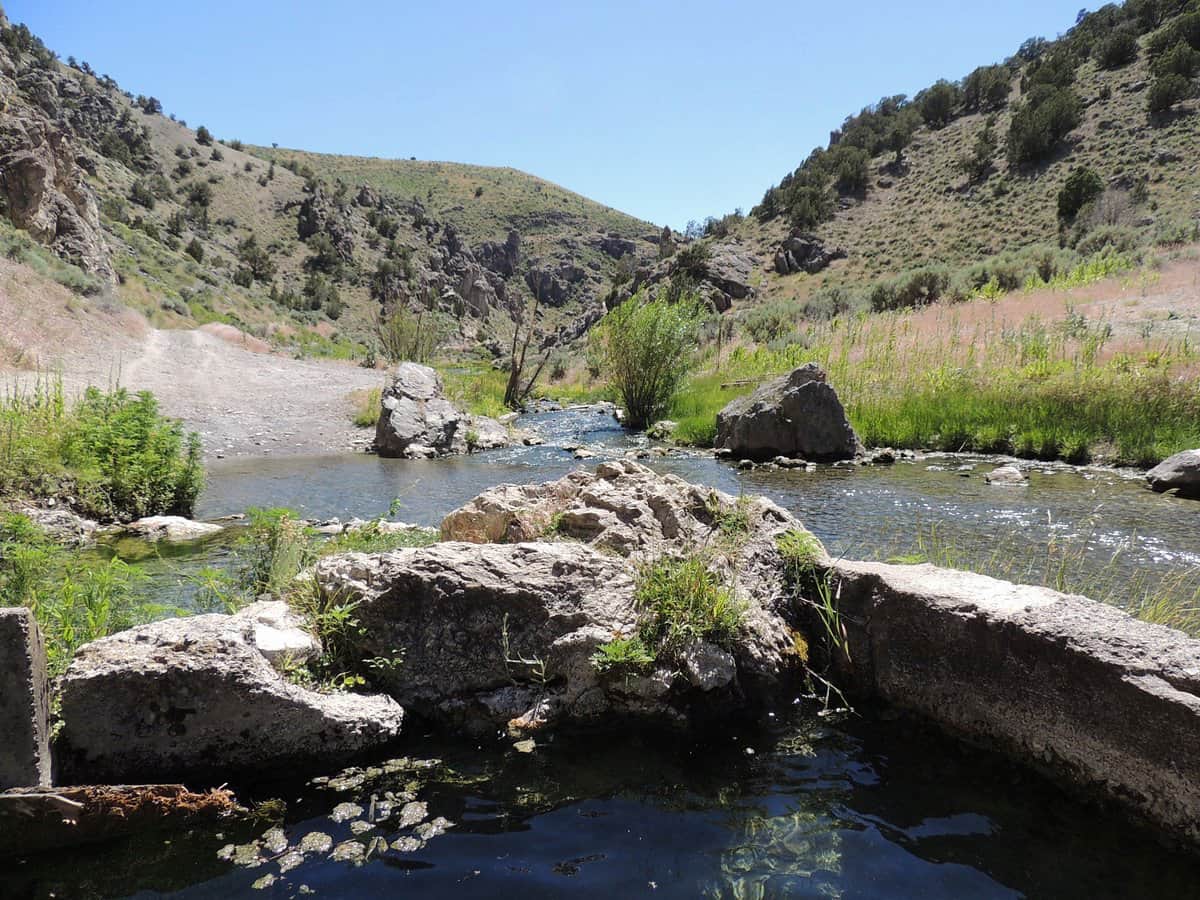
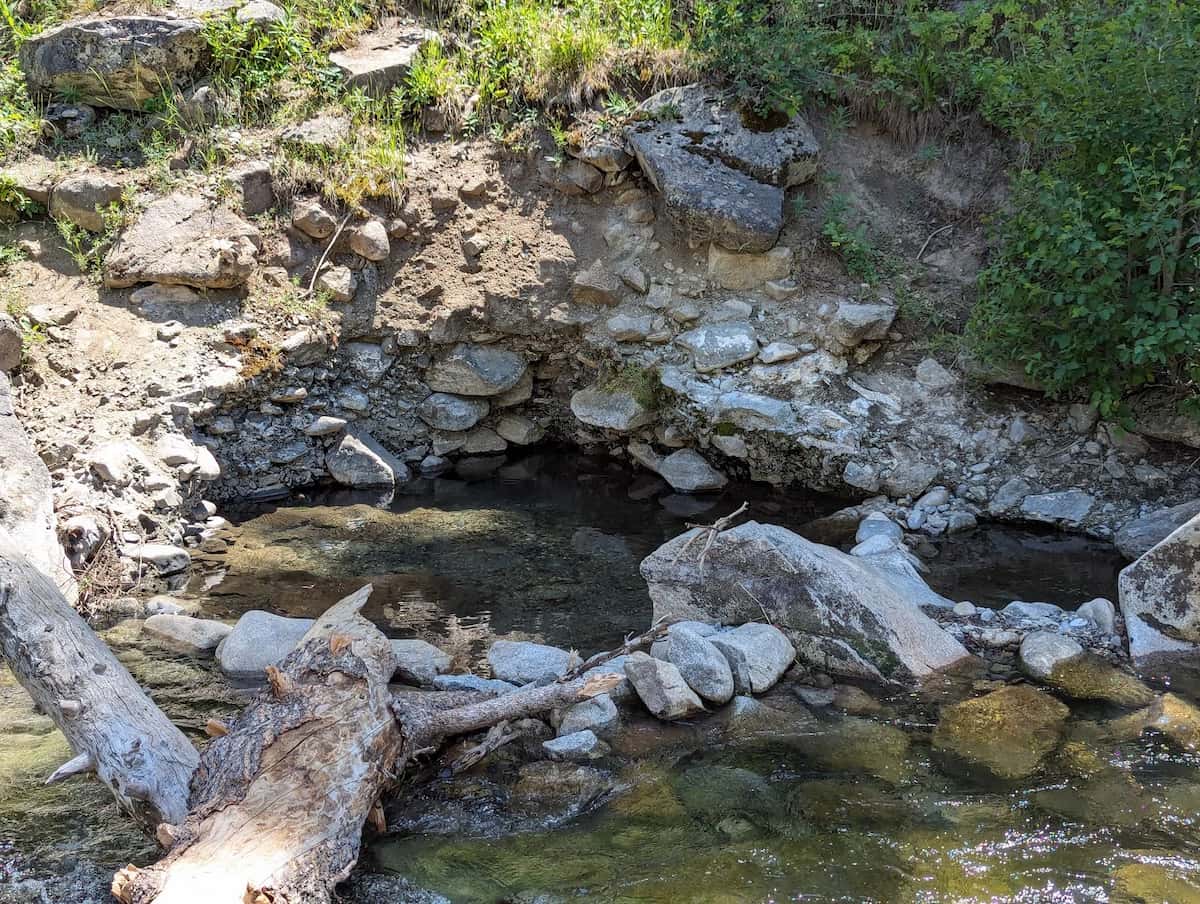
Dyke Hot Springs, Nevada is an extremely remote and undeveloped geothermal site in Dyke Canyon in Humboldt County, in the high desert north of the Black Rock Desert region. Source water at 136 degrees Fahrenheit emerges from a barbed-wire-fenced vent reinforced with wooden structures. Distribution pipes lead from the main source to scattered soaking points farther from the vent. Multiple additional springs are hidden deep in the surrounding tall grass, each at varying temperatures. The nearest community is Orovada, a very small ranching settlement on US-293 along the Humboldt River.
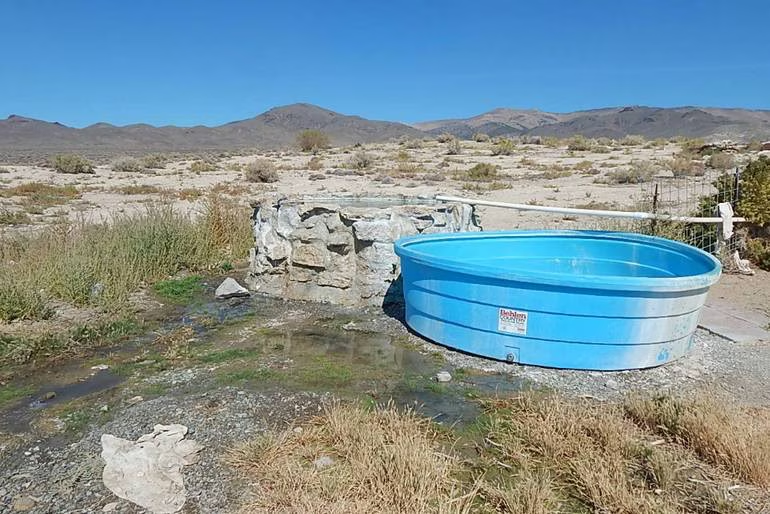
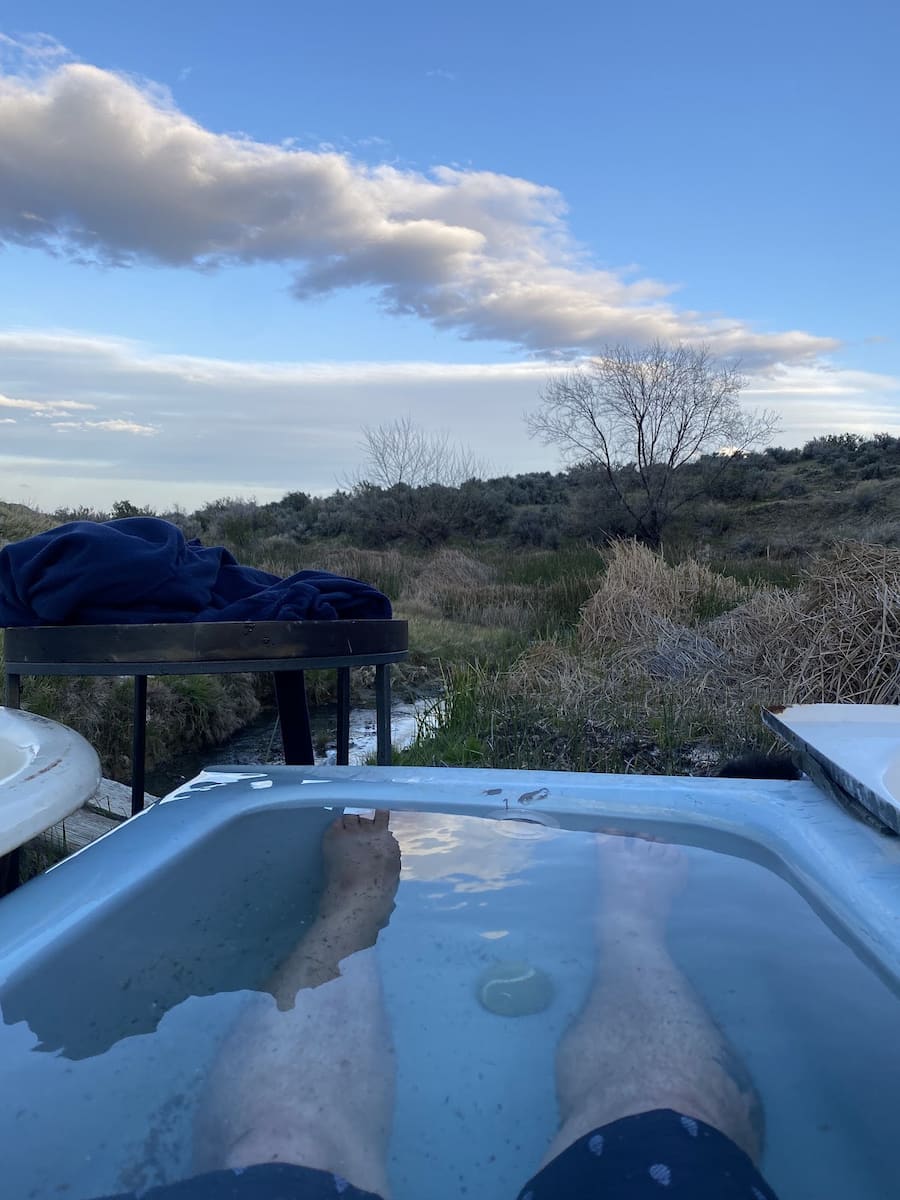
The terrain around Dyke Hot Springs is open high desert at approximately 4,117 feet elevation. The site has virtually no infrastructure. Soaking tubs have been placed at the site by previous visitors over the years, but their condition and presence vary. Some reports indicate tubs may have been removed. The isolation is extreme: there are no large towns within 20 miles. The only smell detectable near the sources is a faint burnt mineral character, though the overgrown greenery around the discharge adds a damp, earthy smell.
This is one of the most isolated natural hot springs Nevada offers and requires full self-sufficiency.
Location & Access
Getting to Dyke Hot Springs
Dyke Hot Springs is located in Dyke Canyon in Humboldt County at GNIS coordinates 41.5674 north, 118.5666 west. The site appears on the USGS "Dyke Canyon" topographic quadrangle. Access requires navigating remote, unsigned desert roads. A high-clearance vehicle is essential, and four-wheel drive is strongly recommended. The roads are dirt and can be impassable after rain.
The nearest paved road access point is US-293 near Orovada. From Orovada, unpaved roads head south and east toward Dyke Canyon. Distances and route specifics are difficult to verify as the area lacks signage. GPS navigation with downloaded offline maps is critical, as cell service is not available anywhere in the area.
Regional Context
Humboldt County is one of the most geothermally active and sparsely populated counties in Nevada. For visitors seeking hot springs near Orovada Nevada, Dyke Hot Springs is the closest natural thermal site, but it requires substantial off-road driving experience. Bog Hot Springs (131-degree source, Bog Hot Valley, ranch property with tubs) is approximately 40 miles northwest and is more accessible. Soldier Meadows Hot Springs (BLM, multiple warm pools, historic ranch) is farther north near the Oregon border.
Suitability & Accessibility
Who Should Visit Dyke Hot Springs
Dyke Hot Springs is suitable only for experienced desert travelers and hot spring seekers who are fully self-sufficient and comfortable with extremely remote, undeveloped conditions. The 136-degree source water is dangerously hot and requires patience to cool to a soaking temperature if any tubs are present. One visitor reported waiting more than 30 minutes for water in a tub to cool from 131 degrees to a manageable level. There are no facilities, no water supply, no trash service, and no cell service.
Clothing is optional. The extreme isolation means you are unlikely to encounter other visitors. The desert landscape is stark and expansive, with mountain views in every direction. The night sky is exceptionally dark. Visitors should bring all supplies for a multi-day trip, including extra fuel, water, food, and a spare tire.
Important Disclaimers
The condition of soaking infrastructure at Dyke Hot Springs changes over time. Tubs may have been removed or may be unusable. Visit with no expectation of finding a ready soaking setup. Those seeking natural hot springs Nevada offers with more reliable soaking should visit Bog Hot Springs or Soldier Meadows Hot Springs, both of which have established tubs or pools, and both can be reached with a standard vehicle on maintained dirt roads.
Safety & Etiquette
Dyke Hot Springs Safety Tips
Dyke Hot Springs has source temperatures of 136 degrees Fahrenheit, which will cause severe burns on contact. The main vent is fenced with barbed wire for a reason. Never enter the source area. Distribution pipes carry scalding water to downstream points. Test all water carefully before entering. Multiple springs are hidden in tall grass, some at dangerous temperatures. Watch your step at all times.
There are no emergency services within many miles. The nearest hospital with emergency capabilities is in Winnemucca, approximately 90 miles to the southeast. Cell service is not available. Travel with a companion and inform someone of your plans, including expected return date and your route.
Desert Survival Notes
The Humboldt County desert is extremely hot in summer (well over 100 degrees Fahrenheit) and bitterly cold in winter. There is no shade at the springs. Carry a minimum of two gallons of drinking water per person per day. Bring extra fuel: the nearest gas station is in Orovada, and the round trip from paved road may be 40 or more miles on rough terrain.
Vehicle Preparedness
A high-clearance four-wheel-drive vehicle is strongly recommended. Carry a spare tire, tire repair kit, tow strap, and basic tools. The desert roads are unsigned and can be confusing. Download offline maps before leaving cell coverage. Flash flooding is possible in canyon areas during summer thunderstorms. If you become stuck or stranded, stay with your vehicle rather than walking out on foot.