Quick FactsOverview
About Gudlaug Baths
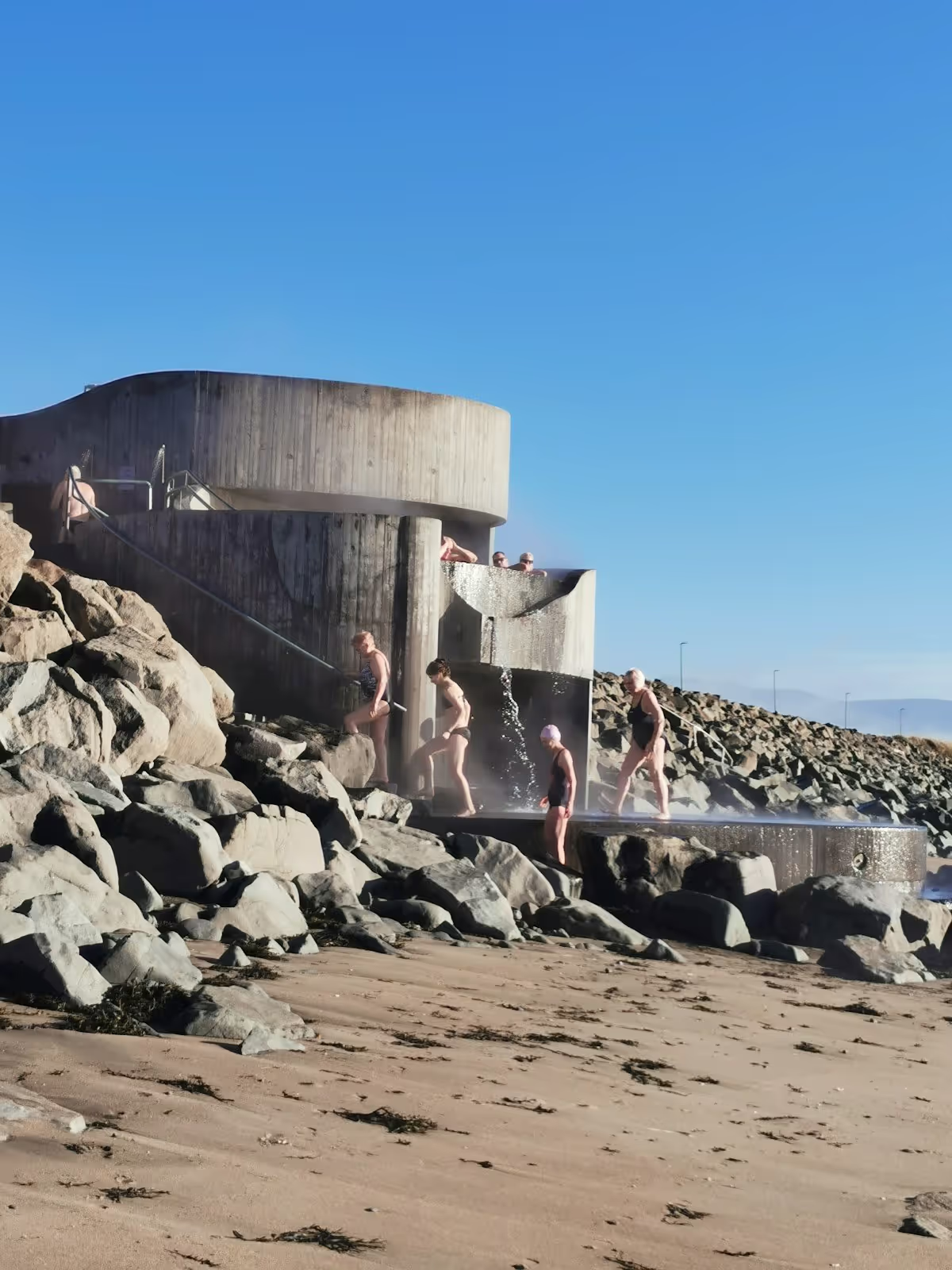
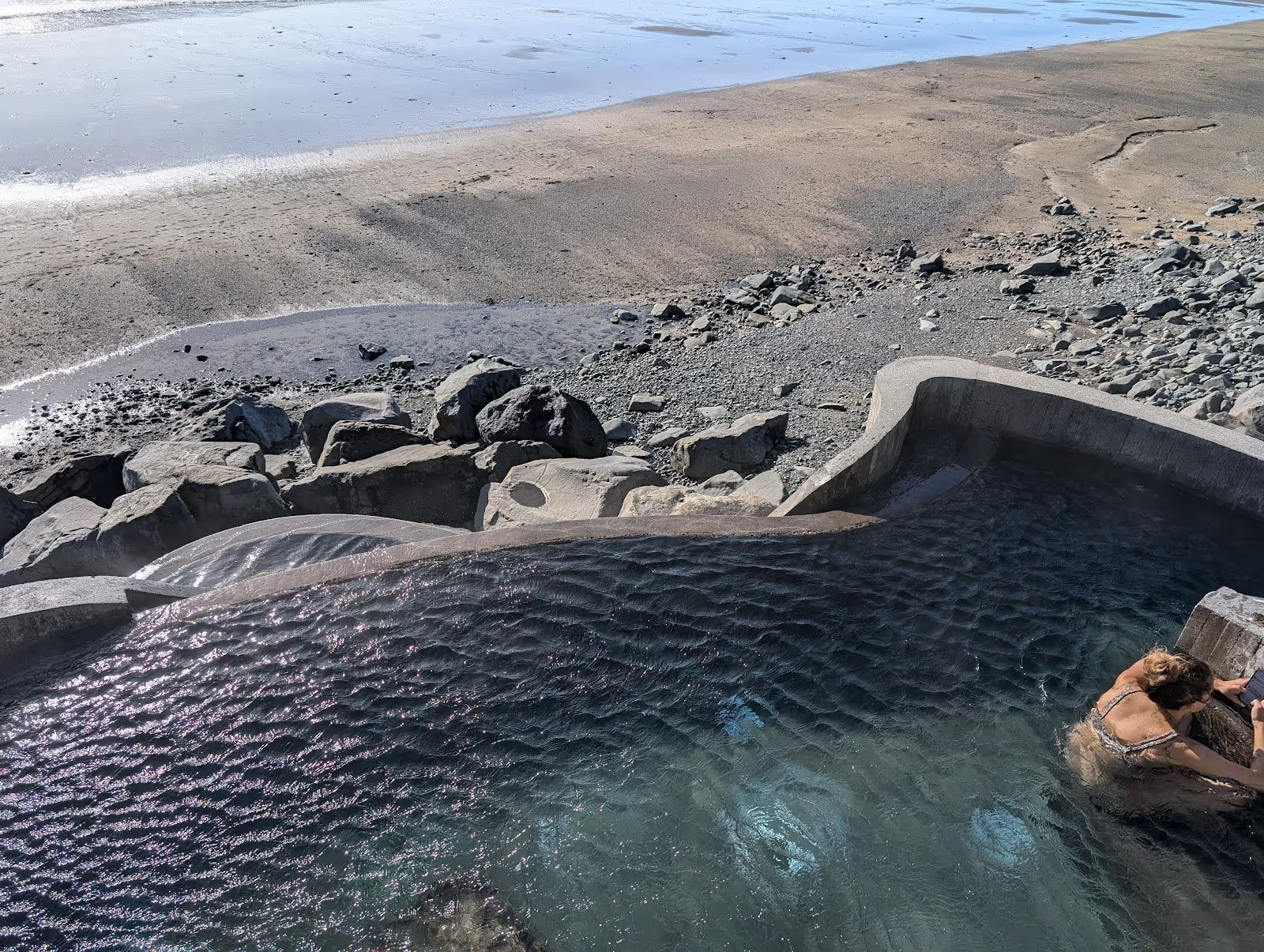
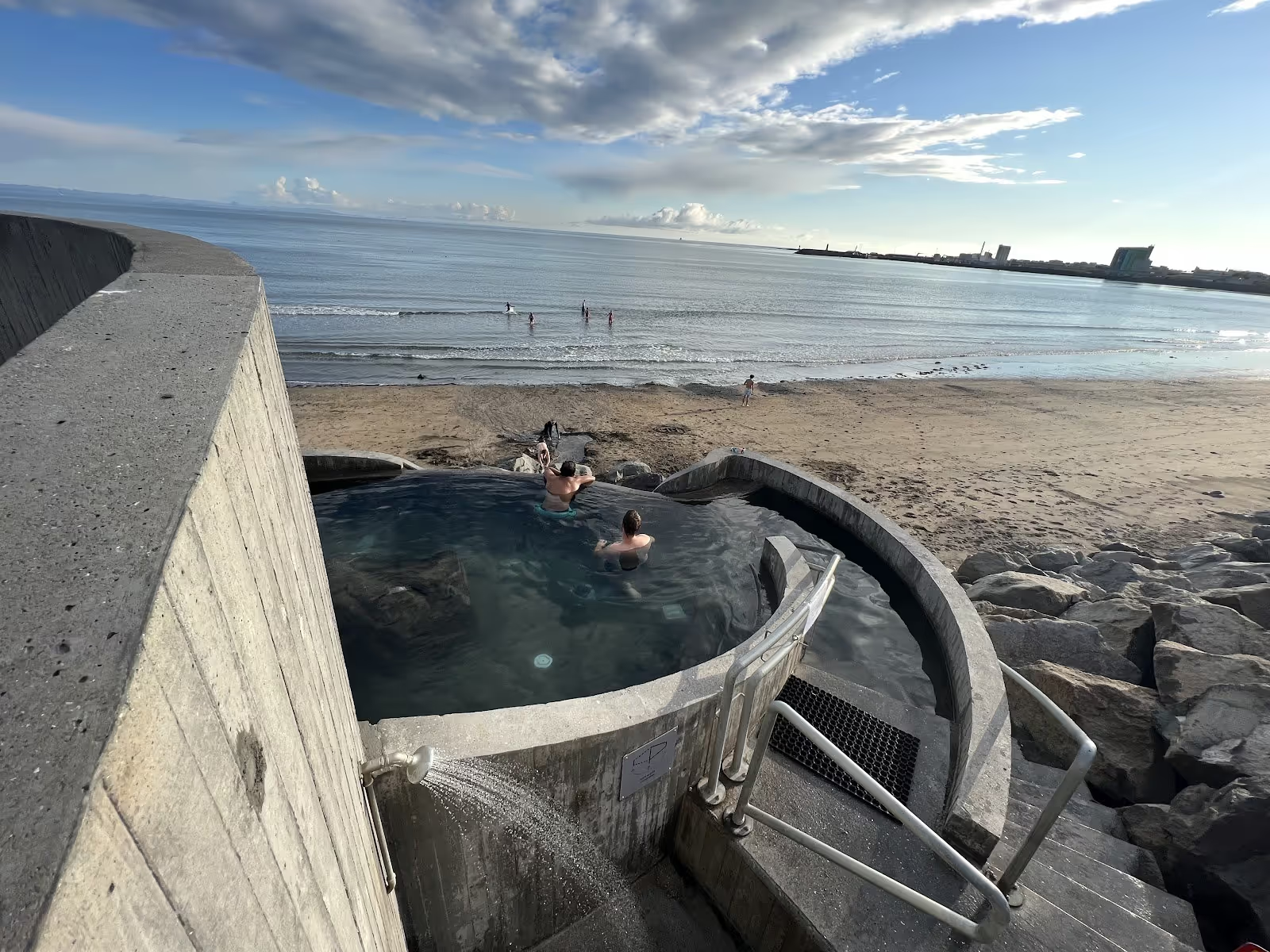
Gudlaug Baths, Iceland is a tiered geothermal pool structure on Langisandur Beach in Akranes, West Iceland, designed by Basalt Architects and opened in December 2018. The baths are built into the rocky breakwater barrier that runs along the beach, nestled between boulders and oriented toward the North Atlantic, with views across Faxafloi bay toward Reykjavik and the surrounding mountains. Three stacked oval platforms form the structure: the top serves as a viewing deck, the middle holds the main hot soaking pool, and the lowest level contains a shallow wading pool at beach level. A staircase wraps the exterior connecting all three tiers and providing access down to the sand.
The water originates from Deildartunguhver, the highest-flow hot spring in Europe, located inland at Reykholt. Untreated geothermal water feeds the upper pool and then overflows down to the cooler wading pool below, creating a natural temperature gradient between the two levels. Because the tide at Langisandur changes significantly, the experience shifts with each visit: at low tide a wide sandy beach is exposed around the structure, while at high tide the ocean can wash over the lowest tier pool and crash beneath your feet. Langisandur holds Blue Flag certification for its water quality, cleanliness, and environmental management.
Location & Access
Getting to Gudlaug Baths
Gudlaug Baths is on Langisandur Beach in Akranes, on the western edge of Iceland along Faxafloi bay. To reach it within Akranes, follow Hofdabraut along the northern seafront of the town toward the sports grounds and soccer stadium; the pool structure is set into the breakwater on the ocean side of the stadium. Parking is available at the adjacent sports complex. The walk from the car park to the pools is short, taking no more than a few minutes across the beach area.
From Reykjavik, the drive to Akranes is approximately 50 km and takes around 50 minutes. The most direct route uses Route 1 north and then the Hvalfjardargong tunnel under Hvalfjordur fjord, exiting onto Route 51 toward Akranes. Without the tunnel, the older coastal road around the fjord adds significant time. Akranes is a practical first or last stop on a West Iceland road trip, as it sits close to Reykjavik but offers a different coastal character. For visitors arriving from the Snaefellsnes Peninsula, Akranes is also an easy detour on the return to the capital. The baths are open year-round, with weekday hours from 06:00 to 21:00 and weekend hours from 09:00 to 18:00. A small admission is charged and a kiosk on site handles payment when staff are present.
Suitability & Accessibility
Who Gudlaug Baths Suit
Gudlaug Baths suit a wide range of visitors, from Reykjavik day-trippers looking for an accessible coastal soak to West Iceland road trippers passing through Akranes. The architecture and beach setting make it appealing for anyone interested in Icelandic design as well as geothermal bathing. The site works well for locals wanting a regular morning dip, couples exploring the coast, and families with children, for whom the shallow lower wading pool at beach level provides a safer and cooler option than the main upper pool.
The three-tier layout means visitors can choose between a warmer upper soak and a cooler lower pool, and can move between them or descend to the beach for a cold ocean swim between rounds, which is a popular local practice. The Blue Flag beach directly adjacent makes this one of the few urban hot spring stops in Iceland where a sea swim and a geothermal soak are part of the same visit.
Steps connect all three levels of the structure and wheelchair access is not confirmed. The published layout notes stairs throughout and no step-free water entry is documented. Visitors with mobility requirements should contact the facility before visiting. Towel and robe rentals are available on site along with changing rooms and outdoor showers, so the minimum equipment needed is a swimsuit.
Safety & Etiquette
Gudlaug Baths Safety Tips
Gudlaug Baths is generally safe for soaking, with the main practical considerations being the tiered structure, tidal conditions at the beach level, varying pool temperatures, and the outdoor coastal setting. No lifeguard is permanently stationed at the pools, so all visitors are responsible for their own safety.
The upper pool is hotter than the lower wading pool; always test the water before settling in and begin with shorter soaks if you are not accustomed to geothermal water temperatures. Moving between the tiers on wet stairs is where most slip injuries occur. Move slowly and keep one hand free for the railing when transitioning between levels, particularly when exiting a hot pool and heading down to the beach. Traction sandals are strongly recommended for all surface movement on and around the structure.
The lowest pool sits at beach level and can be reached by ocean water at high tide; this is part of the design, but visitors should be aware of the tidal state and exercise caution near the open edges when the tide is high. The North Atlantic at Langisandur is cold year-round and not suitable for extended swimming, even in summer. Ocean dips between soaks are a local custom but should be kept brief.
As with all Icelandic public bathing, showering thoroughly before entering the pools is required and changing rooms with outdoor showers are provided on site for this purpose. Remove silver or copper jewellery before entering, as geothermal water can cause tarnishing. In winter, the approach path and platform surfaces can be icy; appropriate footwear and slow movement are the most effective precautions. Bring warm windproof layers to put on immediately after exiting the water.