Quick FactsOverview
About Hot Water Beach
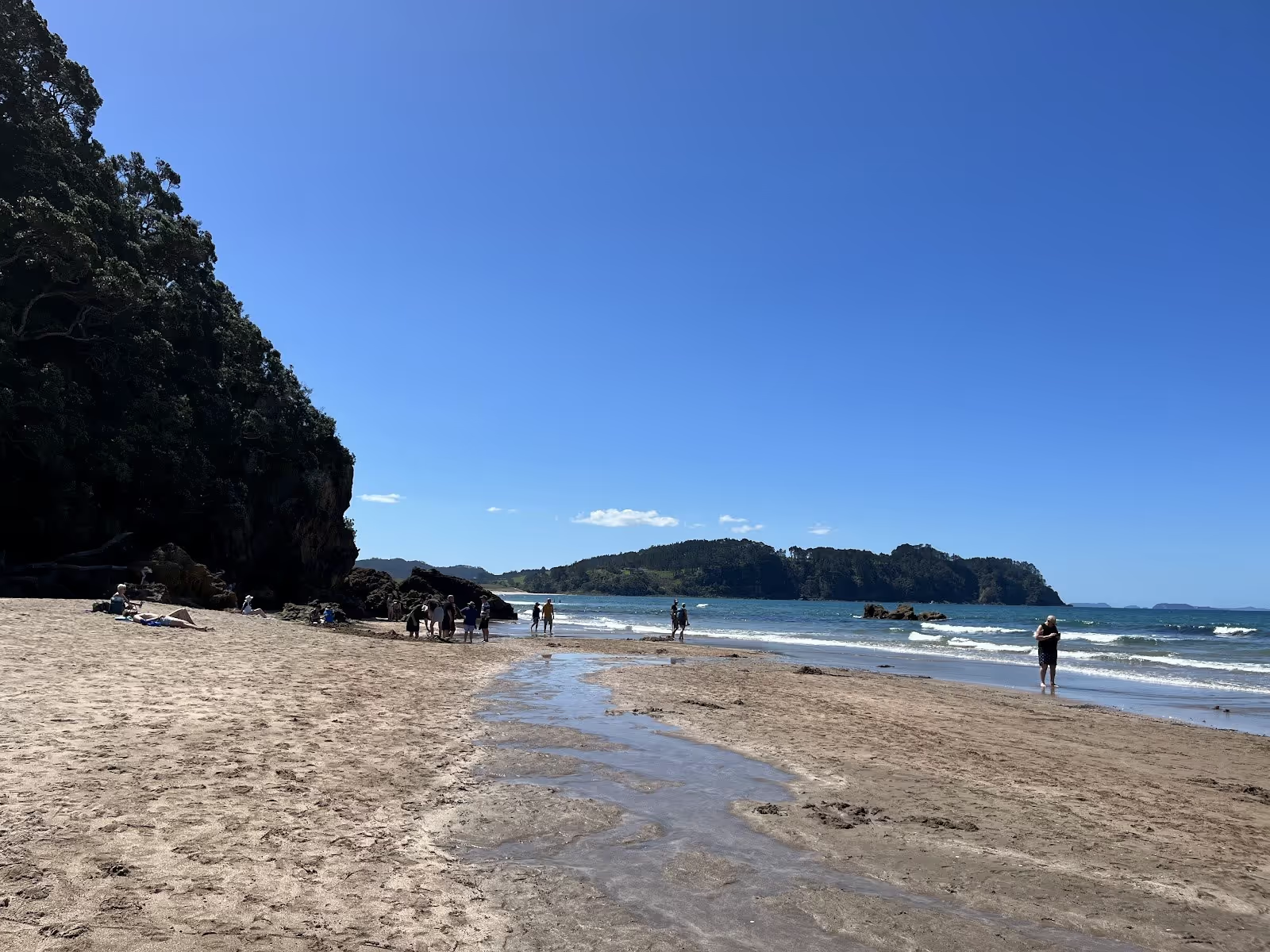
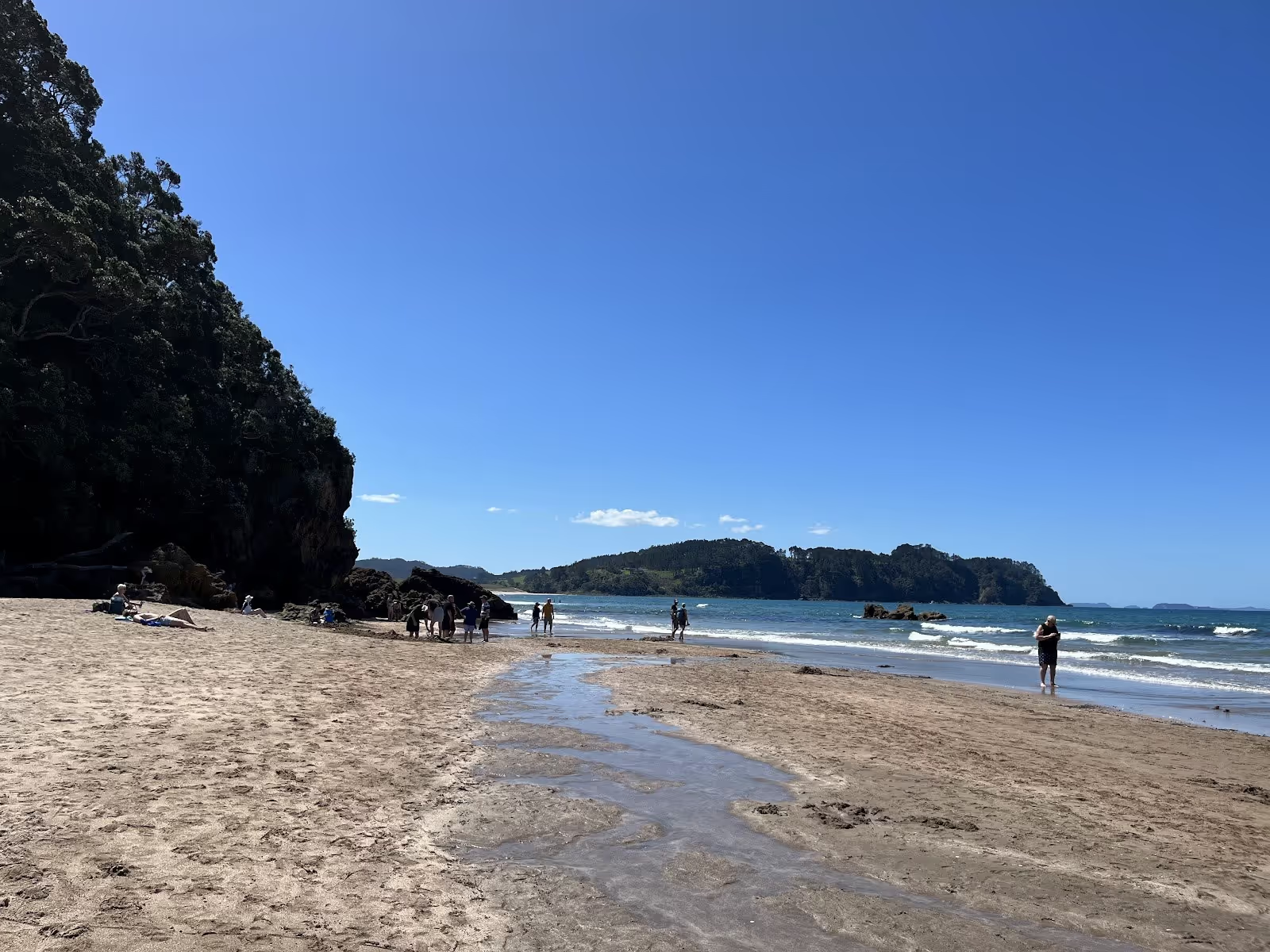
Hot Water Beach, New Zealand is a geothermal beach on the eastern coast of the Coromandel Peninsula, approximately 12 km southeast of Whitianga on the North Island. Underground hot springs filter upward through two volcanic fissures beneath the sand, reaching up to 64 degrees Celsius at the source. It is one of the most visited natural attractions in the Waikato region.
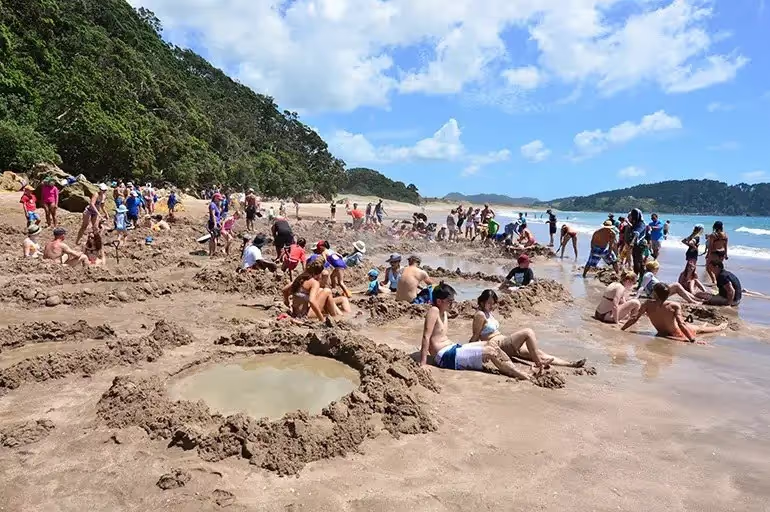
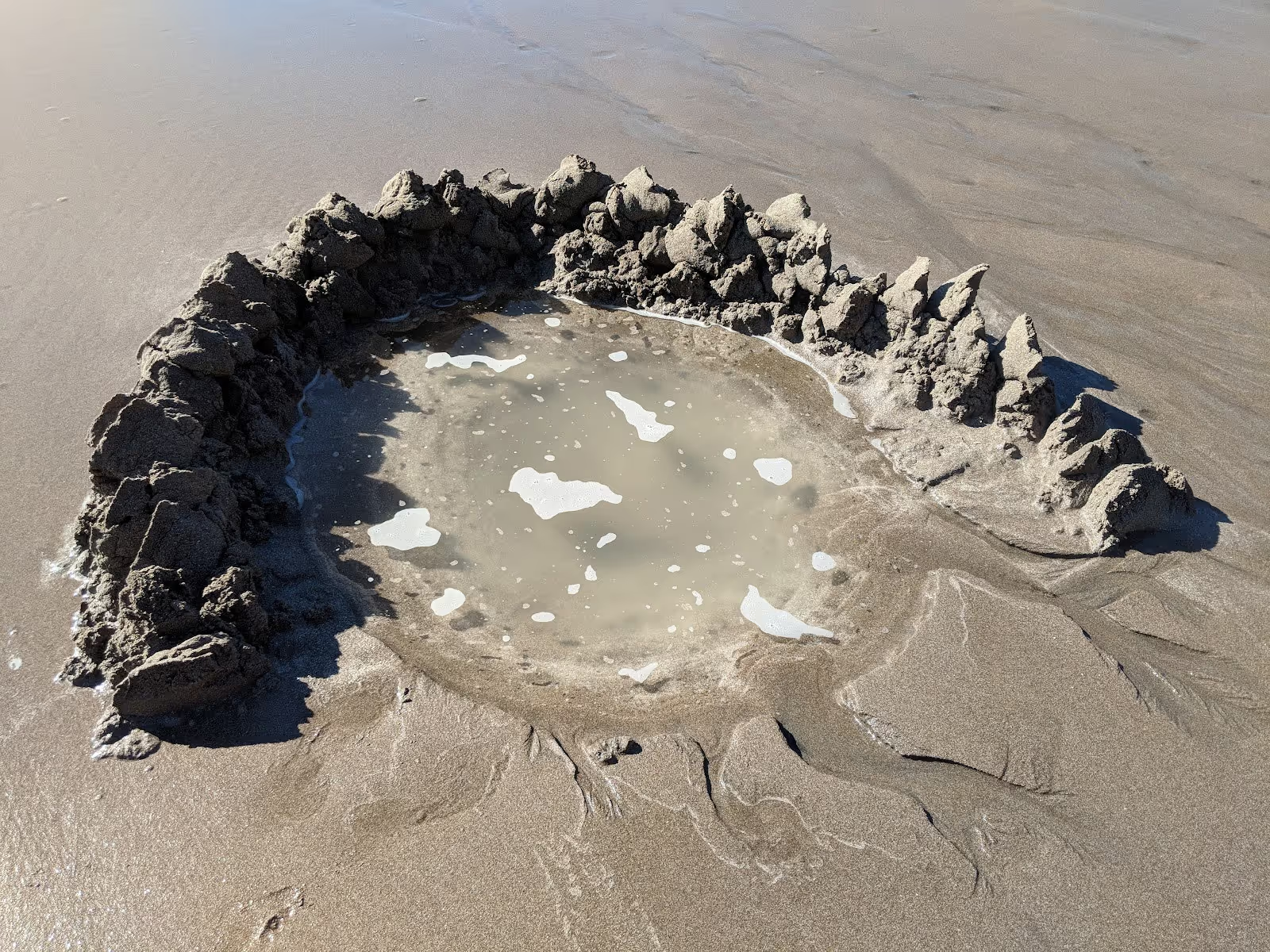
Within a window of roughly two hours either side of low tide, the thermal zone is exposed and visitors dig into the sand to intercept the rising hot water, shaping shallow soaking pools. The thermal zone spans about 50 metres near a rocky outcrop at the southern end of the beach. Outside this window, the springs are submerged under ocean water. Tidal timing is everything: low tide shifts daily, so checking a local tide chart before setting out is essential. Spades can be hired from nearby village shops and cafes rather than brought from home.
The beach is also a surf break, and the surrounding village has cafes, accommodation, and connections to Cathedral Cove a short drive away. For visitors seeking geothermal pools in New Zealand that are free to access and require no infrastructure, Hot Water Beach is one of the most distinctive options in the country.
Location & Access
Getting to Hot Water Beach
Hot Water Beach is reached from Whitianga by driving south on State Highway 25 and then turning onto Hot Water Beach Road, a journey of around 25 to 30 minutes. From Auckland, the total drive covers approximately 175 km and takes around two to two and a half hours depending on the route.
Paid parking is available at the main beach car park near the hot spring zone and at the Taiwawe car park further from the beach. A path through trees leads from the main car park to the beach in around 10 minutes. Toilets are at the car park; there are no facilities on the beach itself. Spade hire is available in the village. Arriving before low tide is strongly advisable in summer, as the hot spring zone fills quickly with other visitors and choosing a good spot early makes a significant difference to the experience.
Public transport to Hot Water Beach is limited, with intercity bus services reaching Whitianga but not the beach itself, requiring a local taxi or transfer for the final leg. Self-drive is the most reliable way to match tide timing with arrival. Among the hot springs in New Zealand accessible by private vehicle on the North Island, Hot Water Beach is one of the most straightforward to reach on a Coromandel road trip, though the tide dependency adds a planning element that most other springs do not require.
Suitability & Accessibility
Who Should Visit Hot Water Beach
Hot Water Beach suits families, couples, and independent travellers willing to plan around the tides and who enjoy a participatory natural experience. The act of digging the pool is engaging for children old enough to help safely navigate hot water, and the beach is free to access with no booking required.
Visitors with mobility limitations should note that the entire experience involves crossing soft, uneven sand. The hot spring zone is not paved or developed and there is no ramp or hard-surface access alternative. No formal wheelchair accessible infrastructure is documented at this site. Visitors with mobility concerns are advised to contact local operators before making the trip to assess current conditions on the beach surface.
Timing is the most important factor for all visitors. Arriving at the start of the low tide window gives the best choice of spots before the thermal zone fills. Winter visits to hot springs in New Zealand like this one can be particularly rewarding because the warm pools contrast with cooler air, and crowds are smaller. The experience varies in intensity with water temperature, which depends on how well hot and cool water are blended in the pool. Testing temperature carefully, especially before children enter, is an important part of getting the visit right.
Safety & Etiquette
Hot Water Beach Safety Tips
Hot Water Beach presents two distinct hazards: the extreme temperature of the geothermal water at source, and the hazardous surf conditions near the hot spring zone.
The water rises from the sand at up to 64 degrees Celsius and can cause burns on contact. Always test the temperature of any dug pool before entering, and mix in cool seawater using a spade to bring the pool to a safe soaking temperature before placing any part of the body in it. Do not touch the spring outlets directly. Steam rising from the sand marks the hottest zones; approach cautiously and keep young children back while finding a suitable spot to dig. Children must be supervised at all times near any hot spring outlet.
Surf conditions near the hot spring area are rated hazardous. Strong rips and currents occur near the rocky outcrop adjacent to the thermal zone, and holes in the seabed in this area create unpredictable depth changes. Do not swim near the rocks. The safer swimming area is to the north of the thermal zone. Volunteer lifeguards patrol on weekends from Labour Weekend through Easter, and professional patrols run from December through February. Always swim between the flags when lifeguards are on duty.
Check local tide times before departing, as the tidal window shifts daily and arriving outside the low tide period means the springs will be inaccessible. Bring drinking water; the combination of hot pools and sun can cause dehydration. The beach can become very crowded in summer, which increases general risk around hot spring outlets; maintain awareness of others in the thermal zone, especially when children are nearby.