Quick FactsOverview
About Hveravellir Geothermal Pool
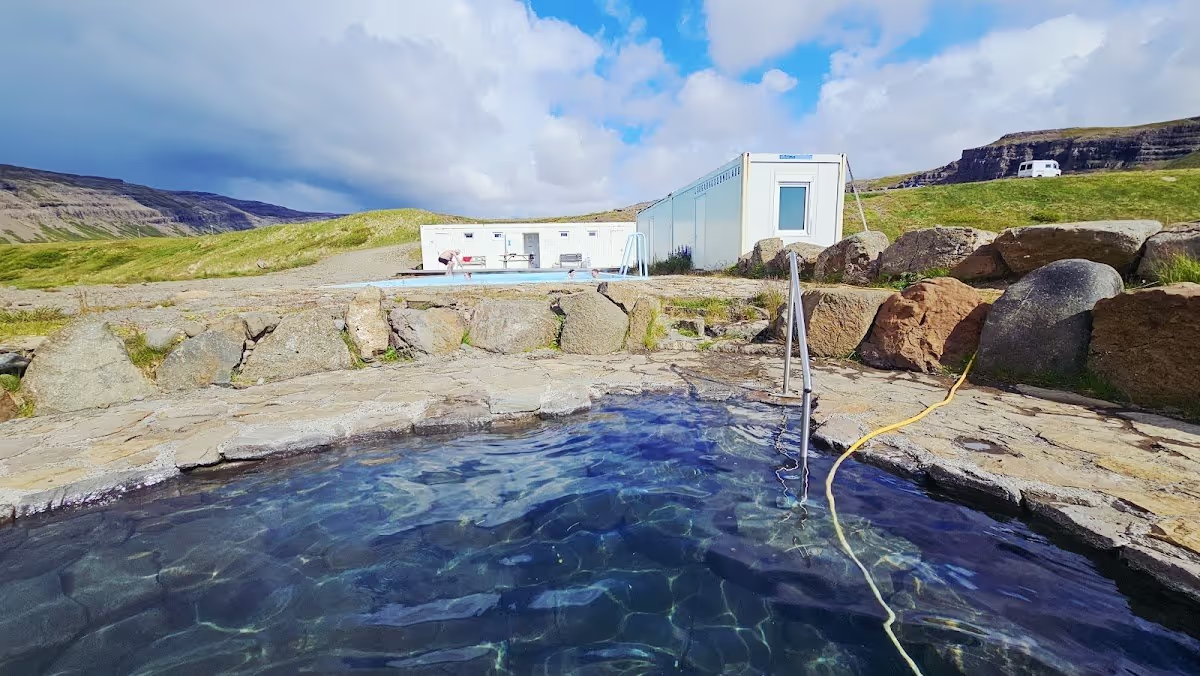
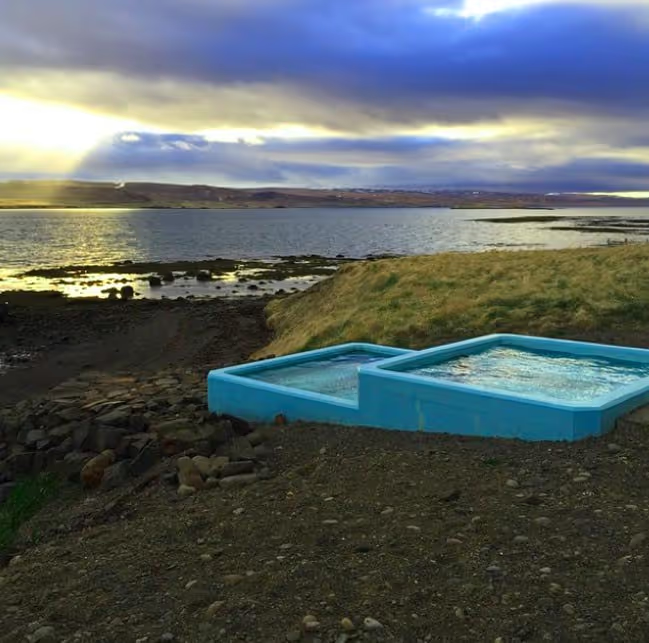
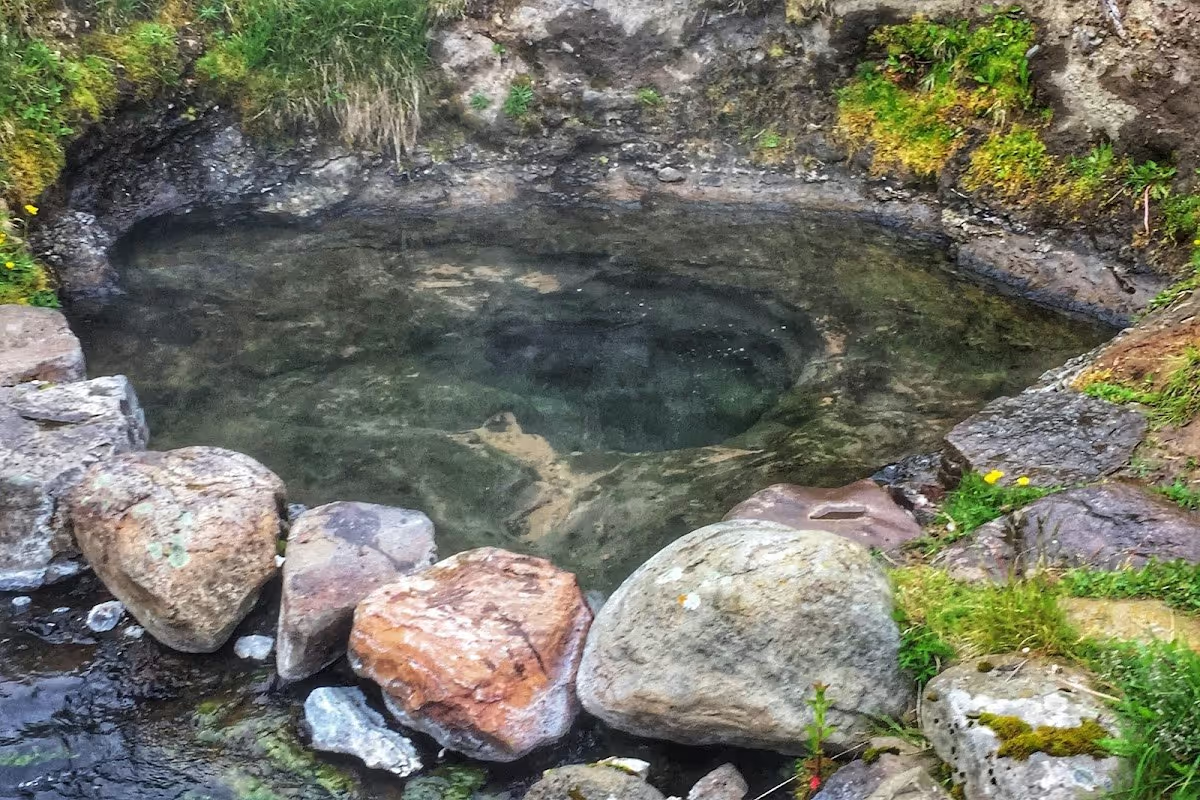
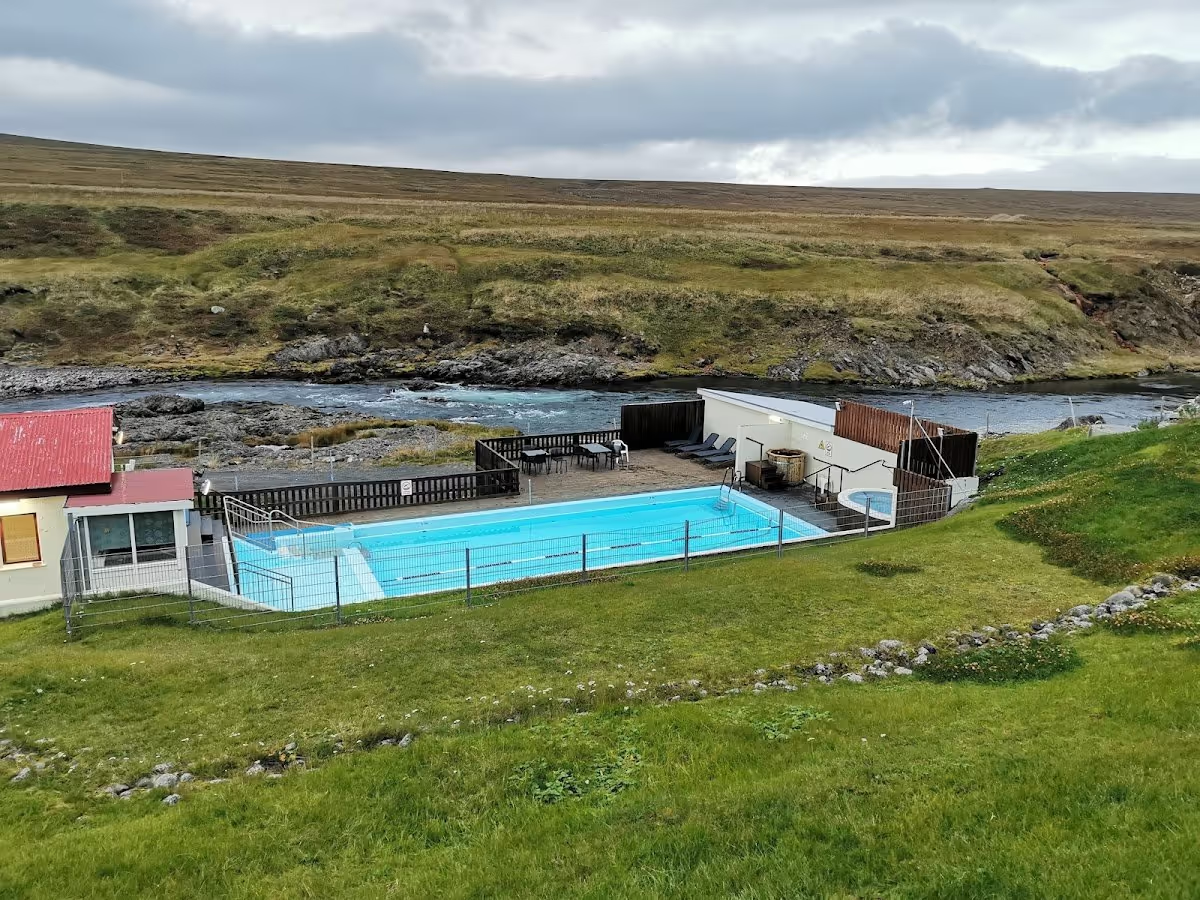
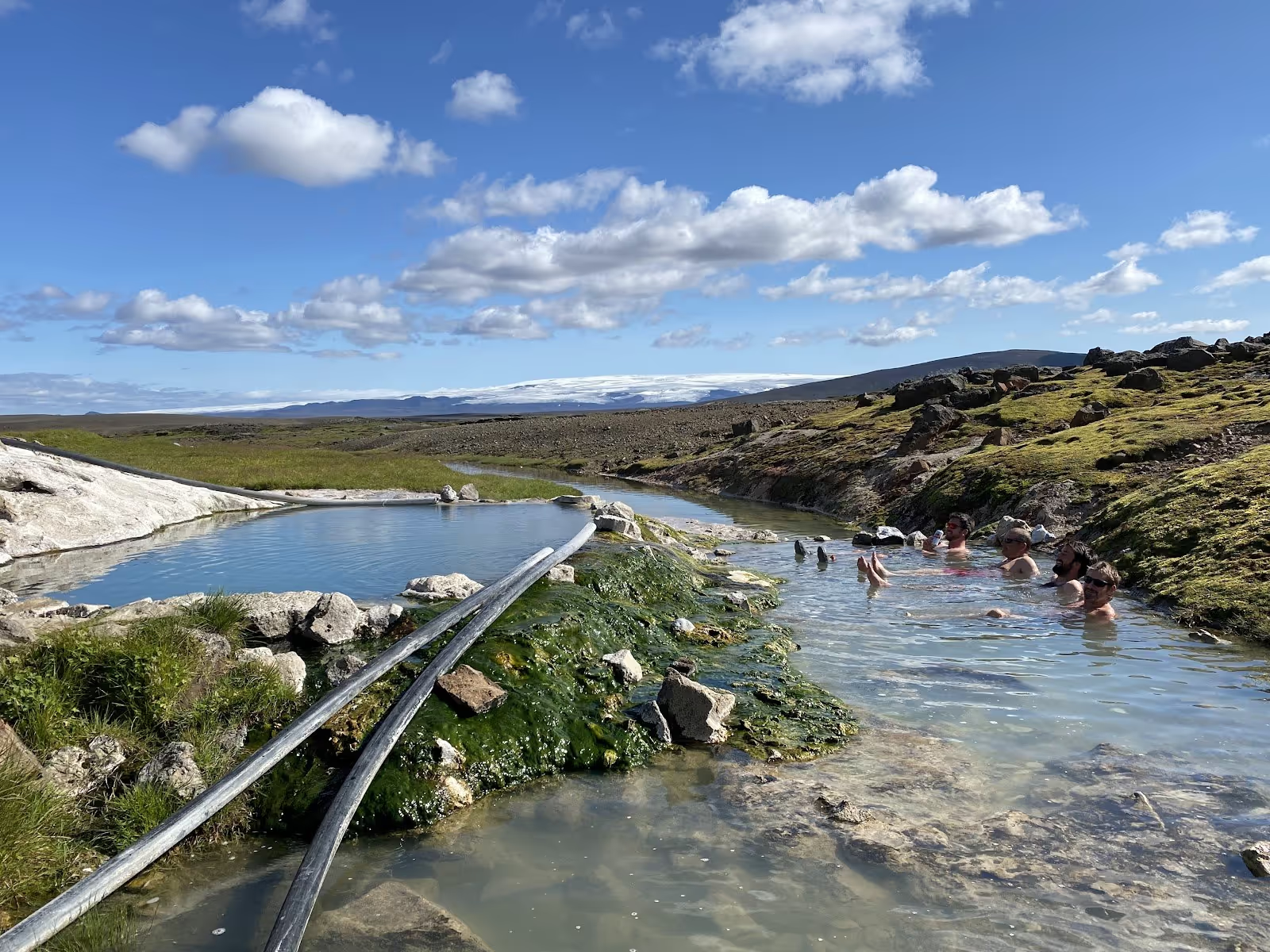
Hveravellir Geothermal Pool, Iceland is a natural bathing pool set within the Hveravellir Nature Reserve in Iceland's central highlands, on the Kjolur mountain route between the Langjokull and Hofsjokull glaciers at around 600 metres above sea level. The pool was created in 1950 when a small dam was built across a geothermal stream, producing a warm soaking pool that holds approximately 20 people at temperatures of 38 to 40 degrees Celsius. A service fee of 500 ISK covers pool access, showers, and toilets at the on-site lodge. The pool is open during the summer season when the Kjolur road is passable, typically June to September.
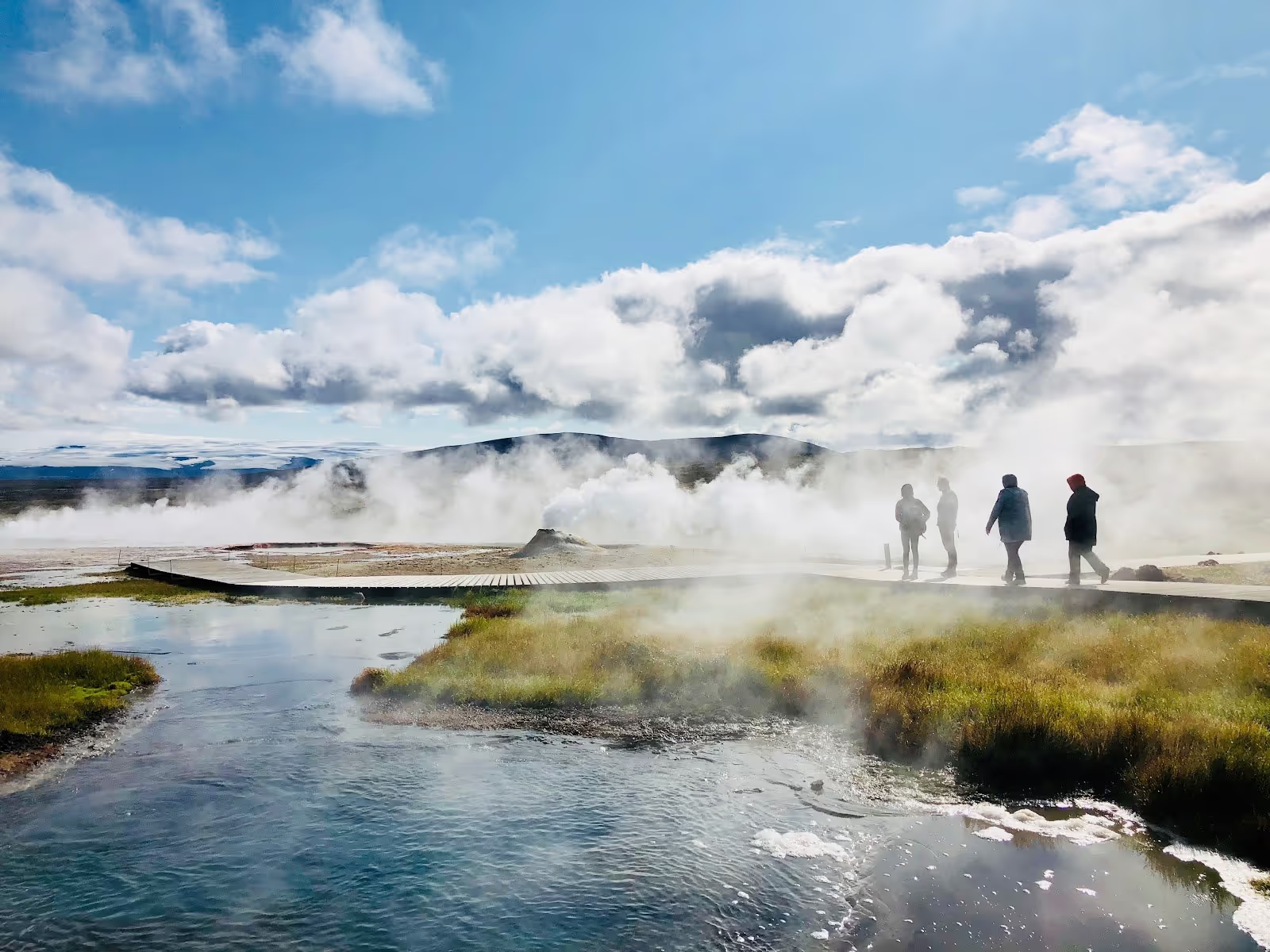
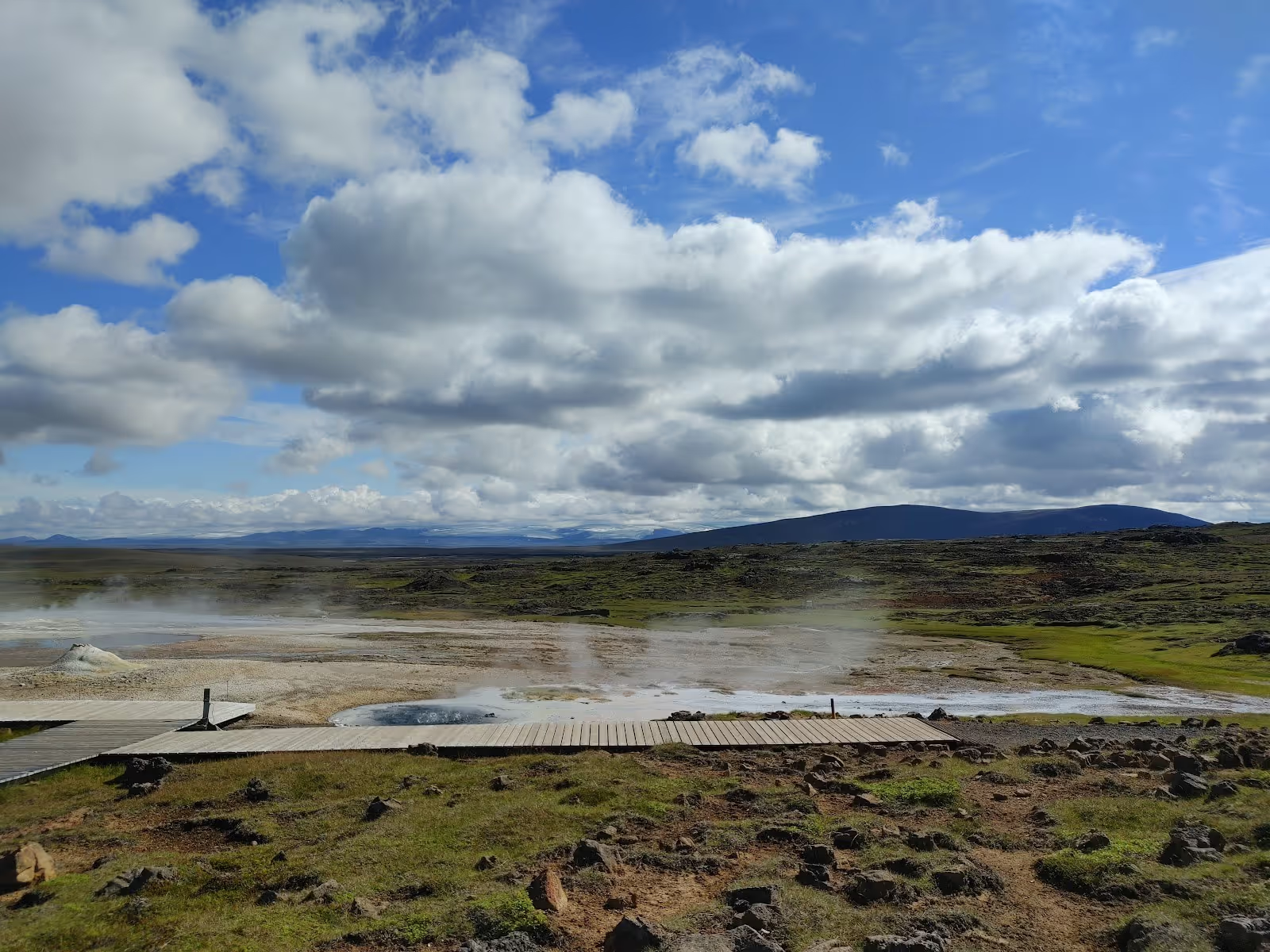
Hveravellir is one of Iceland's most historically significant geothermal areas, described in writing as far back as 1752 and used by highland travelers since the saga age. The reserve features active hot springs, fumaroles, solfataras, and silica terraces alongside the bathing pool. The 18th-century outlaw Fjalla-Eyvindur and his wife Halla reportedly sheltered at Hveravellir for years, and the ruins of their stone shelter are still visible near the hot springs. The Hveravellir Mountain Lodge operates with sleeping bag bunks, a campsite, a cafe, and a service center through the summer season.
Location & Access
Getting to Hveravellir Geothermal Pool
Hveravellir Geothermal Pool is on the Kjolur route, Road 35, roughly midway between Gullfoss in the south and the Ring Road in the north in central Iceland. From the south, the drive from Gullfoss to Hveravellir is approximately 90 to 100 km along the gravel highland road, around two hours depending on conditions. From Reykjavik the total drive is approximately 200 km and takes four to five hours. From Akureyri, the route heads south on the Ring Road and then onto Road 35 from the north, a distance of around 170 km. A gravel parking area is available at the reserve site, and the bathing pool is a short walk from the parking area.
A 4WD vehicle is strongly recommended, as Road 35 is a gravel highland route with rough sections and river crossings not suitable for small low-clearance vehicles. The road is accessible to 4WD vehicles in good summer conditions from roughly mid-June to mid-September; outside this window access requires a super jeep or guided tour. A highland bus from the SBA-Nordurleid company stops at Hveravellir in summer. Always check current road and weather conditions at road.is before departure, and fuel up fully before leaving the Ring Road, as the nearest petrol station is approximately 100 km from Hveravellir.
Suitability & Accessibility
Who Hveravellir Suits
Hveravellir Geothermal Pool suits travelers already driving the Kjolur route who want to combine a highland road trip with a geothermal soak in one of Iceland's most historically layered natural settings. The combination of fumaroles, geothermal terraces, folklore connections, and the pool makes it most rewarding for visitors who engage with the wider site. Solo travelers and couples comfortable with remote highland driving find it particularly satisfying; visitor numbers are low compared to road-accessible pools, and the sense of solitude is significant.
Families can visit with careful supervision. The operator specifically warns to keep children within arm's reach at all times because the surrounding geothermal features include boiling vents and dangerously hot springs. The bathing pool itself is safe, but the broader reserve is hazardous without staying on marked paths. For those seeking natural hot springs in Iceland in a genuinely remote highland environment, Hveravellir is one of the most authentic options in the country.
Wheelchair access is not confirmed. The highland gravel road approach and outdoor reserve terrain are not documented as accessible. The site is remote, with emergency services far away. Confirming conditions with the lodge at hveravellir.is before travelling is advisable for anyone with additional needs.
Safety & Etiquette
Hveravellir Geothermal Pool Safety Tips
Hveravellir Geothermal Pool is generally safe for soaking in the designated bathing pool, but the wider nature reserve contains genuinely dangerous geothermal features. The main hazards are boiling hot springs and fumaroles adjacent to the bathing area, the remote location far from emergency services, and the challenging highland road access. Stay on marked paths and boardwalks at all times; the ground between geothermal vents can be thin-crusted and extremely hot beneath the surface.
The bathing pool runs at 38 to 40 degrees Celsius and is fed by both hot and cold water inlet pipes. The hot inlet carries water near boiling temperature; test the water before entering and avoid the area immediately around the hot inlet. Keep children within arm's reach in and around the pool and do not allow them to approach any other geothermal feature independently. Extended soaking in warm water causes dehydration; drink water before and after your soak. The highland setting means wind and cold air accelerate heat loss on exit; bring warm layers to put on immediately.
Fuel planning is critical: the nearest petrol station is approximately 100 km away. Fill up completely before entering the highlands. Always carry emergency supplies in your vehicle including food, water, warm clothing, and a first aid kit. Check road conditions at road.is before departure. Do not use soap or shampoo in the pool. The reserve has been protected since 1965; follow all posted rules, stay on marked paths, and carry out all litter.