Quick FactsOverview
About Kerosene Creek
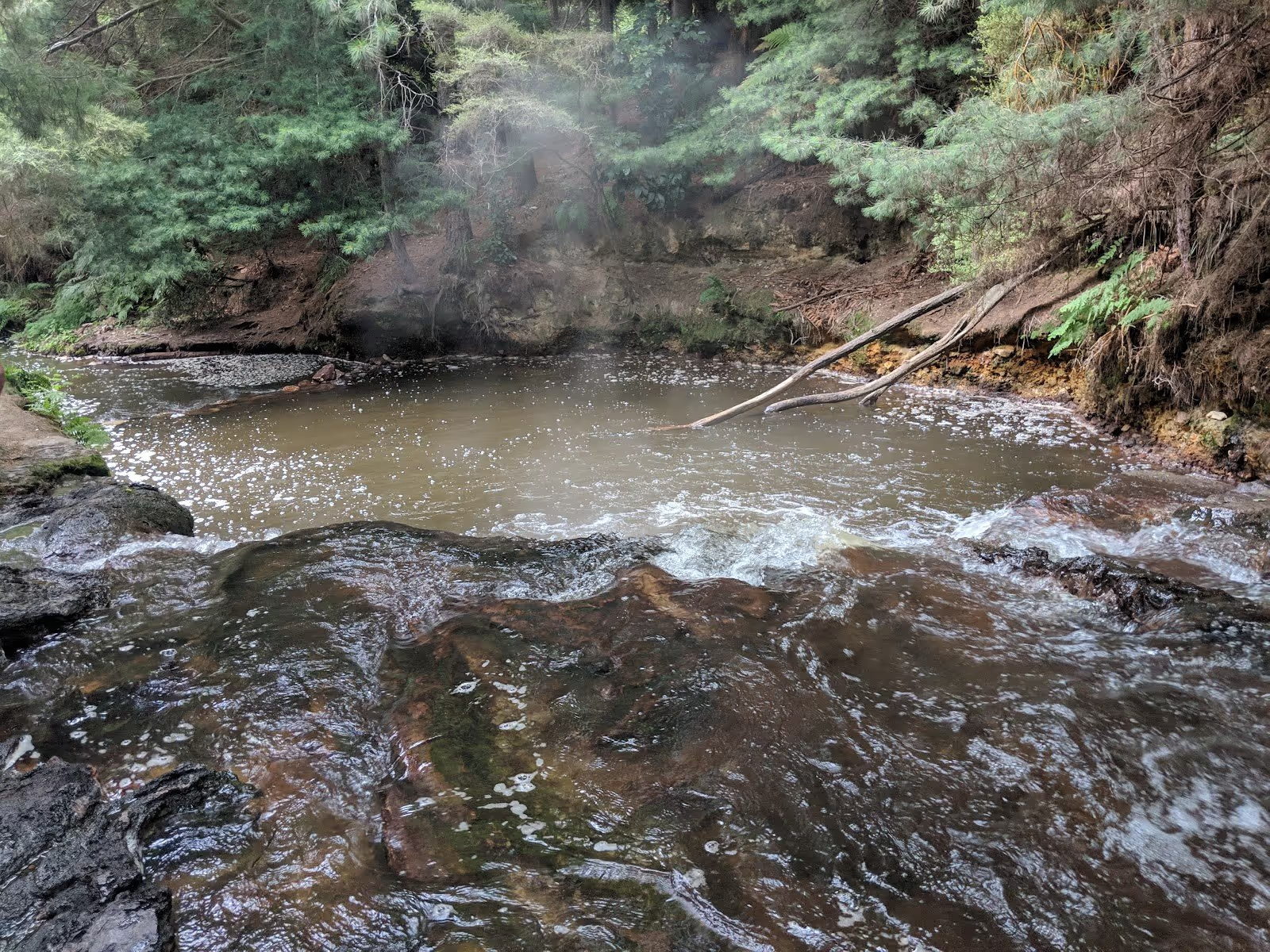
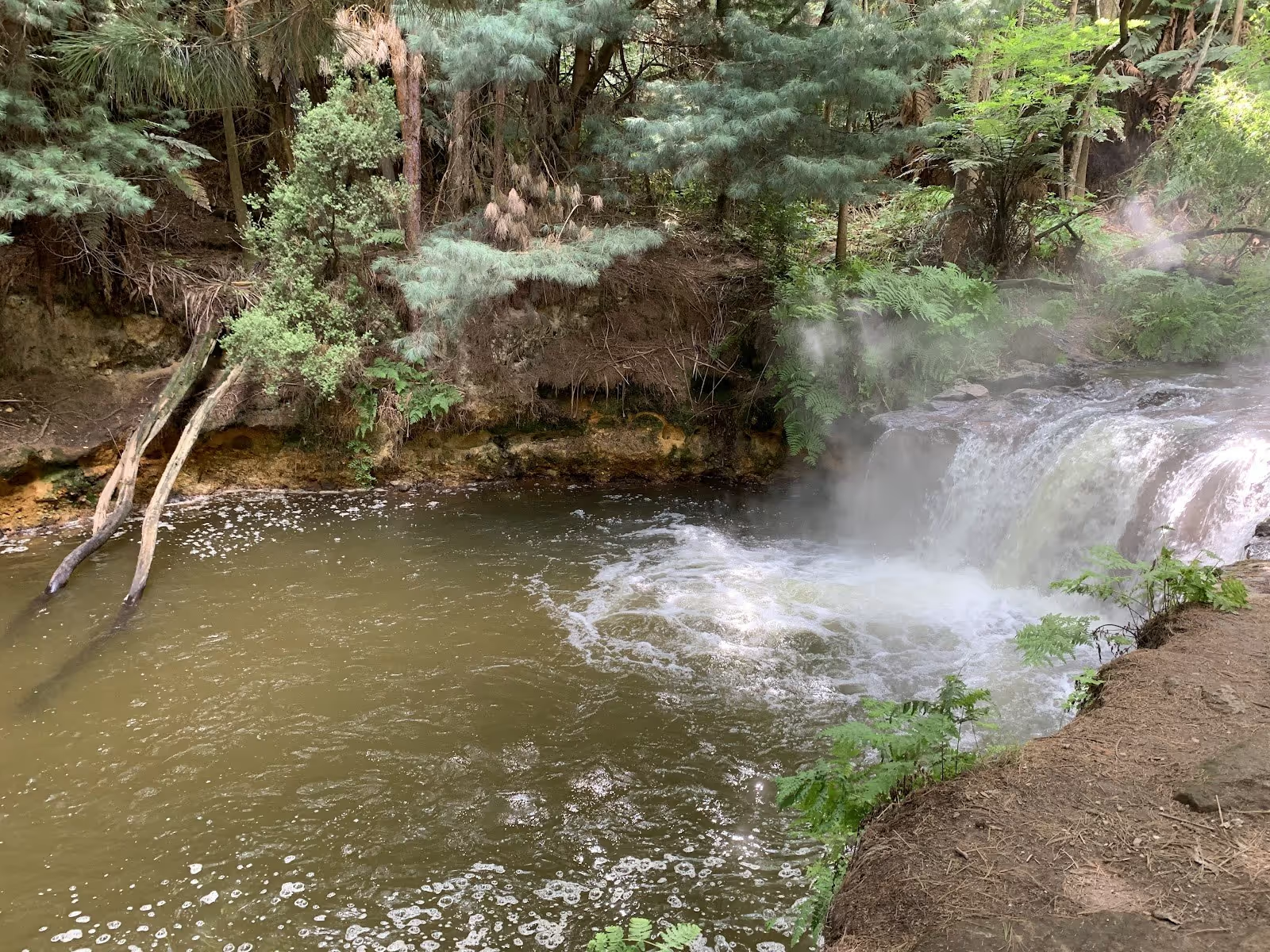
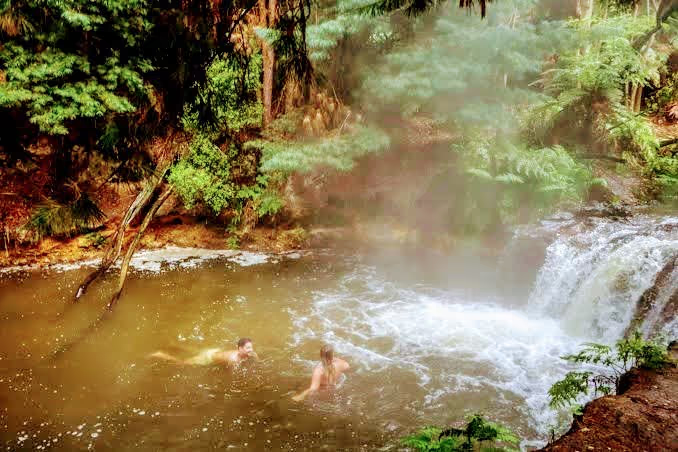
Kerosene Creek, New Zealand is a free natural hot spring stream about 27 km south of Rotorua, near the Waiotapu geothermal area on the North Island. Its formal name is Hakereteke Stream. The creek flows through native bush and drops over a small waterfall of about 2 metres into a wide natural pool, which is the main soaking area. Entry is free and the site has not been commercialised.
Water temperatures typically range from around 30 to 40 degrees Celsius, varying with rainfall and season. Heavy rain dilutes the geothermal flow and can make the creek cooler. The main pool below the waterfall is broad enough for several groups to soak simultaneously. A set of rough stone steps carved into the bank allows entry. Upstream there is a smaller cascade, and further up the water runs warmer in some sections. The area is significant to the local iwi Ngati Tuhourangi and Ngati Tahu, Ngati Whaoa, who have traditional connections to this land. Among the geothermal pools in New Zealand near Rotorua, Kerosene Creek is one of the few entirely free and undeveloped options with a genuine forest stream and waterfall setting.
A corrugated iron changing shed is available at the site, and an eco toilet is across the road from the parking area.
Location & Access
Getting to Kerosene Creek
Kerosene Creek is reached from Rotorua by driving south on State Highway 5 (Thermal Explorer Highway) toward Taupo. After about 26 km, pass the State Highway 38 turn-off on the left, continue past a lake on the right, then take the next left just past a small bridge onto Old Waiotapu Road. Drive 2.2 km along this unsealed gravel road and pull over on the right-hand verge where the track begins. The gravel road is rough and potholed; drive slowly. Standard vehicles manage it in normal conditions. The eco toilet is across the road from the parking area.
From the parking area, a short bush track leads about 200 metres downhill to the main waterfall pool, taking around 5 to 10 minutes on foot. The track can be muddy after rain. The pool is reached quickly from the road, making this one of the most easily accessible free natural hot springs in New Zealand near a major city.
Rotorua is about 27 km north. There is no public transport to Old Waiotapu Road; a car is required. The Wai-o-Tapu Thermal Wonderland is nearby and is frequently combined with a Kerosene Creek visit. From Taupo, the drive north on State Highway 5 takes around 40 minutes. Among hot springs in New Zealand on the central thermal highway, Kerosene Creek is one of the few free stops between Rotorua and Taupo.
Suitability & Accessibility
Who Should Visit Kerosene Creek
Kerosene Creek suits travellers who want a free, natural hot spring experience near Rotorua without the entrance fees and commercial infrastructure of the city's managed pools. It is particularly well suited to backpackers, budget travellers, and anyone looking for a soak in a genuine forest stream setting rather than a developed facility.
Wheelchair access is not documented for this site. The track from the road to the pool is an informal dirt path through bush that can be muddy and uneven, with no formed surface, ramp, or accessible infrastructure. The pool entry requires stepping down rough stone steps cut into a bank. This site is not appropriate for standard wheelchairs or visitors who require level paved surfaces.
Families with young children have visited and found the main pool suitable, as the water temperature is warm rather than scalding and the pool is not fast-flowing at the main soaking area. Parents should check the water temperature carefully before children enter, as geothermal variability means the stream can run hotter than usual at times. The risk of amoebic meningitis, which can occur in geothermal water, means visitors should not submerge their heads or allow water to enter through the nose under any circumstances. This applies equally to children and adults. Silver jewellery should be removed before entering the water as the sulphur content will cause tarnishing.
Safety & Etiquette
Kerosene Creek Safety Tips
Kerosene Creek has specific safety considerations that every visitor should understand before arriving. The most important is the risk of amoebic meningitis from the geothermal water. The amoeba responsible for this condition enters the body via the nose, and infection through this route is how serious illness occurs. Do not submerge your head, do not allow water to enter the nose, and do not put your face in the water under any circumstances. This applies to adults and children equally.
Car theft at the Old Waiotapu Road parking area is a documented and recurring problem. Do not leave valuables, passports, bags, or cameras in your vehicle. Take all valuables to the water or leave nothing visible in the car. Multiple visitor accounts record forced break-ins; this risk should be treated seriously rather than dismissed as unlikely.
The track to the pool is muddy and slippery after rain. Wear footwear that can get wet throughout the visit. The stone steps at the pool entry can be slippery. Water shoes protect feet from broken glass, which has been reported on the creek bed. Test the water temperature before fully immersing; after dry periods the creek can run hotter than the typical range.
Remove all silver jewellery before entering the water as the sulphur content causes rapid tarnishing. Avoid good swimwear as sulphur can discolour fabric and leave a lasting smell. Shower as soon as possible after the visit. Kerosene Creek is an isolated location; do not visit alone if unfamiliar with the area. Mobile coverage can be limited. The nearest services are in Rotorua, about 27 km north.