
Quick FactsOverview
About Lemon Hot Spring
Lemon Hot Spring, Colorado is a free, undeveloped geothermal spring located in San Miguel County along the San Miguel River near the small hamlet of Placerville. The spring surfaces at approximately 90 degrees Fahrenheit at an elevation of 7,323 feet on the western slope of the Colorado Rockies. Placerville, the nearest community, is a census-designated place with a population of roughly 360 and serves as the primary reference point for the spring location.
The spring lies within a geologically active zone along the San Miguel River corridor. The area sits within the Colorado Plateaus physiographic province, where geothermal activity is driven by deep circulation along fault systems beneath the river valley. The nearby town of Sawpit is roughly 3 miles to the southeast, and Telluride, the nearest town with full services, is approximately 15 miles to the east. This is one of several natural hot springs in Colorado found along western slope river corridors at moderate elevation.
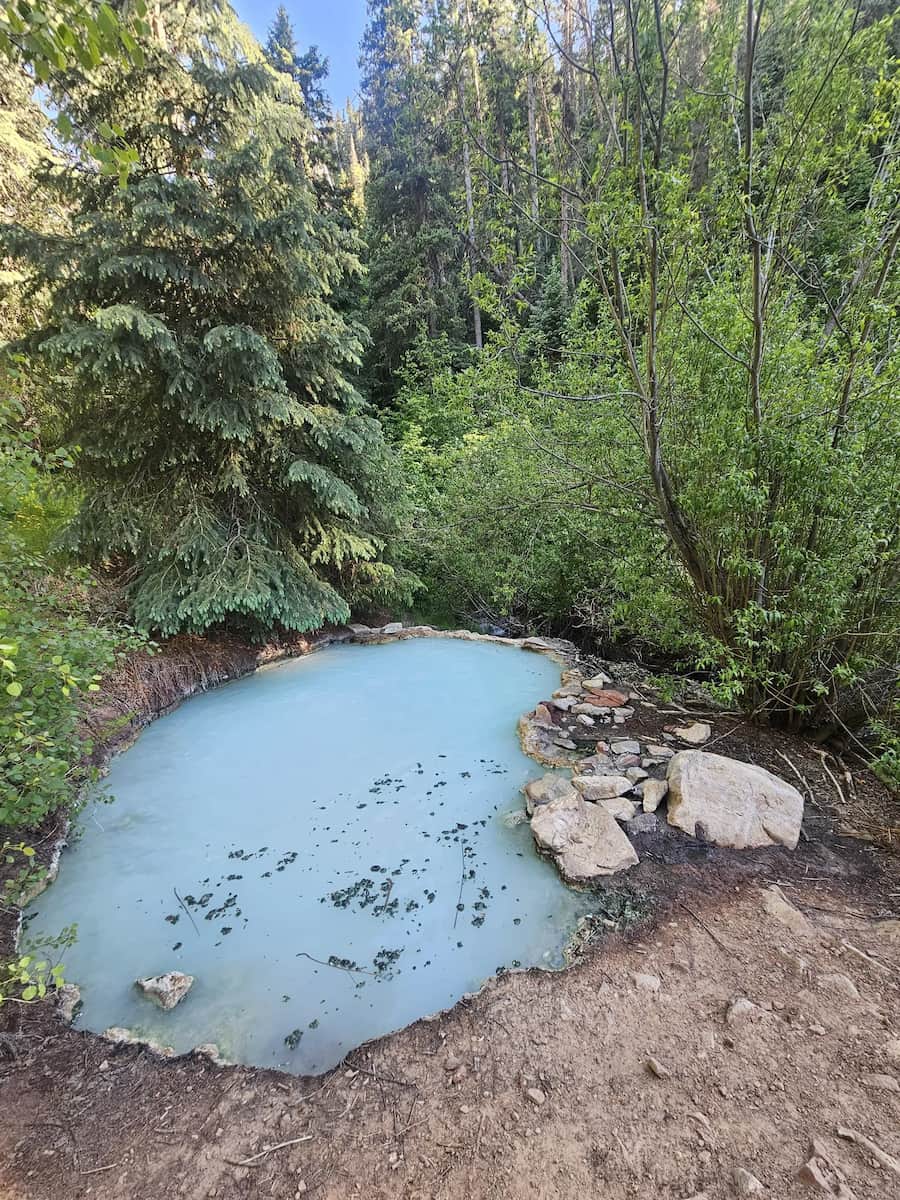
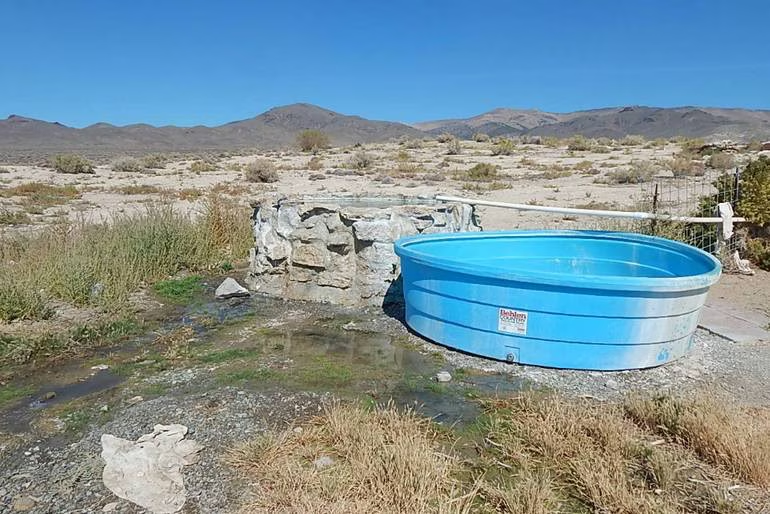
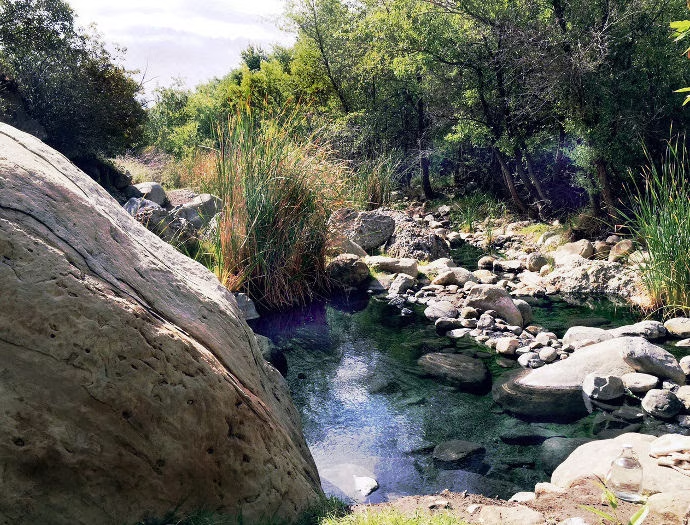
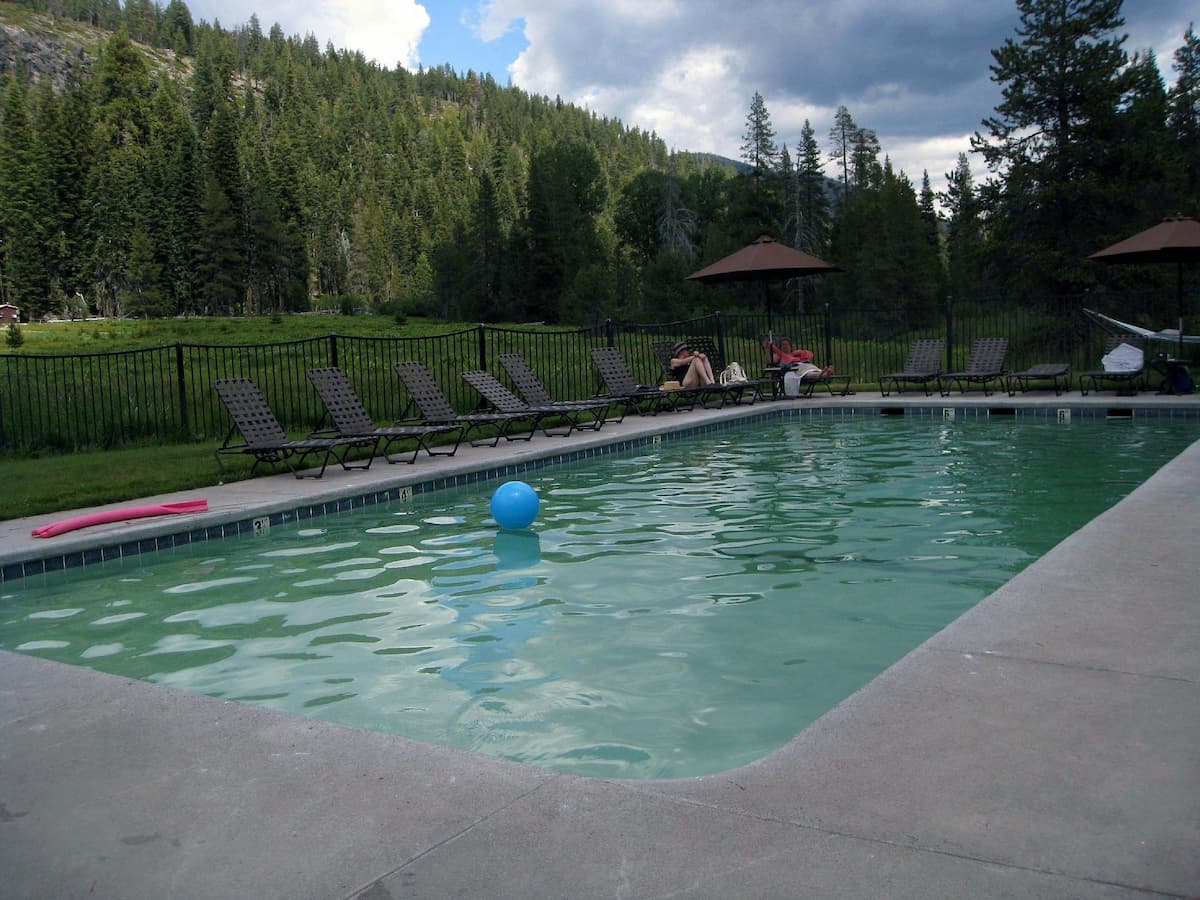
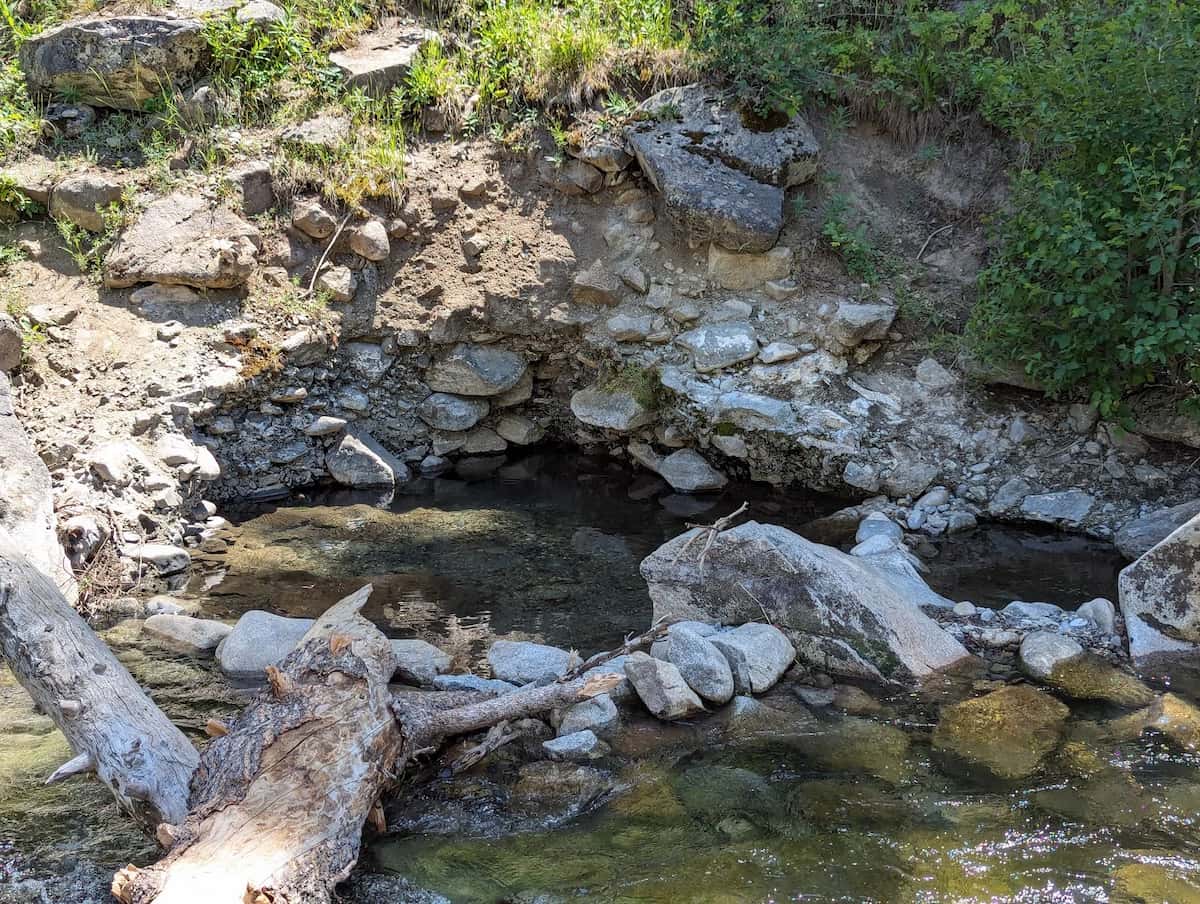
There are no developed pools, changing facilities, or managed access at the spring. Visitors encounter a natural geothermal seep along the river, best approached as a geological point of interest in a scenic mountain river valley.
Location & Access
Getting to Lemon Hot Spring
Lemon Hot Spring is located along the San Miguel River near Placerville in San Miguel County, accessible from Colorado Highway 145 which follows the river corridor between Telluride and Norwood. The spring requires no hike and sits near the roadway at river level, making it one of the more easily reached geothermal features in the region.
From Telluride, drive west on Highway 145 for approximately 15 miles. The spring area is displayed on the USGS Placerville topographic quadrangle map. Highway 145 is a paved state highway and is accessible year-round, though winter conditions may require snow tires or chains in the mountain sections. The closest communities are Placerville and Sawpit, neither of which has extensive visitor services. Telluride offers the nearest full range of lodging, food, and supplies.
Parking and Seasonal Considerations
There is no designated parking area for the spring. Visitors should park safely along the highway shoulder where pullouts allow, taking care not to block traffic or private access roads. For visitors exploring hot springs near Placerville, this is the closest documented geothermal feature in the immediate area. The spring is accessible in all seasons given the year-round highway, though winter temperatures at this elevation reduce the appeal of the moderate water temperature. The San Miguel River may be high during spring runoff in May and June, which could affect access near the bank.
Suitability & Accessibility
Who Should Visit Lemon Hot Spring
Lemon Hot Spring suits travelers passing through the San Miguel River valley and geology enthusiasts interested in the geothermal features of the western slope rather than visitors seeking a soaking experience, as the water temperature of 90 degrees Fahrenheit is just below body temperature and may feel lukewarm to most bathers. The spring is best appreciated as a quick roadside stop to observe a natural geothermal feature in an attractive river valley setting.
The easy roadside access means visitors of most fitness levels can reach the general area of the spring without difficulty. However, walking from the road to the riverbank may require crossing uneven or sloped ground. There are no maintained paths, steps, or handrails. Visitors should wear sturdy footwear and exercise caution near the river, particularly during periods of high water.
Accessibility at Lemon Hot Spring
The spring is not wheelchair accessible. The terrain between the highway and the river is natural and unimproved. There are no restrooms, changing facilities, or any infrastructure at the site. Families with children should supervise closely near the river. Those exploring natural hot springs Colorado offers in the San Miguel and Dolores river region will find this among the more accessible geothermal features, though it serves primarily as a viewing destination rather than a developed soaking experience. Warmer and more developed options are available in Ouray, roughly 45 miles to the east via Highway 62.
Safety & Etiquette
Lemon Hot Spring Safety Tips
Lemon Hot Spring is generally safe to approach, though visitors should be mindful of the undeveloped nature of the site, the proximity to the San Miguel River, and the uncertainty around land ownership before stopping. The water temperature of 90 degrees Fahrenheit poses no scalding risk, but the spring water has not been tested for recreational safety.
The primary safety concern at this location is the San Miguel River itself. River currents can be strong, especially during spring runoff from May through early July. Do not wade or swim in the river near the spring during high water. Even at low water, river rocks may be slippery. Keep a safe distance from the water edge if you are not an experienced river traveler. The highway is immediately adjacent, so watch for vehicle traffic when parking and walking to the spring area.
Land Ownership and Access
Land ownership around Lemon Hot Spring is not publicly documented. The GNIS feature report does not include property ownership information, and the spring may be on private land. Visitors should respect any posted signs, fences, or barriers. If the area appears to be on private property, do not enter without the landowner permission. Check current access conditions with the San Miguel County offices or the local Forest Service ranger district before planning a dedicated visit.
Leave No Trace at Lemon Hot Spring
Pack out all trash and waste. Do not alter the spring source or build structures near the river. The area has no waste receptacles or restroom facilities. Wildlife along the San Miguel River corridor includes deer, elk, and various bird species. Do not leave food accessible or disturb animals. Keep noise levels respectful of the rural setting and nearby residents.