Quick FactsOverview
About Mangatainoka Hot Springs
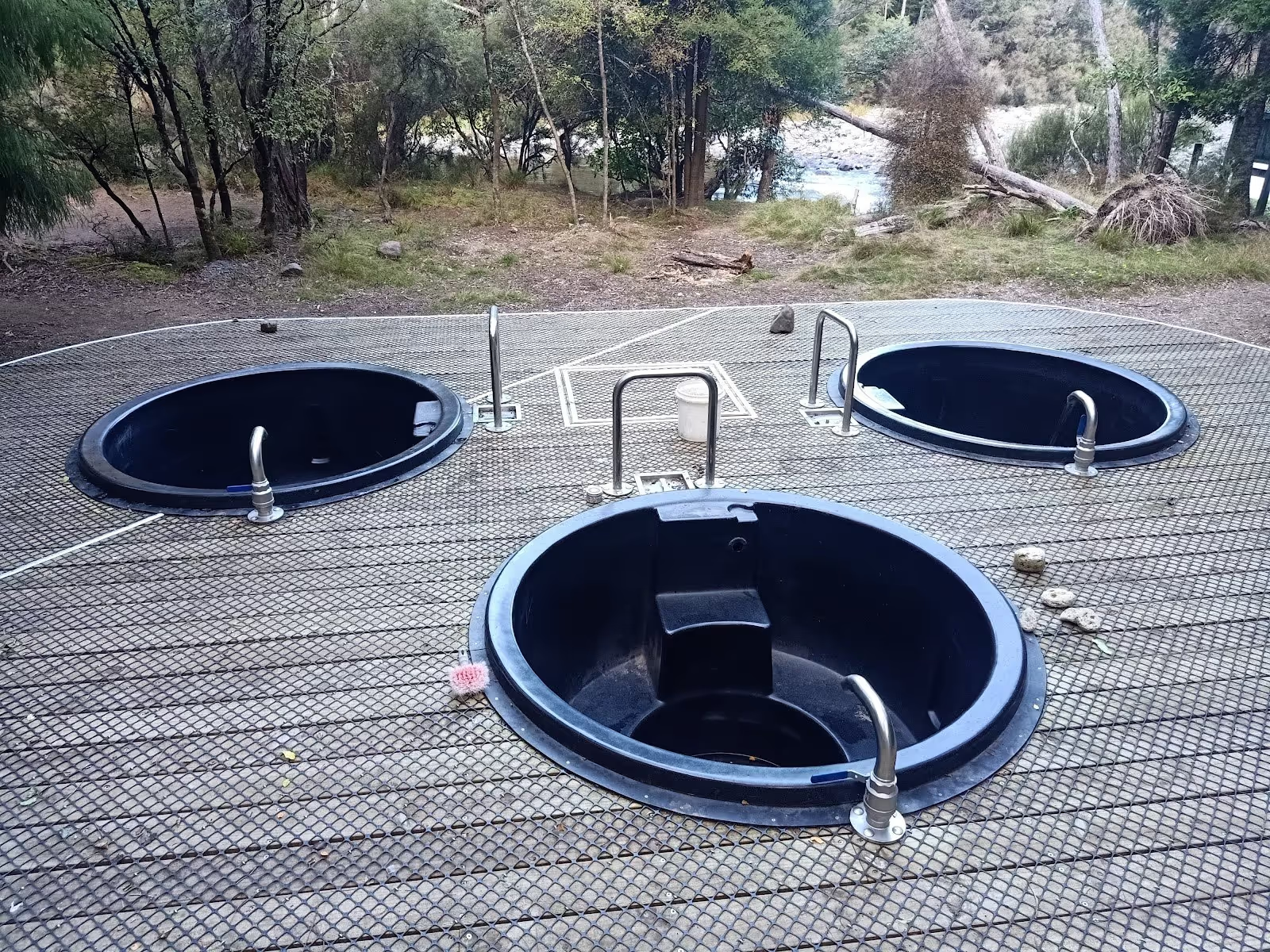
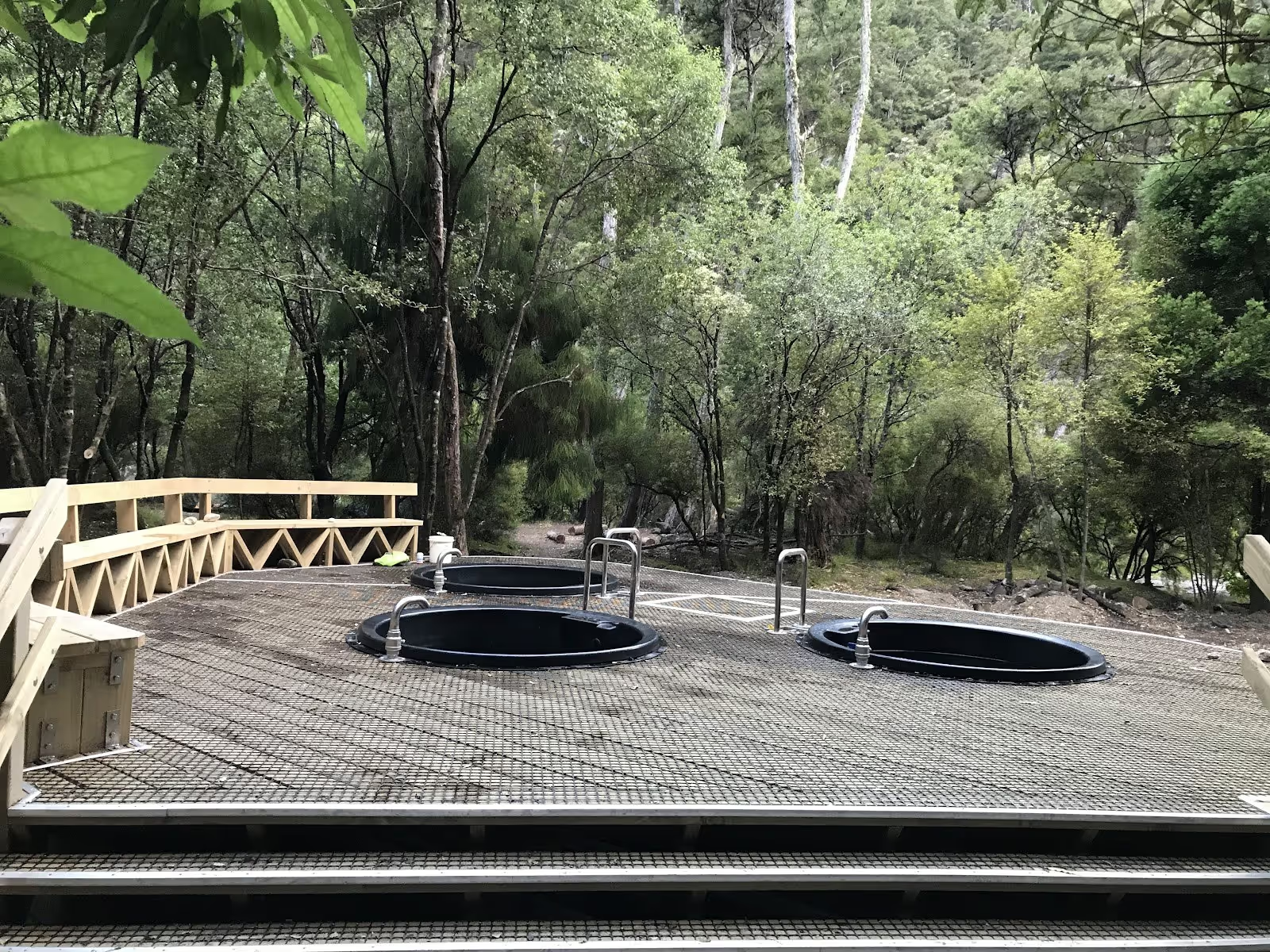
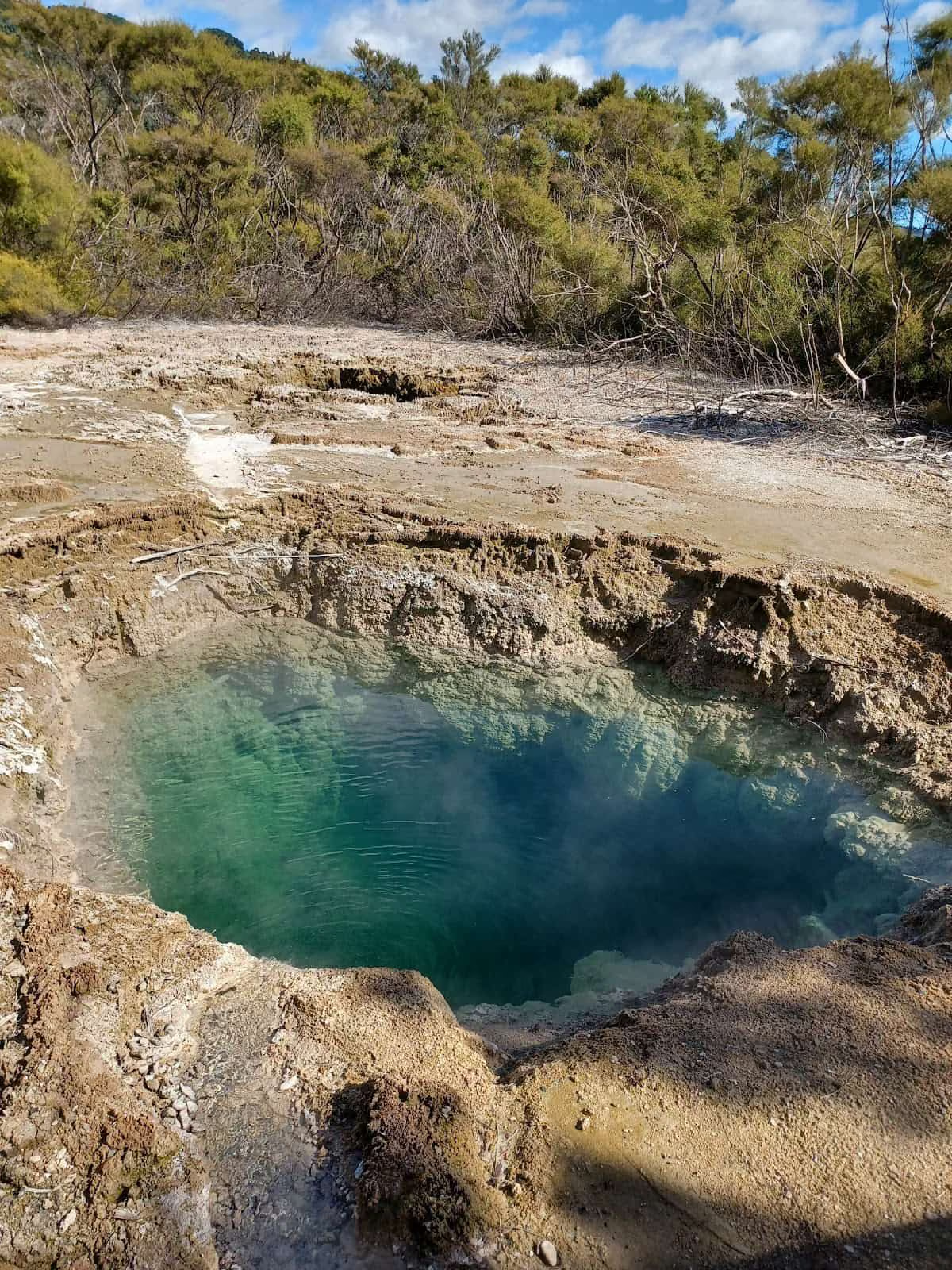
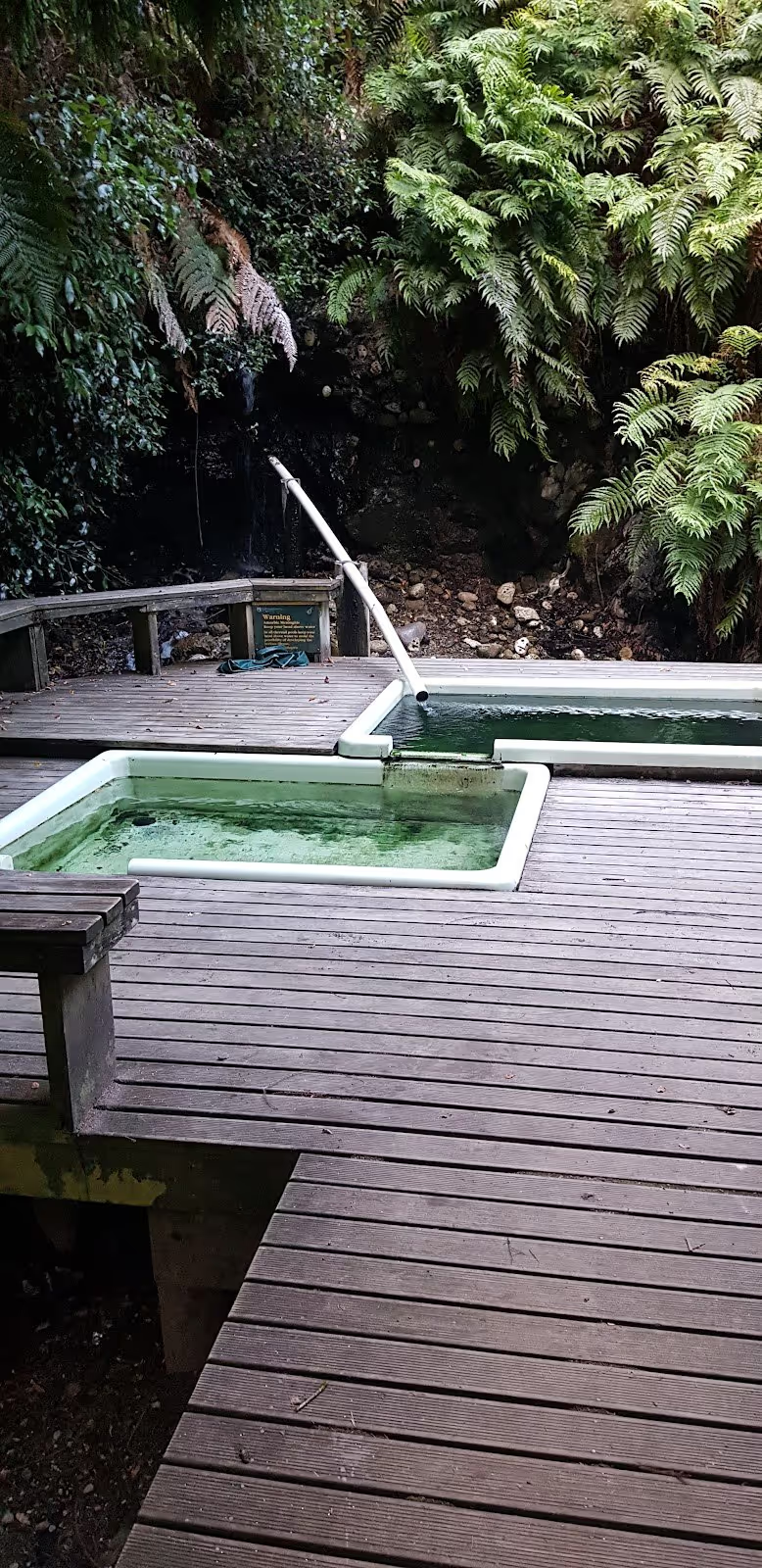
Mangatainoka Hot Springs, New Zealand is a free geothermal spring in Kaweka Forest Park, Hawke's Bay, reached by a 2 to 3 hour intermediate tramp from the road end and a further 45 minutes beyond Te Puia Hut. Three deep round pools with valves and non-slip decking sit beside the Mohaka River in native bush. A free DOC campsite is adjacent.
DOC renovated the pools, replacing older square tubs with deeper round black pools surrounded by timber decking. Each pool has a valve to control water flow and allow the tub to be drained and refilled. The incoming water is too hot to enter directly; visitors fill the pool and wait for it to cool, or add cold river water. The Mohaka River beside the pools is also habitat for whio, the native blue duck. The Waiokaka Lodge hut sits nearby. The setting is mature native bush with no road access and no commercial development.
Mangatainoka is widely described as the most rewarding destination in Kaweka Forest Park. The backcountry thermal soak at the end of the Mohaka valley tramp is a classic North Island experience. Among the geothermal pools in New Zealand requiring a full backcountry journey to reach, these are among the most well-appointed.
Location & Access
Getting to Mangatainoka Hot Springs
Mangatainoka Hot Springs is reached by first driving to the end of Makahu Road (75 km northwest of Napier, about 90 minutes) and then tramping the Te Puia Track. From the road-end car park at The Gums, the track follows the true right of the Mohaka River upstream to Te Puia Lodge, a serviced DOC hut with 26 bunks. This section takes 2 to 3 hours. From Te Puia Lodge, a further 45 minutes on the track leads to the hot springs, crossing a bridge over the Makino River and passing through rolling native bush with some steep sections and a final steep descent to the pools.
The total tramp from road end to hot springs is 3 to 4 hours on intermediate terrain. The track is well-constructed and well-signposted, and all significant river crossings are bridged. Most visitors stay at least one night at Te Puia Lodge (paid hut tickets, first-come first-served) or at the free Mangatainoka campsite adjacent to the pools. The same access road cautions apply as for Mangatutu: the ford 7.5 km from the road end can be impassable after rain.
Those seeking hot springs in New Zealand that offer genuine backcountry immersion will find the Mohaka valley tramp rewarding in its own right, with whio on the river and native forest throughout. A longer loop return via other tracks is possible, extending the full trip significantly for those wanting more time in the ranges.
Suitability & Accessibility
Who Should Visit Mangatainoka Hot Springs
Mangatainoka Hot Springs suits fit, experienced trampers who want a multi-day backcountry hot spring experience in the Kaweka Ranges and who are comfortable navigating unsealed mountain roads, carrying overnight gear, and spending one or more nights in basic DOC huts or tent camping. The tramp is graded intermediate and the total journey, including the drive and the walk, requires a full day of effort each way.
The pools are not accessible to wheelchairs, pushchairs, or visitors with limited mobility. The access road has no alternative and the tramp itself involves rough terrain, rolling hills, steep sections, and a final steep descent to the pools. There is no hard-surface track at any point. This is an entirely backcountry experience with no commercial services or developed visitor infrastructure beyond the hut and campsite facilities.
Families with children face a demanding journey. The track has been completed by motivated visitors with older children, but the length, the terrain, and the overnight nature of the trip make it unsuitable for younger children or those not accustomed to overnight tramping. Trampers should be self-sufficient with food, water purification, first aid supplies, navigation capability, and appropriate gear for mountain conditions. Weather in the Kaweka Ranges can change rapidly. For those with the fitness and experience, the payoff is a set of genuinely excellent pools in a remote native bush setting that few hot springs in New Zealand can match for atmosphere and seclusion.
Safety & Etiquette
Mangatainoka Hot Springs Safety Tips
Mangatainoka Hot Springs is a remote area site where preparation before departure is essential. The river ford on Makahu Road can be impassable after heavy rain, preventing access to the trailhead entirely. Check rainfall and current road conditions with Hastings District Council before leaving Napier. This ford has stranded visitors who arrived to find it impassable after an unexpectedly wet period.
The hot spring water arrives too hot to enter directly. Fill a pool using the valve, allow it to cool, or add cold river water. Test before entering. Do not submerge your head in geothermal water. Pools can vary significantly in temperature between visits depending on natural geothermal variation.
The tramp involves rolling terrain, steep sections with drop-offs, and a final steep descent to the pools. Wear appropriate footwear for the entire route. Track surfaces are slippery when wet. All formal river crossings are bridged, but surrounding terrain can be muddy and difficult after rain. Do not attempt any crossing off the marked route.
Mobile coverage is absent for the entire route from the road end. Let someone know your route, planned hut stays, and expected return date before setting out. Carry a first aid kit, navigation tools, and enough food, water, and emergency shelter for longer than planned. Mountain weather in the Kaweka Ranges deteriorates rapidly and snow is possible in all seasons at higher elevations. Dogs are not permitted without a DOC permit. Fires are not permitted. Hut stays require a paid hut ticket purchased in advance from DOC.