
Quick FactsOverview
About Palm Spring in Saline Valley
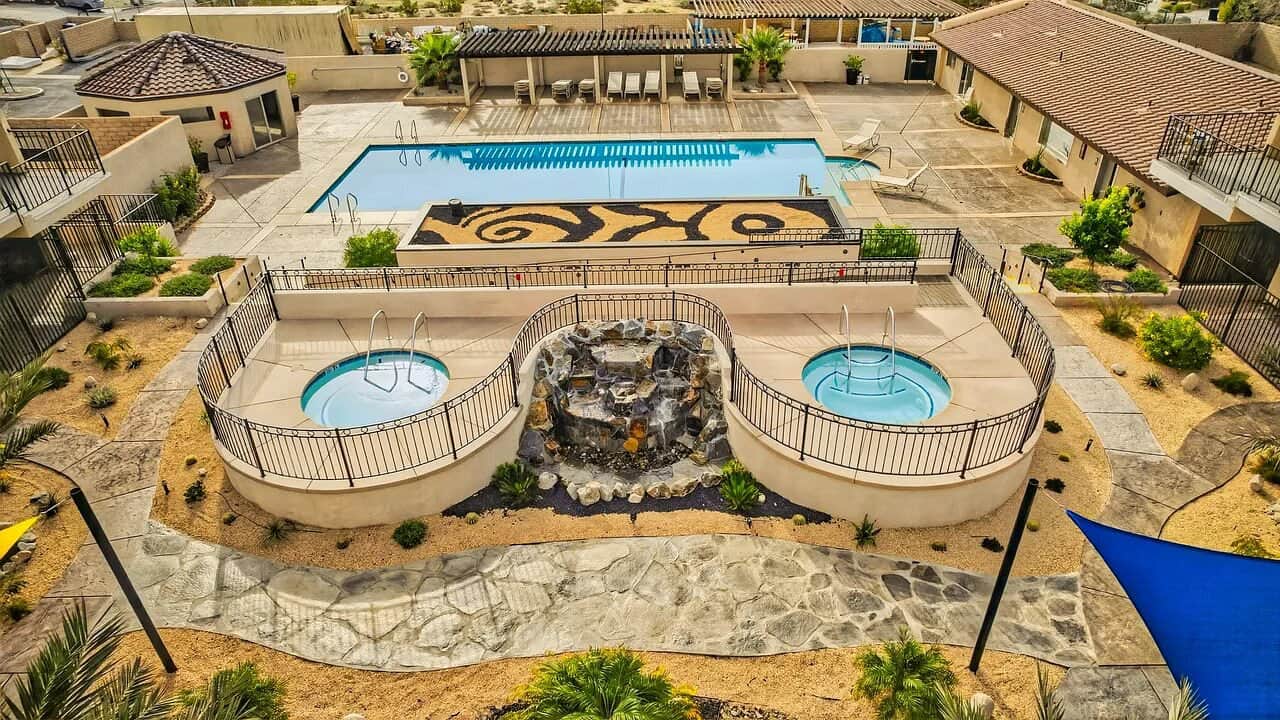
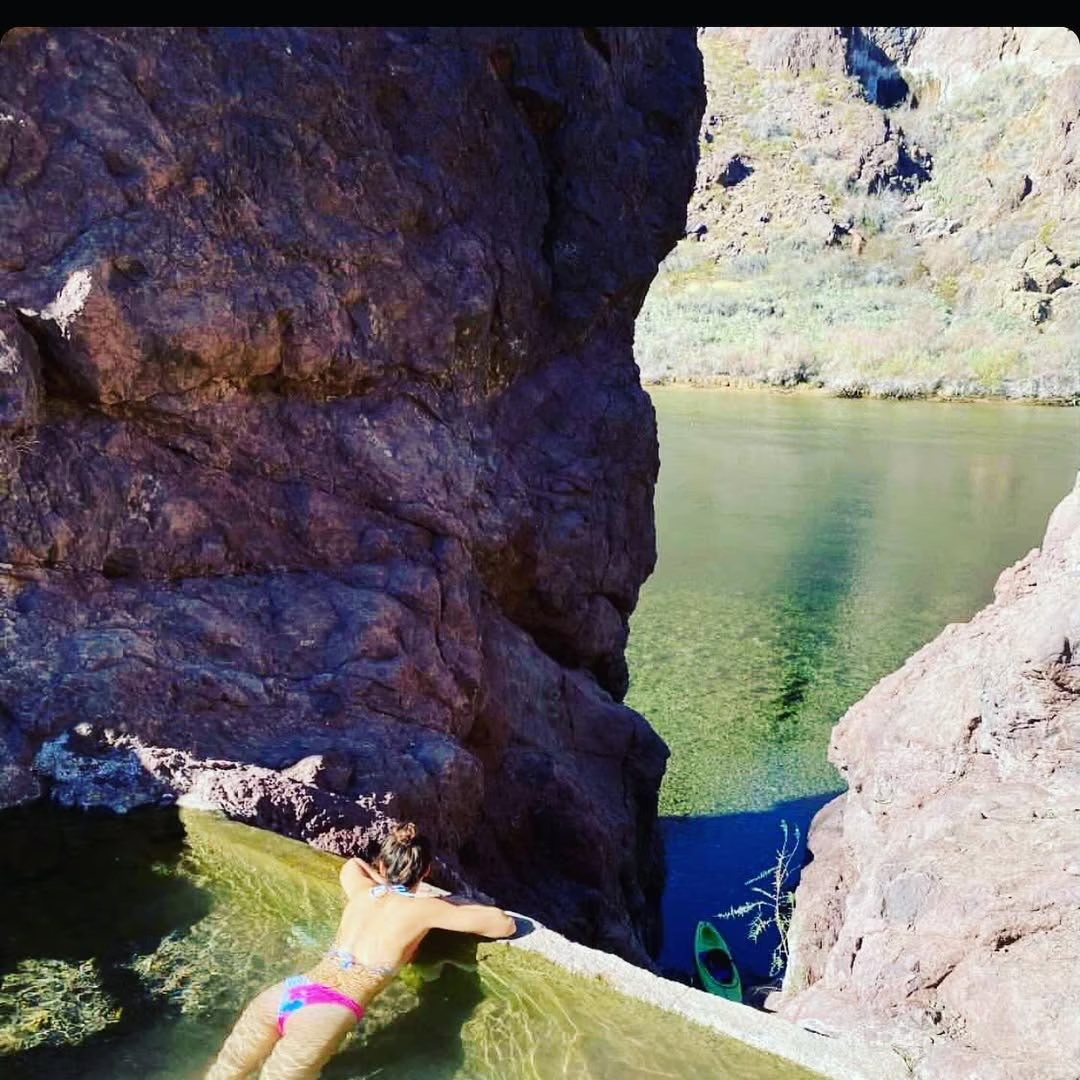
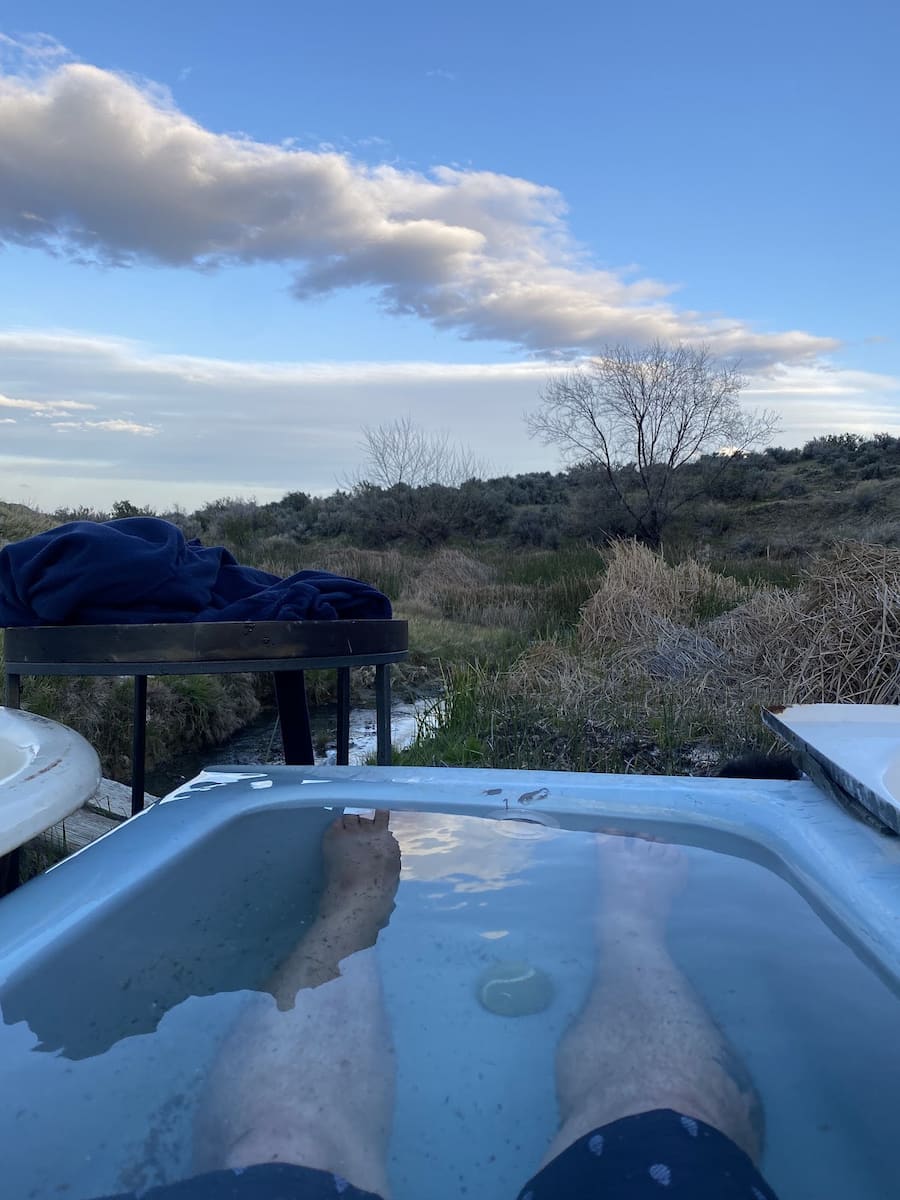
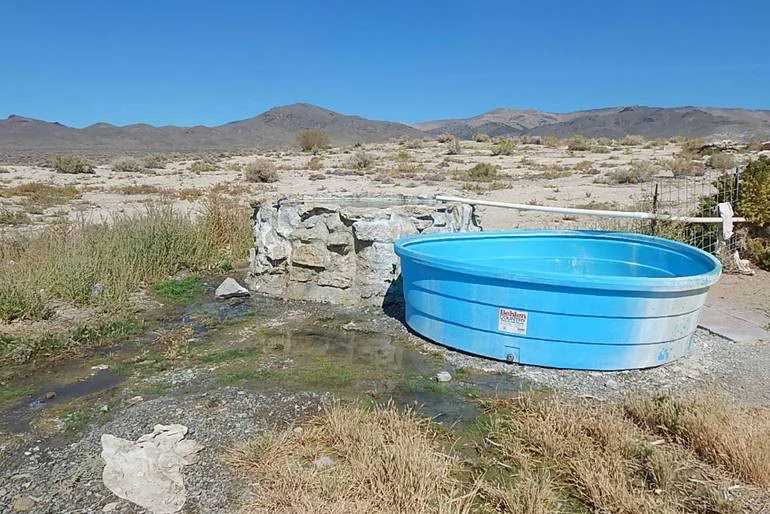
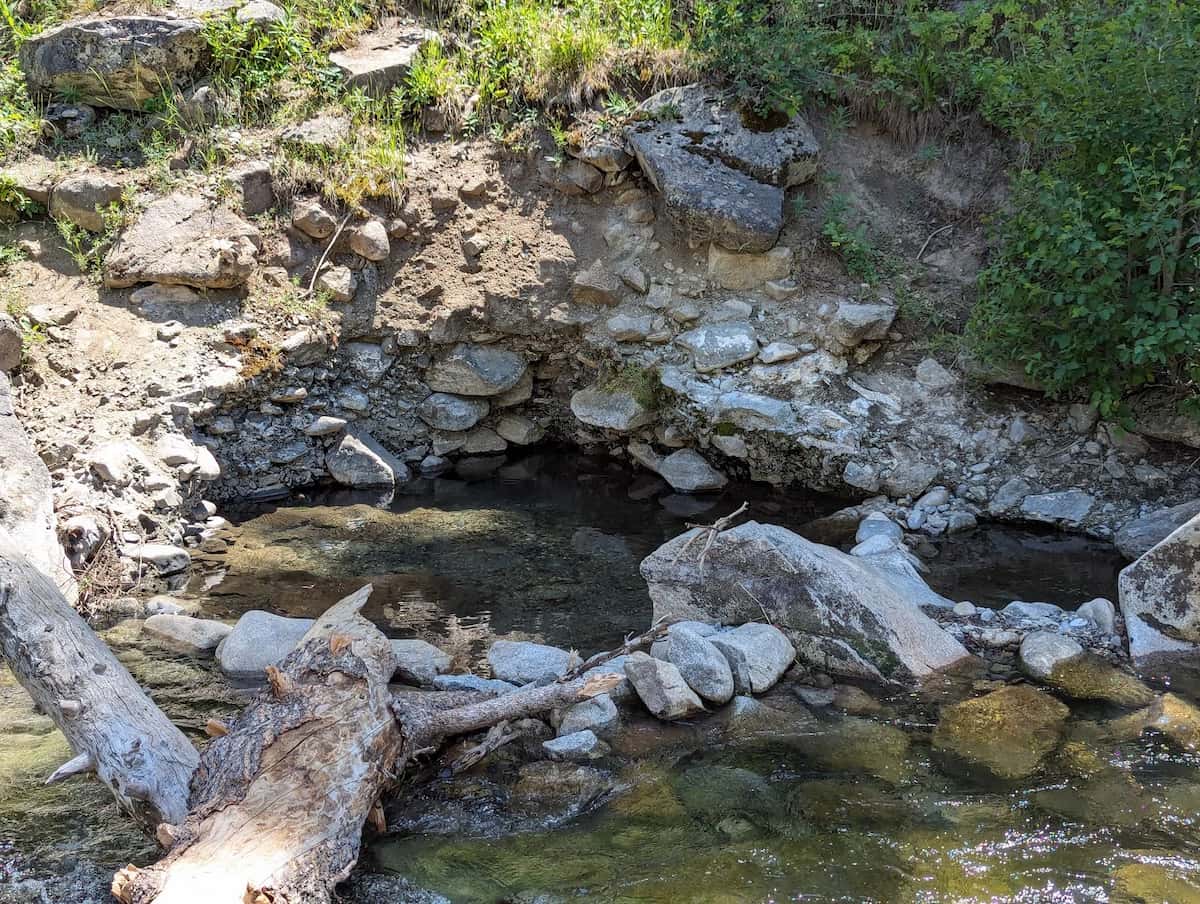
Palm Spring, also known as Middle Warm Spring, in Saline Valley, California is one of three thermal spring areas in the Saline Valley section of Death Valley National Park in Inyo County. Two primitive soaking pools are fed by a geothermal source surrounded by palm trees at approximately 1,500 feet elevation. The Wizard Pool, a hexagonal rock and concrete pool 3.5 feet deep, is one of the hottest soaking areas in Saline Valley with temperatures between 105 and 112 degrees Fahrenheit. The Volcano Pool is a cooler above-ground pool at 98 to 104 degrees. Big Pine, a small community on US Highway 395, is the nearest town with services.
Palm Spring is smaller and less crowded than Lower Warm Springs (the largest and most developed of the three Saline Valley spring areas) and sits approximately half a mile north along the valley road. The source pool is off-limits under National Park Service regulations. A fatality occurred in the source pool in 2020. The soaking tubs and showers were constructed by volunteers. Vault toilets are maintained by the NPS. This is among the most remote natural hot springs California offers, requiring a committed journey to reach.
Clothing is optional at all three Saline Valley spring areas. Public nudity is common and the NPS has taken no official stance on it.
Location & Access
Getting to Palm Spring in Saline Valley
Palm Spring is located in the Saline Valley section of Death Valley National Park, accessible only via approximately 50 miles of undeveloped dirt road with no services, no gas, and no cell coverage. The primary access road is Warm Springs Road (also called Painted Rock Road). A high-clearance four-wheel-drive vehicle is strongly recommended.
From the north, drive from Big Pine on Highway 168 to the Eureka Valley Road, then south into Saline Valley. From the south, enter via the Saline Valley Road from Highway 190 in Death Valley. Either approach takes 3 to 4 hours of rough driving from pavement. Carry extra fuel, water, food, spare tires, and emergency supplies. Road conditions change with weather and season. Snow can close the access roads in winter and spring.
Saline Valley Spring Areas
The three spring areas along the valley road, from south to north, are Lower Warm Springs (largest, most developed, most popular), Palm Spring / Middle Warm Spring (smaller, less crowded, Wizard and Volcano pools), and Upper Warm Spring (smallest, least developed). For visitors seeking hot springs near Big Pine, Saline Valley is the closest backcountry soaking destination. Keough Hot Springs (public pool, 20 minutes south of Big Pine on Highway 395) offers a far more accessible alternative.
Suitability & Accessibility
Who Should Visit Palm Spring in Saline Valley
Palm Spring suits experienced backcountry travelers seeking remote, primitive hot springs soaking in one of the most spectacular desert landscapes in California. The Wizard Pool at 105 to 112 degrees provides intense therapeutic heat, while the Volcano Pool at 98 to 104 degrees offers a milder soak. The setting among palm trees with expansive views of Saline Valley and the Inyo Mountains is difficult to match anywhere in the state.
Reaching Palm Spring requires a committed 3 to 4 hour drive on rough dirt roads from pavement. This is not a day trip from any town. Visitors should be self-sufficient with fuel, water, food, and vehicle repair capability. Camping is permitted for up to 30 days per year in designated areas near the springs. A volunteer camp host is always on duty.
Accessibility at Palm Spring
The springs are not wheelchair accessible. The terrain is desert floor with no improved paths. Those seeking natural hot springs California offers with easier access should visit Keough Hot Springs near Big Pine (paved road, public pool), Travertine Hot Springs near Bridgeport (short dirt road, free soaking), or the developed hot springs resorts in Desert Hot Springs in the Coachella Valley. All three Saline Valley spring areas require the same committed journey, so visitors who reach the valley should plan to visit all three.
Safety & Etiquette
Palm Spring (Saline Valley) Safety Tips
Palm Spring is in an extremely remote location with no cell service, no medical facilities, no fuel, and no water supply. The nearest services are in Big Pine or Lone Pine on Highway 395, each 3 to 4 hours by dirt road. A satellite communication device is essential for emergencies. Carry a comprehensive first aid kit.
The source pool is strictly off-limits under NPS regulations. The posted prohibition exists because the source temperature is dangerously hot and the pool has caused a fatality. Use only the constructed soaking tubs (Wizard Pool and Volcano Pool). Always test temperature before entering. Stay hydrated before, during, and after soaking.
Desert and Road Safety
Summer temperatures in Saline Valley regularly exceed 120 degrees Fahrenheit. Do not visit in summer. The best season is October through April. The 50-mile dirt road is rough, with washboard surfaces and sharp rocks that can damage tires. Carry at least two spare tires, extra fuel, and multiple gallons of drinking water per person. Inform someone of your travel plans and expected return date.
NPS Regulations at Saline Valley
A Death Valley National Park entrance fee ($30 per vehicle) is required. Camping is limited to 30 days per year per person. Camp in designated areas at least 100 feet from spring sources. Pack out all trash. Fires are restricted to existing fire rings. Low-flying military jets are common overhead in the Saline Valley airspace, which is part of the R-2508 Special Use Airspace complex.