Pamukkale Travertines and Thermal Springs, Turkey
UNESCO site 20km from Denizli; 17 springs 35-100°C; white travertines; barefoot walking; swimming in maintained pools. Entry ~€30 includes Hierapolis ruins.
Pamukkale, 20190 Pamukkale/Denizli, Turkey
Denizli
TR
37.92
29.119
Public Pools & Parks
Paid
Easy to reach (no hike)
Be mindful
Swimsuit required
true
false
Europe
pamukkale-travertines-and-thermal-springs-turkey-b9900

Why is swimming restricted in most of the Pamukkale travertine pools?
Swimming in most of the travertine pools at Pamukkale is restricted under UNESCO World Heritage conservation guidelines to protect the calcium carbonate formations. The terraces are approximately 400,000 years old and form slowly; physical disturbance from swimming, chemicals from sunscreen and body products, and foot traffic directly damage the white mineral surface. Since the site's listing in 1988, UNESCO and Turkish authorities have progressively restricted access, removed hotels from the plateau, and designated specific maintained pools where bathing is permitted. Approximately 8 to 10 pools are maintained with water for visitor use.
What is Cleopatra's Antique Pool at Pamukkale and does it cost extra?
Cleopatra's Antique Pool, also called the Hierapolis Antique Pool, is a thermal swimming pool fed by the same geothermal springs as the travertines. It contains ancient Roman columns and architectural fragments submerged on the pool floor after earthquakes in antiquity. The water is clear and reliably warm year-round. The pool charges a separate entry fee of approximately 6 euros in addition to the main site ticket. It is not included in the standard Pamukkale entry fee. The pool opens at 8:00 AM and is one of the most popular spots on the site, so visiting early or later in the afternoon reduces waiting time.
What is included in the Pamukkale entry fee?
The entry ticket to Pamukkale costs approximately 30 euros (around 1,130 Turkish lira at recent exchange rates) and covers access to the travertine terraces, the Hierapolis ruins, and the Hierapolis Archaeological Museum. The ticket is valid for one day only; once you exit through any gate, re-entry is not permitted. The Cleopatra Antique Pool is not included and charges a separate fee. Parking at the south entrance costs a small additional fee if arriving by car. Ticket prices are set by the Turkish Ministry of Culture and Tourism and can change; verify current prices before visiting.
What is the best time of day and year to visit Pamukkale?
Early morning is the best time of day, particularly in summer. Arriving at opening time, from 6:30 AM at the south entrance, allows you to reach the thermal pools before large tour groups arrive and to walk the terraces in softer light. By 10:00 AM in peak season the site can be very crowded. For time of year, autumn from September to November and spring from March to May offer the most comfortable walking temperatures, reduced crowds compared to July and August, and pleasant conditions for exploring Hierapolis. Winter visits are quiet and can be atmospheric in clear weather.
What else is there to see at Pamukkale beyond the travertines?
2026-09-21
Updated September 21, 2026
Pamukkale Travertines and Thermal Springs, Turkey
UNESCO site 20km from Denizli; 17 springs 35-100°C; white travertines; barefoot walking; swimming in maintained pools. Entry ~€30 includes Hierapolis ruins.
Experience
Public Pools & Parks
Access Level
Easy to reach (no hike)
What to Wear
Swimsuit required
Address
Pamukkale, 20190 Pamukkale/Denizli, Turkey
Find a place to stay
Compare prices near this exact spot across Booking.com, Expedia and more.
See nearby stays →
Overview
About Pamukkale Travertines and Thermal Springs
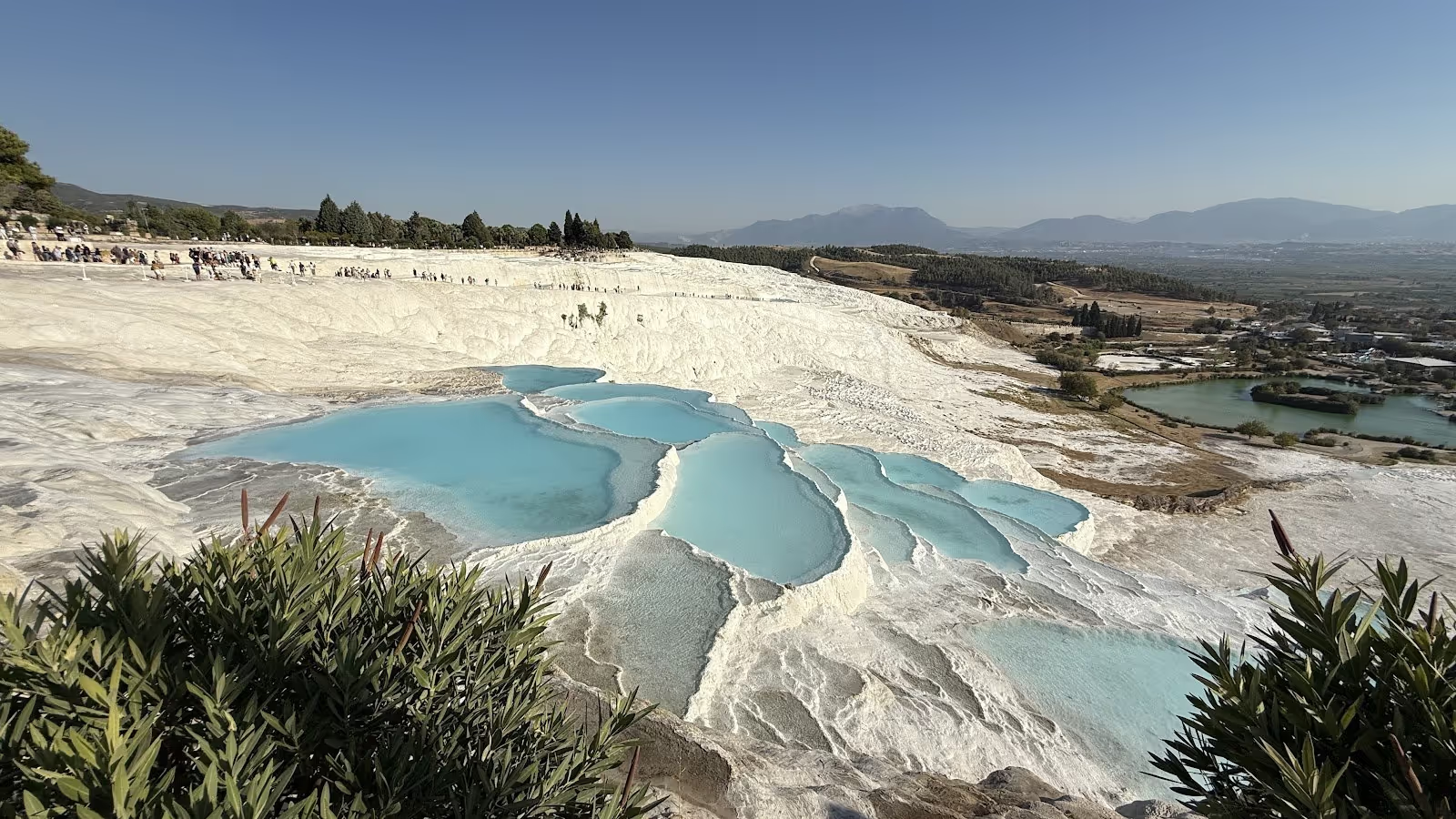
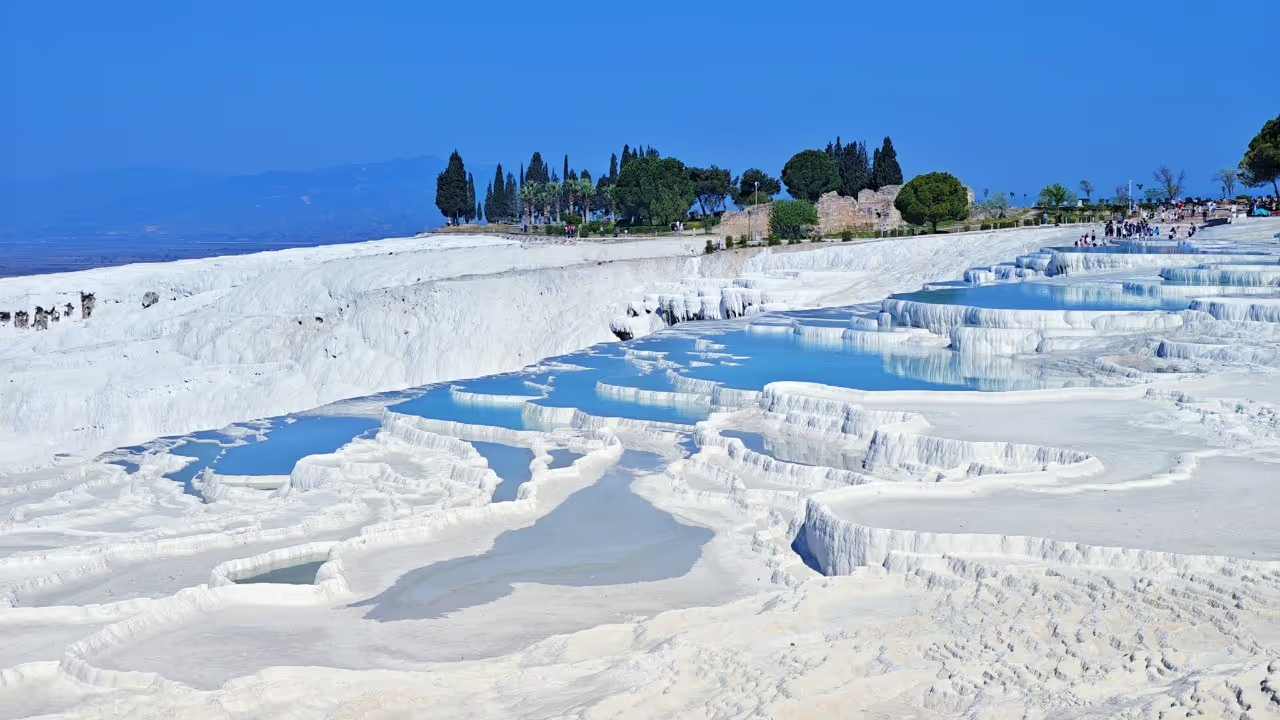
Pamukkale Travertines and Thermal Springs, Turkey is a UNESCO World Heritage Site in Pamukkale, Denizli Province, formed by 17 calcium-rich hot springs at 35 to 100 degrees Celsius cascading over white travertine terraces 2,700 metres long and 160 metres high. The Turkish name means "cotton castle." It was inscribed as a UNESCO World Heritage Site in 1988 together with the ancient city of Hierapolis.
Tectonic movements along the Menderes River basin created thermal springs whose water deposits calcium carbonate down the hillside, building crescent-shaped terraced pools over approximately 400,000 years. The spring water contains calcium, magnesium, bicarbonate, and sulfate. Hierapolis was established around the 2nd century BC and developed into a major Roman spa city with a theatre, necropolis, ancient baths, and the Antique Pool. Visitors can bathe in a number of maintained travertine pools, and for a separate fee in the Antique Pool where submerged ancient columns lie on the floor. Hot springs near Denizli of this geological age and historical depth exist nowhere else in Turkey.
Location & Access
Getting to Pamukkale Travertines and Thermal Springs
Pamukkale Travertines and Thermal Springs is in Pamukkale, Denizli Province, approximately 20 kilometres north of Denizli city. The site has three entrances: the town entrance at the base of the travertines near most hotels, the south entrance with parking, and the north entrance near the Hierapolis museum. Private vehicles are not permitted inside the site.
From Denizli city, minibuses run to Pamukkale every 20 minutes and take around 30 minutes. Denizli Cardak Airport is approximately 65 kilometres from Pamukkale with regular domestic flights from Istanbul. From Istanbul, the drive is approximately 575 kilometres. Buses from major cities serve Denizli Bus Terminal, from where minibuses or taxis continue to Pamukkale. Walking to the top of the travertines from the town entrance takes 30 to 45 minutes uphill; shuttles serve the upper plateau.
Entry costs approximately 30 euros and covers access to the travertines, Hierapolis ruins, and the Hierapolis Archaeological Museum. Cleopatra's Antique Pool charges a separate fee of approximately 6 euros. Tickets are valid for one day only and re-entry is not permitted. The site is open year-round; the south entrance opens from approximately 06:30 AM and hours vary by season.
Suitability & Accessibility
Who Should Visit Pamukkale Travertines and Thermal Springs
Pamukkale Travertines and Thermal Springs suits virtually all visitor types as one of Turkey's most iconic natural and historical sites. Families, couples, solo travellers, and history enthusiasts all find something compelling here: the white travertine landscape is unique, the Hierapolis ruins are substantial, and the experience of wading in thermal water on a calcium terrace is genuinely unusual.
Visitors specifically seeking thermal bathing should manage expectations. Direct swimming in the main travertine pools is restricted; water can be cold by the time it reaches lower sections of the terraces, and only the highest and lowest pools tend to be warm. The Antique Pool has reliably warm water year-round and is the best option for a proper thermal soak, at an additional fee. Early morning visits minimise crowds and provide better light for photography.
Autumn and spring offer the most comfortable temperatures for walking the terraces and ruins; summer is hot with temperatures frequently exceeding 35 degrees on the exposed white hillside. The travertines extend over a large area and a full visit including Hierapolis takes at least three to four hours. Hot springs near Denizli on this scale are accessible as a day trip from Izmir, Antalya, or Kusadasi.
Safety & Etiquette
Pamukkale Travertines and Thermal Springs Safety Tips
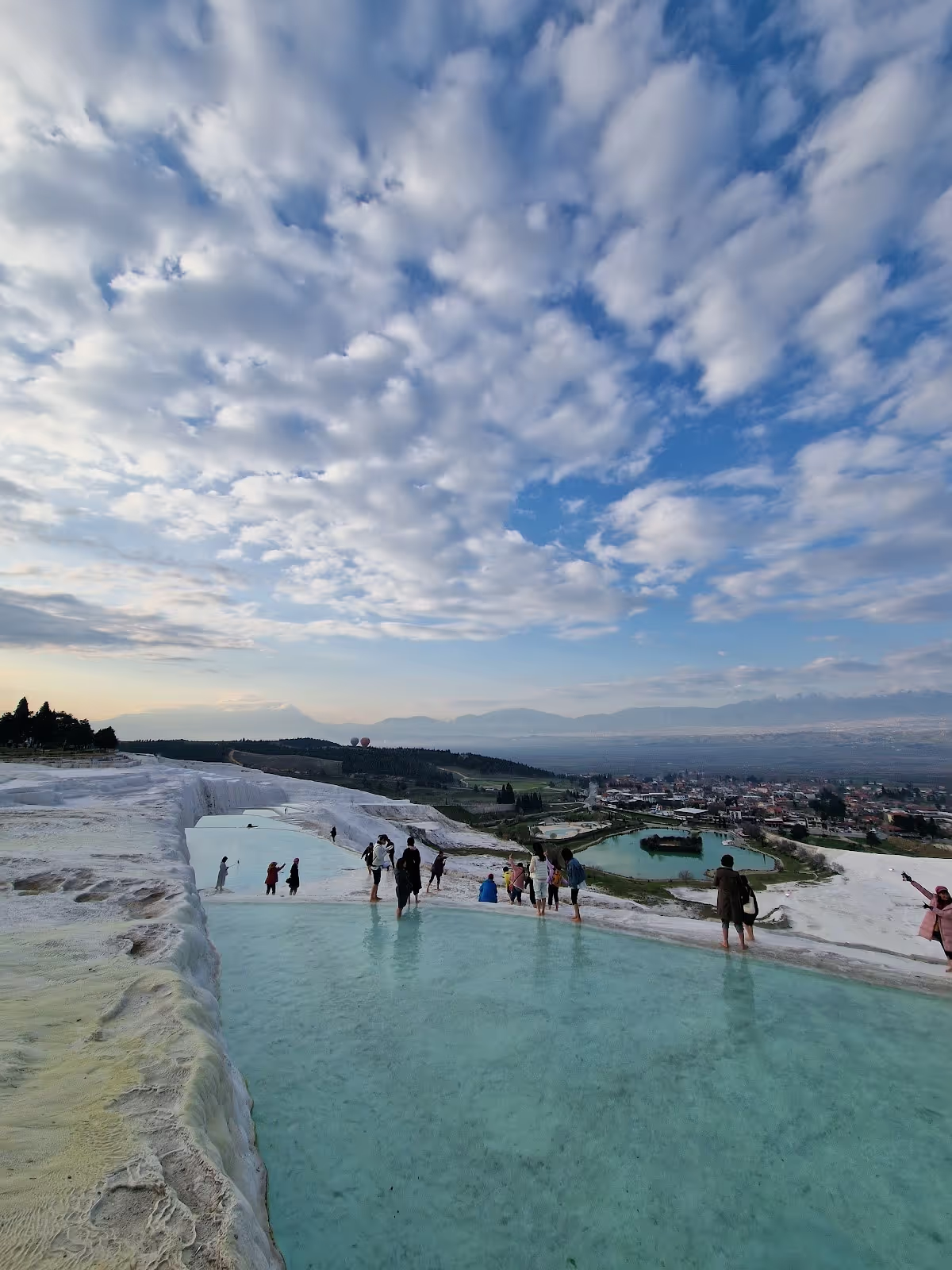
Pamukkale requires barefoot walking on the travertine terraces; shoes must be removed and carried or left at designated storage at the entrance. The wet calcium surface can be slippery, particularly near pool edges; walk slowly and take care where you step. Some travertine edges are irregular and can cut bare feet.
The spring water deposits calcium carbonate on skin and swimwear. Rinse thoroughly after use. Soaps, lotions, and sunscreens must not be applied before entering any pool; chemical products damage the formations. Apply sunscreen before arrival and allow it to absorb fully, then rinse off any excess before entering pools.
The white travertine surface reflects intense sunlight. In summer, UV exposure is severe even for short visits; wear a hat, apply high-factor sunscreen to all exposed skin, bring sufficient water, and take regular shade breaks in the ruins area or tree-covered zones. Heat exhaustion is a genuine risk during peak summer hours on the upper exposed plateau; avoid extended time on the terraces between 11:00 AM and 3:00 PM in July and August.
The springs include vents at up to 100 degrees Celsius. Marked areas outside visitor routes contain scalding spring outputs. Follow all site markers and signage and do not approach any natural spring vent outside designated areas. The Hierapolis ruins include uneven stone, marble steps, and steep terraces; suitable footwear is required once back off the travertine zone. Children require continuous supervision near open pools and near the Antique Pool perimeter.
Frequently Asked Questions
1
Why is swimming restricted in most of the Pamukkale travertine pools?
Swimming in most of the travertine pools at Pamukkale is restricted under UNESCO World Heritage conservation guidelines to protect the calcium carbonate formations. The terraces are approximately 400,000 years old and form slowly; physical disturbance from swimming, chemicals from sunscreen and body products, and foot traffic directly damage the white mineral surface. Since the site's listing in 1988, UNESCO and Turkish authorities have progressively restricted access, removed hotels from the plateau, and designated specific maintained pools where bathing is permitted. Approximately 8 to 10 pools are maintained with water for visitor use.
2
What is Cleopatra's Antique Pool at Pamukkale and does it cost extra?
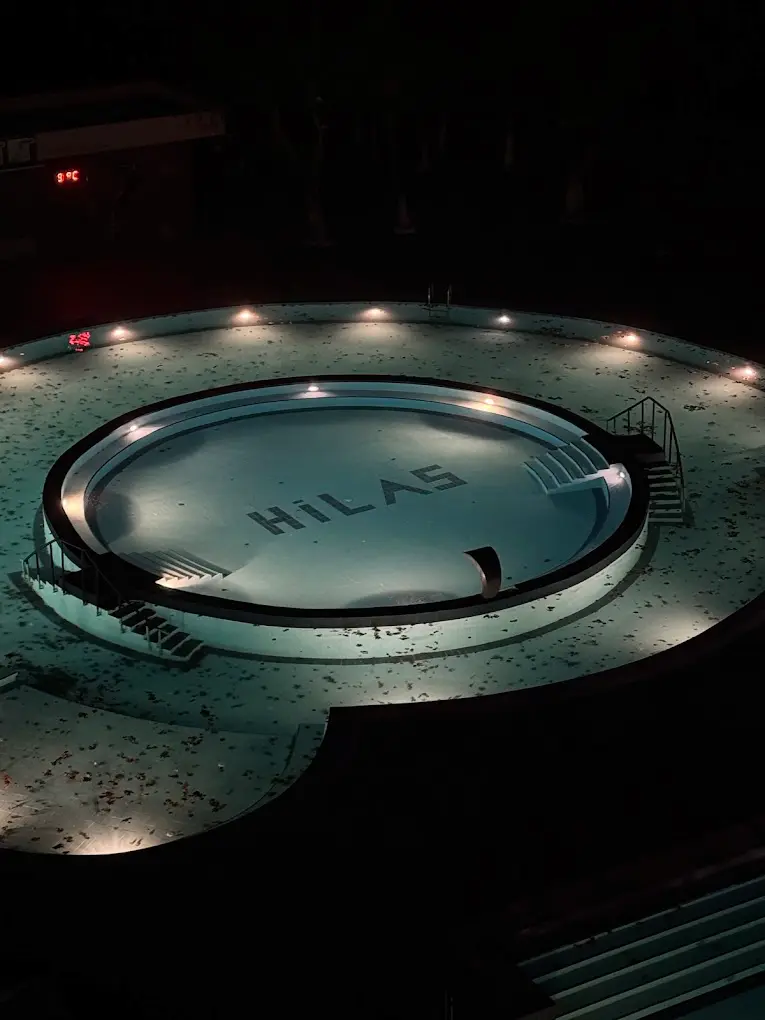
Cleopatra's Antique Pool, also called the Hierapolis Antique Pool, is a thermal swimming pool fed by the same geothermal springs as the travertines. It contains ancient Roman columns and architectural fragments submerged on the pool floor after earthquakes in antiquity. The water is clear and reliably warm year-round. The pool charges a separate entry fee of approximately 6 euros in addition to the main site ticket. It is not included in the standard Pamukkale entry fee. The pool opens at 8:00 AM and is one of the most popular spots on the site, so visiting early or later in the afternoon reduces waiting time.
3
What is included in the Pamukkale entry fee?
The entry ticket to Pamukkale costs approximately 30 euros (around 1,130 Turkish lira at recent exchange rates) and covers access to the travertine terraces, the Hierapolis ruins, and the Hierapolis Archaeological Museum. The ticket is valid for one day only; once you exit through any gate, re-entry is not permitted. The Cleopatra Antique Pool is not included and charges a separate fee. Parking at the south entrance costs a small additional fee if arriving by car. Ticket prices are set by the Turkish Ministry of Culture and Tourism and can change; verify current prices before visiting.
4
What is the best time of day and year to visit Pamukkale?
Early morning is the best time of day, particularly in summer. Arriving at opening time, from 6:30 AM at the south entrance, allows you to reach the thermal pools before large tour groups arrive and to walk the terraces in softer light. By 10:00 AM in peak season the site can be very crowded. For time of year, autumn from September to November and spring from March to May offer the most comfortable walking temperatures, reduced crowds compared to July and August, and pleasant conditions for exploring Hierapolis. Winter visits are quiet and can be atmospheric in clear weather.
5
What else is there to see at Pamukkale beyond the travertines?
The Hierapolis ruins above the travertines are a substantial archaeological site in their own right. The Hierapolis Theatre, built in the 2nd century AD and well preserved, seats thousands and offers panoramic views. The Hierapolis Necropolis is one of the largest ancient cemeteries in Anatolia, extending for over two kilometres. The Hierapolis Archaeological Museum, housed in former Roman baths, contains sculptures, sarcophagi, and artefacts from the site. Pluto's Gate, a geothermally active cave believed in antiquity to be an entrance to the underworld, is also within the site. Nearby Karahayit village, 5 kilometres north, has red iron springs and luxury spa hotels.
Gallery
No pictures available for this hot spring.
Location
Address:
Pamukkale, 20190 Pamukkale/Denizli, Turkey
Find a place to stay
Compare prices near this exact spot across Booking.com, Expedia and more.
See nearby stays →
37.92
29.119
Pamukkale Travertines and Thermal Springs, Turkey
Text LinkPamukkale, 20190 Pamukkale/Denizli, Turkey
More hot springs in Turkey
Some accommodation links on this site are affiliate links. If you book through them, we may earn a small commission at no additional cost to you. This helps keep hotspringsguides.com free to use.