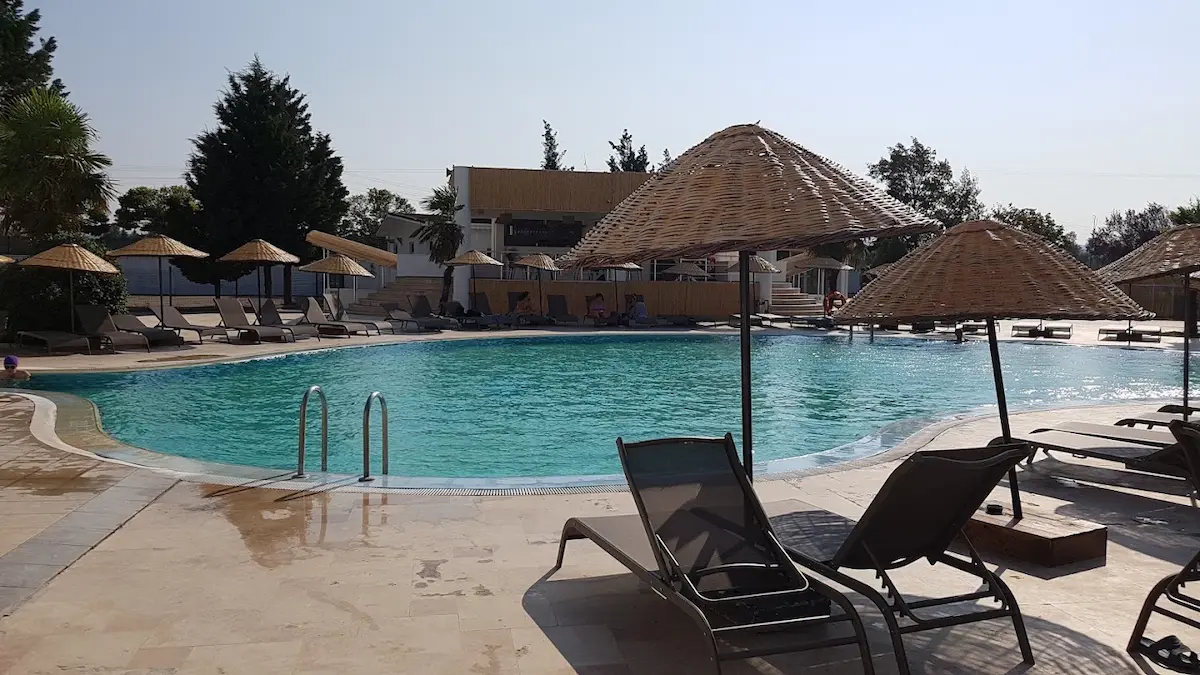
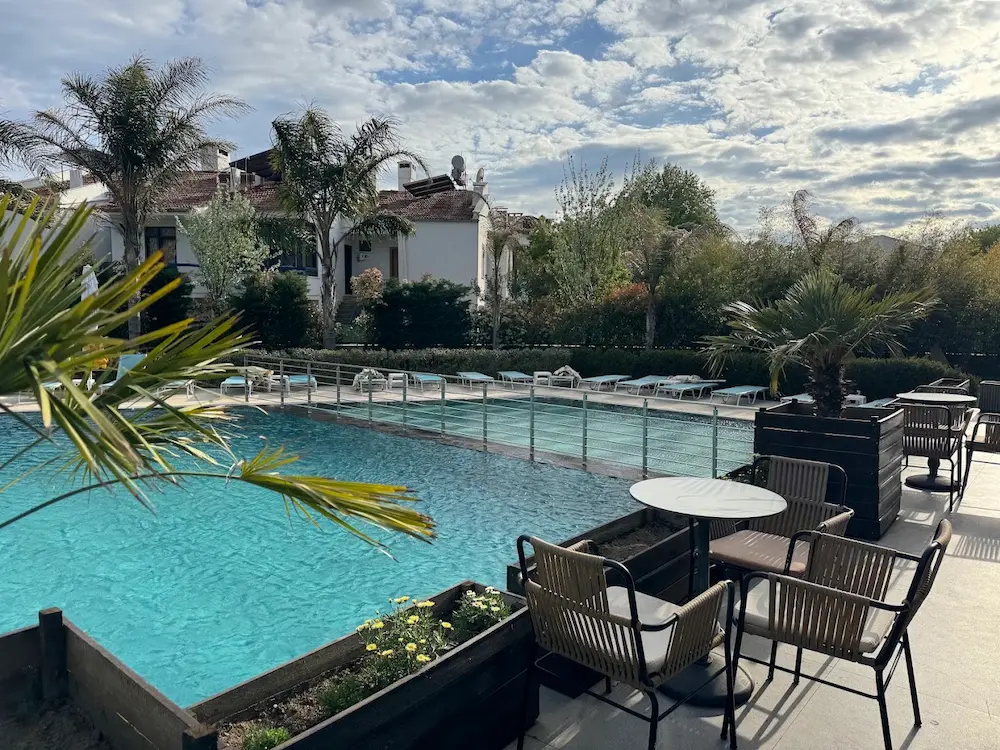
Sultaniye Thermal Springs and Mud Baths, Turkey
Lakeside termal complex near Koycegiz, Mugla; sulphurous springs 39-42°C; mud baths; indoor and outdoor pools. Boat from Dalyan; road from Koycegiz.
Sultaniye, Koycegiz District, 48800 Koycegiz/Mugla, Turkey
Koycegiz
TR
36.8739166
28.6021907
Public Pools & Parks
Paid
Easy to reach (no hike)
Be mindful
Swimsuit required
true
false
Europe
sultaniye-thermal-springs-and-mud-baths-turkey

How do you get to Sultaniye Thermal Springs from Dalyan?
The most popular way to reach Sultaniye from Dalyan is by organised boat trip, which departs from the Dalyan waterfront every morning throughout the main tourist season from April to October. The journey crosses the delta channels and Koycegiz Lake and takes approximately 30 to 45 minutes. Most boat trips combine Sultaniye with a visit to the Kaunos rock tombs and Iztuzu Beach, making a full day trip. Individual water taxis can be arranged for more flexibility. By road from Koycegiz, follow signs toward Ekincik village; the drive takes 15 to 20 minutes and a small three-car ferry crosses the lake at the road's end.
What makes Sultaniye mud baths special?
The mud at Sultaniye contains the same mineral composition as the spring water: calcium chloride, calcium sulphate, bromide, radon, and sulphur compounds. The mud is applied directly to the skin, allowed to dry in the sun, and then rinsed off in the thermal pool or the lake. The combination of sulphur and mineral content is associated with skin cleansing, tightening, and rejuvenation. Municipal authorities describe the mud as beauty mud with documented dermatological benefits. Sultaniye's mud is fed by the same geological fault line as the spring water rather than being imported or prepared separately, giving it the same mineral profile as the thermal pools.
Is Sultaniye linked to any ancient history?
Yes. Archaeological evidence at Sultaniye and the nearby ancient city of Kaunos indicates a sanctuary dedicated to the goddess Leto was located near the present spring site. The Romans subsequently developed the area into a sanatorium. According to historical accounts, the entrance to the Roman sanatorium was inscribed with the words meaning death cannot enter here in Greek, which led to the nearby Olemez Mountain taking its name from the Turkish word for immortal. The spring has been in documented therapeutic use for approximately 2,000 years, and the Caunos civilisation is believed to have been among its first users. Bath ruins from the Roman era remain visible near the spring area.
Can you swim in Lake Koycegiz after the mud bath?
Yes. After applying and drying the mineral mud, most visitors rinse it off in the thermal pools, then cool down further with a swim in Lake Koycegiz, which borders the spring complex. The lake water is generally clean and provides a refreshing contrast to the hot spring temperatures. Caretta caretta sea turtles nest on the connected Iztuzu Beach, and the lake system is ecologically protected; avoid using soap or chemical products in the lake. The lake swim also helps remove the sulphur smell that lingers after the mud and pool sessions.
What other attractions are near Sultaniye?
2026-09-21
Updated September 21, 2026
Sultaniye Thermal Springs and Mud Baths, Turkey
Lakeside termal complex near Koycegiz, Mugla; sulphurous springs 39-42°C; mud baths; indoor and outdoor pools. Boat from Dalyan; road from Koycegiz.
Experience
Public Pools & Parks
Access Level
Easy to reach (no hike)
What to Wear
Swimsuit required
Address
Sultaniye, Koycegiz District, 48800 Koycegiz/Mugla, Turkey
Find a place to stay
Compare prices near this exact spot across Booking.com, Expedia and more.
See nearby stays →
Overview
About Sultaniye Thermal Springs and Mud Baths
Sultaniye Thermal Springs and Mud Baths, Turkey is a municipal thermal complex on the southwest shore of Lake Koycegiz, in Koycegiz District, Mugla Province. The springs sit on a fault line at the foot of Olemez Mountain, where sulphurous water at 39 to 42 degrees Celsius seeps from a crack beside the domed thermal bathhouse. The water contains calcium chloride, calcium sulphate, calcium sulphide, bromide, and radon, and is ranked second in the world for radioactivity after the Indonesian thermals.
Three spring sources feed the complex: Buyuk Hamam, Kubbeli Hamam, and the Sultaniye Drinking Spring. Archaeological evidence at the site and at nearby Kaunos indicates a sanctuary to the goddess Leto was located here in antiquity. The Romans converted the area into a sanatorium; the entrance was reportedly inscribed with "death cannot enter here," and Olemez Mountain takes its name from the Turkish word for immortal. The site has been in therapeutic use for approximately 2,000 years, receives around 150,000 visitors annually, and is operated by Koycegiz Municipality. Hot springs near Koycegiz of this mineral density and historical continuity are unique on Turkey's Turquoise Coast.
Location & Access
Getting to Sultaniye Thermal Springs and Mud Baths
Sultaniye Thermal Springs and Mud Baths is on the southwest shore of Lake Koycegiz, approximately 4 kilometres from Dalyan town and roughly 8 kilometres from Koycegiz town by water. The springs are within Koycegiz District, Mugla Province. By road from Koycegiz, follow the signs toward Ekincik village; the drive takes approximately 15 to 20 minutes and a small ferry operates across the lake carrying up to three cars at a time.
The most popular approach is by boat from Dalyan. Daily boat trips depart from the Dalyan waterfront throughout the morning and typically combine Sultaniye with stops at the Kaunos ruins and Iztuzu Beach. The journey across the delta channels and Koycegiz Lake takes approximately 30 to 45 minutes each way. Boat trips from Koycegiz town are also available. Individual water taxis can be arranged from both towns for more flexibility over timing.
Dalaman Airport is approximately 25 kilometres from Dalyan and receives international and domestic flights. From the airport, taxis and transfer services reach Dalyan in around 30 minutes. From Marmaris, Fethiye, Bodrum, and Antalya, organised day tours to Sultaniye are widely available throughout the tourist season. The springs are open year-round, though the main season runs from April through October when boat services operate at full frequency. Entry is paid and low-cost; approximately 60 to 70 Turkish lira per person at recent rates.
Suitability & Accessibility
Who Should Visit Sultaniye Thermal Springs and Mud Baths
Sultaniye Thermal Springs and Mud Baths suits visitors to the Dalyan and Koycegiz area who want to combine a boat trip through the Dalyan delta with a thermal and mud bath experience. The setting on Lake Koycegiz, backed by the Olemez Mountain and within reach of the Kaunos ruins and Iztuzu Beach, makes it one of the most scenically well-situated thermal complexes in Turkey. The mud bath is the primary draw; visitors coat themselves in sulphurous mineral mud, allow it to dry in the sun, then wash it off in the thermal pools or in the lake.
The spring water is associated with therapeutic benefits for rheumatic and gynaecological diseases, skin conditions, circulatory disorders, kidney and urinary tract conditions, and metabolic complaints. The high radioactive and mineral content distinguishes Sultaniye from most coastal Turkish springs. The outdoor setting, open lake views, and boat access make it an unusual combination of natural spa and scenic excursion rather than a hotel-resort experience.
The complex is family-friendly and suitable for a wide age range. The mud bath is particularly popular for groups and families due to its tactile and photogenic character. Visitors on organised day tours from Dalyan typically spend two to three hours at the site. Those with specific medical conditions should note the high sulphur and radioactive water properties, and limit immersion accordingly. Termal hot springs near Koycegiz in this open-water, boat-access format are found only at Sultaniye.
Safety & Etiquette
Sultaniye Thermal Springs and Mud Baths Safety Tips
Sultaniye Thermal Springs and Mud Baths water contains hydrogen sulphide, which produces a strong sulphur smell throughout the site. This is normal at the concentrations found in the bathing pools, but prolonged inhalation in the enclosed domed bathhouse can cause headaches or nausea for sensitive visitors; step outside for fresh air if you feel unwell. Limit sessions in the indoor pools to 15 to 20 minutes at a time and take breaks in the open air between sessions.
The mud bath area is wet, sulphurous, and slippery. Move slowly and wear footwear right to the edge of the mud area. Remove all silver jewellery before entering the pools or the mud; the sulphur in the water tarnishes silver rapidly and permanently. Do not wear valued swimwear; sulphur water and mineral mud can affect fabric and colour over time. Rinse all items thoroughly after use. After the mud dries on your skin, rinse completely in the thermal pool before swimming in the lake.
The spring water has radioactive character from naturally occurring radon; visitors with thyroid conditions or who are pregnant should consult a doctor before bathing. Do not drink from the bathing pools; the Sultaniye Drinking Spring is the designated drinking source and is separate from the pool circuit.
The lake at Sultaniye is open for swimming to rinse off mud. Hot spring immersion combined with strong sun causes rapid dehydration; drink water throughout your visit. The boat journey to and from Sultaniye passes through narrow delta channels; follow crew instructions at all times. Dalaman Airport is 25 kilometres away; the nearest hospitals are in Koycegiz town and Dalaman.
Frequently Asked Questions
1
How do you get to Sultaniye Thermal Springs from Dalyan?
The most popular way to reach Sultaniye from Dalyan is by organised boat trip, which departs from the Dalyan waterfront every morning throughout the main tourist season from April to October. The journey crosses the delta channels and Koycegiz Lake and takes approximately 30 to 45 minutes. Most boat trips combine Sultaniye with a visit to the Kaunos rock tombs and Iztuzu Beach, making a full day trip. Individual water taxis can be arranged for more flexibility. By road from Koycegiz, follow signs toward Ekincik village; the drive takes 15 to 20 minutes and a small three-car ferry crosses the lake at the road's end.
2
What makes Sultaniye mud baths special?
The mud at Sultaniye contains the same mineral composition as the spring water: calcium chloride, calcium sulphate, bromide, radon, and sulphur compounds. The mud is applied directly to the skin, allowed to dry in the sun, and then rinsed off in the thermal pool or the lake. The combination of sulphur and mineral content is associated with skin cleansing, tightening, and rejuvenation. Municipal authorities describe the mud as beauty mud with documented dermatological benefits. Sultaniye's mud is fed by the same geological fault line as the spring water rather than being imported or prepared separately, giving it the same mineral profile as the thermal pools.
3
Is Sultaniye linked to any ancient history?
Yes. Archaeological evidence at Sultaniye and the nearby ancient city of Kaunos indicates a sanctuary dedicated to the goddess Leto was located near the present spring site. The Romans subsequently developed the area into a sanatorium. According to historical accounts, the entrance to the Roman sanatorium was inscribed with the words meaning death cannot enter here in Greek, which led to the nearby Olemez Mountain taking its name from the Turkish word for immortal. The spring has been in documented therapeutic use for approximately 2,000 years, and the Caunos civilisation is believed to have been among its first users. Bath ruins from the Roman era remain visible near the spring area.
4
Can you swim in Lake Koycegiz after the mud bath?
Yes. After applying and drying the mineral mud, most visitors rinse it off in the thermal pools, then cool down further with a swim in Lake Koycegiz, which borders the spring complex. The lake water is generally clean and provides a refreshing contrast to the hot spring temperatures. Caretta caretta sea turtles nest on the connected Iztuzu Beach, and the lake system is ecologically protected; avoid using soap or chemical products in the lake. The lake swim also helps remove the sulphur smell that lingers after the mud and pool sessions.
5
What other attractions are near Sultaniye?
Sultaniye is positioned at the centre of one of Turkey's most varied day trip circuits. The Kaunos ancient city, a Karian-era settlement with striking rock-cut tombs visible from the Dalyan river, is approximately 4 kilometres from Sultaniye by boat. Iztuzu Beach, one of Turkey's most important Caretta caretta sea turtle nesting sites, is accessible from the delta channel junction. Koycegiz town, approximately 8 kilometres across the lake, has a weekly market, lakeside restaurants, and access to hiking in the Mugla hinterland. Dalyan village, the main tourist hub for the area, is 4 kilometres by water and offers restaurants, accommodation, and access to further boat tours.
Gallery
No pictures available for this hot spring.
Location
Address:
Sultaniye, Koycegiz District, 48800 Koycegiz/Mugla, Turkey
Find a place to stay
Compare prices near this exact spot across Booking.com, Expedia and more.
See nearby stays →
36.8739166
28.6021907
Sultaniye Thermal Springs and Mud Baths, Turkey
Text LinkSultaniye, Koycegiz District, 48800 Koycegiz/Mugla, Turkey
More hot springs in Turkey
Some accommodation links on this site are affiliate links. If you book through them, we may earn a small commission at no additional cost to you. This helps keep hotspringsguides.com free to use.