
Quick FactsOverview
About Prophet River Hot Springs
Prophet River Hot Springs, Canada is a free wild geothermal spring in Prophet River Hot Springs Park, a provincial park established in 1999 in the Eastern Muskwa Ranges of northeastern British Columbia. The park is located approximately 60 kilometres west of the Alaska Highway and approximately 250 kilometres northwest of Fort St. John, with no road access. The spring can only be reached by multi-day hike, horseback, or helicopter along the Prophet River corridor.
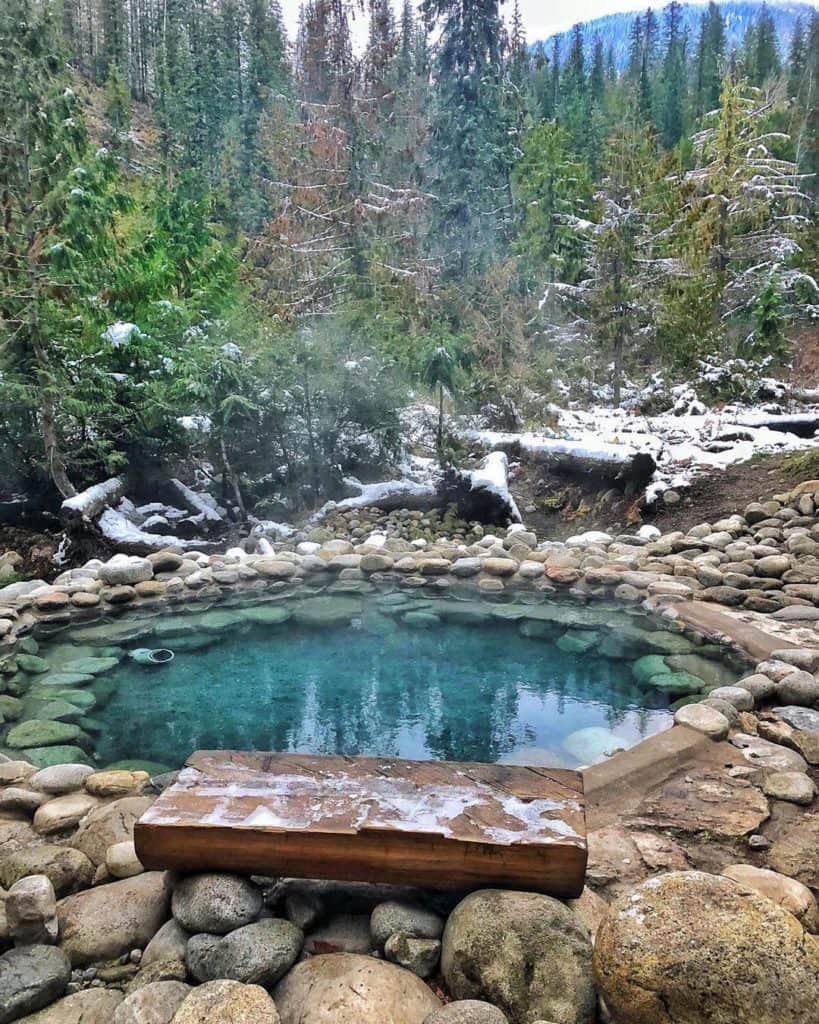
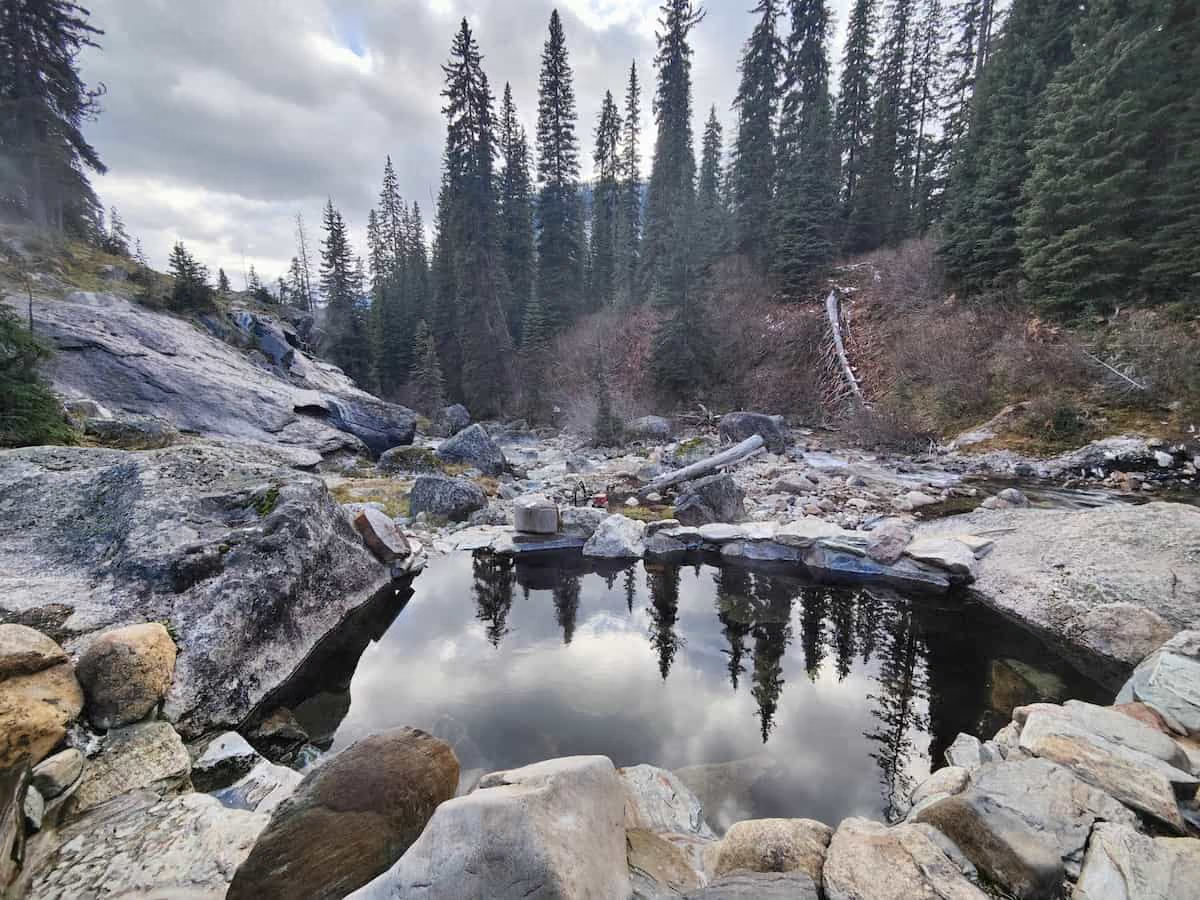
The hot spring itself is a shallow bedrock pool approximately 30 centimetres deep, formed beside a tufa mound created over centuries by mineral deposits from the geothermal flow. The surrounding landscape is boreal wilderness: stands of black spruce thin to alpine terrain on the surrounding Eastern Muskwa peaks, and the Prophet River, designated a BC Heritage River, runs through the park. Free hot springs in Canada of this remote and undeveloped character are rare. The spring has deep cultural significance for the Prophet River First Nation, a Treaty 8 First Nation for whom this land is part of their traditional territory. The park's primary purpose is protection of the sensitive hot spring habitat and the exceptional wildlife diversity the thermal area supports.
Location & Access
Getting to Prophet River Hot Springs
Prophet River Hot Springs Park is in northeastern British Columbia, approximately 60 kilometres west of the Alaska Highway and approximately 250 kilometres northwest of Fort St. John. There is no road access to the park. Two trail routes exist: a hiking and horseback trail following the Prophet River upstream, and a trail from the adjacent Redfern-Keily Provincial Park. Both involve multi-day travel through wilderness terrain. Helicopter access is the only motorised option.
The nearest Alaska Highway settlement is the hamlet of Prophet River at approximately historical mile 233, which has no services. Fort Nelson, approximately 250 kilometres southeast, is the nearest community with fuel, accommodation, and emergency services. Dawson Creek, the start of the Alaska Highway at Mile 0, is approximately 500 kilometres further southeast.
Visitors must register a trip plan with a reliable contact before departing, as there is no cell coverage in this area. Off-road vehicles including ATVs, snowmobiles, and side-by-sides are prohibited in the park. The recommended travel season is late May to early September. For those seeking free hot springs in Canada that require a serious wilderness commitment, Prophet River is among the most remote in British Columbia.
Suitability & Accessibility
Who Should Visit Prophet River Hot Springs
Prophet River Hot Springs is suited exclusively to experienced wilderness travellers comfortable with multi-day backcountry expeditions in remote northern British Columbia. The round-trip journey by foot from the Alaska Highway is approximately 120 kilometres, requiring multiple days of hiking through unmarked wilderness terrain with river crossings and no facilities. Horseback travel is an option for those with the appropriate skills and animals. This is not a destination for casual visitors, families with children, or those without serious backcountry experience and equipment.
The spring itself is very shallow, approximately 30 centimetres deep, set in open bedrock rather than formed pools. Visitors come primarily for the wilderness experience and wildlife viewing rather than soaking conditions. The park regularly sees Stone's sheep, moose, caribou, elk, mountain goat, grizzly bear, black bear, and wolves. The Prophet River is a BC Heritage River and the surrounding Eastern Muskwa Ranges provide outstanding alpine scenery.
The area holds profound cultural significance for the Prophet River First Nation. Visitors should approach the site with respect for its Indigenous heritage and follow Leave No Trace principles throughout the journey. No facilities of any kind exist in the park. Visitors must be entirely self-sufficient for food, water treatment, shelter, navigation, and first aid. This is one of the most remote free hot springs in Canada and should be treated as a serious wilderness objective.
Safety & Etiquette
Prophet River Hot Springs Safety Tips
Prophet River Hot Springs warrants the highest level of backcountry preparedness. The park is located in a remote wilderness area with no trail infrastructure, no facilities, no cell coverage, and no road access. Emergency evacuation requires helicopter assistance. Visitors must carry a personal locator beacon or satellite communicator and know how to use it. File a detailed trip plan with a trusted contact and register with BC Adventure Smart before departing.
The Prophet River corridor and the Eastern Muskwa Ranges are prime habitat for grizzly bear, black bear, and wolves. Travel in groups, make constant noise, carry bear spray in an accessible holster at all times, and store food and scented items correctly every night. Bears in this area have very low human contact and may behave unpredictably. Moose are also common near the river and can be aggressive, particularly cows with calves.
River crossings on the route to the hot springs can be deep and fast-moving, especially during spring snowmelt in May and June. Assess crossing points carefully, unbuckle your pack hip belt before entering, and use a hiking pole or staff for support. Do not cross swollen rivers. The best travel window is July through August when water levels are lower.
The spring itself is very shallow, approximately 30 centimetres, set in open bedrock with no controlled temperature. Hypothermia is a greater risk than overheating in the cool northern environment; carry full dry layers and shelter regardless of summer forecasts. Weather in the Eastern Muskwa Ranges can deteriorate rapidly at any time of year. There are no constructed facilities or pools at the spring.