Quick FactsOverview
About Radium Springs
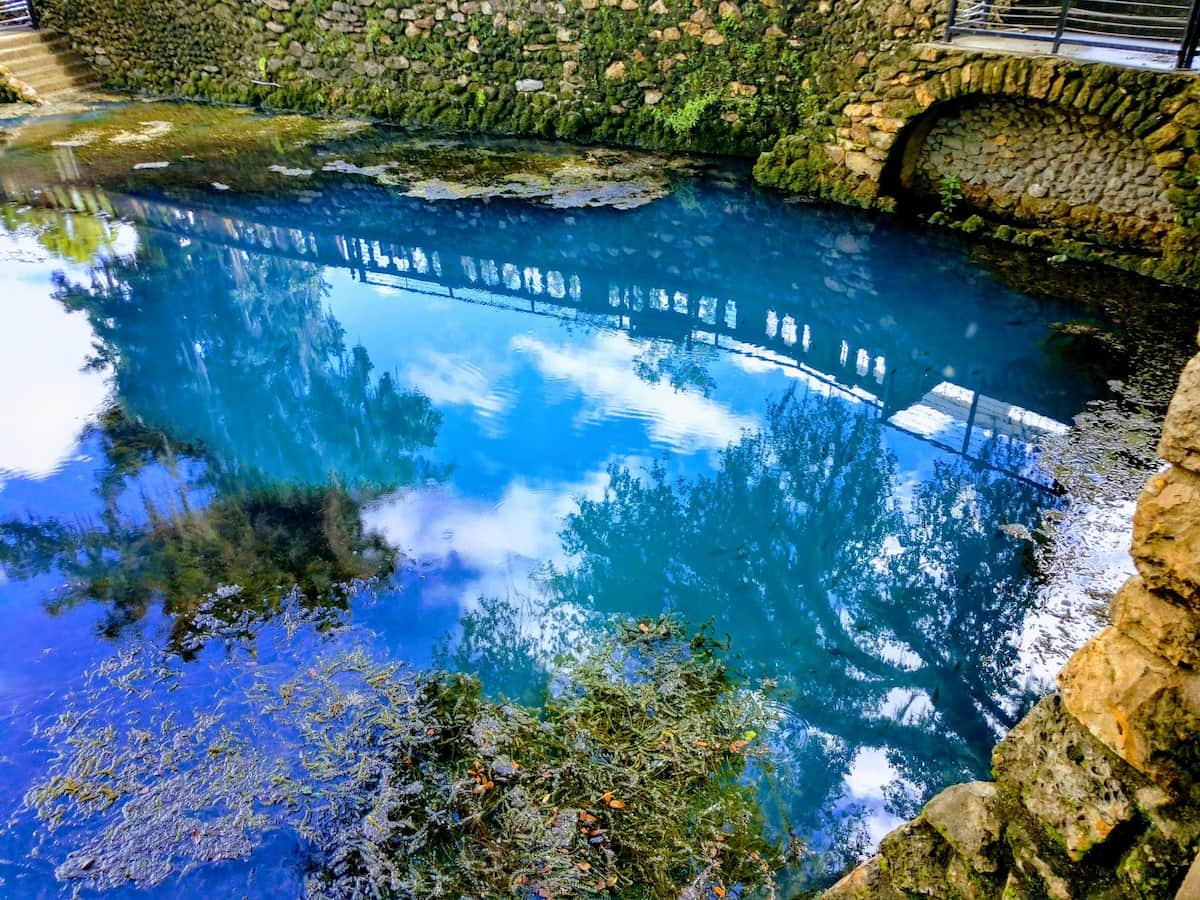
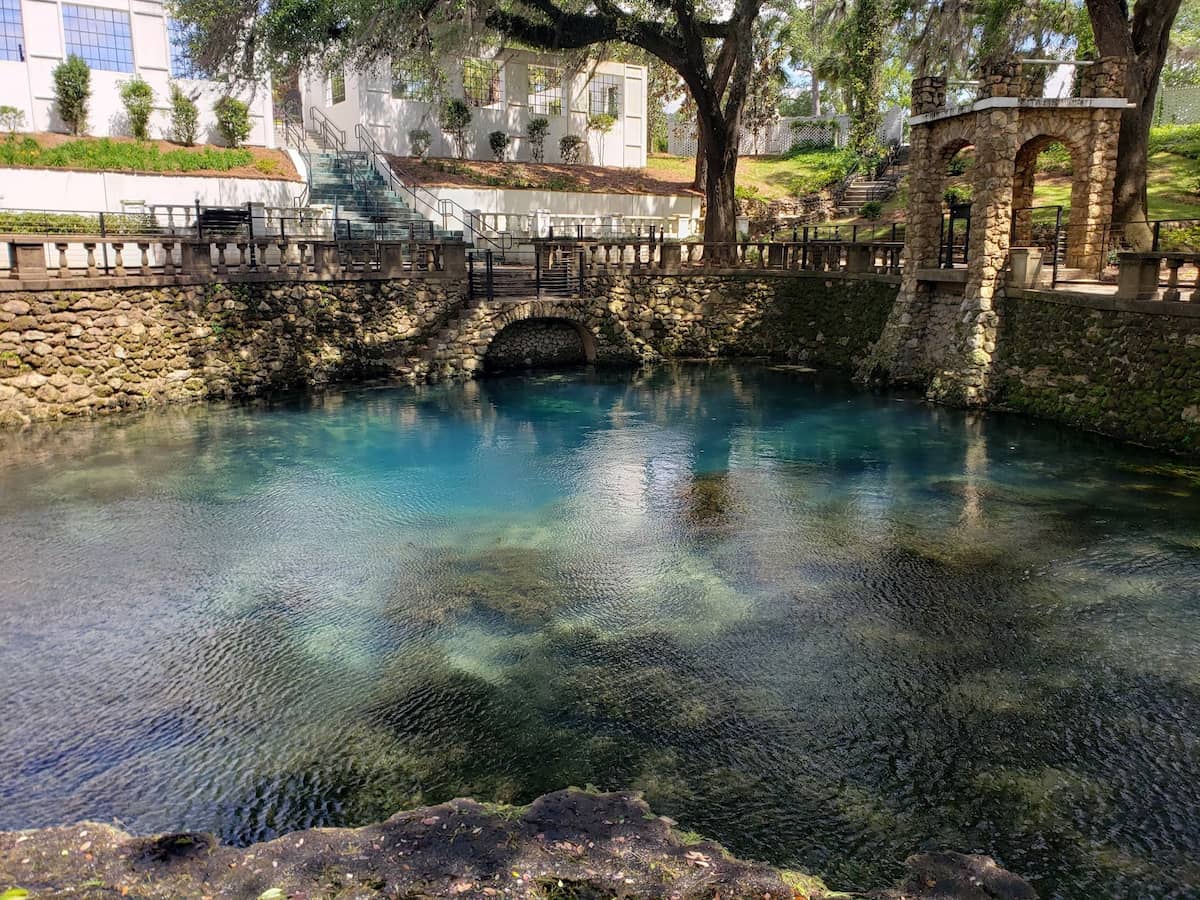
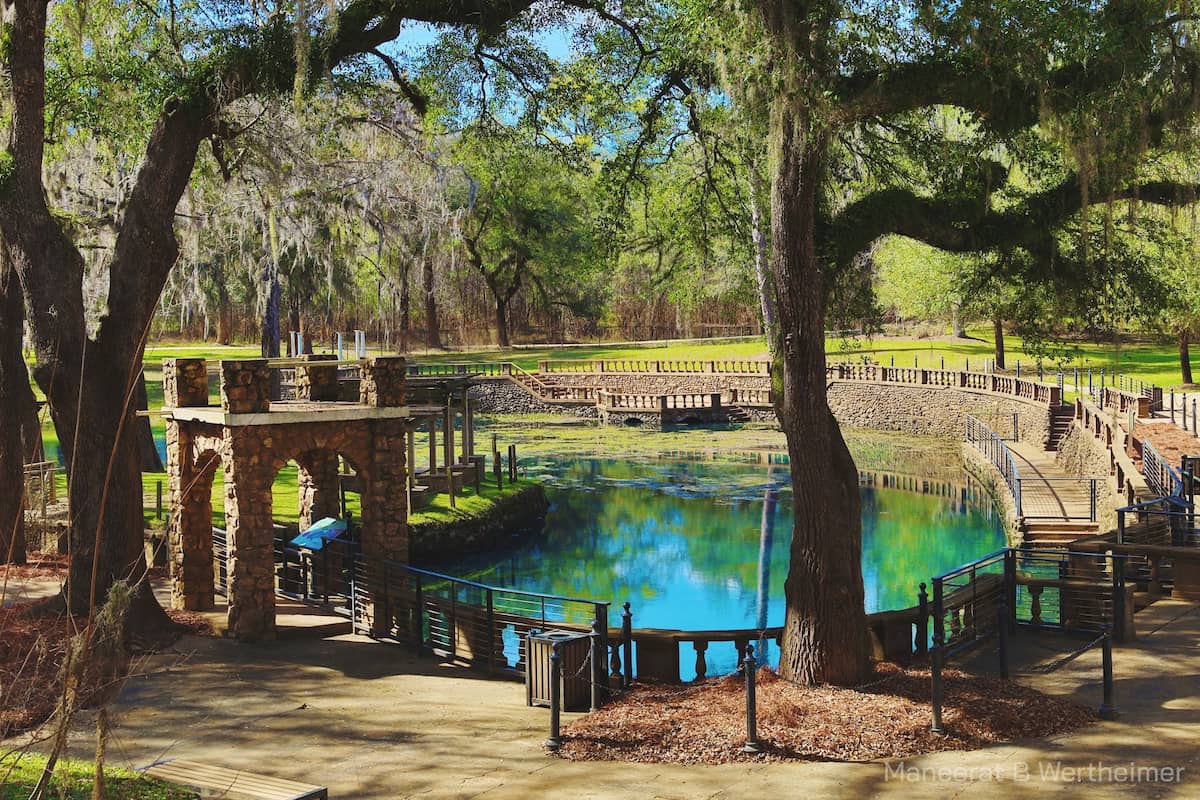
Radium Springs, Georgia is one of the Seven Natural Wonders of Georgia, located in Dougherty County on the southeast outskirts of Albany. The largest natural spring in the state pumps up to 70,000 gallons per minute of crystal-clear, deep blue water from an underground limestone cavern system that is part of the Floridan aquifer. The water maintains a constant temperature of 68 degrees Fahrenheit year-round and contains naturally occurring trace amounts of radium. The spring empties into the Flint River. Albany, the county seat of Dougherty County, is the nearest city.
The indigenous Muscogee (Creek) people called the spring Skywater and used the area for centuries. Before the discovery of radium in the water in 1925, the site was known as Blue Springs. A casino and resort were built overlooking the springs in the 1920s, and Radium Springs became a popular stop for northerners traveling by train to winter in Florida. The casino was severely damaged by floods in 1994 and 1998 and was demolished in 2003. The city of Albany opened the site as Radium Springs Gardens in 2010, with exotic and native plants blooming on terraces above the springs.
Swimming is not permitted. The spring is preserved as an ecological and environmental park for viewing only.
Location & Access
Getting to Radium Springs
Radium Springs Gardens is located at 2501 Radium Springs Road on the southeast outskirts of Albany, Georgia. The drive from downtown Albany takes approximately 10 minutes. The gardens are open Tuesday through Sunday from 9am to 7pm. Admission is free. On-site parking is available.
From Atlanta, the drive takes approximately 3 hours south via Interstate 75 and US-82 west. From Tallahassee, Florida, the drive is approximately 1.5 hours north via US-319 and US-82 east. The Flint RiverQuarium, which features displays of more than 120 species of fish and reptiles found in blue hole springs like Radium Springs, is located nearby on the Albany riverfront.
Regional Context
Southwest Georgia has several natural springs, though none match the scale of Radium Springs. For visitors seeking hot springs near Albany Georgia, Radium Springs is the only significant natural spring in the immediate area. Warm Springs (approximately 130 miles north, famously associated with President Franklin D. Roosevelt) is the closest geothermal spring in Georgia with warm water at 88 degrees Fahrenheit. The Roosevelt Warm Springs Institute continues to operate in that community, offering therapeutic programs to this day.
Suitability & Accessibility
Who Should Visit Radium Springs
Radium Springs suits families, history enthusiasts, and nature lovers seeking a peaceful outdoor experience at one of Georgia most remarkable natural features. The deep blue pool is visually striking, and the botanical gardens, gazebo, and terraces above the spring provide scenic overlooks and picnic spots. The spring is free and open to the public, making it an easy addition to any visit to Albany.
Swimming is not permitted. The spring is a viewing and ecological preservation site only. Visitors who remember swimming at Radium Springs before it was closed describe it as a memorable experience, but the current format is observation from landscaped terraces and garden paths. The Flint River is visible below the gardens. The ruins of the old casino foundation are incorporated into the garden design.
Accessibility at Radium Springs
The gardens have paved paths suitable for wheelchair access. Contact the site for specific details. Those seeking hot springs Georgia offers with actual warm water soaking should visit Warm Springs (88 degrees, 130 miles north), the closest geothermal spring in the state with a history of therapeutic soaking dating to the early 1900s. The Roosevelt Little White House State Historic Site in Warm Springs is a popular destination for history and wellness visitors alike.
Safety & Etiquette
Radium Springs Safety Tips
Radium Springs is a managed public park, making it generally safe for all visitors. Swimming, wading, and entering the water are not permitted. The spring pool is deep with an extensive underwater cavern system. Several fatalities have occurred over the years when divers became lost in the cave system. The prohibition on water entry is strictly enforced for public safety.
The trace amounts of radium in the water are naturally occurring and not present in quantities considered dangerous for casual exposure. The water is 68 degrees year-round, which is cool. The gardens are open and well-maintained.
Climate and Travel Notes
Southwest Georgia has a humid subtropical climate with hot summers. Temperatures regularly exceed 90 degrees Fahrenheit from June through September. The best months for comfortable outdoor visits are March through May and October through November. Bring water, sun protection, and insect repellent, especially in summer. The gardens provide some shade from mature trees and landscaped areas.
Park Information
The gardens are free and open Tuesday through Sunday, 9am to 7pm. No reservations required. The Albany Visitors Bureau can provide additional information at 229-317-4760. The Flint RiverQuarium is a short drive away for a deeper understanding of the regional spring ecosystem. Radium Springs is near other Albany attractions including the Ray Charles Plaza and Thronateeska Heritage Center. The Flint River provides kayaking and fishing opportunities for visitors seeking outdoor recreation beyond the gardens.