Quick FactsOverview
About Reykjadalur Thermal River
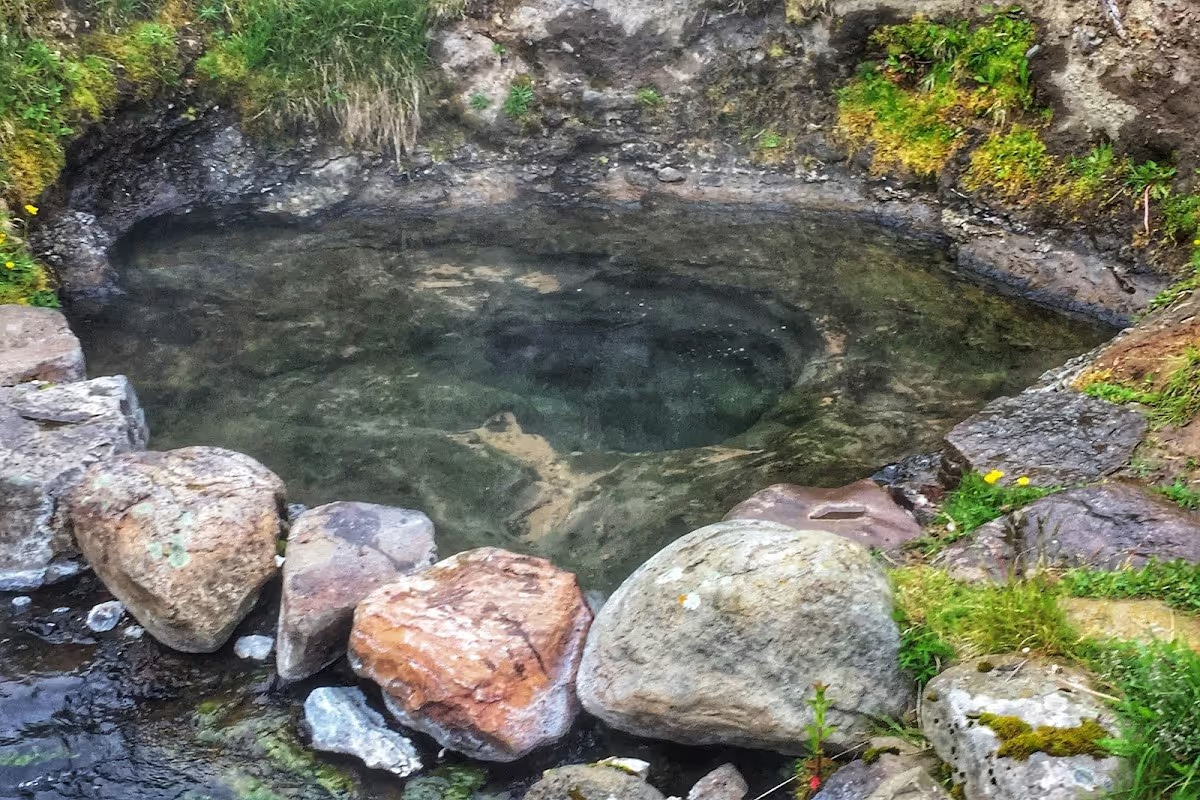
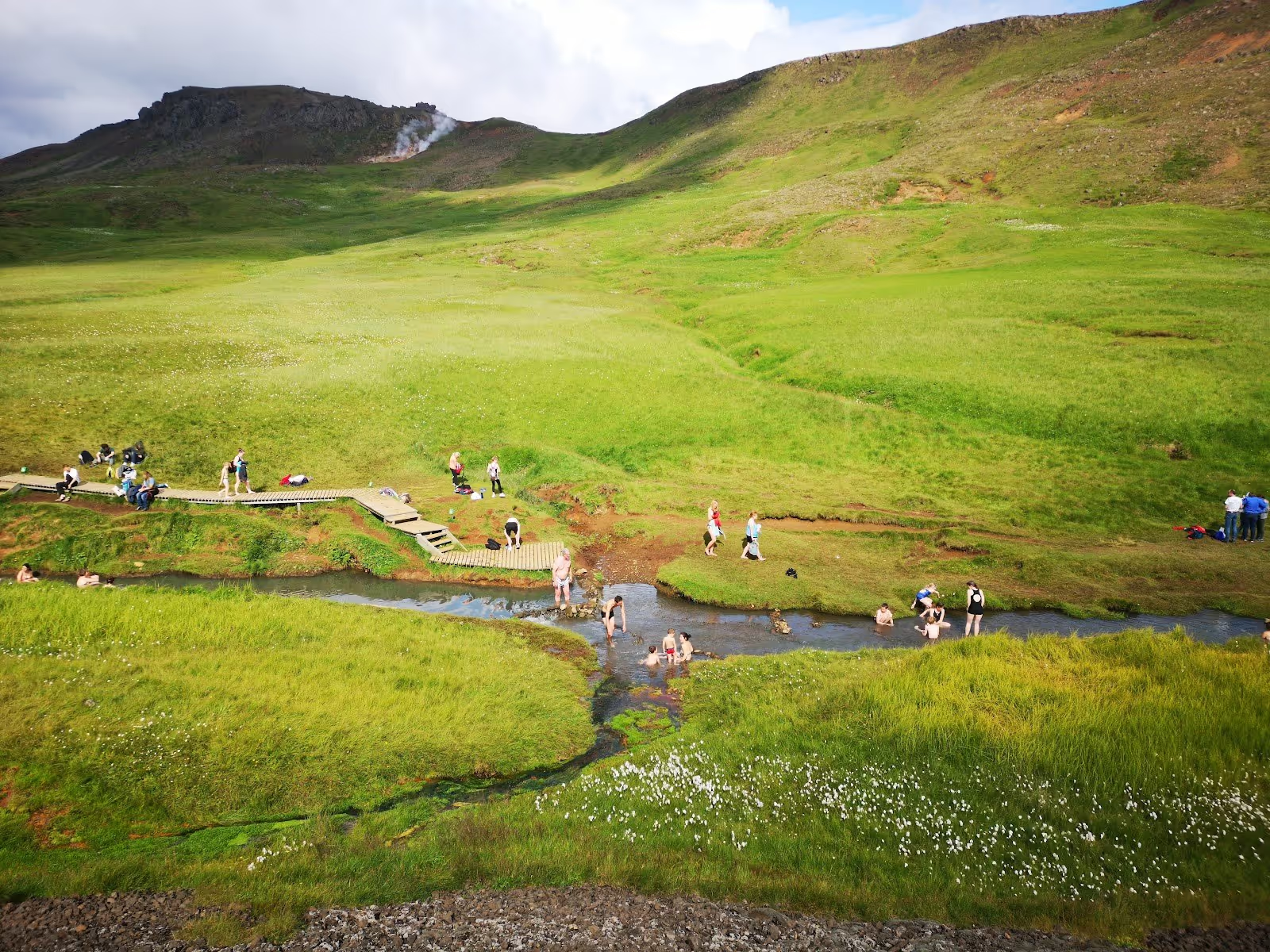
Reykjadalur Thermal River, Iceland is a naturally heated geothermal river flowing through the Reykjadalur valley, which translates as Steam Valley, in the Hengill geothermal area of south Iceland approximately 45 minutes by car from Reykjavík. The river is one of the very few places in the world where a naturally flowing river reaches a temperature suitable for bathing, ranging from approximately 15 to 30 degrees Celsius along different sections, with the warmest bathing area around 30 degrees Celsius. The water is heated entirely by geothermal activity below the valley floor, and flows year-round regardless of season or weather. The site is state-owned, free to enter, and has no built infrastructure at the river itself.
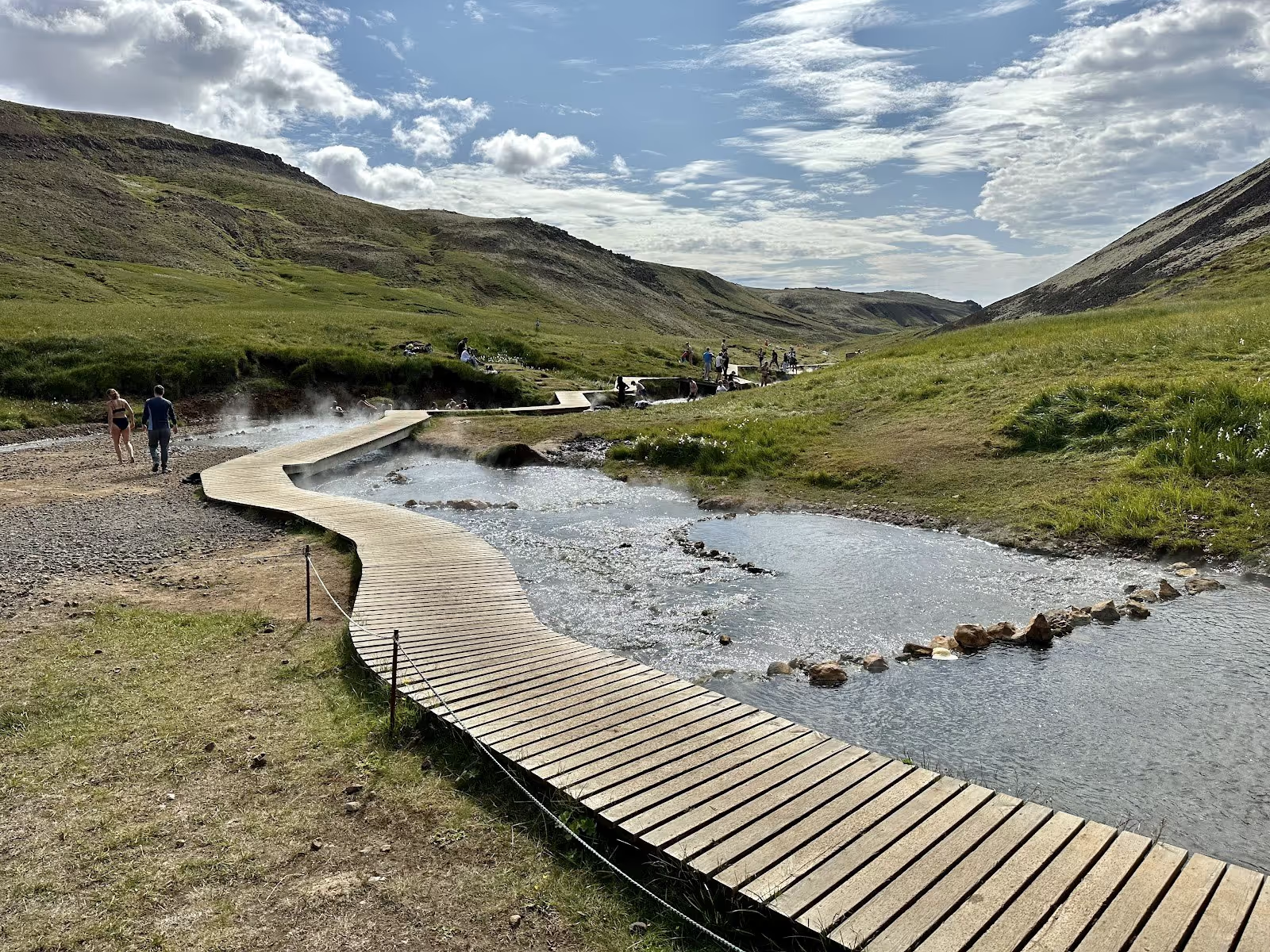
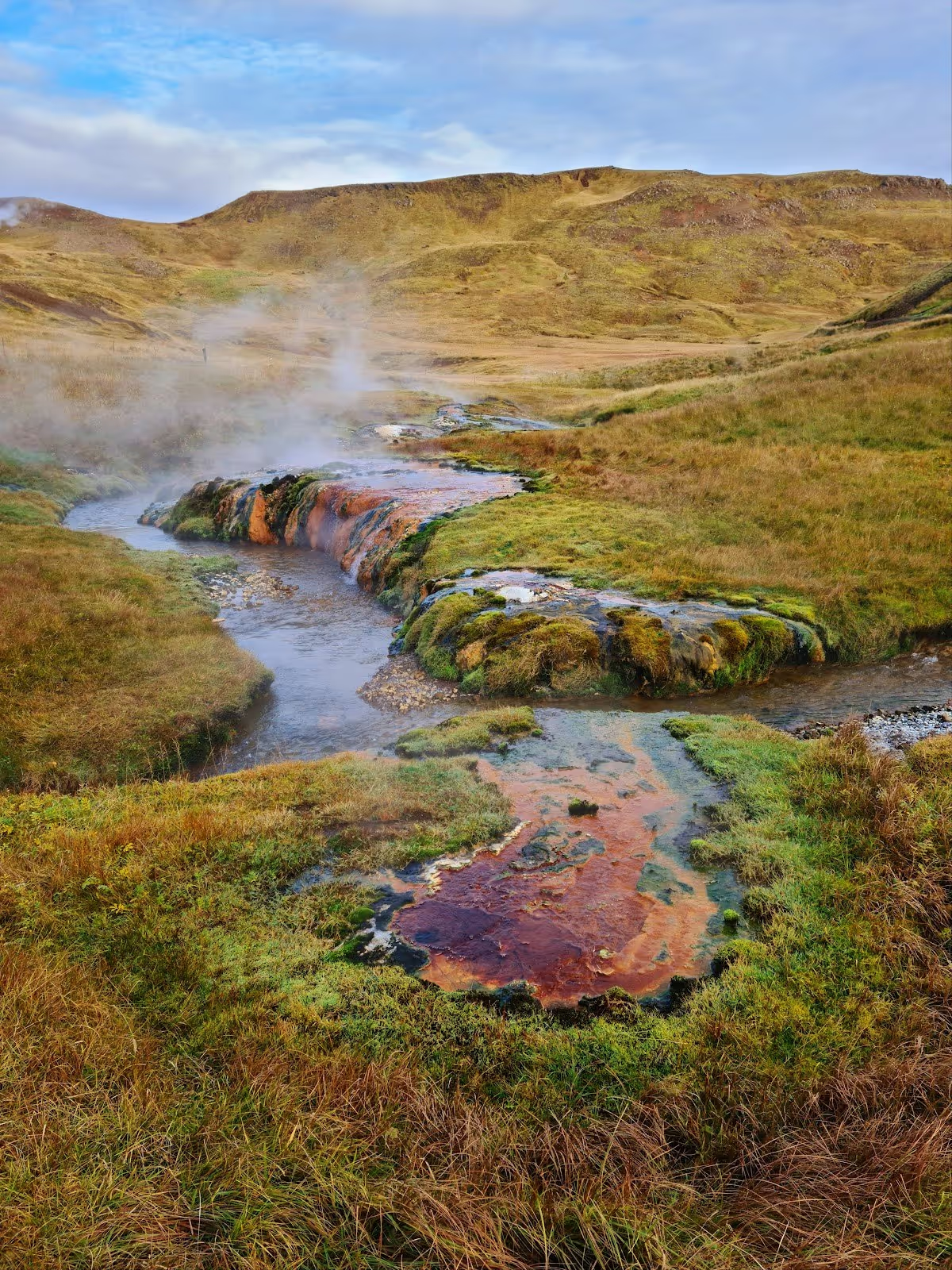
The Reykjadalur valley is an active geothermal environment with features typical of Iceland's volcanic interior. The trail from the trailhead to the river passes a borehole named Drottningarhóla, numerous steaming hot spring vents, bubbling mud pots, and the Djúpagilsfoss waterfall. The valley floor is coloured by mineral deposits, including orange and red bacterial mats around the vent areas, and the visible steam rising from the hillsides is the source of the valley's name. At the bathing section of the river, wooden boardwalks have been installed to protect the vegetation and channel visitor movement, keeping the most sensitive ground undisturbed. The site attracts an estimated 100,000 or more visitors each year, making it one of the most visited free geothermal experiences in Iceland.
The valley is part of the Hengill volcanic system, which last erupted approximately 2,000 years ago and is considered dormant but geothermally active. The entire area sits within the broader geothermal zone that also heats the town of Hveragerði, where geothermal energy is used for greenhouses growing tomatoes, cucumbers, and bananas. For visitors seeking free hot springs in Iceland that require some physical effort to reach, Reykjadalur is the most accessible genuinely natural option from Reykjavík, combining a rewarding hike with a bathing experience in open countryside.
Location & Access
Getting to Reykjadalur Thermal River
Reykjadalur Thermal River is reached from a dedicated trailhead approximately 2 kilometres north of the town of Hveragerði, off Breiðamörk road. The trailhead GPS coordinates are 64.0229 degrees North, 21.2116 degrees West. From Reykjavík, drive east on Route 1 for approximately 45 kilometres to Hveragerði, then follow signs north through the town toward the Reykjadalur parking area. The parking lot is paid and operated via the Parka or EasyPark apps; downloading one before arriving is recommended as mobile connectivity in the lot can be patchy. Toilets and the Reykjadalur Café are at the trailhead.
From the trailhead, the hike to the bathing section of the river is 3 kilometres one way and takes approximately 45 to 75 minutes depending on pace. The trail involves steady uphill gradients for much of the ascent. The path is well-marked and maintained, and the trailhead information board shows the route. In summer, the trail is gravel and packed earth. In winter, the upper sections can be icy and require micro-spike crampons, which are not provided at the site; bring your own if visiting outside summer months. The total out-and-back hike is approximately 6 kilometres, and visitors should budget at least 3 hours for the round trip plus bathing time.
Public buses run from Reykjavík to Hveragerði on the Strætó network, but the bus stop in Hveragerði is approximately 4 kilometres from the trailhead, which adds significantly to the total distance. Without a rental car, joining an organised tour with transport from Reykjavík is the most practical option. For those exploring hot springs near Hveragerði, the town itself has a geothermal park, a geothermally heated bakery, and several other geothermal attractions within walking distance.
Suitability & Accessibility
Who Can Visit Reykjadalur Thermal River
Reykjadalur is suitable for visitors who are fit enough to complete a 3-kilometre uphill trail on uneven terrain, carrying their bathing equipment, and who are comfortable in an unmanaged natural outdoor environment. The hike is described as moderate and is manageable for most healthy adults, as well as children approximately 8 years and older who can maintain pace on a long uphill walk. Families with children under 8 should assess the child's hiking ability honestly before attempting the trail, as there is no way to shorten the route once started and the total distance is approximately 6 kilometres round trip.
Wheelchair access is not possible. The trail involves rough, uneven terrain over 3 kilometres of ascent on a natural path. No accessibility infrastructure exists at any point between the trailhead and the river. Visitors with limited mobility or who cannot manage sustained uphill walking should plan a different destination. The trailhead café and toilets are accessible at ground level, but the river itself is only reachable on foot.
The river temperature varies by section from cool to warm, and bathers can move along the bank to find a preferred temperature. The warmest section is the most popular and includes the wooden boardwalks. There are no changing facilities at the river; most visitors change on the riverbank or wear their swimwear under hiking clothing. There are no toilets beyond the trailhead, so visitors should use facilities before starting the hike. Free hot springs in Iceland of this character, where the natural geothermal features are the entire experience and no commercial overlay exists, are relatively rare within an hour of the capital, making Reykjadalur a distinctive option for visitors who prefer an earned soak over a managed spa experience.
Safety & Etiquette
Safety and Etiquette at Reykjadalur Thermal River
Reykjadalur is in a remote area natural hazards designation because the valley contains genuinely dangerous geothermal features alongside the bathing area. The hot spring vents and mud pots along the trail reach temperatures well above 100 degrees Celsius and can cause severe burns on contact. Stay strictly on the marked path throughout the hike, do not step off the boardwalks at the river, and do not touch or approach any steaming vents or mud pools. Thin crusts can form over geothermal vents and collapse without warning under body weight. These hazards are marked on signage along the trail and at the trailhead information board.
The river temperature varies along its length. The warmest sections can be too hot for extended soaking; test the water before entering and move to a cooler section if the temperature is uncomfortable. Do not enter the water immediately above the hottest inflow points. The water is flowing continuously and does not pool to stagnant levels, so water quality is generally good, but the geothermal content means the water has a noticeable sulfur character. Remove silver jewellery before entering as sulfur content in geothermal water can cause discolouration.
In winter, the trail above the valley floor can become icy and treacherous. Micro-spike crampons are required from approximately October through April and should be considered essential rather than optional for winter visits. Do not attempt the trail in severe weather, low visibility, or after dark without appropriate lighting. The valley has been closed in the past due to environmental damage from excessive visitor numbers; always stay on the marked trail and carry all waste out with you. There are no bins anywhere on the trail. The wooden boardwalks at the river are there to protect the vegetation; do not step off them onto the bare geothermal ground.
The entire site is state-owned and free. There are no staff at the river and no emergency equipment beyond what you carry. Mobile coverage in the valley is limited to patchy. Before setting out, leave your plans with someone, carry water, and ensure your footwear is appropriate for wet and uneven terrain. In winter or during rapidly changing weather, treat this as an outdoor adventure requiring full preparation rather than a casual day out.