
Quick FactsOverview
What it is
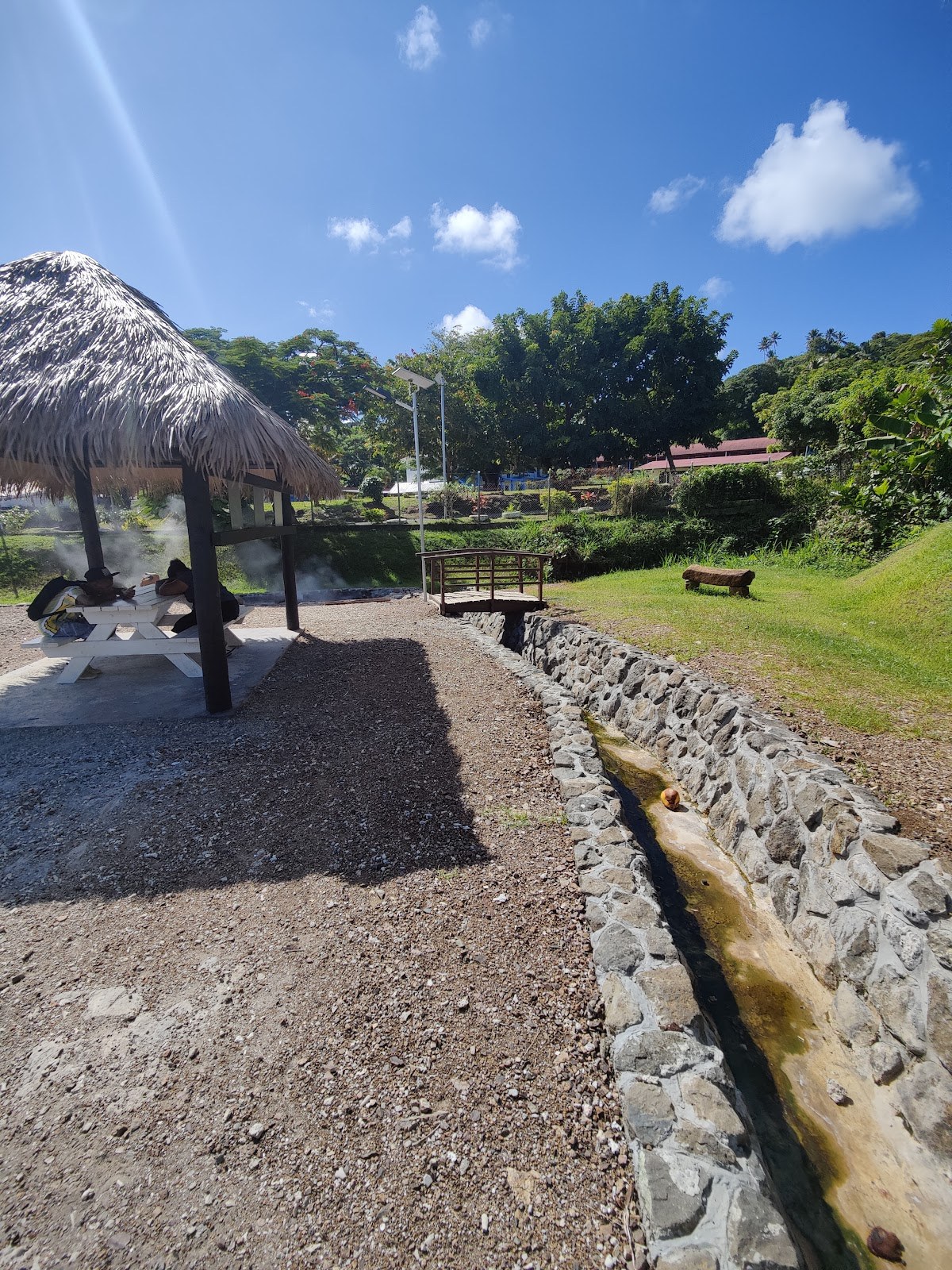
The Savusavu Foreshore hot springs are a line of small geothermal outlets along the town’s shoreline, often described as being opposite the Hot Springs Hotel. Depending on tide and weather, you may see wisps of steam, warm sand patches, and small trickles of hot water draining toward the bay. It is a natural feature in a public area, not a managed bathing site.
What you can do
This is a look-and-learn stop. Walk the foreshore, spot the steam outlets, and take photos, especially when cooler air makes the steam more visible. Some visitors come to watch traditional use of geothermal heat for cooking, but that is not guaranteed, and it is best treated as a bonus rather than a plan.
How to think about it
Expect something subtle rather than dramatic. On some days the vents are obvious, on others you will need to look closely and use your sense of warmth and smell. If you want a soak with facilities, choose a mud pool and hot spring venue near Nadi instead. If you want a quick, free, very local curiosity that adds texture to a Savusavu day, the foreshore vents are perfect.
Location & Access
Where it is
The vents run along Savusavu’s waterfront on Vanua Levu. The best known section is near the area commonly referred to as opposite the Savusavu Hot Springs Hotel, with additional small outlets visible along the foreshore at low tide.
Getting there
First get to Savusavu, either by domestic flight or by ferry connections to Vanua Levu followed by road travel. Once you are in town, you can usually reach the foreshore on foot from central hotels and shops, or by a short taxi ride. If you drive, park away from the narrowest waterfront stretches and walk the last few minutes so you can keep your attention on the ground.
Conditions, tides, and timing
Tide level changes what you see. Lower tide can expose more shoreline and make small steam outlets easier to spot. After rain, the foreshore can be slick, and steam may blend into humid air, so the vents can feel less obvious. Early morning or late afternoon is comfortable for walking, and cooler air can make steam show up better in photos.
What to bring
Bring water, sun protection, and shoes with grip. Keep your hands free, it is easy to trip if you are juggling bags. If you are curious about tides, ask your accommodation for a local tide estimate and plan a window rather than an exact minute. There are no guaranteed facilities at the vents themselves, so treat this as a short stroll with town amenities nearby.
Suitability & Accessibility
Best for
This is best for travelers who like small, authentic nature moments. It is easy to fit into a day in Savusavu because there is no ticketing, no long drive, and no special gear. It also works well if you are traveling with mixed energy levels, one person can sit on the waterfront while another walks to spot vents.
Families
Families can do this safely if you treat the shoreline as a hazard zone. Kids should stay right beside you, because hot water can appear in shallow channels and the ground can change quickly near the bay edge. Bring snacks and water, but eat a little away from the warm sand patches so you are not distracted.
Mobility and access
I would not claim wheelchair access here. Parts of the foreshore may be flat, but surfaces can be uneven, sandy, or wet, and curb cuts are not guaranteed. If you have limited mobility, plan to view from the most stable paved sections and skip any spots that require stepping down onto the sand or rocks.
Expectations vs reality
It is common to expect a hot pool, but what you actually get is a series of small vents. Some days it feels dramatic, other days it feels like a gentle warm breath from the earth. Go in expecting a short walk and a photo opportunity, and you will be happy. If your goal is a long soak, book a managed hot spring venue elsewhere.
Safety & Etiquette
Hot water and steam
Do not test the water with hands or feet. Hot outflows can be near boiling, and shallow channels can look harmless until you step into them. Stay on the most stable surface you can find, and keep children within arm’s reach. If you are taking photos, stop walking first, then take the shot.
Shoreline footing
The main risk here is a slip or a stumble at the water’s edge. Sand, algae, and wet rocks can be slick, and the shoreline can undercut after storms. Closed toe shoes with grip are a good idea, especially after rain. If the ground looks newly eroded or saturated, step back and choose another viewpoint.
Tide awareness
Lower tide can reveal more vents, but it also exposes more uneven shoreline. Do not wander far out on unfamiliar flats, and avoid stepping between rocks where you cannot see what is underneath. If you are unsure, keep to the paved waterfront and treat the vents as something you view from a distance.
Respectful behavior
This is a shared public space. Keep noise down, do not climb fences or enter private hotel grounds without permission, and give space if locals are using the area for community activities. Avoid photographing people up close without asking, especially if you notice traditional cooking practices taking place.
Leave no trace
Pack out every piece of trash, including small plastic bits that blow into the bay. Do not dig, pry, or throw objects into vents. Stay on durable surfaces so you do not damage fragile shoreline areas, and so you reduce your own burn risk. If you bring food, keep it in a sealed bag and dispose of scraps in town bins rather than leaving them near the vents.