
Quick FactsOverview
About Termales de Jurubirá
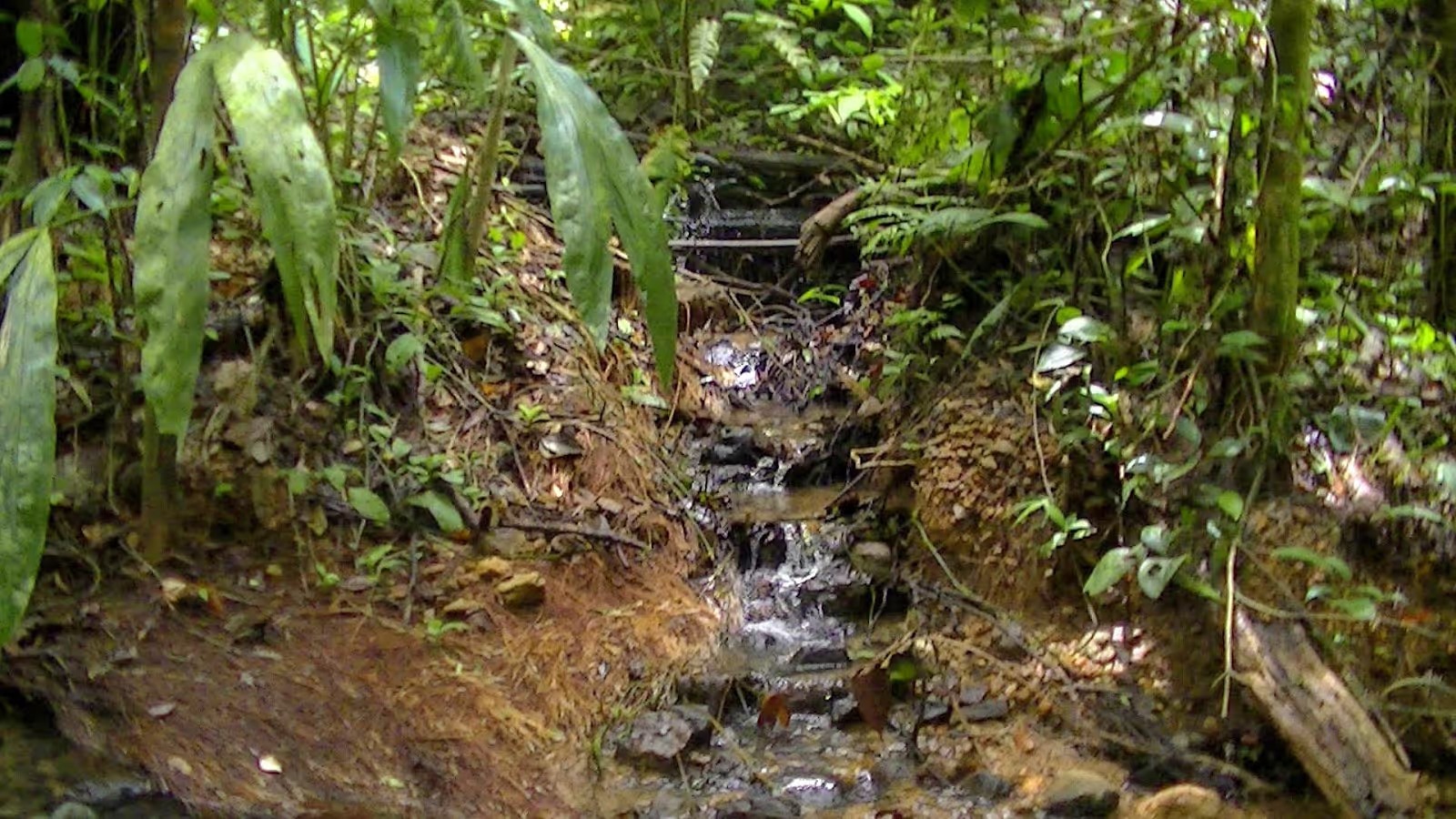
Termales de Jurubirá, Colombia is a community-managed natural hot spring in the Pacific rainforest of Chocó, near the village of Jurubidá in the municipality of Nuquí. The spring sits inland from the coast along a jungle stream, a short walk through dense tropical vegetation from the village. The area forms part of the Gulf of Tribugá coastline, one of the most biodiverse stretches of Colombia's Pacific shore, and the springs are part of a community ecotourism offer that also includes guided jungle walks, whale watching in season, and surfing.
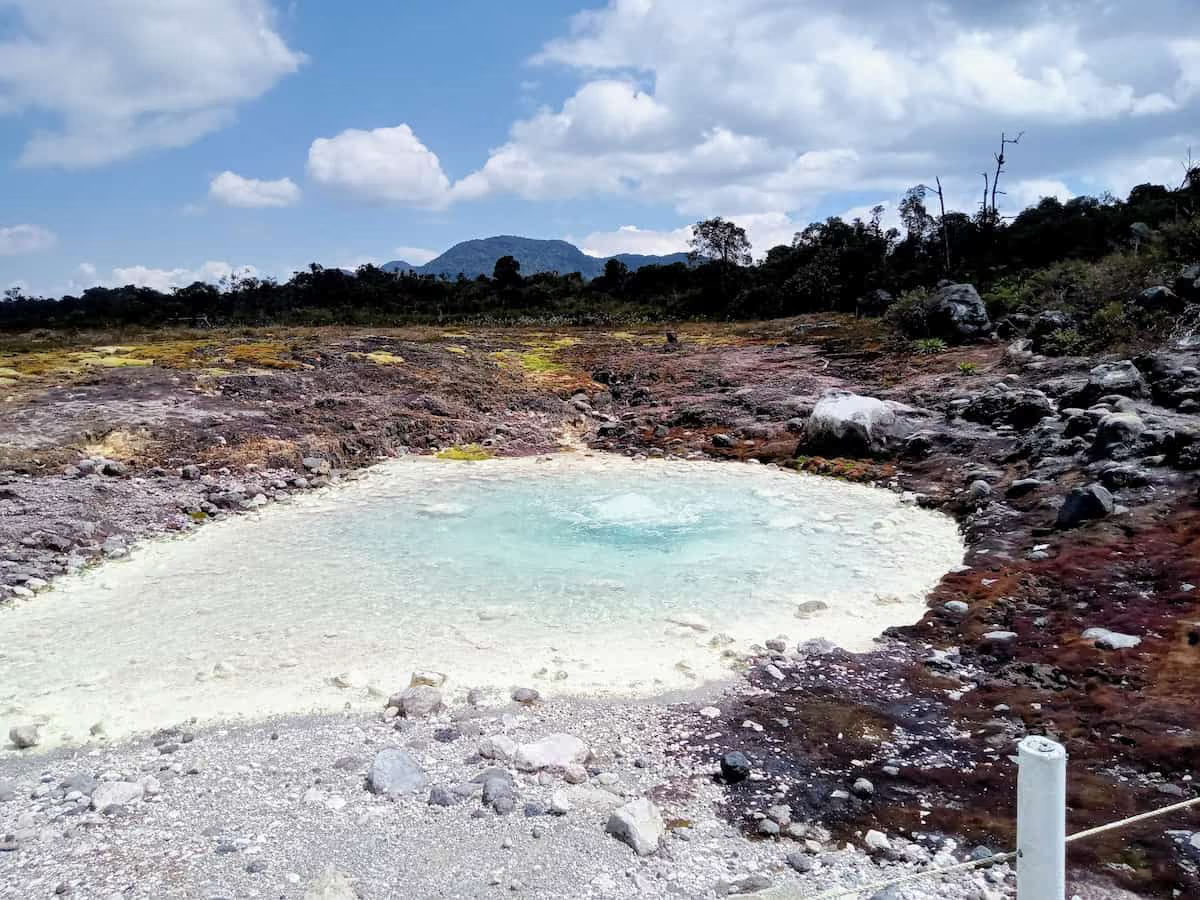
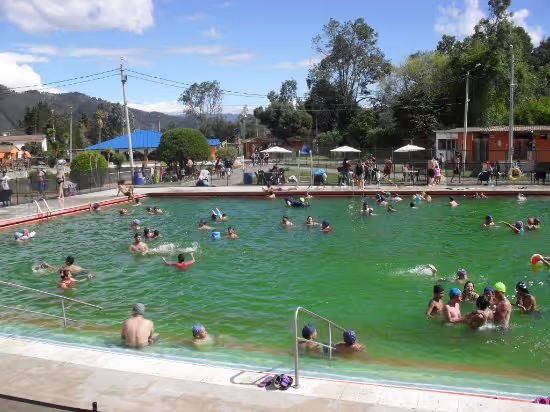
The thermal pools consist of small concrete-lined basins fed by geothermal water. The water has a sulfurous quality and a layer of sulfurous clay lines the stream banks near the pools, which visitors use as a self-applied mud mask before rinsing. Pool temperatures are moderate rather than extremely hot, and the jungle setting keeps the surrounding air humid and warm year-round. A small restaurant near the spring is run by community members, and a modest admission fee is charged on entry. The income from the springs supports local community services including the village school, making this one of the few aguas termales in Colombia with a directly documented community benefit model.
Jurubidá is a predominantly Afro-Colombian village of several hundred people. Local guides can arrange walks to the hot springs as part of broader ecotourism itineraries that combine the springs with river trips, jungle hikes, and time on the beach. The village has simple guesthouses for overnight stays. For those looking at hot springs in Colombia that are genuinely wild and community-run, the Jurubirá springs offer something different from the resort-format termales common in the Andes.
Location & Access
Getting to Termales de Jurubirá
Termales de Jurubirá is reached by taking a boat north from Nuquí to the village of Jurubidá, approximately 45 minutes by motorboat (lancha) along the Pacific coast, followed by a short walk of around 20 minutes through jungle from the village to the spring. There are no roads connecting Nuquí to the surrounding coastal villages, so all access is by sea. Nuquí itself is reached by domestic flight from Medellín, a journey of under an hour by small aircraft. Flights operate most days and should be booked in advance, particularly during the July to October whale watching season when visitor numbers peak.
From Nuquí, a public lancha runs north to Jurubidá on most days. Departure times vary and should be confirmed locally on arrival, as schedules depend on weather, sea conditions, and demand. Private lanchas can also be arranged through local operators or your accommodation, at higher cost but with flexible timing. The sea crossing can be rough depending on conditions, and visitors should keep bags protected using dry sacks or waterproof bags. Once at Jurubidá, a local guide is recommended for the walk to the springs, both for navigation and to contribute to the community economy. The guide service is informal and paid directly in cash on the day.
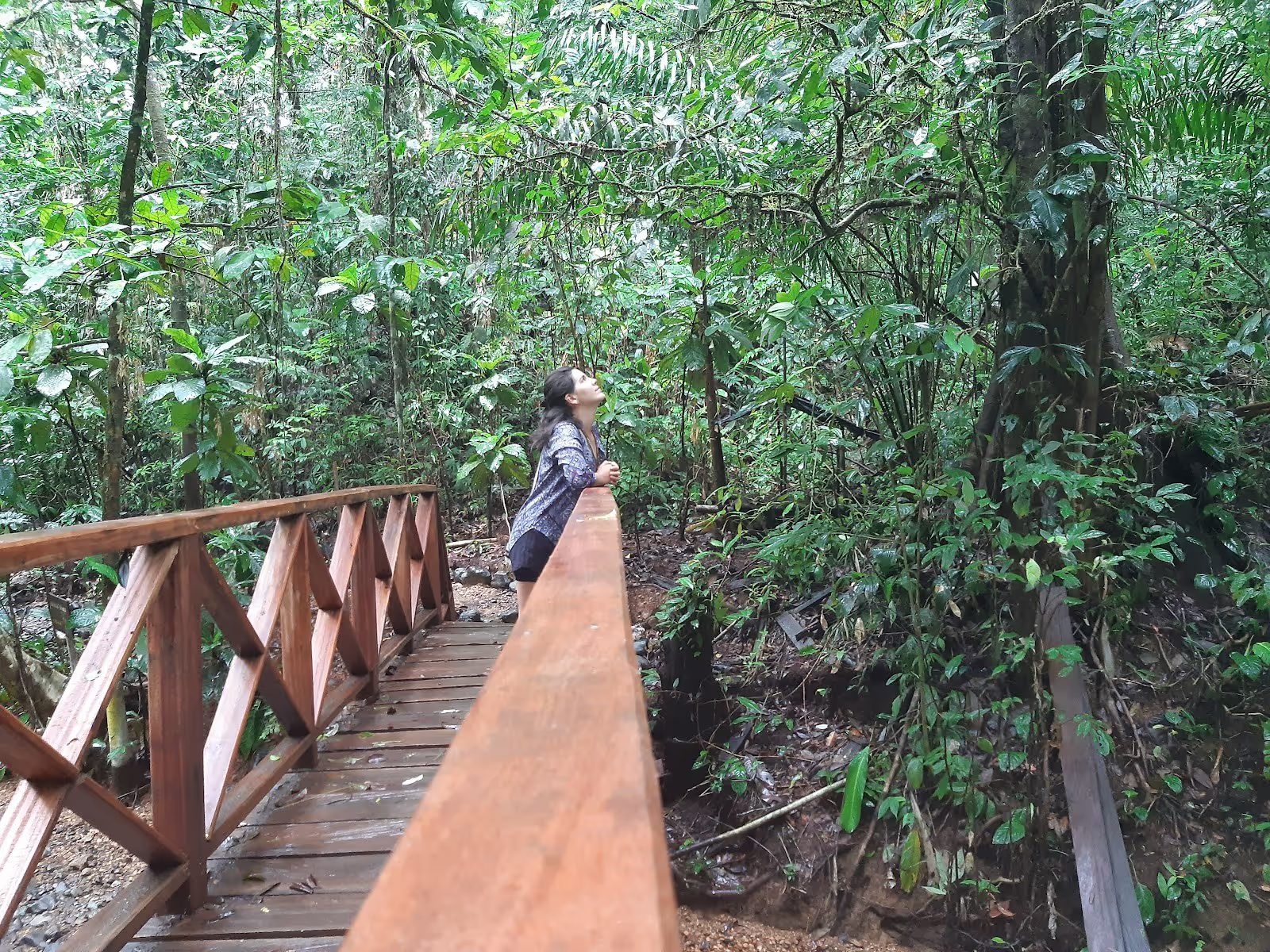
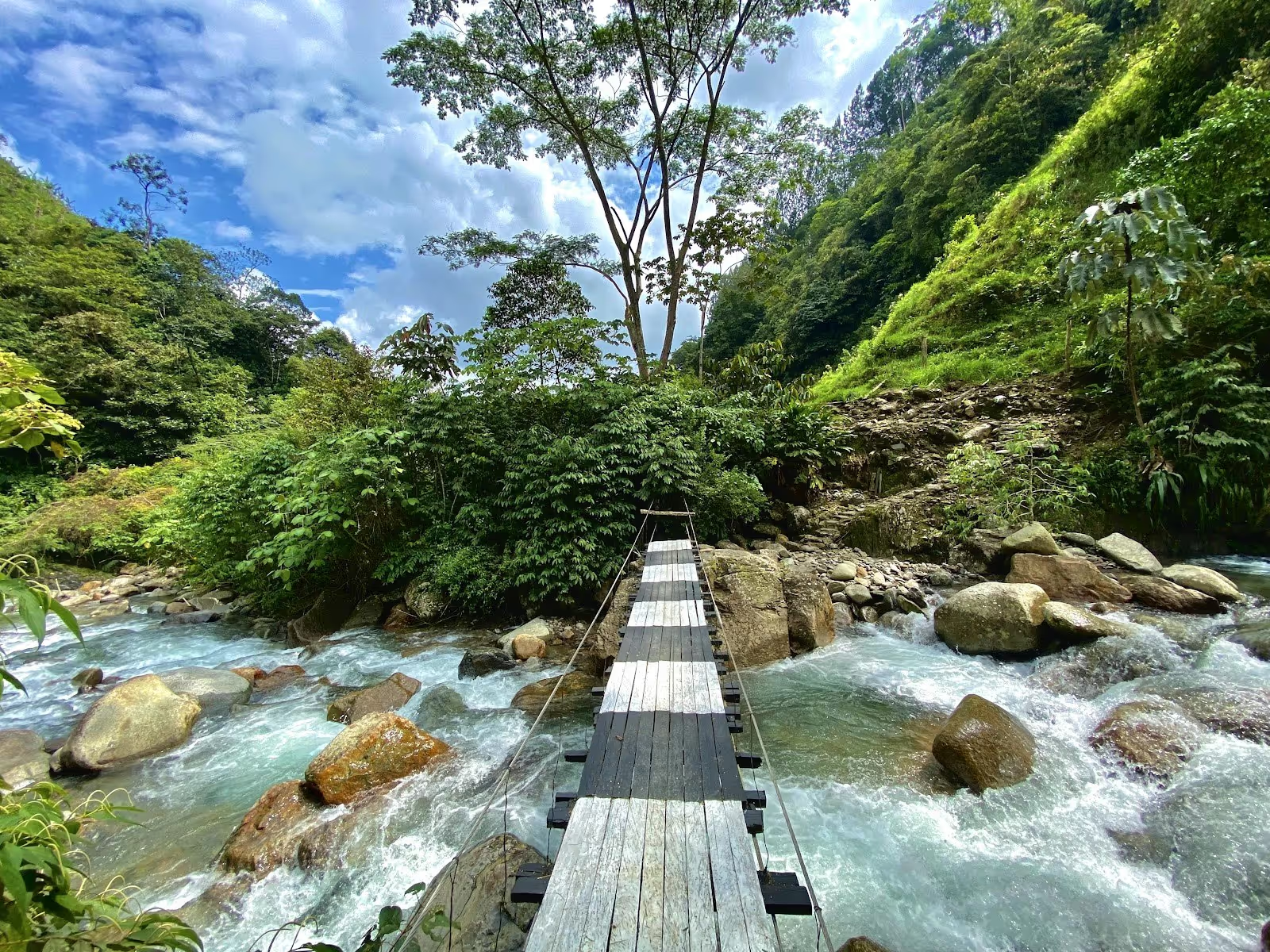
The springs are a few hundred metres inland from the beach, along a jungle stream. The walk passes through Chocó rainforest with the possibility of encountering birds, frogs, and monkeys along the way. Bring insect repellent, shoes suitable for a muddy jungle path, and cash for the admission fee and guide, as card payment is not available in Jurubidá. Mobile coverage is limited or absent in the village, so plan all logistics before leaving Nuquí.
Suitability & Accessibility
Who Termales de Jurubirá Suits
Termales de Jurubirá suits independent and adventurous travellers comfortable with remote access, basic facilities, and the physical demands of Colombia's Pacific coast, as the springs involve a domestic flight to Nuquí, a boat crossing, and a jungle walk. The experience is wild rather than resort-style, and visitors should not expect changing rooms, regulated pool temperatures, or consistent operating hours. What the site offers is a natural rainforest setting, geothermal water, community-run hospitality, and an encounter with the Chocó environment that is rare elsewhere in Colombia.
The experience suits those already travelling to the Nuquí region for ecotourism, whale watching, surfing, or jungle exploration, planning a stay of two or more nights. Combining a night in Jurubidá with the springs, a guided jungle walk, and beach time makes for a coherent itinerary. Solo travellers and couples tend to navigate this well. Families with very young children should weigh whether the boat crossing, jungle walk, and absence of facilities are workable. For visitors with mobility requirements or those preferring managed facilities, accessible hot springs in Colombia are more readily available in the Cundinamarca Andes region closer to Bogotá.
The best time to visit is during the drier months of January to March, when sea conditions are generally calmer and flight reliability is higher. The July to October whale watching window brings more visitors to the region but also heavier rain and occasionally rough crossings. In either season, build flexibility into your travel dates. Flights and boats in this area are subject to weather delays, and a rigid schedule does not suit the rhythm of the Pacific coast. Bring cash, patience, and waterproof bags.
Safety & Etiquette
Termales de Jurubirá Safety Tips
Termales de Jurubirá is a remote area site with natural hazards, and the main safety considerations are the boat crossing, the jungle walk, and the general logistics of a region with no roads, limited mobile coverage, and variable weather. The pools themselves are not dangerous, but the journey requires real planning. Never attempt the sea crossing without a reliable local operator, and always check weather and sea conditions before departing Nuquí. In rough swell, crossings can be physically demanding and are occasionally not possible on certain days. If in doubt, wait for better conditions rather than pushing a difficult crossing.
The jungle path from Jurubidá to the springs can be muddy and slippery after rain. Wear closed shoes with grip soles, apply insect repellent before entering the jungle, and follow your guide throughout. The route involves no significant elevation gain but wet roots and uneven ground require care. Do not attempt the walk without a local guide on a first visit, as the path is not clearly marked for independent navigation. The guide can also advise on current conditions at the springs and any local access considerations that may apply.
At the springs, the pools are natural and unmanaged beyond basic community upkeep. Test the water temperature before entering fully, as geothermal output can vary. The sulfurous mud is for external application only - rinse it off thoroughly before leaving and keep it away from eyes. The warm humid jungle air means heat exhaustion is less of a concern than in highland springs, but drinking water before and during the visit is still important. Bring your own water from Nuquí or Jurubidá as there is no bottled water for sale at the springs.
Bring all cash before leaving Nuquí, as there are no ATMs in Jurubidá or the surrounding villages. Keep valuables in a dry bag during the boat crossing. Tell your accommodation your plans and expected return time before heading to the springs. The Colombian Pacific coast has improved considerably in visitor safety in recent years and the Nuquí region is considered safe for tourism, but remote travel always benefits from basic precautions and the local knowledge your guide provides. Your guide is your best resource for current conditions on the ground.