Quick FactsOverview
About Termales de San Juan
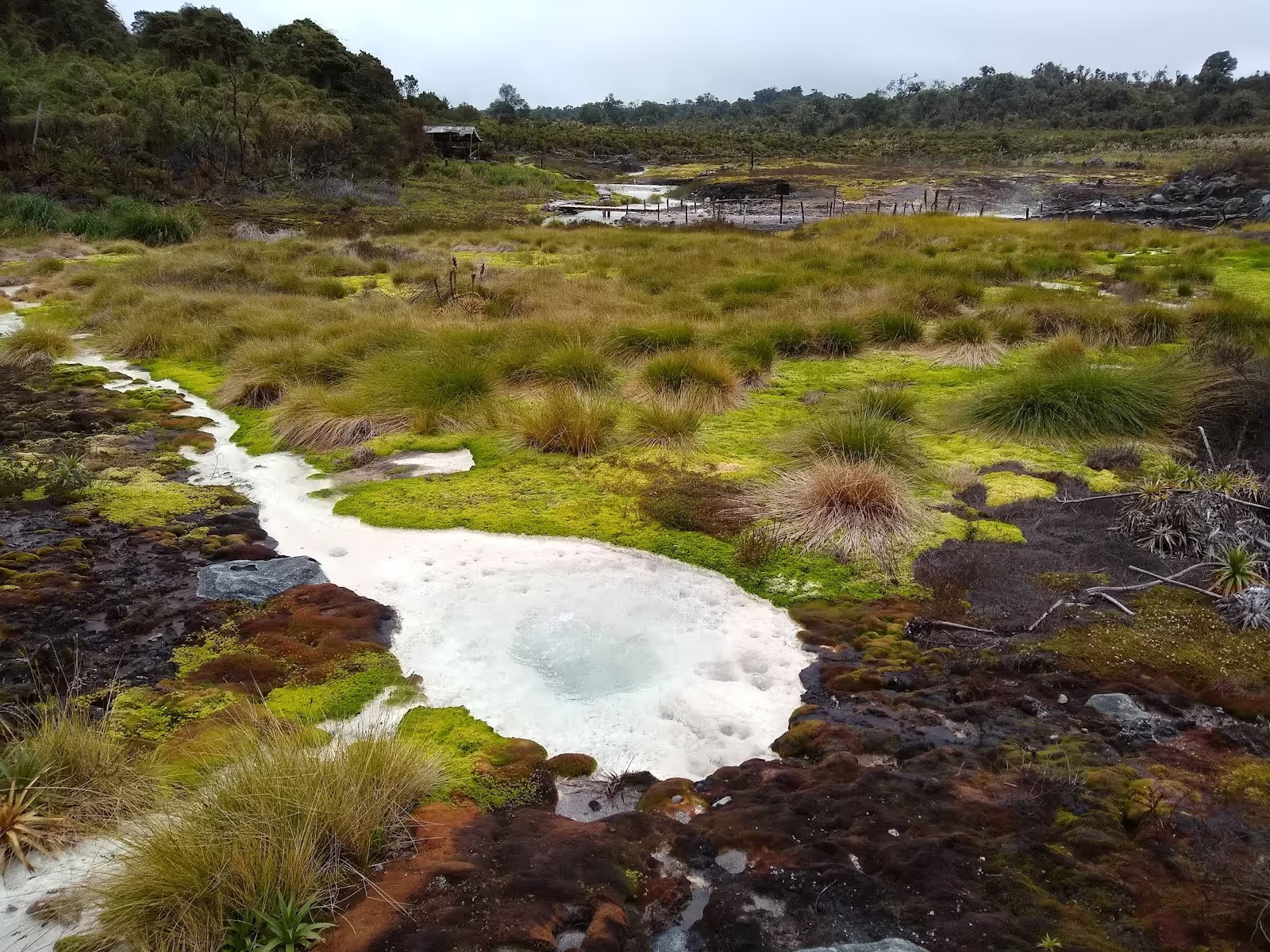
Termales de San Juan, Colombia is a volcanic geothermal site inside Parque Nacional Natural Puracé in the department of Cauca, situated at roughly 3,400 metres above sea level along the volcanic corridor known as the Cadena de los Coconucos. The park was declared a UNESCO Biosphere Reserve in 1979 and encompasses páramo, cloud forest, and active volcanic terrain. The San Juan springs are the most visited geothermal feature within the park and sit within the territory administered by the indigenous Yanacona community, whose guides lead all visitor groups through the area.
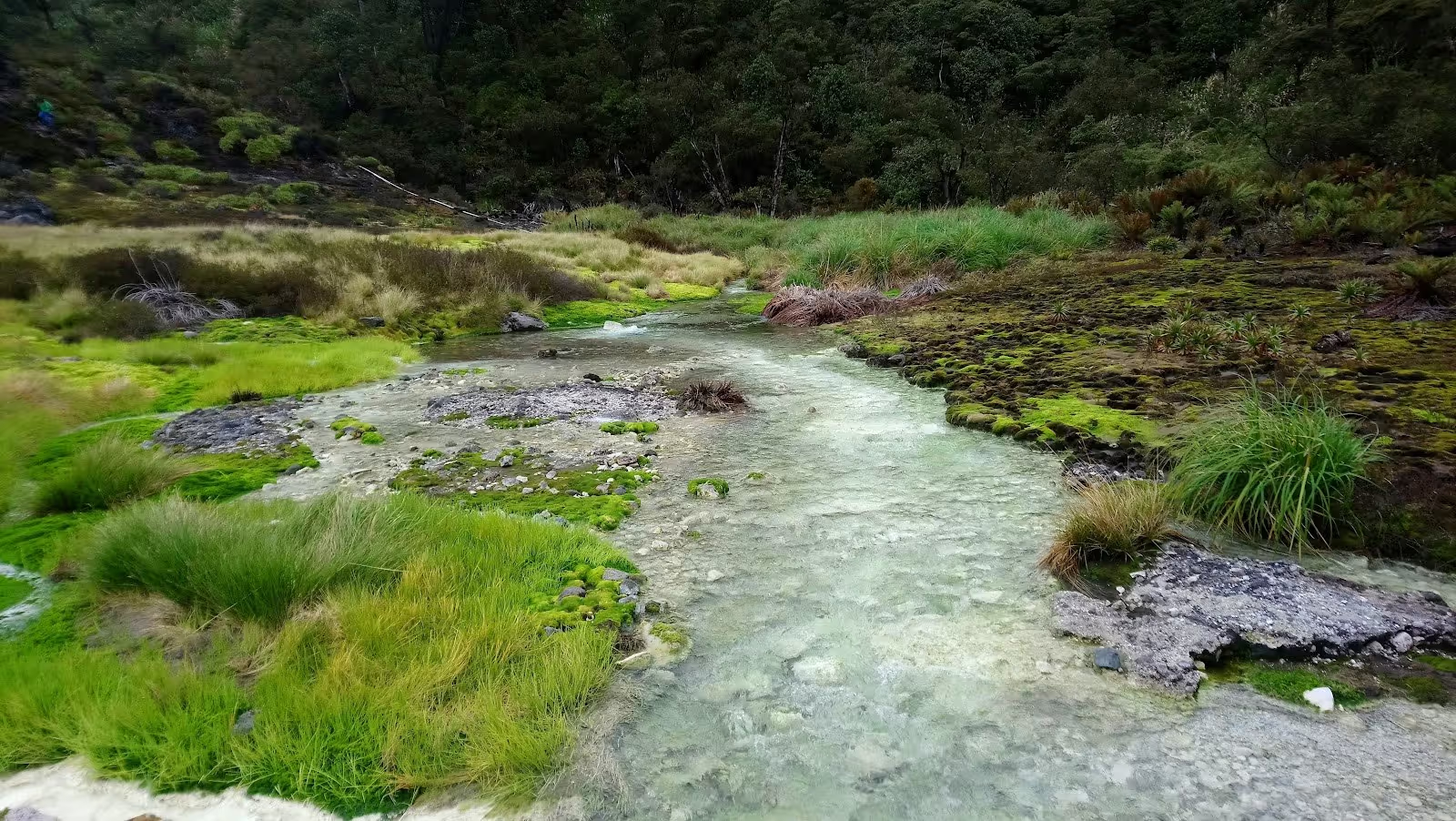
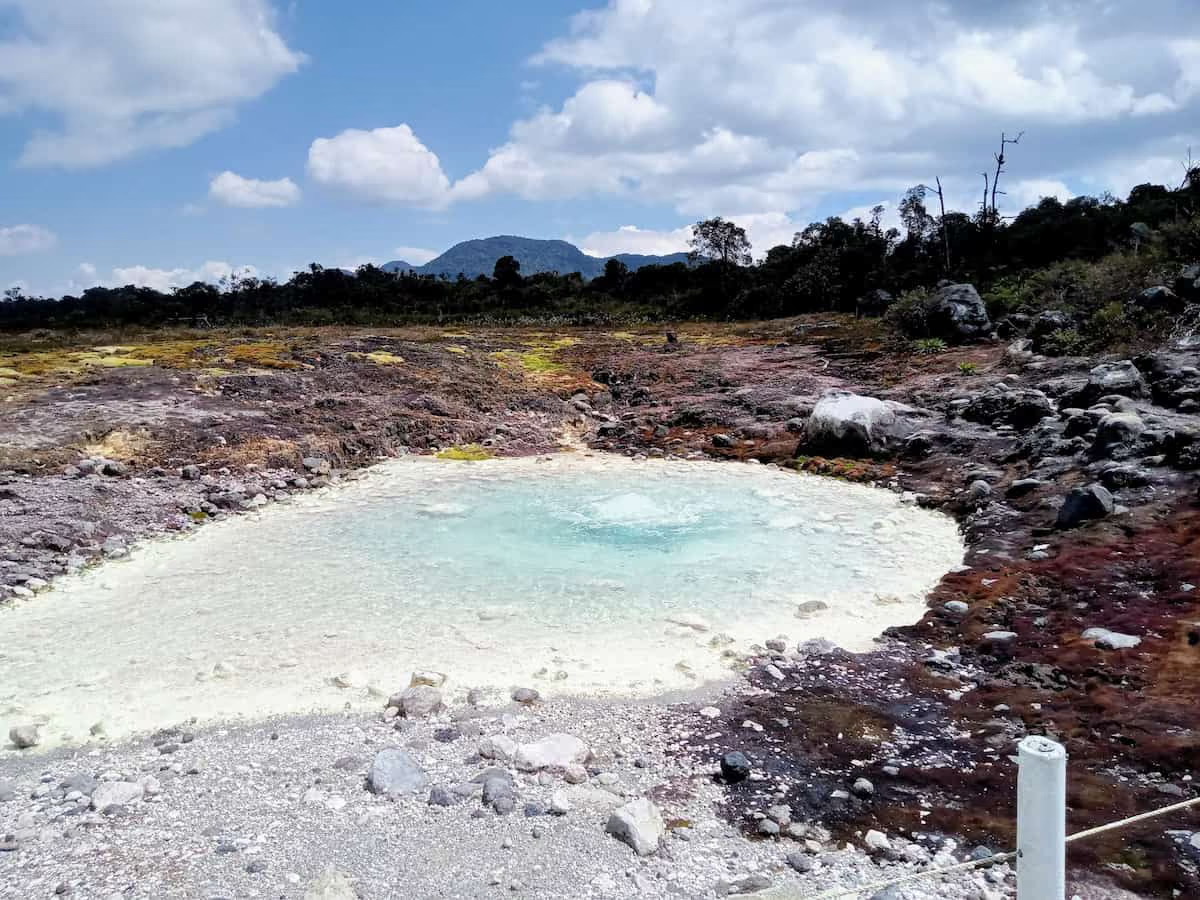
The site consists of more than 50 geothermal pools and venting features whose mineral-rich water produces a striking natural colour display. The water contains high concentrations of sulfur, iron, calcium, and other volcanic minerals, which interact to produce shades of grey, turquoise, green, orange, yellow, and pink across different pools depending on mineral concentration and temperature. The water temperatures in many pools are too high to enter safely, and bathing is not permitted at the San Juan site. Visitors walk designated boardwalk and stone paths among the vents, pausing at viewpoints over the most colourful pools and along the Río Bedón canyon downstream.
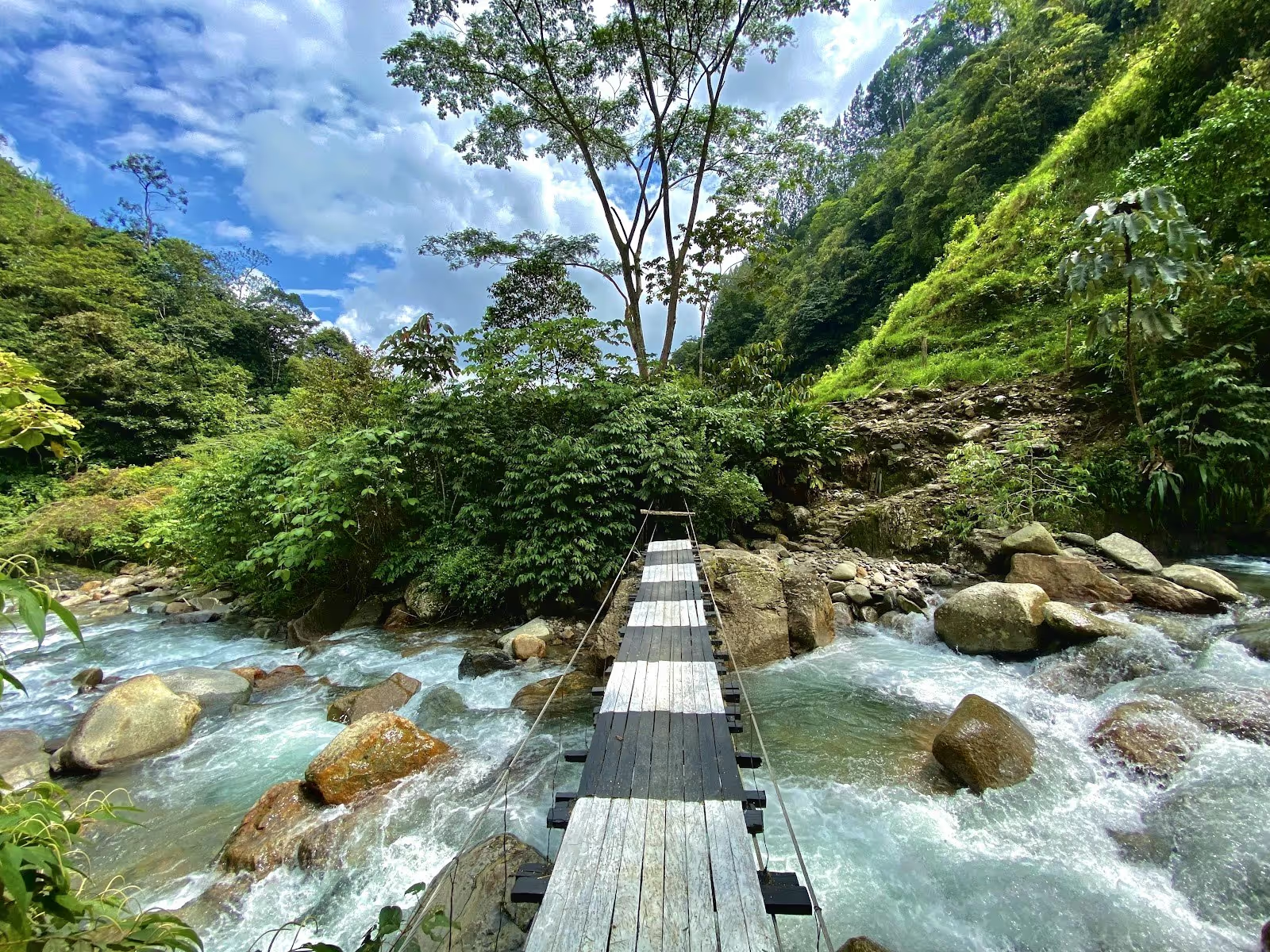
The access trail to the springs also passes a cascade on the Río Bedón, a viewpoint over Laguna Andulbio, and the Pozo del Deseos, a naturally cool freshwater pool. An Andean condor observation point is located earlier on the same route and forms part of the full-day itinerary most visitors follow. For those looking at hot springs in Colombia with a high-altitude volcanic character, San Juan is one of the most geologically distinctive options in the country and unlike any resort-format termal.
Location & Access
Getting to Termales de San Juan
Termales de San Juan is reached from Popayán, the capital of Cauca department, approximately 44 kilometres away by road. From Popayán, drivers take the main road toward La Plata in Huila, branching off toward the Puracé area at around Km 20. The route continues through paved road to the town of Puracé, then continues on an unpaved road to the Cabildo Indígena checkpoint where entry fees are paid and guides are assigned. The full drive from Popayán takes around one and a half hours depending on road conditions and vehicle type. A high-clearance vehicle or 4x4 is strongly recommended for the unpaved section, and sulfur deposits on the bodywork are common enough that operators advise washing the vehicle promptly after the visit.
Public transport and organised tours are both options. Buses from the Terminal de Transportes de Popayán run toward Coconuco, from where local jeeps and moto-taxis cover the final stretch to the park. For visitors not renting a vehicle, joining a guided day tour from Popayán is the most practical approach and includes transport, park entry, and an assigned guide. Tours typically depart early in the morning to allow time for condor observation earlier in the route before reaching the hot springs near Popayán.
Once at the Cabildo checkpoint, visitors pay entry and receive a guide from the indigenous community who accompanies the group for the entire visit. A short walk of roughly one kilometre through páramo terrain leads to the main spring area. The path is stone-paved and signposted in parts but involves uneven ground and can be slippery in wet weather. The full site visit typically takes one to two hours on foot among the pools and vents.
Suitability & Accessibility
Who Termales de San Juan Suits
Termales de San Juan suits travellers with an interest in volcanic landscapes, national parks, and high-altitude nature who are comfortable with the physical demands of walking at 3,400 metres and with the absence of bathing or resort facilities, as the site is a geothermal viewing area rather than a soaking complex. Children are permitted and the terrain is accessible to most healthy visitors, but the altitude and cold conditions require warm clothing and a slower pace than is usual at lower-elevation springs in Colombia. The unusual colour palette of the pools and the volcanic character of the landscape make this a strong destination for those who want something visually distinctive.
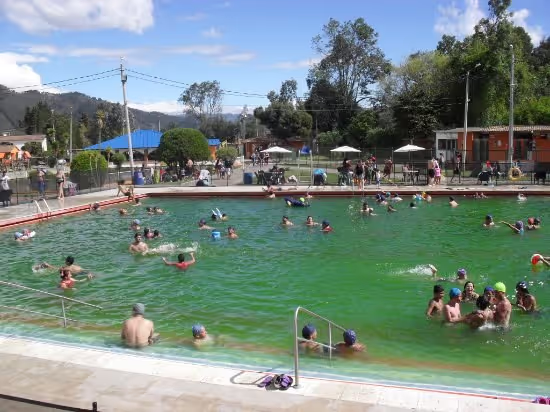
The experience is best framed as a national park visit rather than a thermal resort day. Visitors walk guided paths among active vents and colourful mineral pools, and the broader itinerary in the park also includes a condor observation point, a canyon viewpoint, and a freshwater pool. This suits those who like combining natural history with landscape and want more from a visit than poolside relaxation. Anyone seeking accessible hot springs in Colombia for soaking purposes will need to look at other options in the Cauca region, including the managed baths at Coconuco nearby.
The best time to visit is during the dry season from December to March, when conditions are more stable and the walk among the springs is less slippery. Afternoon cloud and rain can arrive quickly at this elevation, so an early start from Popayán is strongly recommended. Visitors with cardiac or respiratory conditions should note the altitude and consider consulting a doctor before planning a visit to a site that involves walking at 3,400 metres.
Safety & Etiquette
Termales de San Juan Safety Tips
Termales de San Juan requires mindful behaviour primarily because of the altitude, the volcanic gas emissions, and the temperature of the water in the pools. At 3,400 metres above sea level, the air is significantly thinner than at sea level, and walking on uneven terrain in cold conditions takes more energy than visitors expect. Keep your pace slow from the moment you arrive, take breaks on the walk, drink water consistently, and stop to rest if you feel short of breath, lightheaded, or have a headache. These are common altitude symptoms and usually ease with rest, but they can escalate into more serious altitude sickness if ignored. If symptoms worsen rather than improve, descend.
The geothermal vents and pools emit sulfurous gases. You will smell hydrogen sulfide before you reach the pools, and at higher concentrations near active vents, extended exposure can cause dizziness or nausea. Keep moving along the paths rather than standing stationary over vents for long periods. If you feel dizzy near a vent, move upwind and away from the feature immediately. The assigned guide will advise on safe distances and which areas to avoid. Follow the guide at all times and do not step off the marked paths, as the ground around some vents is unstable and can be very hot below the surface crust.
Bathing is not permitted in the San Juan pools. The water temperatures in most pools far exceed safe bathing temperature. Do not place hands or feet in the water to test it. The volcanic mineral content means some surfaces around the pools have a deceptive firm crust over soft or very hot material beneath. Stay on the boardwalk and stone paths at all times.
Bring a warm waterproof jacket and thermal layers regardless of the morning weather in Popayán. Conditions at 3,400 metres can change quickly and the wind on the exposed páramo is cold even in sunshine. Wet ground and stone paths can be slippery, so wear footwear with a firm grip sole. If any member of your group shows signs of respiratory distress or severe altitude symptoms at any point, the guide can assist with descent to a lower elevation. Have emergency contact details saved offline and bring cash for all fees as connectivity in the park is limited.