
Quick FactsOverview
About Termas de Piratuba
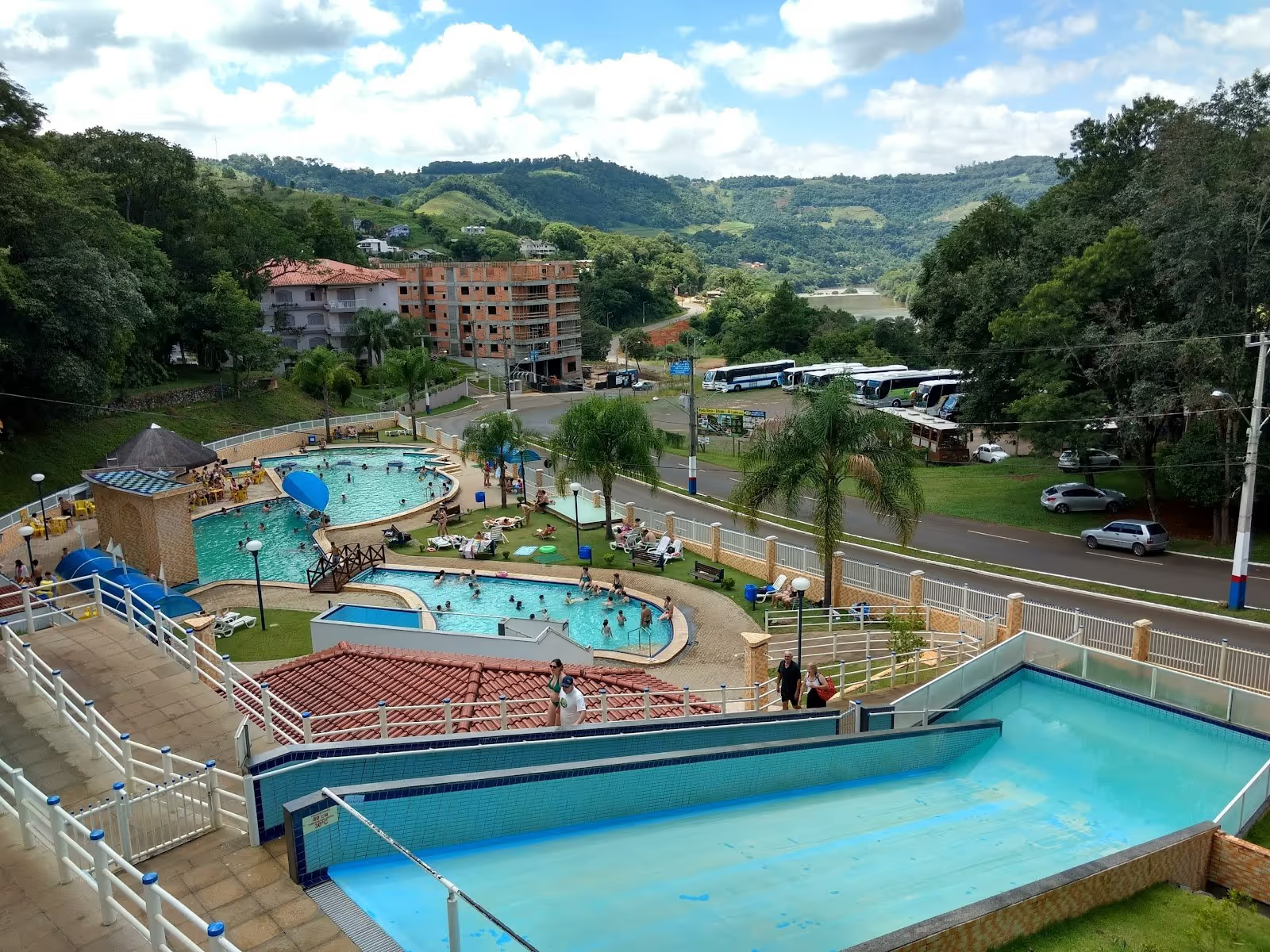
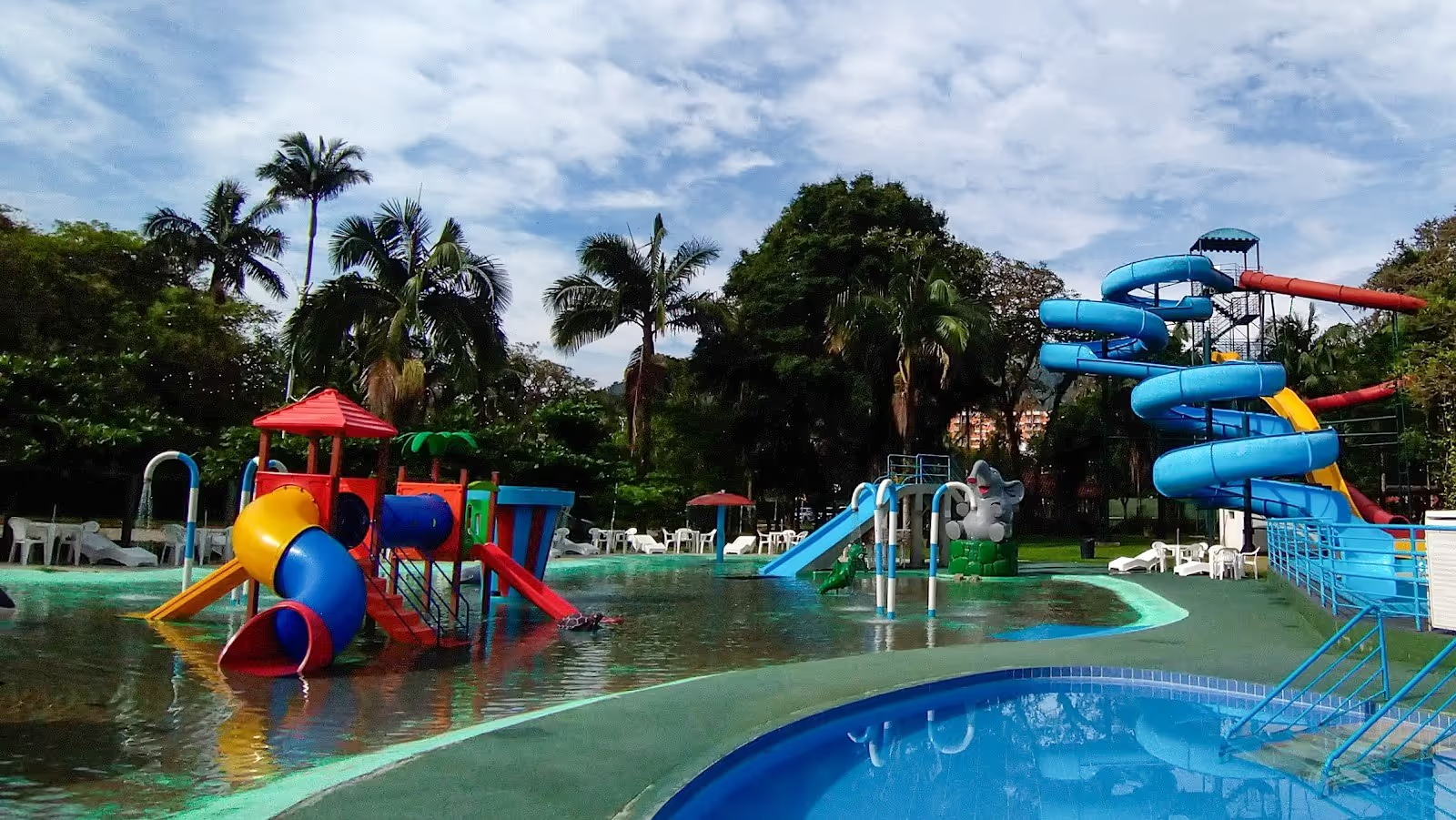
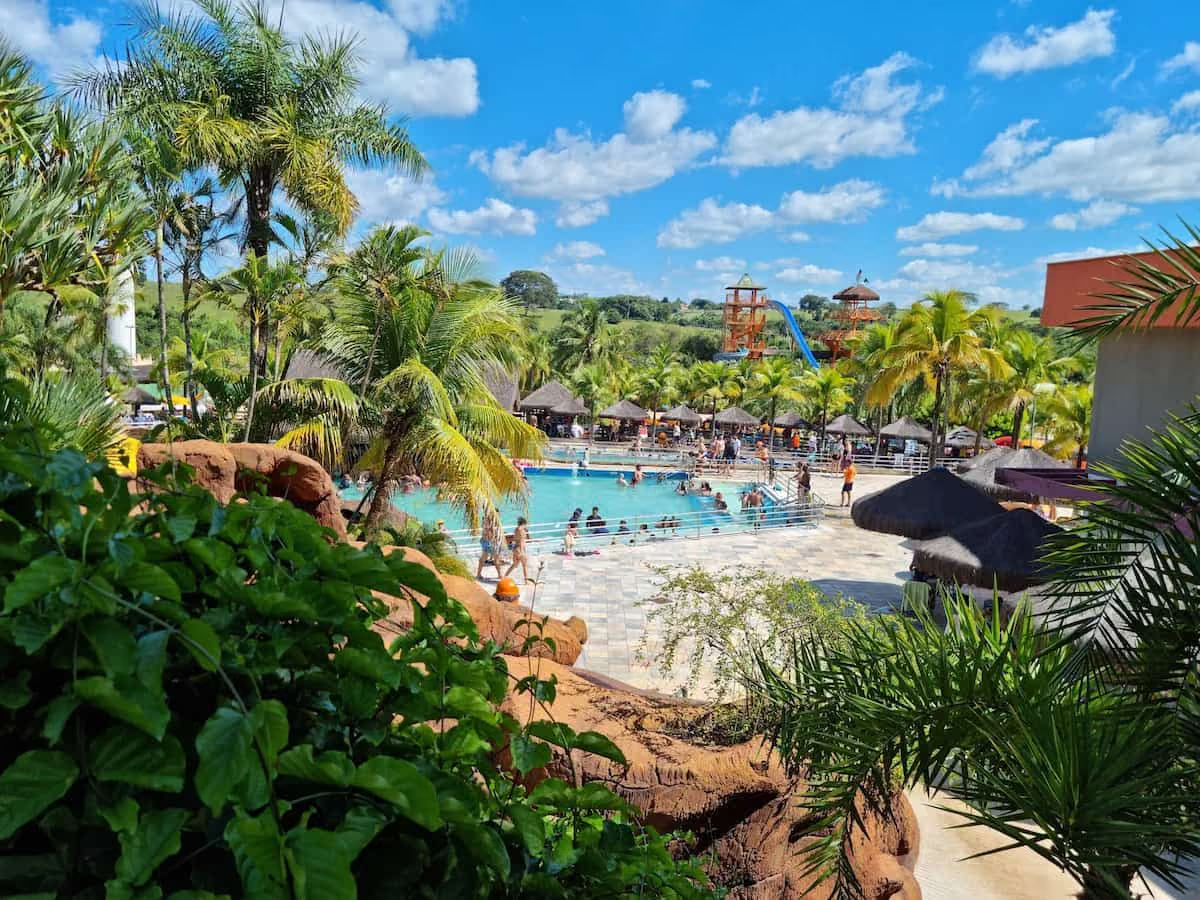
Termas de Piratuba, Brazil is a public thermal water park at Avenida Dezoito de Fevereiro 2455 in Piratuba, Santa Catarina, operated by the Companhia Hidromineral de Piratuba. The park draws naturally sulfurous water from a well at approximately 674 metres depth, rising to the surface at around 38 degrees Celsius year-round without artificial heating. Two pool complexes with indoor and outdoor pools, waterslides, hydromassage baths, and camping areas are available. Entry is paid by the day and the park is open daily.
Piratuba is a small municipality of approximately 5,000 inhabitants situated on the banks of the Rio do Peixe in western Santa Catarina, near the border with Rio Grande do Sul. The town is the main thermal tourism destination in western Santa Catarina and receives over 450,000 visitors per year. The thermal spring was discovered in 1964 during Petrobras oil exploration drilling, and the Companhia Hidromineral was established by state decree in 1975 to manage the resource.
The park is divided into two complexes connected by a shaded boulevard with a playground and rest areas between them. Each complex has its own pools, restaurants, changing rooms, and facilities. The Brazilian term termas describes thermal water facilities, and Piratuba is one of the longest-established termas destinations in the south of Brazil, drawing visitors primarily from Santa Catarina, Rio Grande do Sul, and Parana.
Location & Access
Getting to Termas de Piratuba
Termas de Piratuba is located at Avenida Dezoito de Fevereiro 2455 in the balneario district of Piratuba, Santa Catarina. From Concordia the drive follows the BR-150 and SC-461, a distance of approximately 50 kilometres. From Joaçaba the distance is around 70 kilometres via the SC-390. From Florianopolis the drive is approximately 450 kilometres. For those searching for termas near Concordia or thermal pools in western Santa Catarina, Piratuba is the primary dedicated thermal destination in the region.
The nearest commercial airport is Chapeco Airport, approximately 130 kilometres away, which operates regular flights to and from major Brazilian cities. Visitors flying in should arrange a hire car or transfer. The town also has a bus terminal with connections to regional centres, within 500 metres of the park. Free parking is available at the park entrance.
The park is open daily from 8am to 6pm in winter and 8am to 7pm in summer. A day passport ticket gives access to both pool complexes and visitors can move between them freely with their wristband throughout the day. Camping areas within the park grounds are available for overnight visitors. Current admission prices and camping fees should be confirmed on the official Termas Piratuba website before visiting, as these are subject to seasonal adjustment.
Suitability & Accessibility
Suitability at Termas de Piratuba
Termas de Piratuba suits families, couples, and visitors of all ages looking for a relaxed day in naturally heated thermal pools without a resort booking, as the park is a public facility operated by the municipality with an affordable day pass giving all-day access to both pool complexes. The thermal water ranges from warm to cooler temperatures across different pools, making it suitable for visitors with varying preferences. The park is particularly well suited to families with children, given the waterslides, children play areas, and the boulevard and playground space between the two complexes.
The park is also an option for visitors seeking termas in western Santa Catarina on a more modest budget, as the day entry fee is among the more affordable thermal park admissions in southern Brazil. Camping within the park grounds allows multi-day stays at low cost. A covered pool area provides shelter from rain or sun, extending practical use across all seasons and making winter visits comfortable.
Wheelchair accessibility at the park itself is not specifically documented in available sources. Visitors with mobility requirements should contact the Companhia Hidromineral de Piratuba directly before visiting to confirm what facilities and pool access are available. The park has restaurants, changing rooms, lockers, and other standard facilities on site. Visitors should bring their own towels and appropriate swimwear, as these are not available for hire at the park.
Safety & Etiquette
Termas de Piratuba Safety Tips
Termas de Piratuba is generally safe to visit, as it is a well-maintained public park with lifeguards on duty, standard pool safety signage, and organised facilities across both complexes. The sulfurous thermal water reaches the surface naturally at approximately 38 degrees Celsius, which is a comfortable soaking temperature for most visitors. Children should be supervised by an adult in all pool areas and on waterslides, where height and age restrictions apply.
The sulfurous mineral water at Piratuba has a distinctive smell which is characteristic of hydrogen sulfide content and is normal for this type of spring. The smell typically dissipates once visitors are in the pools. Visitors with respiratory sensitivities or skin conditions should seek medical advice before soaking in sulfurous thermal water. Visitors with medical conditions including heart disease, high blood pressure, or circulation problems should also seek medical advice before soaking. Pregnant visitors should consult a healthcare professional.
The park is an outdoor and semi-covered facility and sun exposure during peak hours can be significant in summer. Sunscreen should be applied before entering, staying hydrated throughout the day is important, and the covered pool area provides a useful option during intense sun or rain. Personal valuables should be secured in a locker at the park.
The former requirement for a medical examination certificate to enter the park is no longer in place as of recent information. Entry is now via a day passport wristband. Visitors should confirm current opening hours, entry fees, and any updated rules on the official Termas Piratuba website before travelling, as these are subject to change seasonally.