Quick FactsOverview
Yoncali Thermal Springs, Turkey is a paid thermal spring destination in the village of Yoncali, roughly 16 kilometres west of the city of Kutahya in western Anatolia. The complex pairs a 13th century Seljuk bathhouse heritage with a modern physical therapy hospital and a cluster of thermal hotels, all drawing from the same mineral source. It is one of the oldest documented hot springs near Kutahya and has been in continuous bathing use for close to 800 years.
About the Yoncali Thermal Springs
The site, known locally as Yoncali Kaplicalari, traces its first bathhouse to 1233, when Sultan Alaaddin Keykubat I of the Seljuks is said to have ordered a hamam and mosque built after his daughter Gulumser Hatun was healed by the water. Yoncali remained a Seljuk and Ottoman bathing stop for centuries, and the destination was institutionalised in the Republican era with the opening of a 200-bed Physical Therapy and Rehabilitation Hospital on site in 1991.
Water and Minerals
Published figures put the source water at around 40 degrees Celsius, a comfortable bathing range that does not need heavy tempering before it reaches guest pools. The water is a classic mineral termal source long used in the physical therapy programmes run from the on-site hospital and the hamam service at the hotels, with recognised indications for joint and muscle conditions.
Location & Access
The Yoncali Thermal Springs are reached by driving roughly 16 kilometres west from Kutahya city centre on sealed regional roads, with the thermal village sitting directly off the main road. No hike is required: the historic bathhouse, the physical therapy hospital and the modern thermal hotels all cluster together in the small Yoncali settlement, each with its own entrance and parking.
Getting to the Yoncali Thermal Springs
Most visitors drive from Kutahya, Eskisehir or Istanbul. Zafer Airport in Afyonkarahisar sits about 90 kilometres away by road, and Eskisehir is roughly 100 kilometres to the northeast with frequent intercity bus and rail service to Kutahya. From the Kutahya otogar, local dolmus services cover the short final leg out to the Yoncali thermal cluster. For travellers heading into inland western Anatolia on a cure trip, Yoncali is probably the most historically layered of the hot springs near Kutahya and is easy to pair with the city's famous tile and ceramic workshops.
Orientation at the Thermal Complex
The 13th century bathhouse and the Keykubat-era mosque sit at the heart of the Yoncali village, with the Physical Therapy and Rehabilitation Hospital and the thermal hotels on the surrounding streets. Walking between properties is straightforward on the village roads. The small centre has restaurants and tea gardens for guests on multi-day cure stays.
Suitability & Accessibility
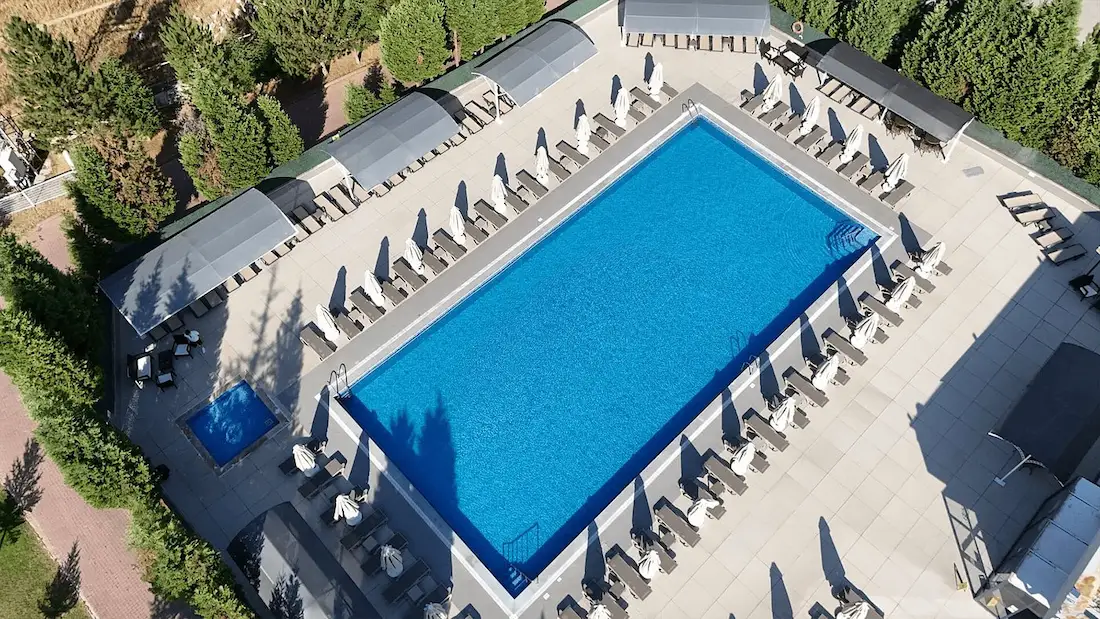
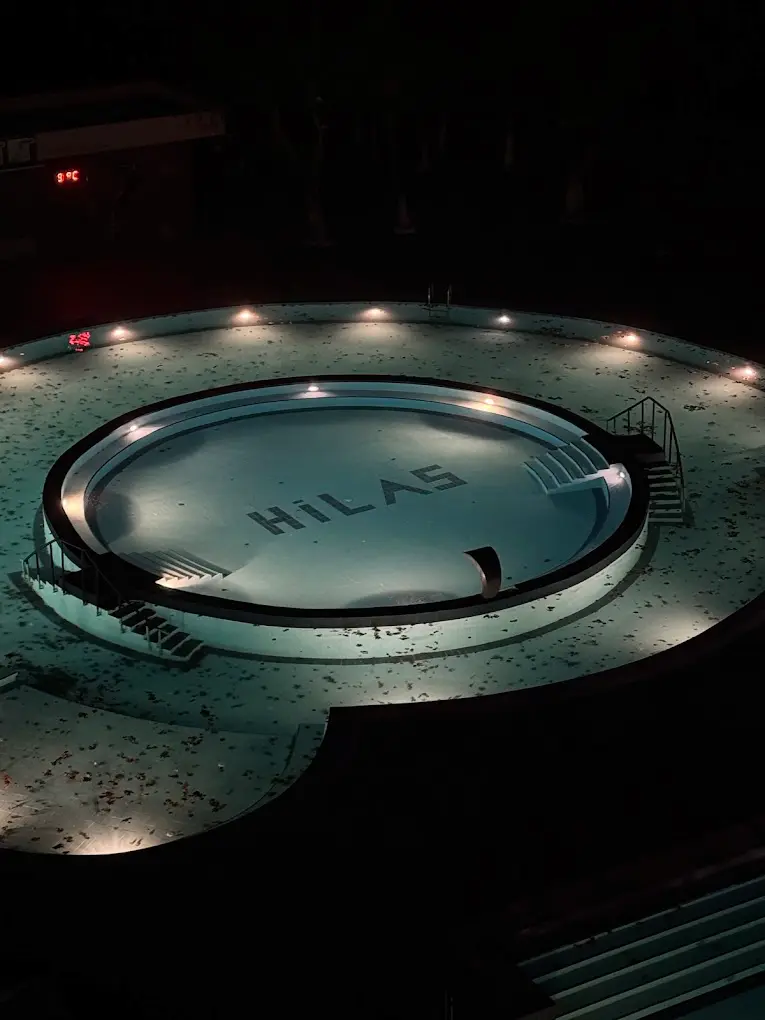
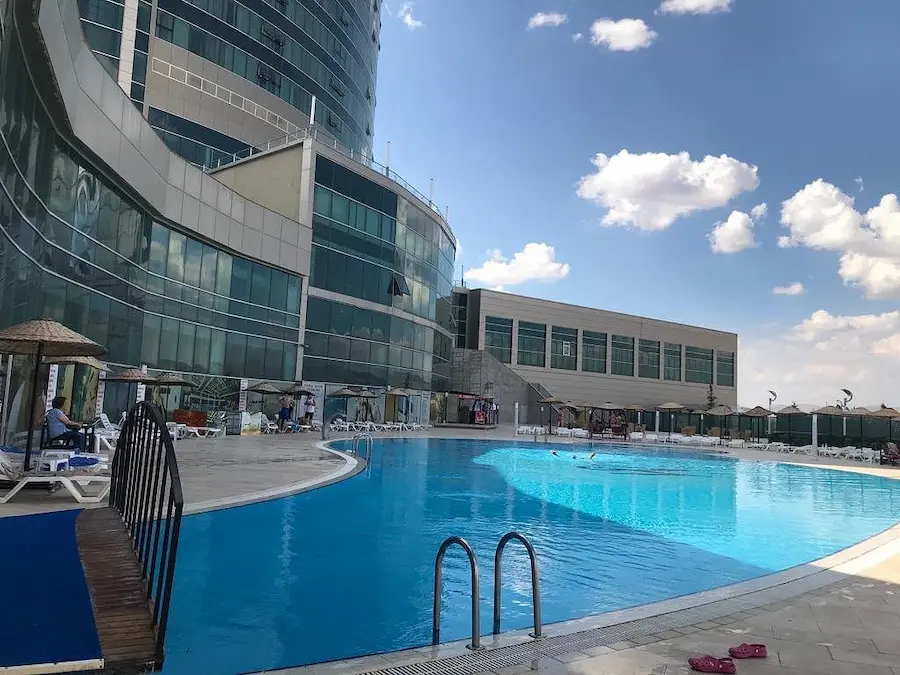
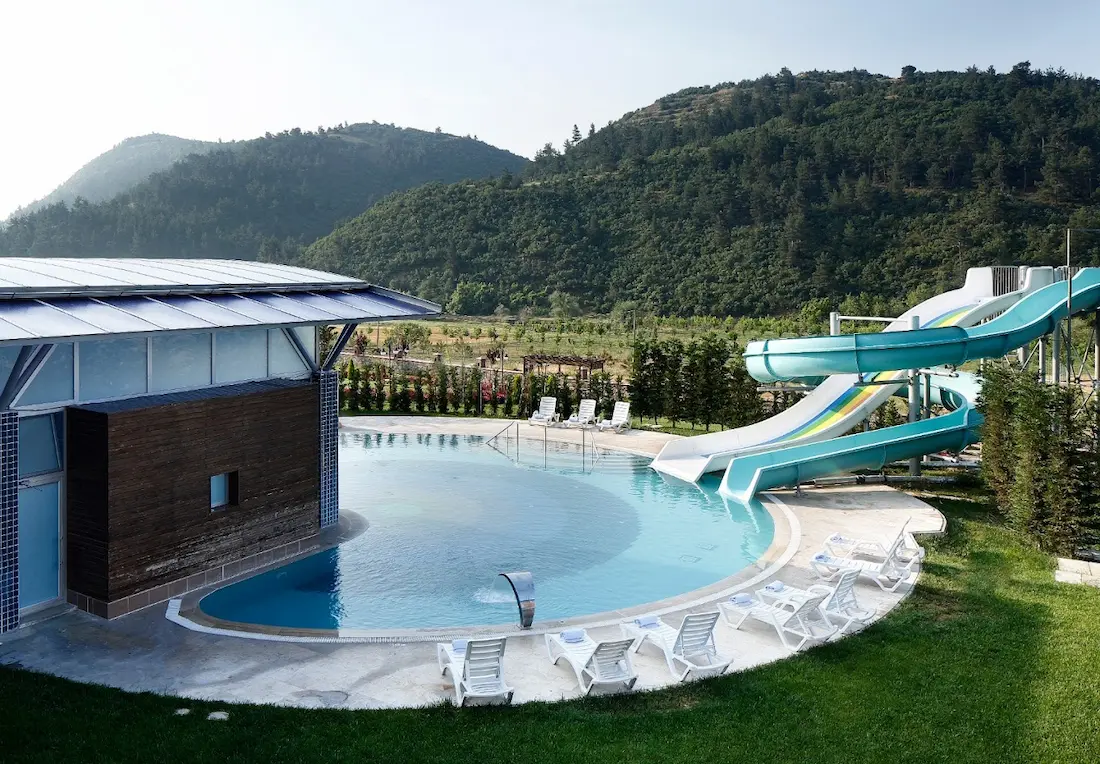
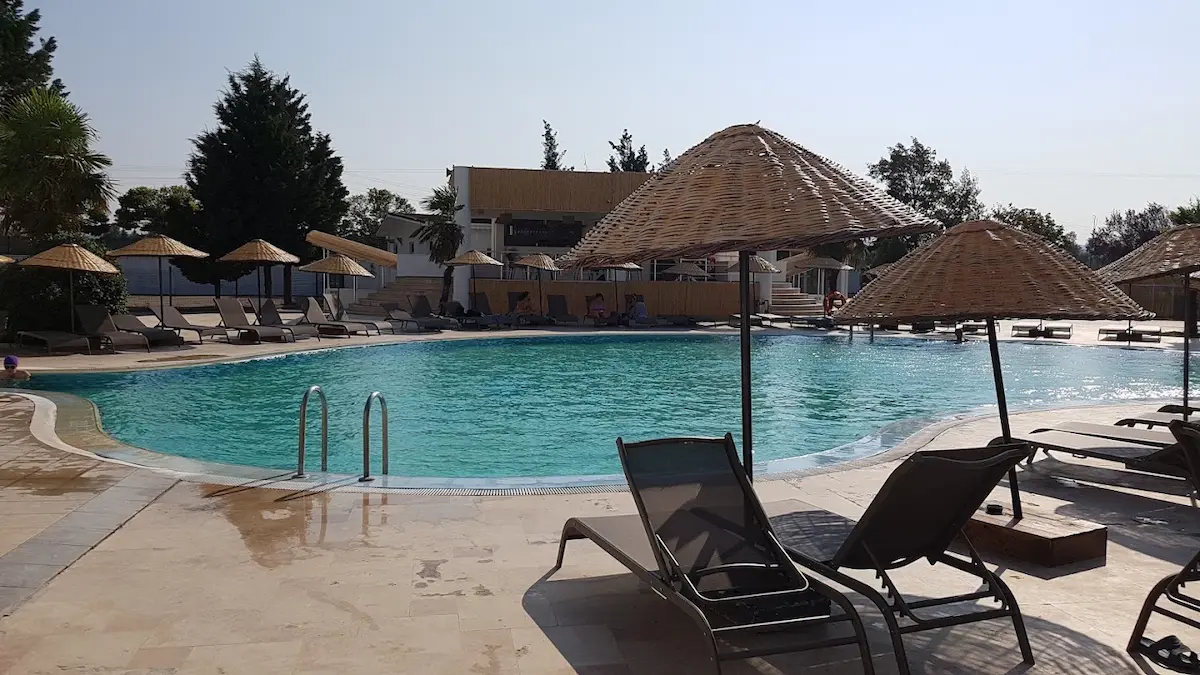
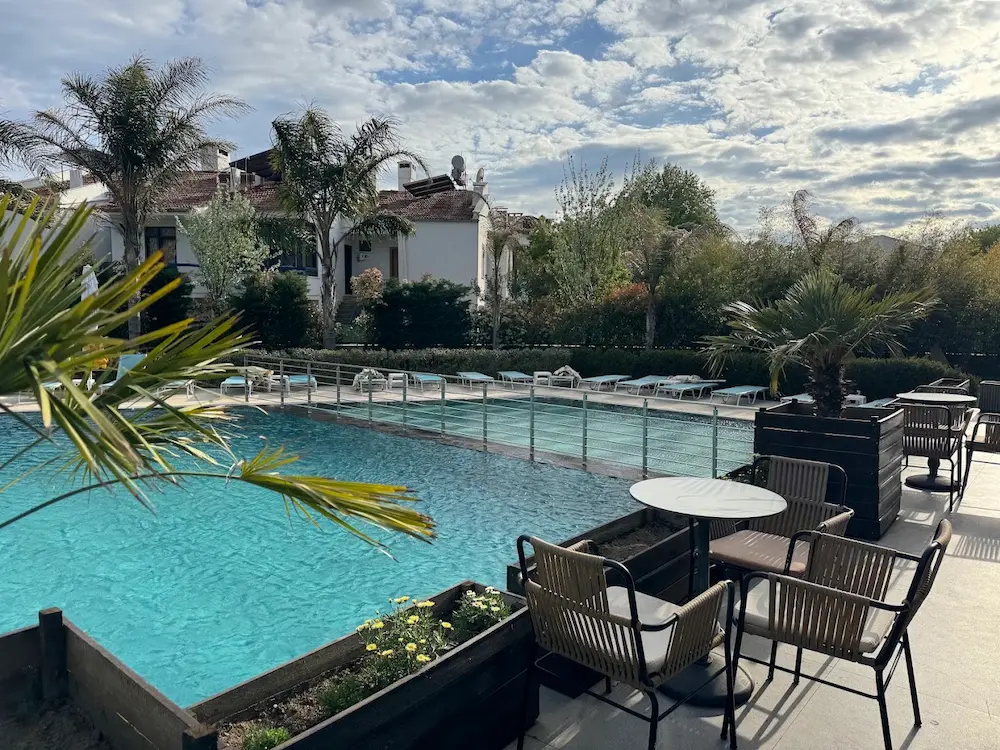
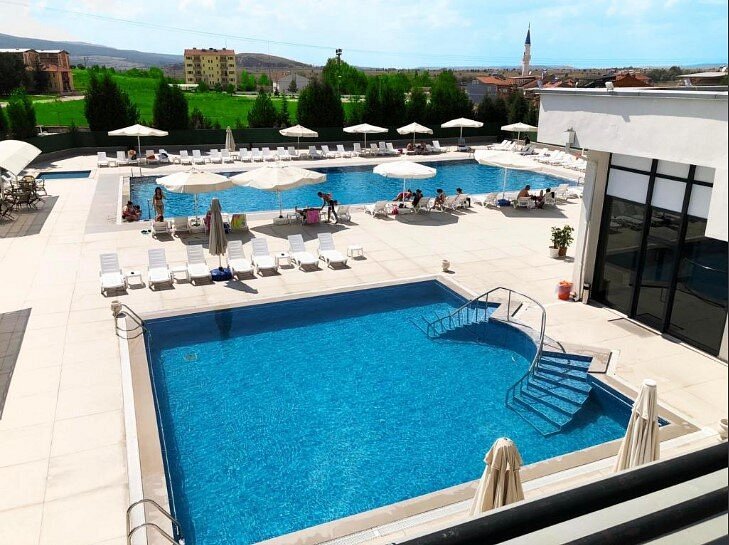
The Yoncali Thermal Springs suit a broad range of visitors, from couples and older guests on a multi-day treatment stay to families with children, because the thermal village combines a modern physical therapy hospital with hotel pools and the historic hamam that gives the spring its name. The medical side of the operation attracts a steady stream of guests under physiotherapist supervision, while the hotel side runs on the usual Turkish cure model.
Who the Yoncali Complex Suits
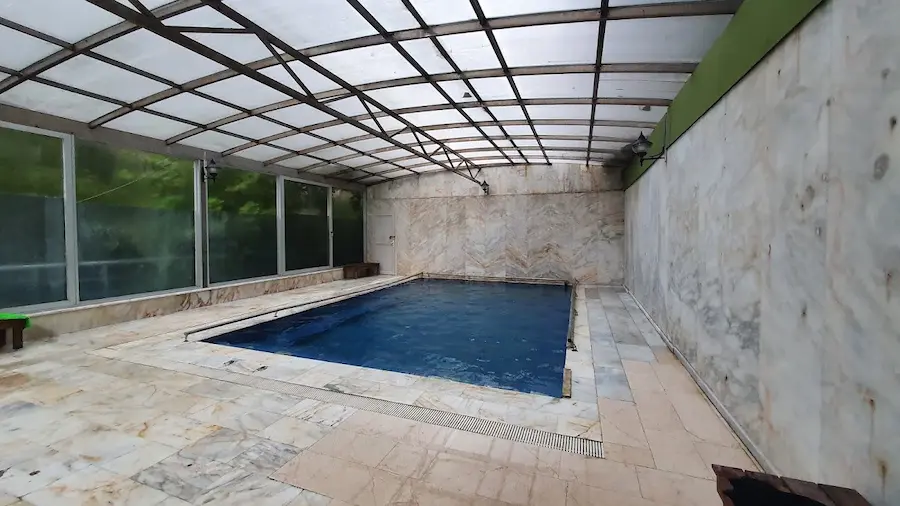
Guests recovering from joint, muscle or neurological conditions are the natural fit for the Yoncali physical therapy programme, and the on-site hospital accepts both inpatient and outpatient stays. For families searching for family hot springs near kutahya with proper hotel service rather than a medical visit, the surrounding thermal hotels offer family rooms, indoor pools and buffet dining. The historic hamam itself runs on the classic Turkish bath model with separate hours or sections for men and women, and is best suited to adults who are comfortable with communal bathing.
Accessibility
The Physical Therapy and Rehabilitation Hospital is designed around accessible treatment, with lift access to the treatment pools and step-free pathways in the main hospital block. The historic 13th century hamam next door has stone floors, raised sills and narrow doorways typical of its period. Visitors with limited mobility should contact a specific hotel or the hospital in advance, since conditions vary across the complex and across other hot springs in Turkey.
Safety & Etiquette
The Yoncali Thermal Springs are generally safe to visit, with source temperatures of around 40 degrees Celsius that sit in a comfortable bathing range for most adults. Even so, warm thermal water raises blood pressure and can bring on dizziness quickly for anyone unused to it, and single soaks should stay within the time each facility recommends. The on-site physical therapy hospital runs treatment under physiotherapist supervision for guests on a prescribed programme.
Yoncali Thermal Springs Safety Tips
Enter the pool slowly and give the body a minute to adjust before fully submerging. Alternate soaks with cool rest periods, especially over a multi-day cure, and drink plenty of water between sessions. Anyone with a heart condition, uncontrolled high blood pressure or who is pregnant should consult a doctor before using thermal water at this temperature. Guests on the hospital programme should follow the physiotherapist's advice on session length and water contact.
Etiquette at the Hamam and Hotels
Hotel pools follow modern swimwear rules and a swimsuit is required. The historic hamam follows traditional Turkish bath etiquette: wear the peshtemal towel provided, wash at the individual basins before entering any shared pool, and keep soap and shampoo out of the pool itself. Men and women use separate hours or separate sections for the hamam side, and children accompany the parent of the same sex. The hospital pools follow their own clinical rules under the therapist on duty.
Weather and Season
Kutahya sits in the western Anatolian highlands at roughly 1,000 metres, with cold winters, snow and warm dry summers. The complex runs year-round and is busiest in autumn and winter. Local roads can ice over, so check conditions.