India
india
Asia
asia

Updated October 10, 2026

Hot springs in India

India's hot springs are sacred pilgrimage sites, geothermal pools woven into Hindu, Sikh, Buddhist, and Jain worship across the Himalayas and the plains.
Most are temple-side bathing pools with free or nominal entry, some reached by a Himalayan trek, so expect worship and crowds alongside the water.

Map of hot springs in India

India's hot springs are sacred pilgrimage sites, and at least 5 of them sit in this directory, most tied to a temple or shrine. Manikaran Hot Springs feed a Sikh Gurudwara and Hindu temples in the Parvati Valley, while the free Rajgir Brahmakund in Bihar is revered by Hindus, Buddhists, and Jains alike. 2 of the 5 listed here are free to reach. Temple-side kunds, not resorts, define the country.

Where India's hot springs cluster

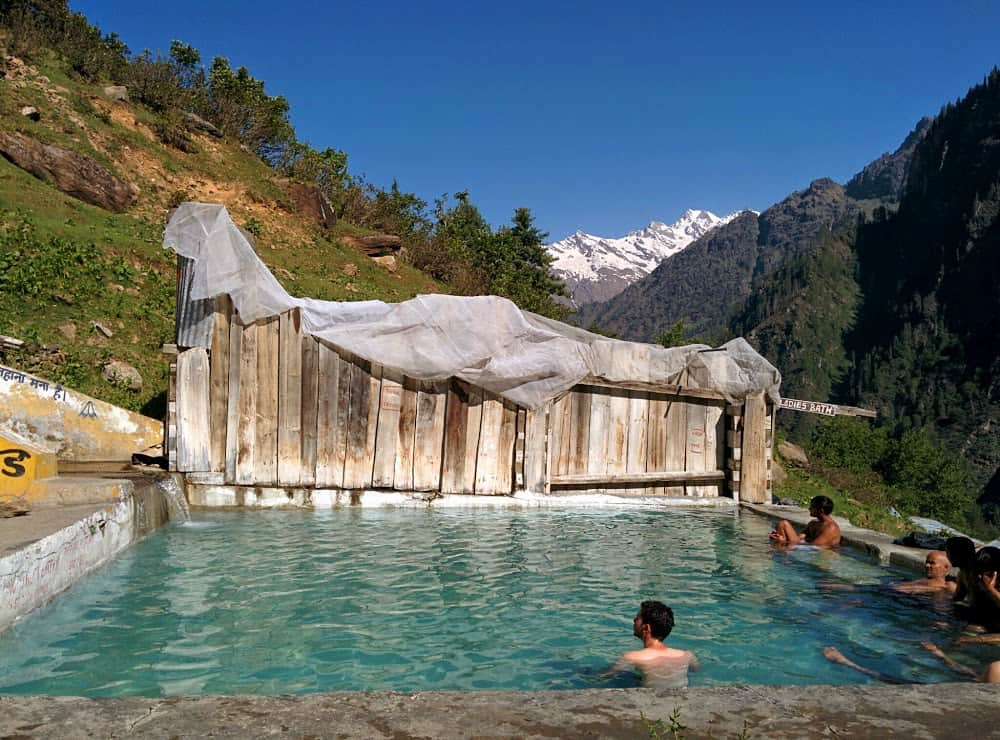
The Himalayas of Himachal Pradesh hold the country's best-known mountain springs, strung through the Parvati Valley and around Manali. The pilgrimage town of Manikaran Hot Springs pairs its boiling springs with a Gurudwara langar and temples, the free Vashisht Hot Springs fills enclosed baths inside an ancient temple compound near Manali, and the wild Kheer Ganga Hot Spring rewards a 12-kilometre mountain trek to a bathing pool high at 2,960 metres. Three of the directory's Indian springs cluster across these mountains, where pilgrims and trekkers share pools that locals have bathed in for generations, often beside temples and gurdwaras.

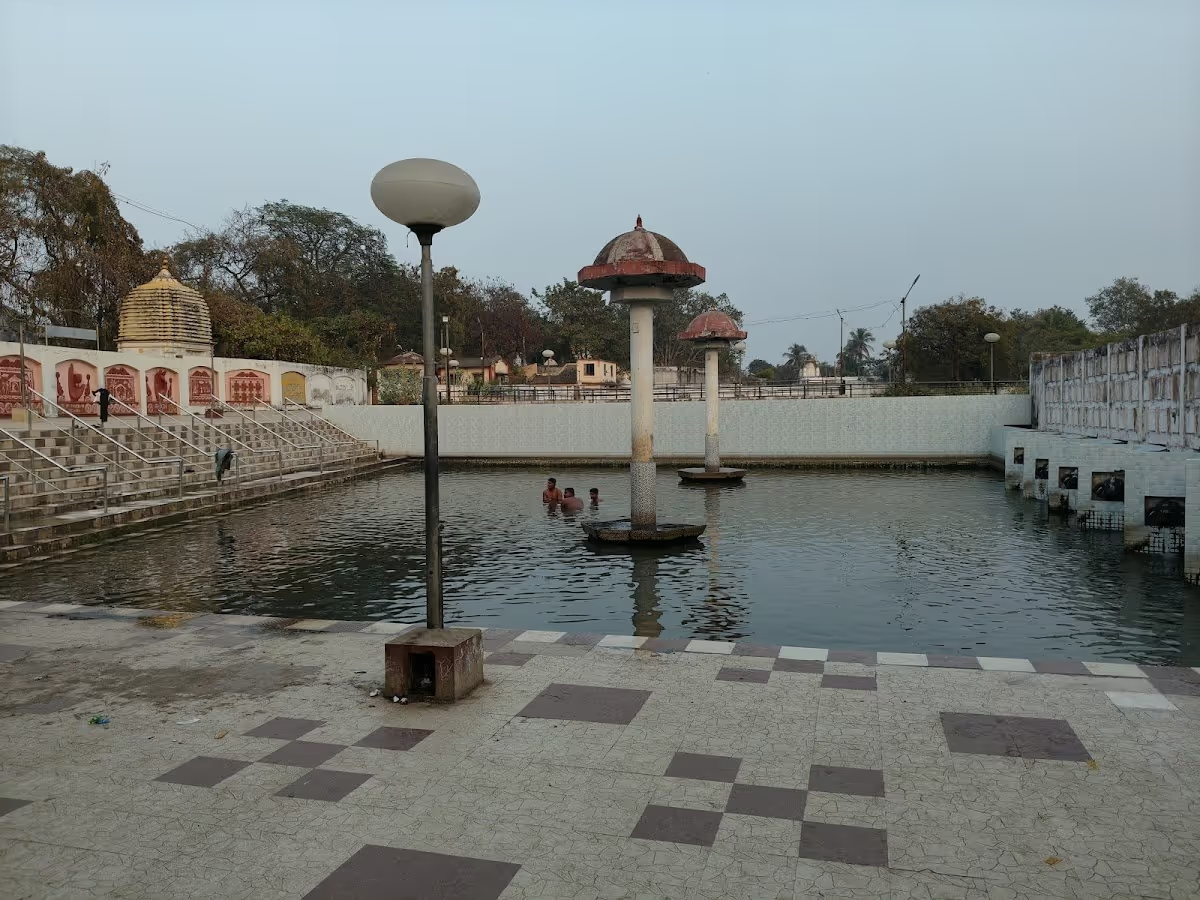
The eastern plains of Bihar and West Bengal hold sacred spring complexes on the pilgrimage circuit. The free Rajgir Hot Springs (Brahmakund) channels seven geothermal streams into the Brahmakund and surrounding tanks, which are holy to three faiths, while Bakreshwar Hot Spring sends eight springs from 35 to 66 degrees Celsius past a revered Shakti Pitha temple in Birbhum. Two of the listed Indian springs sit across this eastern region, both bound to major temples and drawing pilgrims who bathe in the kunds as an act of worship and healing.

What makes India's hot springs different

Indian hot springs are first of all sacred, geothermal water drawn into the worship of Hindus, Sikhs, Buddhists, and Jains rather than built into spa resorts. Bathers share the pools with pilgrims at temple tanks called kunds, and many sites run free or ask just a nominal fee, unlike the resort baths of other countries. 2 of the 5 springs listed in this directory are free. Water at Manikaran reaches the boiling point at its source. These sit within the wider hot springs in Asia.

Frequently Asked Questions

1
How many hot springs are in India?
At least 5 hot springs in India are listed in this directory, split between the Himalayas and the eastern plains. Others exist beyond this directory across the country. A good starting point is Manikaran Hot Springs in the Parvati Valley. 2 of them are free to reach.
2
What is the best hot spring in India?
Manikaran Hot Springs in Himachal Pradesh is among the most visited, a Parvati Valley pilgrimage town where boiling springs feed a Sikh Gurudwara and Hindu temples. For a sacred soak, Rajgir Hot Springs (Brahmakund) in Bihar is free. Both rank among the 5 springs listed here.
3
Are there free hot springs in India?
Yes, 2 of the 5 hot springs listed here are free to reach, both temple sites. They are Vashisht Hot Springs near Manali, with baths inside a temple compound, and the sacred Rajgir Hot Springs (Brahmakund) in Bihar. The other 3 charge a nominal fee at most.
4
Why are India's hot springs sacred?
Many Indian hot springs sit at temples and shrines, their geothermal water seen as purifying. The Rajgir Hot Springs (Brahmakund) is revered by Hindus, Buddhists, and Jains, while Bakreshwar Hot Spring adjoins a Shakti Pitha temple. Of the 5 springs listed here, most double as places of worship.
5
What should I know before visiting India's hot springs?
Two things. These are active places of worship, so dress modestly and follow temple rules at sites like Manikaran Hot Springs, where separate baths serve men and women. The wild Kheer Ganga Hot Spring needs a 12-kilometre trek. Of the 5 springs listed here, 2 are free.