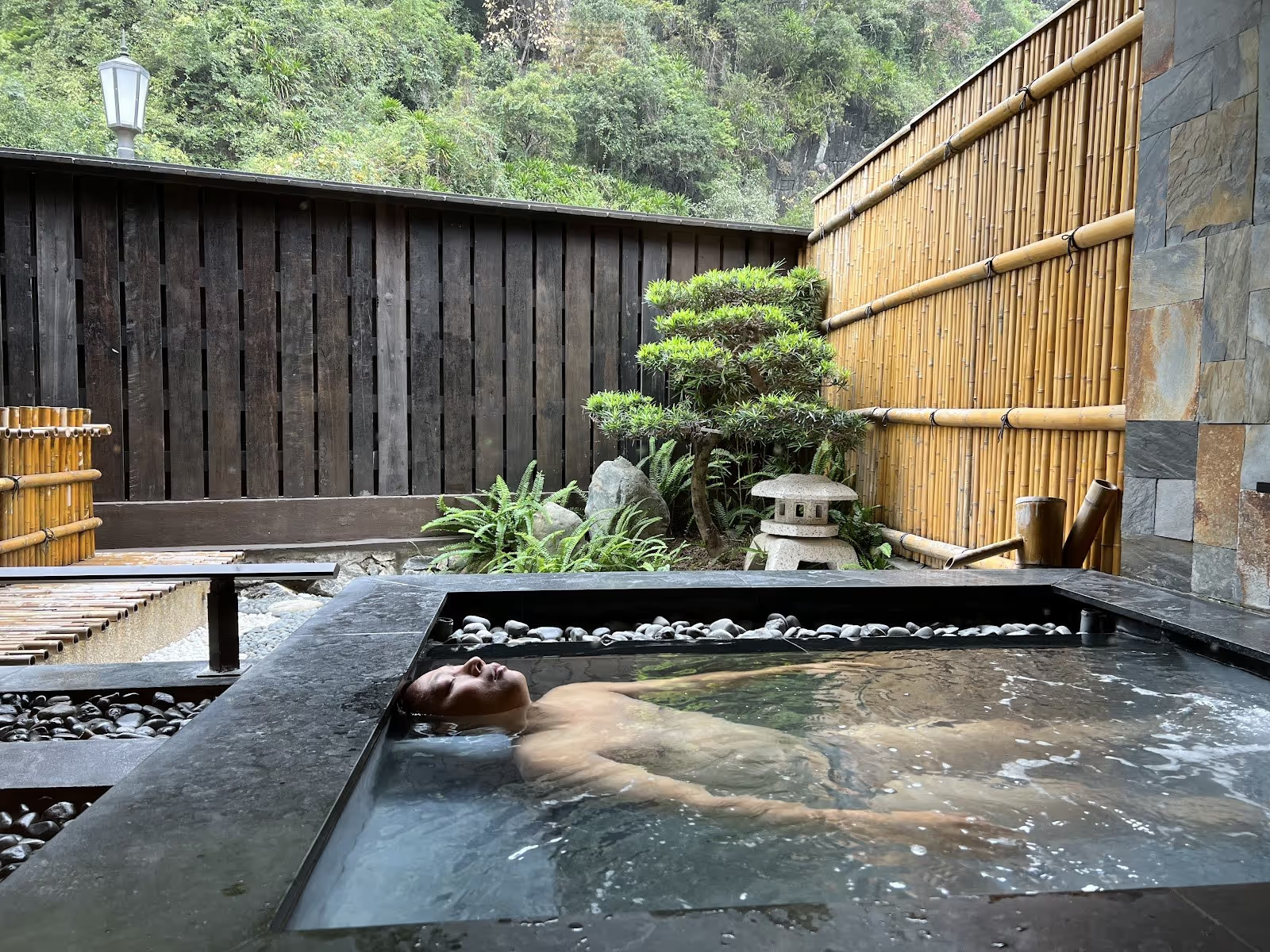
Vietnam's hot springs documented here number 11 developed sites, 7 private resorts and 4 public parks rather than wild soaking spots. They run from the northern provinces around Hanoi down the coast to the far south. Every one charges a fee, so no free option exists among them. Yoko Onsen near Ha Long and Minera Binh Chau are the best known, both drawing on water Vietnamese call suoi nuoc nong (suối nước nóng).
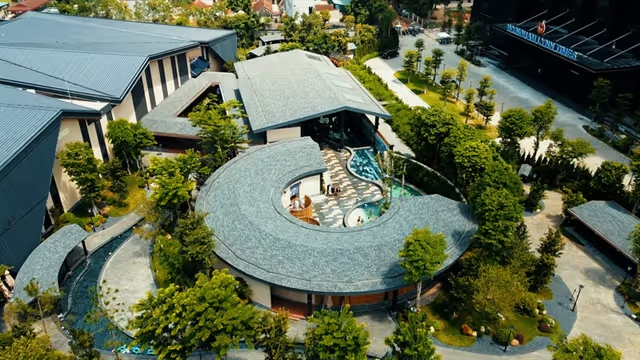
Northern Vietnam holds 6 of the 11 sites listed here, spread through the provinces around Hanoi and out to the coast. Yoko Onsen Quang Hanh near Ha Long Bay, recorded as Vietnam's first Japanese onsen resort, runs 25 pools and jar baths. Serena Resort Kim Boi on the Boi River and Thanh Thuy Hot Spring in Phu Tho add more mineral pools within a two-hour drive of the capital.
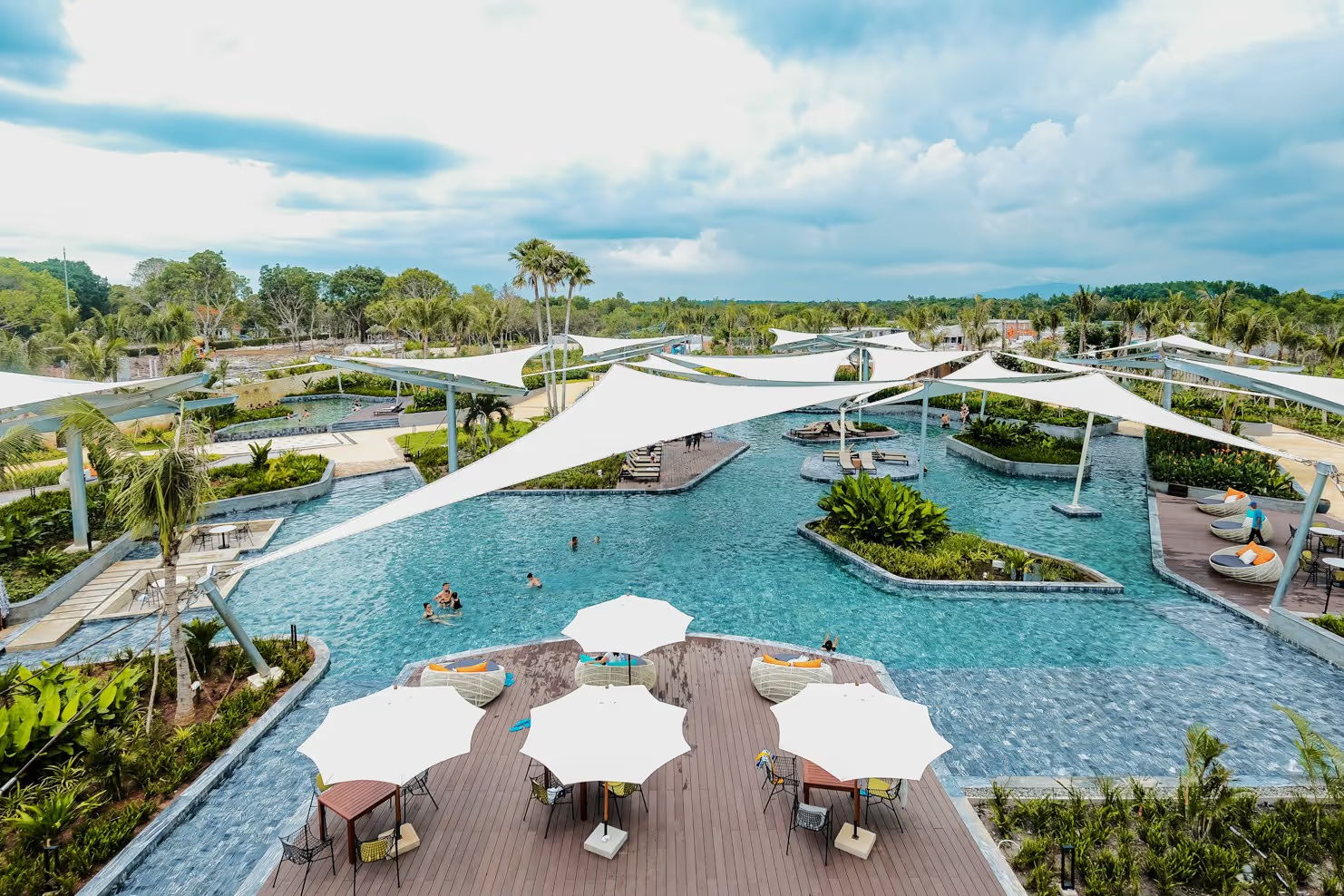
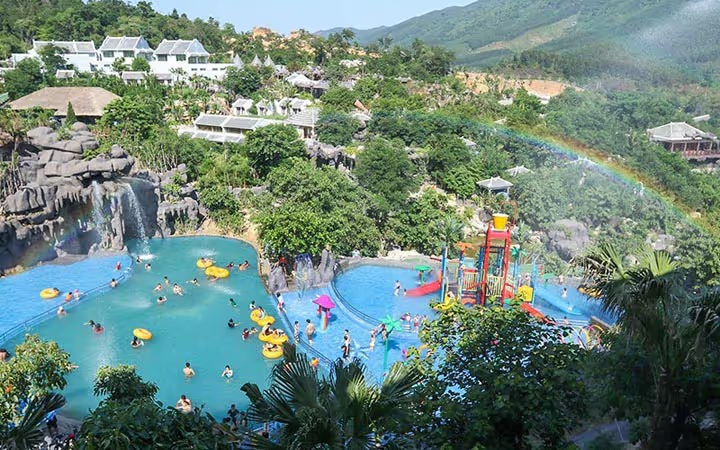
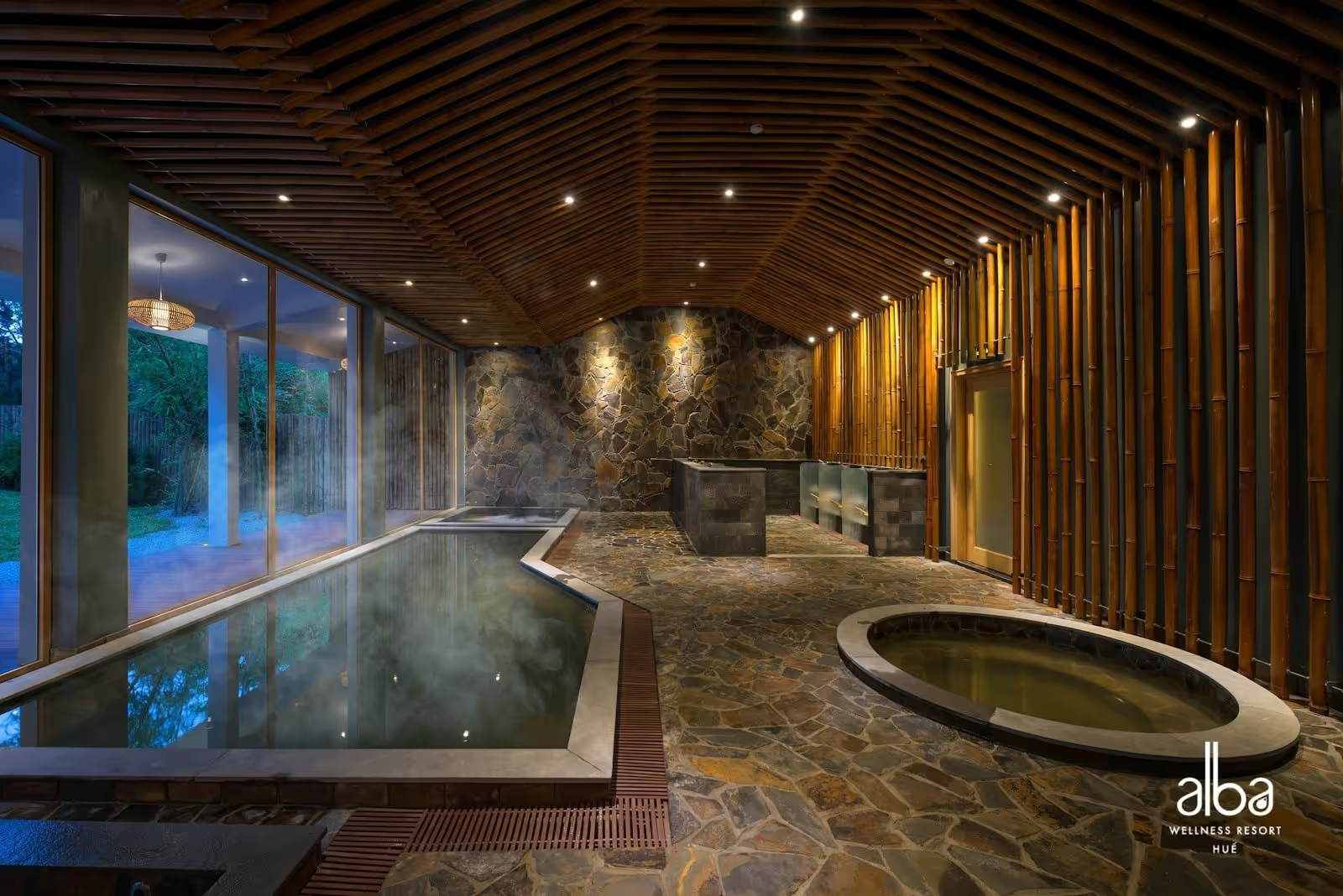
Central Vietnam adds three resorts along the old imperial coast. Alba Wellness Valley by Fusion sits on 50 forested hectares near Hue with a Japanese onsen, and Bang Spa in Quang Binh is built on what is recorded as the country's hottest mineral source. Nui Than Tai Hot Springs Park near Da Nang pairs mineral baths with a water park inside a nature reserve.
The south holds two more sites near the coast. I-Resort Hot Mineral Springs Nha Trang is known for public mineral mud baths a short drive from the city, and Minera Hot Springs Binh Chau, about two hours from Ho Chi Minh City, offers a Japanese onsen cave and more than thirty mineral bath services in a forest park.
Vietnamese hot springs lean strongly toward built resorts, and a Japanese onsen influence runs through many of them. Every suoi nuoc nong listed here is a managed site with mineral pools, mud baths, and set hours, so soaking is a booked day trip or overnight stay rather than a wild dip. All 11 sites listed here welcome families, though none is free, and the 7 resorts tend to bundle pools with lodging while the 4 public parks sell day tickets. See how it compares with other hot springs in Asia.