Quick FactsOverview
About Arizona Hot Springs
Arizona Hot Springs, Arizona, also known as Ringbolt Hot Springs, is a series of geothermal soaking pools set inside a narrow, colorful slot canyon on the Arizona side of the Colorado River, within Lake Mead National Recreation Area approximately 40 miles from Las Vegas. The pools are reached by a moderate 5.8-mile loop hike from a trailhead on US Highway 93 and require a $25 per vehicle NPS entrance fee. The trail and pools are closed from May 15 through September 30 due to extreme heat. Clothing is optional at the springs.
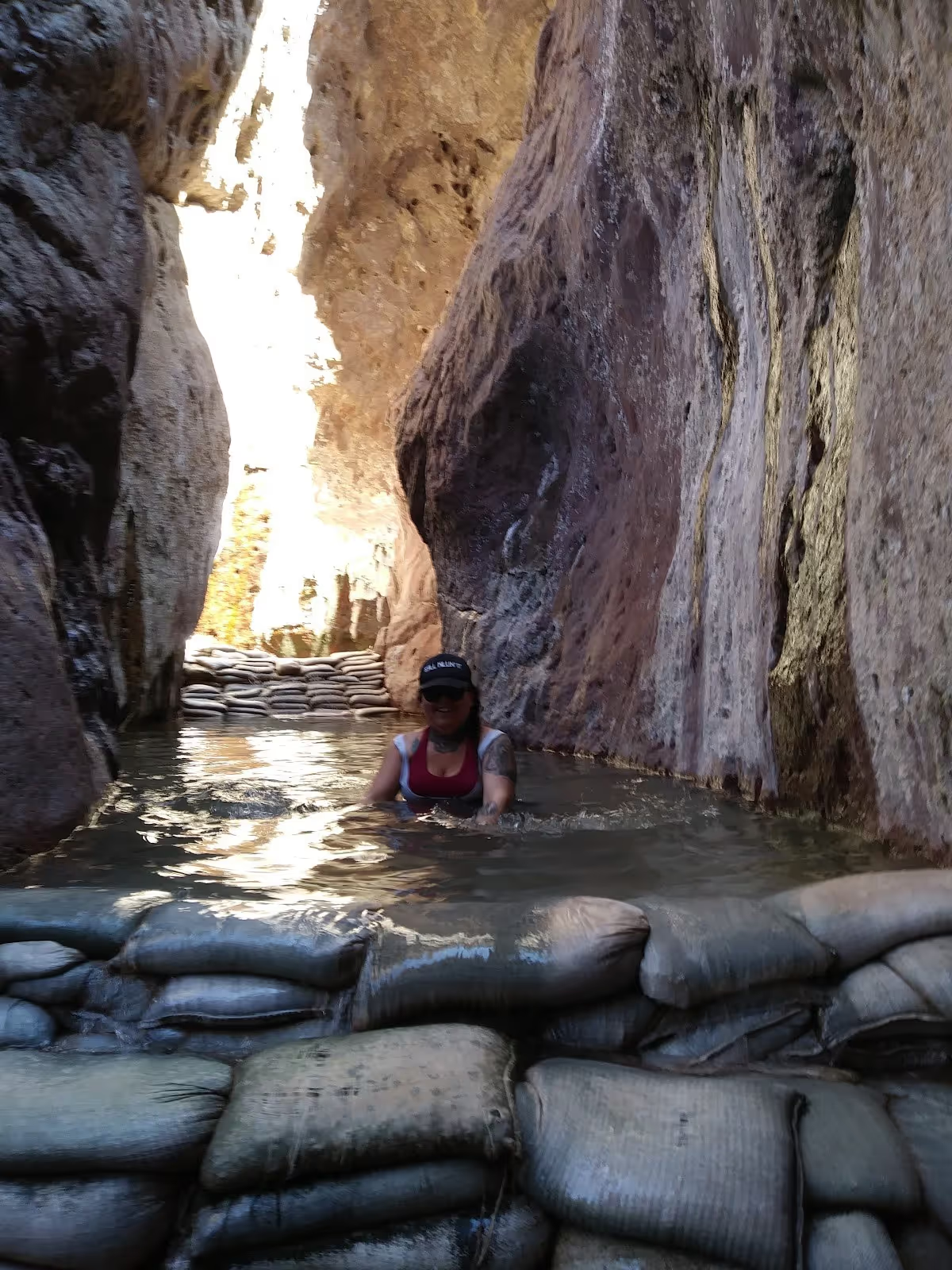
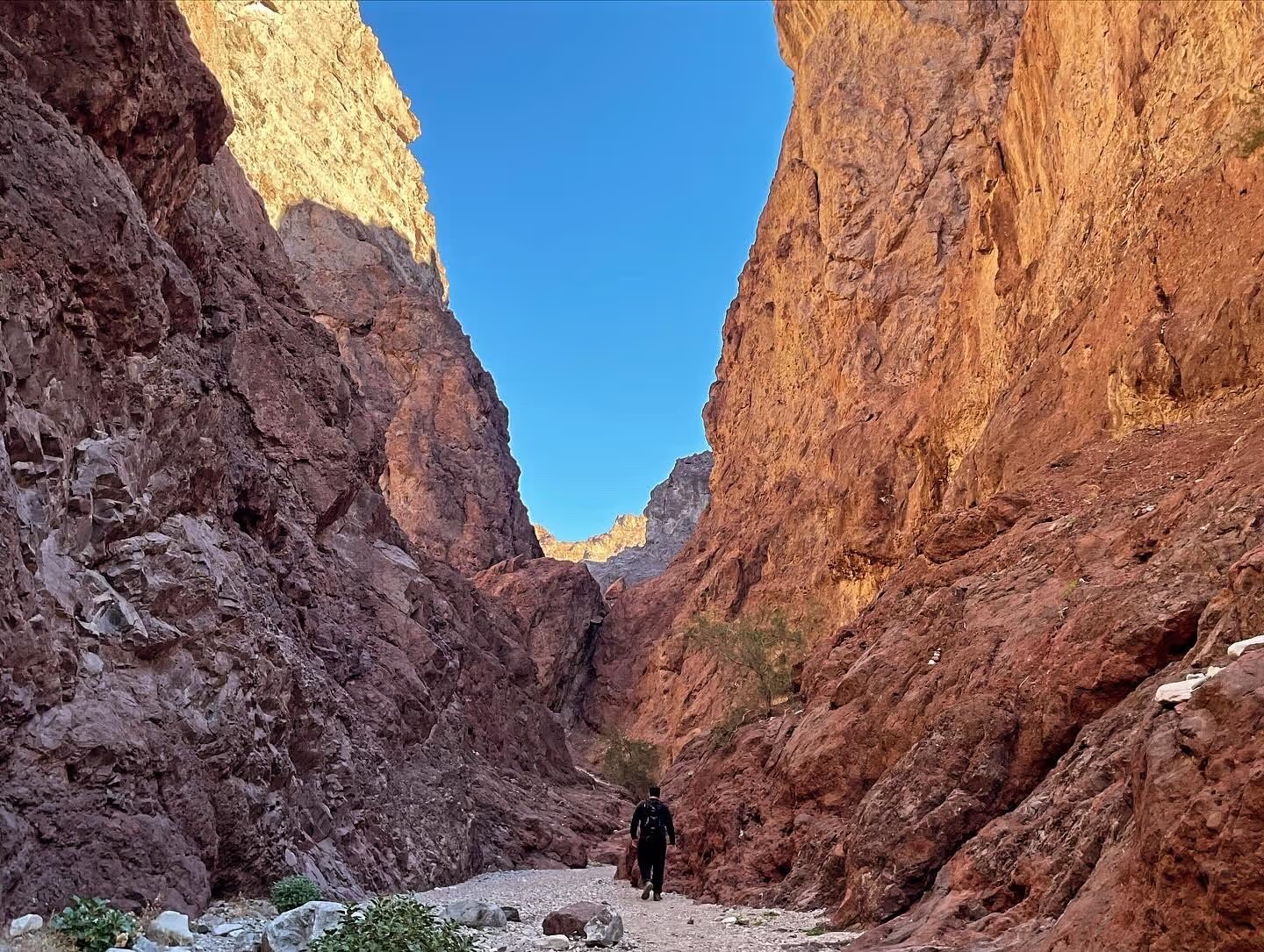
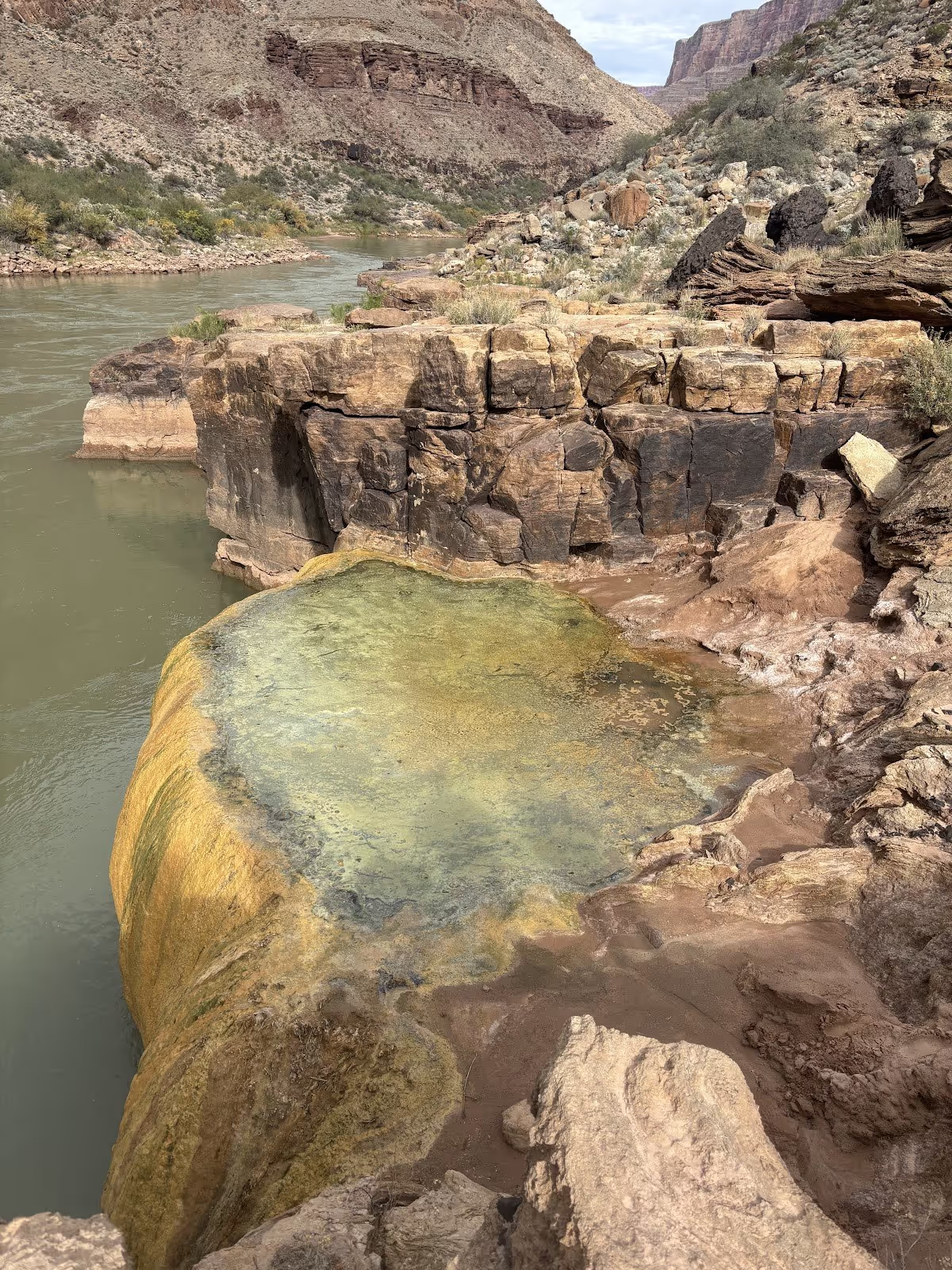
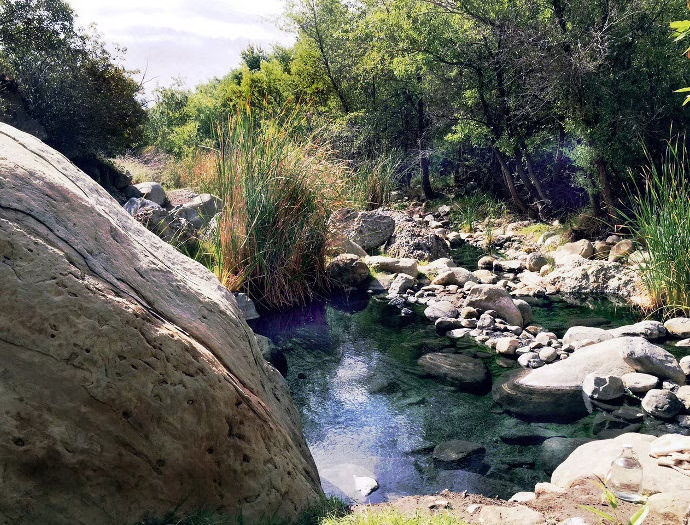
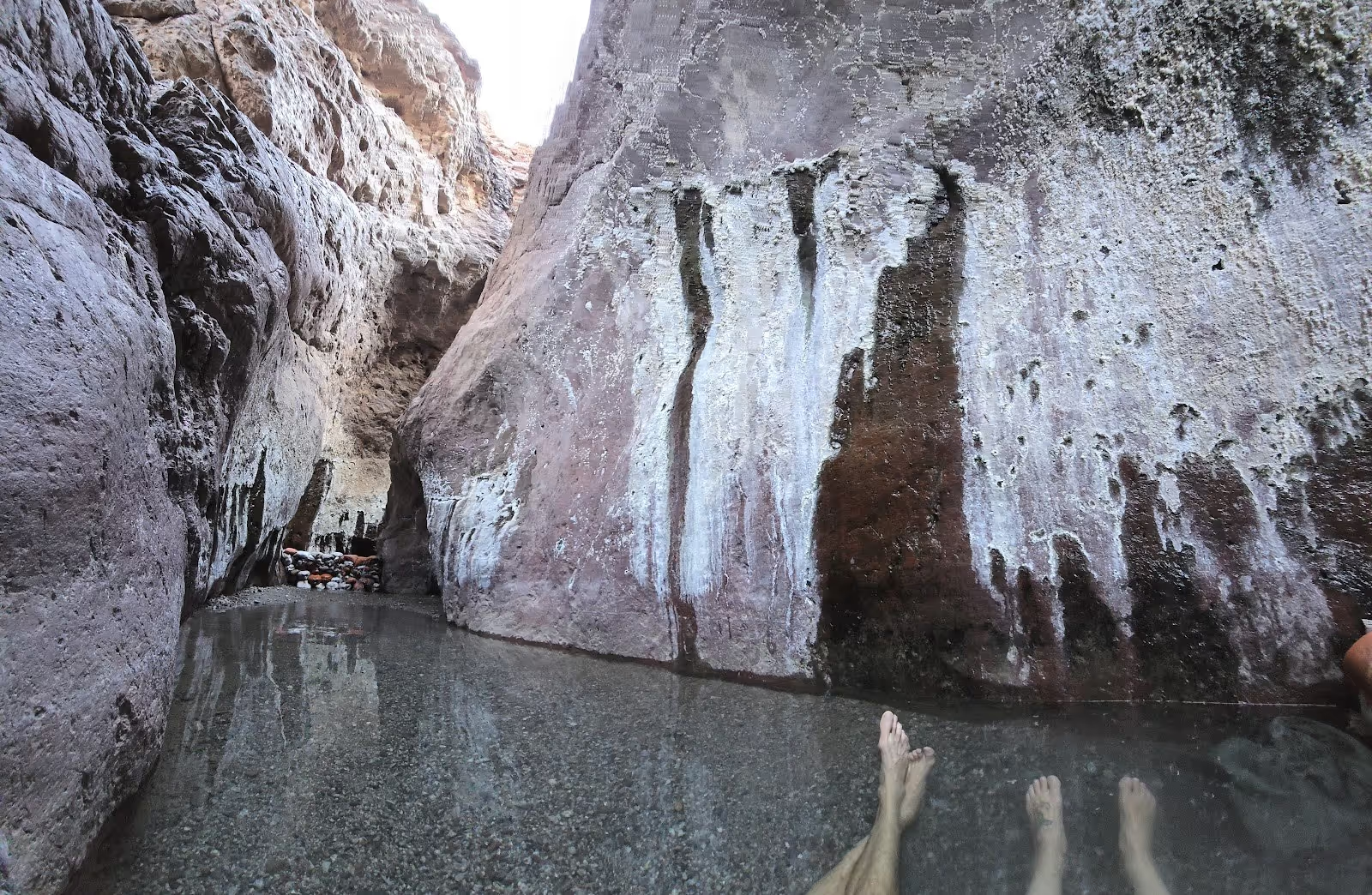
The slot canyon is one of the most visually striking features of the hike, with walls of dark volcanic rock in shades of grey, pink, and purple. The three main soaking pools are held back by sandbags and fed by geothermal water, offering varying temperatures. A twenty-foot metal ladder provides access from the canyon below. Natural hot springs in Arizona are relatively rare, and the combination of slot canyon scenery, Colorado River views, and geothermal soaking makes this one of the most distinctive hot spring hikes in the American Southwest.
The springs sit just south of Hoover Dam at the edge of Lake Mohave. A valid America the Beautiful Annual Pass covers the entrance fee. The area can also be reached by boat or kayak from Willow Beach, making it a stop on guided Black Canyon paddling tours.
Location & Access
Getting to Arizona Hot Springs
Arizona Hot Springs is reached from the White Rock Canyon Trailhead on the north side of US Highway 93, approximately 8.4 miles east of the Lake Mead Visitor Center or 3.5 miles south of the Nevada-Arizona state line. The parking lot holds 50 to 60 cars and has restrooms. From Las Vegas, drive south on US-93 for approximately 40 miles, past Hoover Dam, to the signed trailhead turnout on the right. From Kingman, Arizona, the trailhead is near mile marker 4 on US-93. A $25 per vehicle NPS entrance fee applies and no cash is accepted at the park.
Two trail routes lead to the springs. The White Rock Canyon Trail, approximately 3.2 miles one way, descends through a wide gravel wash and into a narrow canyon before reaching the Colorado River, then follows the shore south to the springs. The shorter Arizona Hot Springs Canyon Trail, approximately 2.5 miles one way, climbs over a ridge and drops into the canyon wash. Most visitors do the 5.8-mile loop combining both trails. For visitors looking for hot springs near Kingman, Arizona Hot Springs is the most accessible soaking destination in the area. The trail is closed May 15 through September 30 each year and is best visited from October through April.
Suitability & Accessibility
Who Arizona Hot Springs Suits
Arizona Hot Springs suits fit adults and older teenagers who are comfortable with a moderate 5.8-mile hike on uneven terrain, boulder scrambling, a twenty-foot ladder climb, and a clothing-optional social environment. The loop trail has over 1,000 feet of elevation gain and requires some basic scrambling and canyon navigation near the springs. The hike is not suitable for young children who would find the boulder scrambling, ladder, and canyon wading challenging. Families with older, experienced young hikers may find it manageable in the right conditions.
For those seeking natural hot springs in Arizona with dramatic desert canyon scenery, Arizona Hot Springs is one of the most rewarding experiences in the state. The slot canyon setting, Colorado River views, and geothermal pools are genuinely distinctive. Timing is critical: the trail is closed May through September, and October through April are the optimal months. Temperatures outside this window can exceed 110 degrees Fahrenheit, making the exposed hike life-threatening.
Wheelchair access is not possible given the terrain and ladder. Dogs are permitted on the trail on a leash but should not enter the hot spring pools. No facilities exist at the springs. Camping is available along the Colorado River near the springs for those wishing to stay overnight, with no additional reservation beyond the park entrance fee.
Safety & Etiquette
Safety and Etiquette at Arizona Hot Springs
Arizona Hot Springs carries a specific health warning: the warm pools contain a risk of Naegleria fowleri, a brain-eating amoeba that enters the body through the nose. Infections are rare but nearly always fatal. The NPS advises visitors to keep their heads above water at all times. The amoeba cannot enter through swallowing water, only through the nasal passage, so this single precaution eliminates the risk entirely.
Flash floods pose a serious hazard in the canyon. Do not hike to the springs if rain is forecast anywhere in the drainage area. Slot canyons channel water rapidly from distant storms, and floods can arrive without warning. Check forecasts for the entire Lake Mead region before setting out. The trail is officially closed May 15 through September 30 due to extreme heat; violations are dangerous and potentially fatal. Always carry at least three liters of water per person and electrolytes even in cooler months. Summer temperatures in this area regularly exceed 110 degrees Fahrenheit.
Rattlesnakes are common along the trail, particularly on rocky terrain in warm months. Watch where you step and place your hands when scrambling. Bring grippy footwear suited to wet rock surfaces at the springs, as the sandbag pool areas and the base of the ladder can be slippery when wet.
Leave No Trace principles apply throughout the national recreation area. Pack out all waste including used toilet paper, which is a documented problem at this site. Do not introduce soap or personal care products into the pools. The $25 NPS entrance fee is enforced; rangers check the parking lot. The America the Beautiful Annual Pass covers the fee.