Quick FactsOverview
Overview
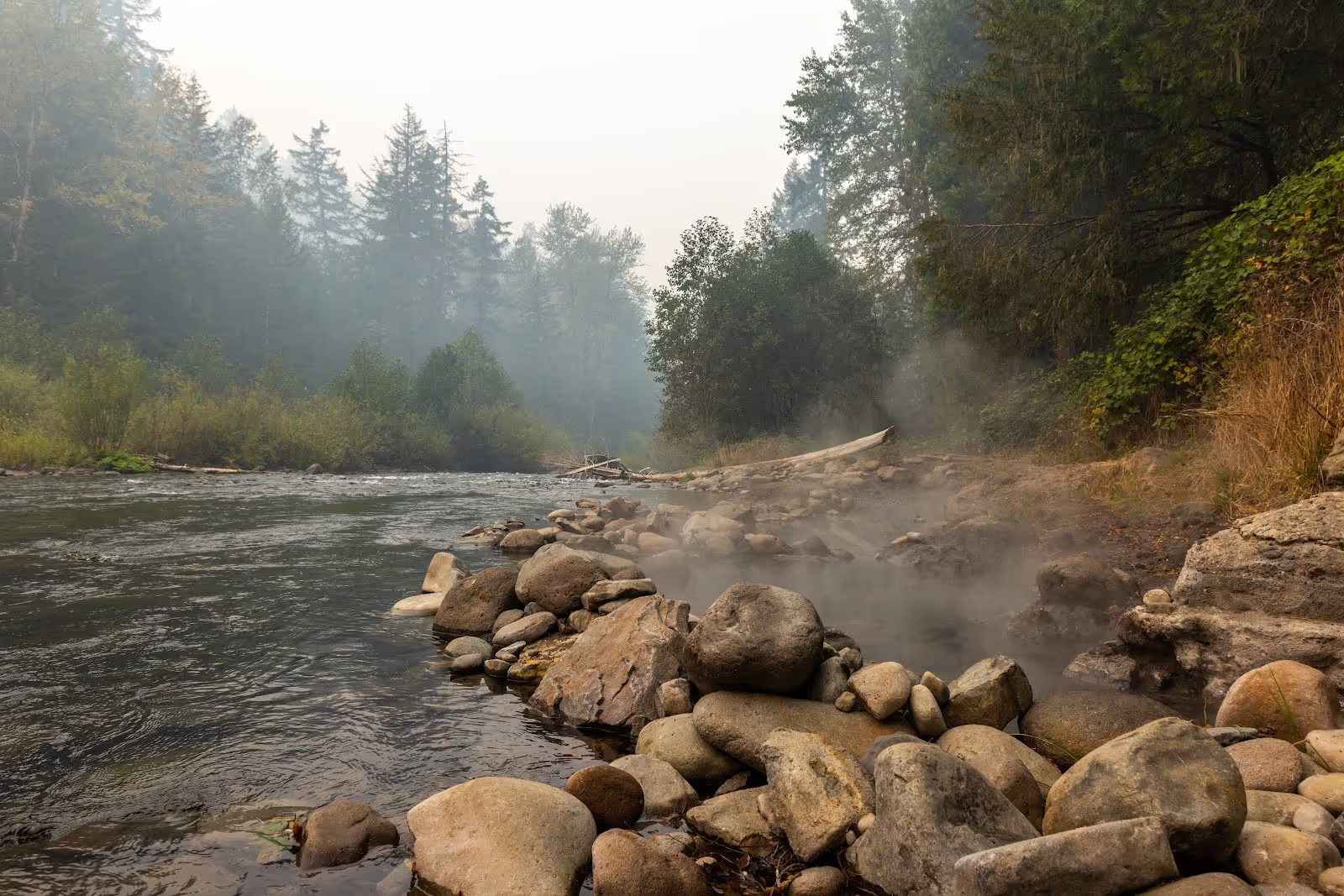
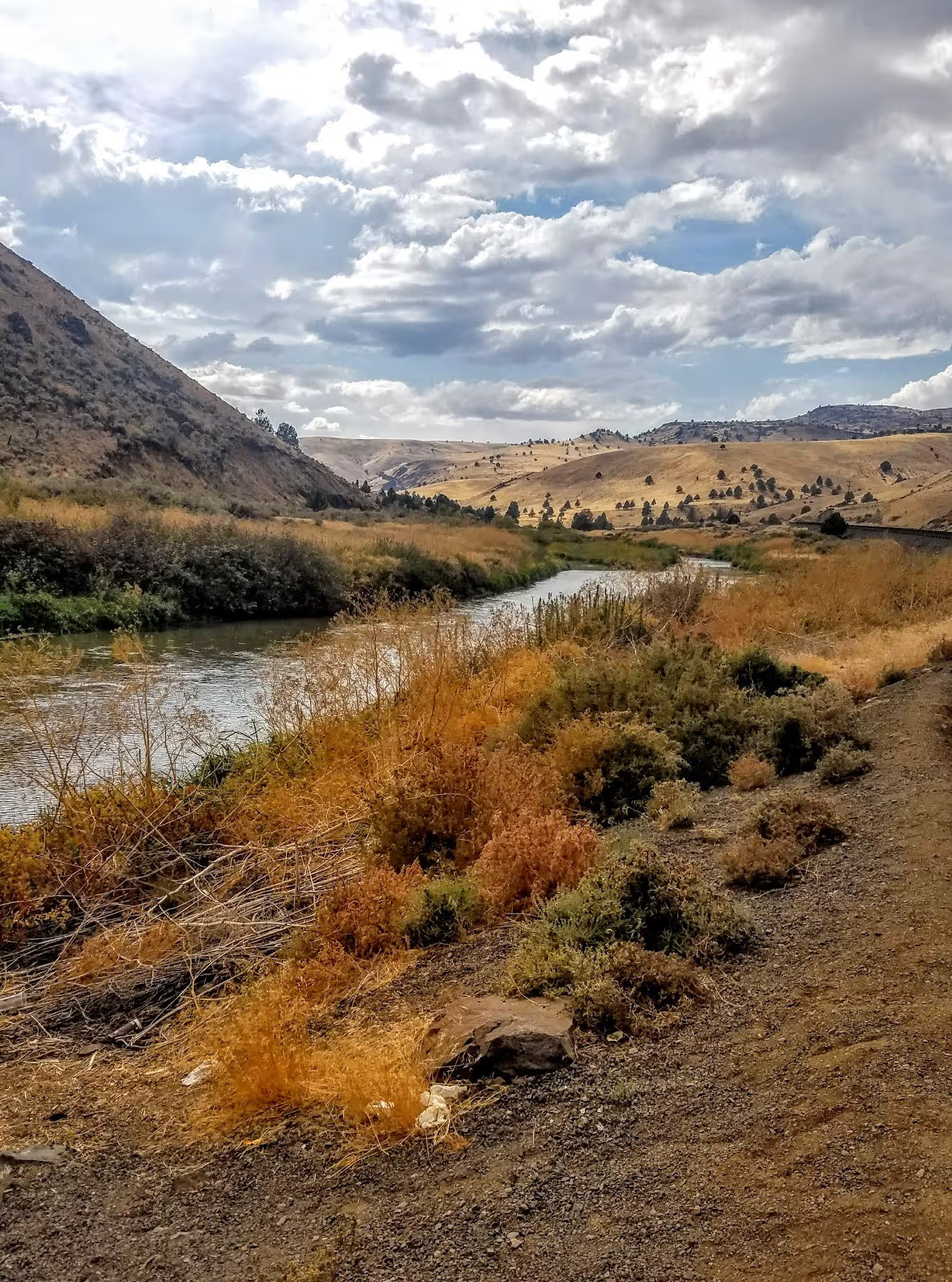
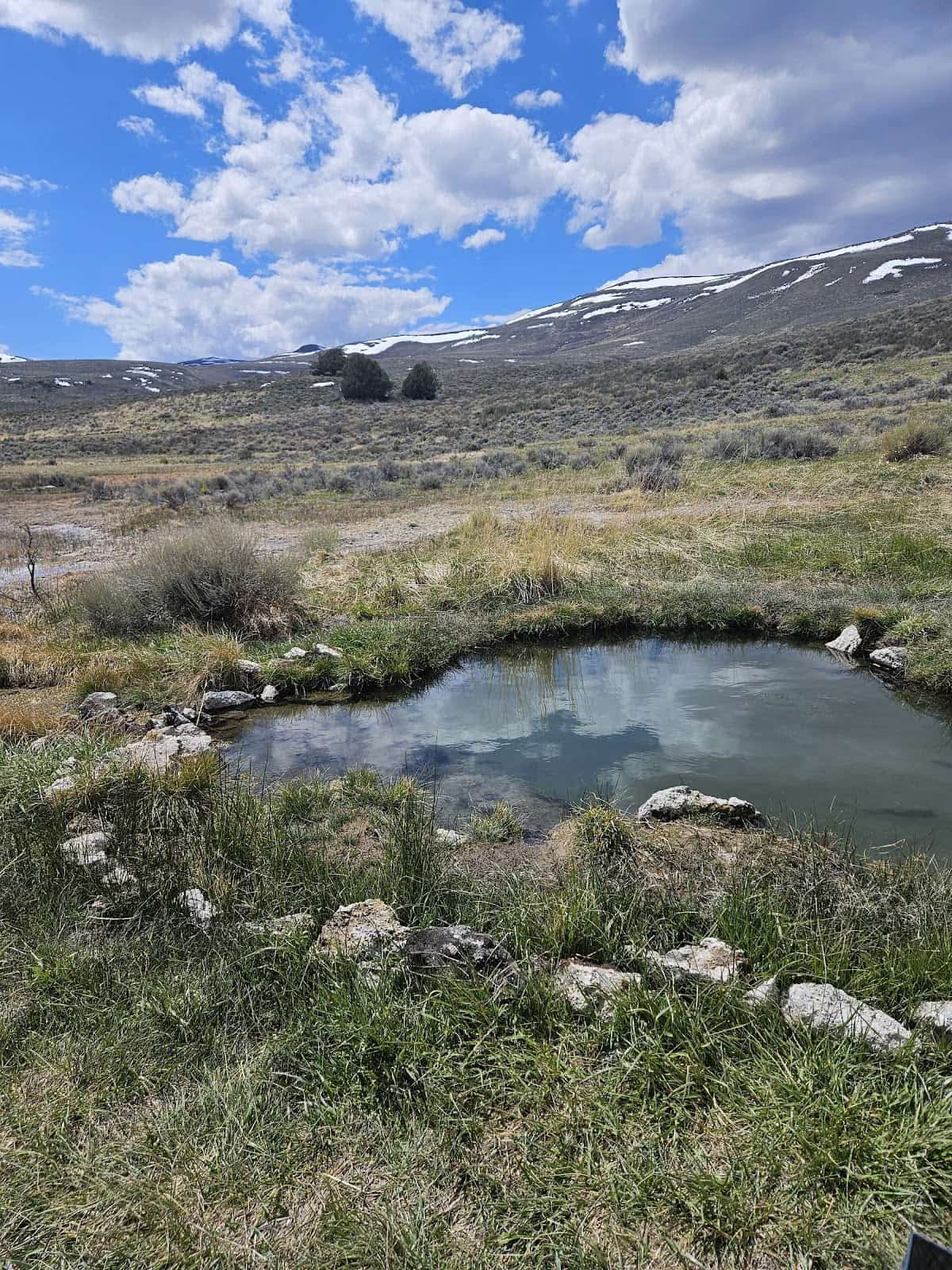
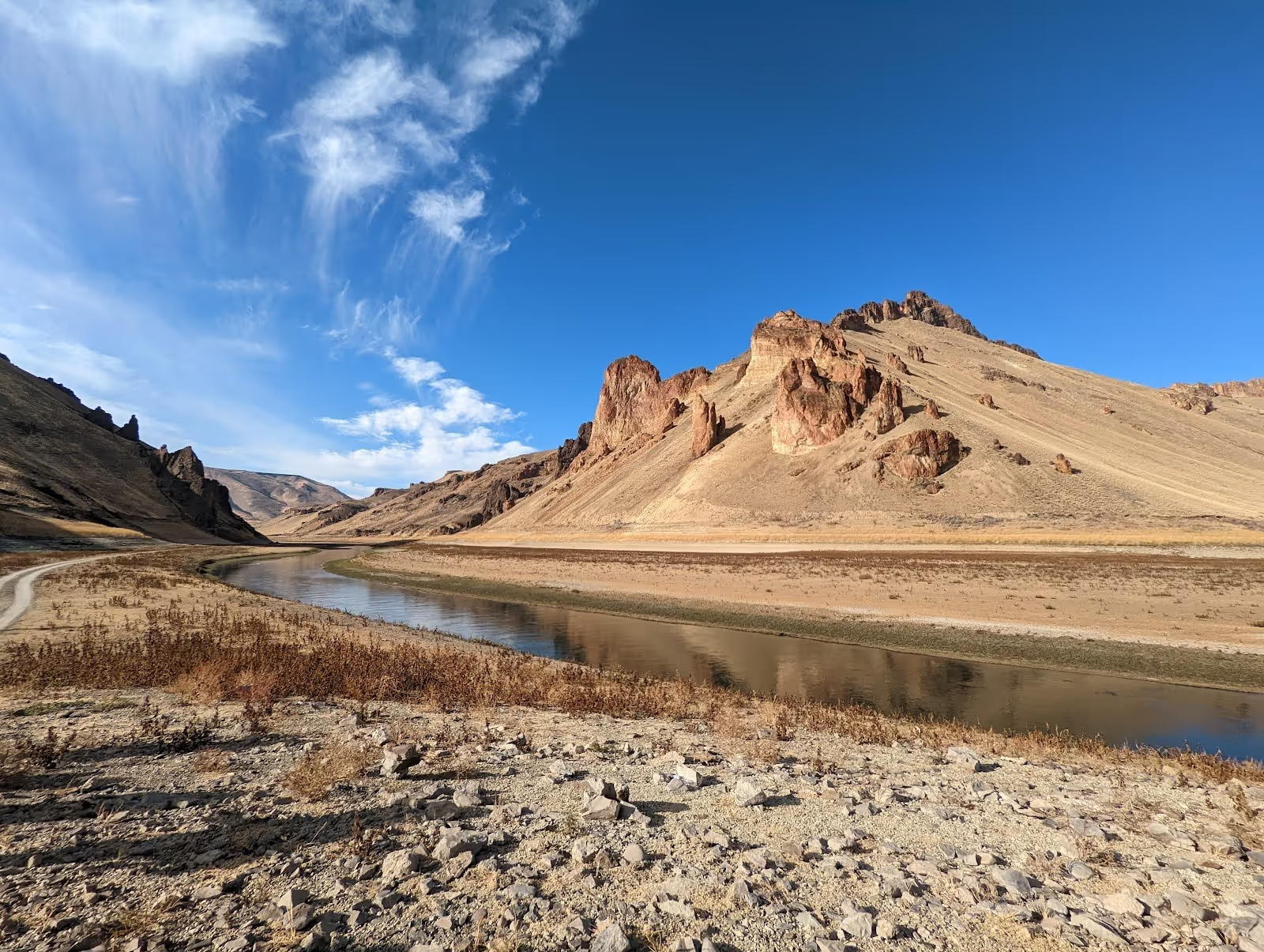
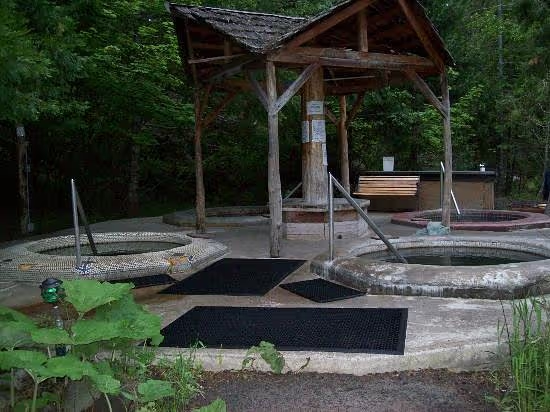
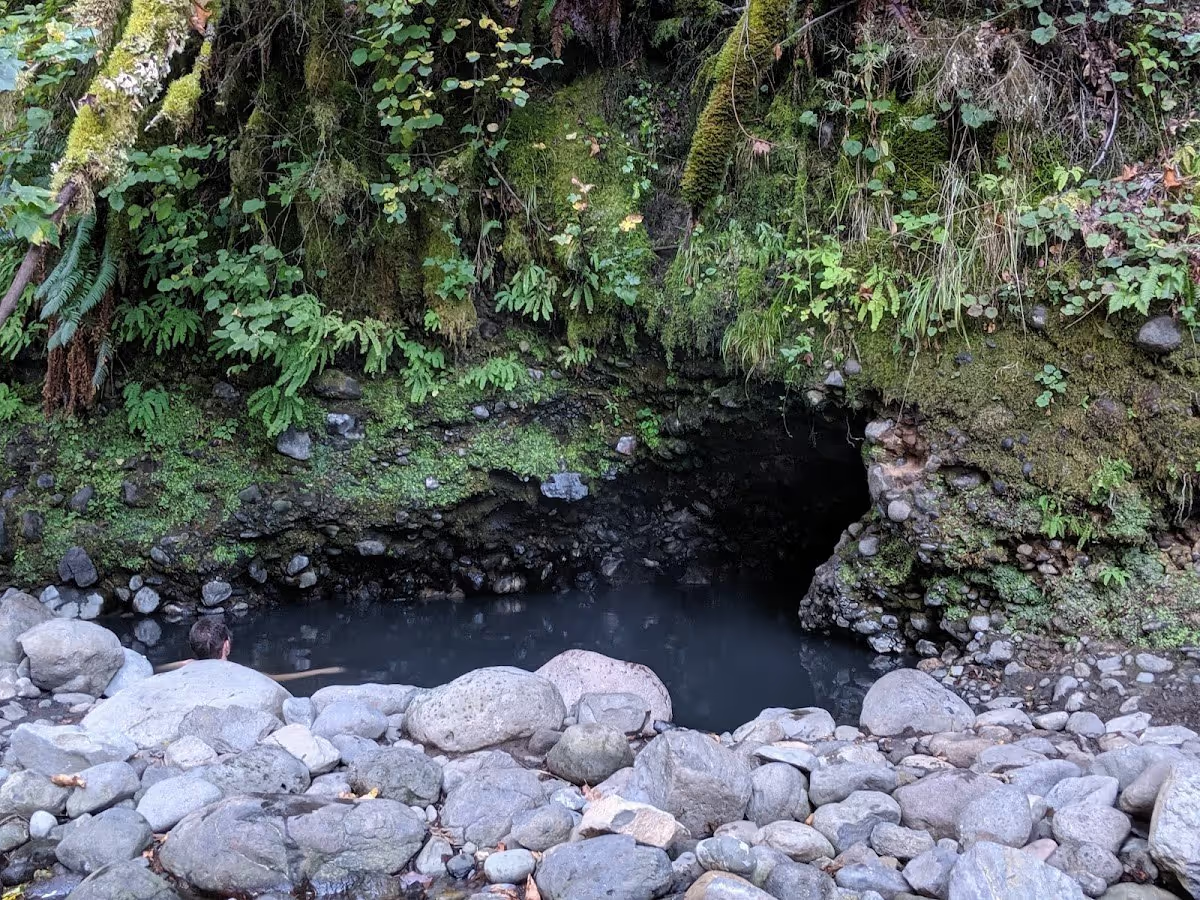
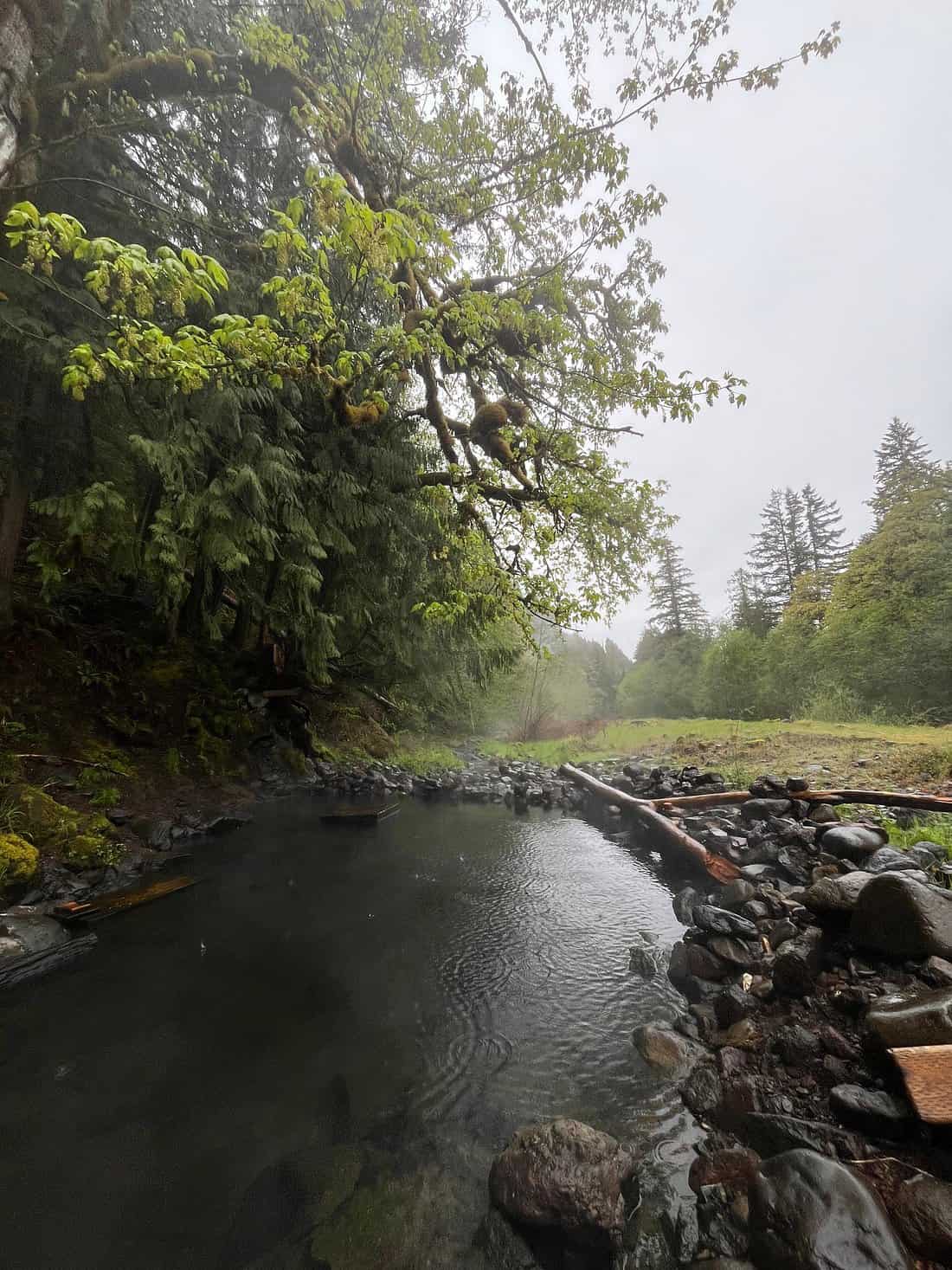
Austin Hot Springs is a group of geothermal seeps along the Clackamas River in the Oregon Cascades, known for small rock edged soaking spots near the rivers edge. The attraction for many visitors is the contrast between very cold river water and warm upwelling spring water, which can be mixed by choosing where you sit and how you manage flow. The setting is forested and humid compared with eastern Oregon hot springs, and it feels like a river stop more than a destination resort. Because the pools are informal and change with floods, high water, and human rebuilding, conditions can look different from one season to the next.
Access status has also changed over time. Parts of the area have been managed for habitat and safety, and ownership and legal access can be restricted. For that reason, treat planning as part of the visit: confirm whether the location is open to public entry, and choose an alternative hot spring if it is not. When access is allowed, the best visits are usually simple: arrive prepared, keep your footprint small, and focus on a short soak rather than an all day hangout.
Location & Access
Location & Access
Austin Hot Springs lies along the Clackamas River corridor southeast of Estacada, Oregon, in the Mount Hood area of the Cascades. Most travelers approach via Oregon Highway 224, which follows the river up canyon through Ripplebrook and into national forest lands. Depending on current management, the last portion of access has been described as a short walk from a roadside pullout or gate area to the riverbank. Surfaces can include packed dirt, gravel, and narrow paths, and the final approach may involve uneven ground near the water. Plan for wet footing and limited space to change, since this is not a built facility.
Because access restrictions and closures have been reported, do not treat older online directions as permission. Before you drive, check current information from the relevant land manager or owner, and respect posted signs, gates, and restoration work. If the site is open, arrive with a basic plan: bring drinking water, a towel, and footwear that can handle mud and slick rocks. River levels can change quickly with rain or snowmelt, and high water can cover or damage pools, so avoid planning a visit during storms. Cell coverage in the canyon can be inconsistent, so download offline maps and let someone know your general plan if you will be out late.
Suitability & Accessibility
This location suits experienced hot spring visitors who are comfortable with an undeveloped riverside setting and who can adapt to changing conditions. Soaking spots are typically small, and the experience depends on river level, recent flood impacts, and any informal rock work that may be present. It can be a quick stop for a short soak rather than a place to settle in for hours, especially when other visitors are present or when the river is running high. Because the area has had reported restrictions, it is best for travelers who can switch plans easily and choose another spring if access is not allowed.
Physical access usually involves a short walk and uneven footing near the river. Expect slippery rocks, mud, and steep or narrow edges, which makes the site unsuitable for wheelchairs and challenging for anyone with limited balance. Parking and turnarounds can be limited along the river road, so arrive ready to keep your stop brief and orderly. Families with small children may find the riverbank setting difficult to manage because the current can be strong and the ground can be slick, so consider a managed pool facility instead if you need predictable conditions. If you do visit when access is permitted, bring sturdy sandals, a dry bag for valuables, and warm layers for after the soak. Keep expectations simple and focus on safe footing and a brief, careful soak.
Safety & Etiquette
Safety & Etiquette
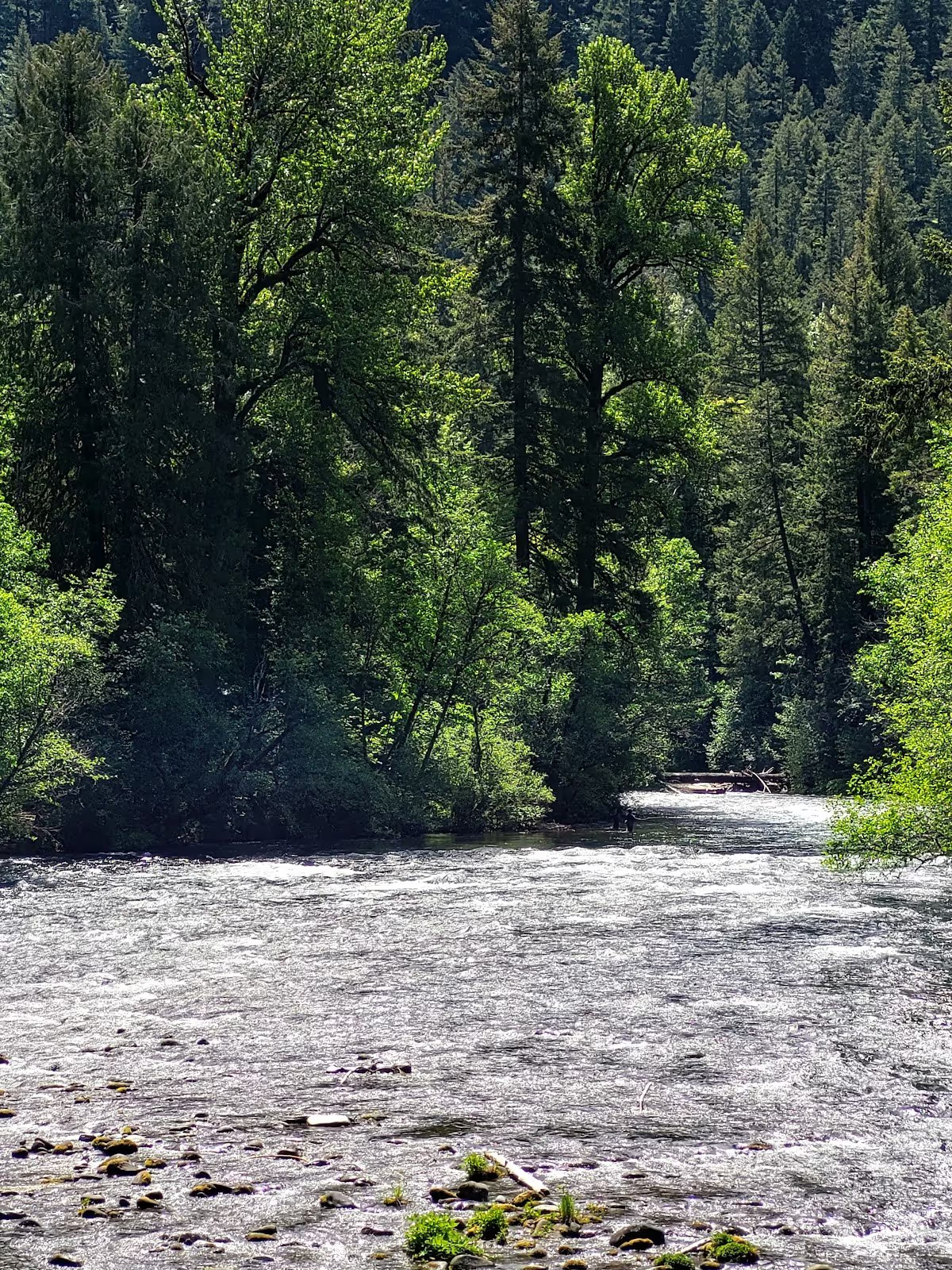
Austin Hot Springs is a natural riverbank soak, so safety starts with the Clackamas River. Current, cold water, and changing levels can create hazards near the edge, especially after rain or during snowmelt. Stay well back from swift water when changing, keep children within arms reach, and avoid crossing the river unless a safe, legal crossing is clearly provided. Footing can be slick on algae coated rocks and loose gravel, so move slowly and use sandals with good traction.
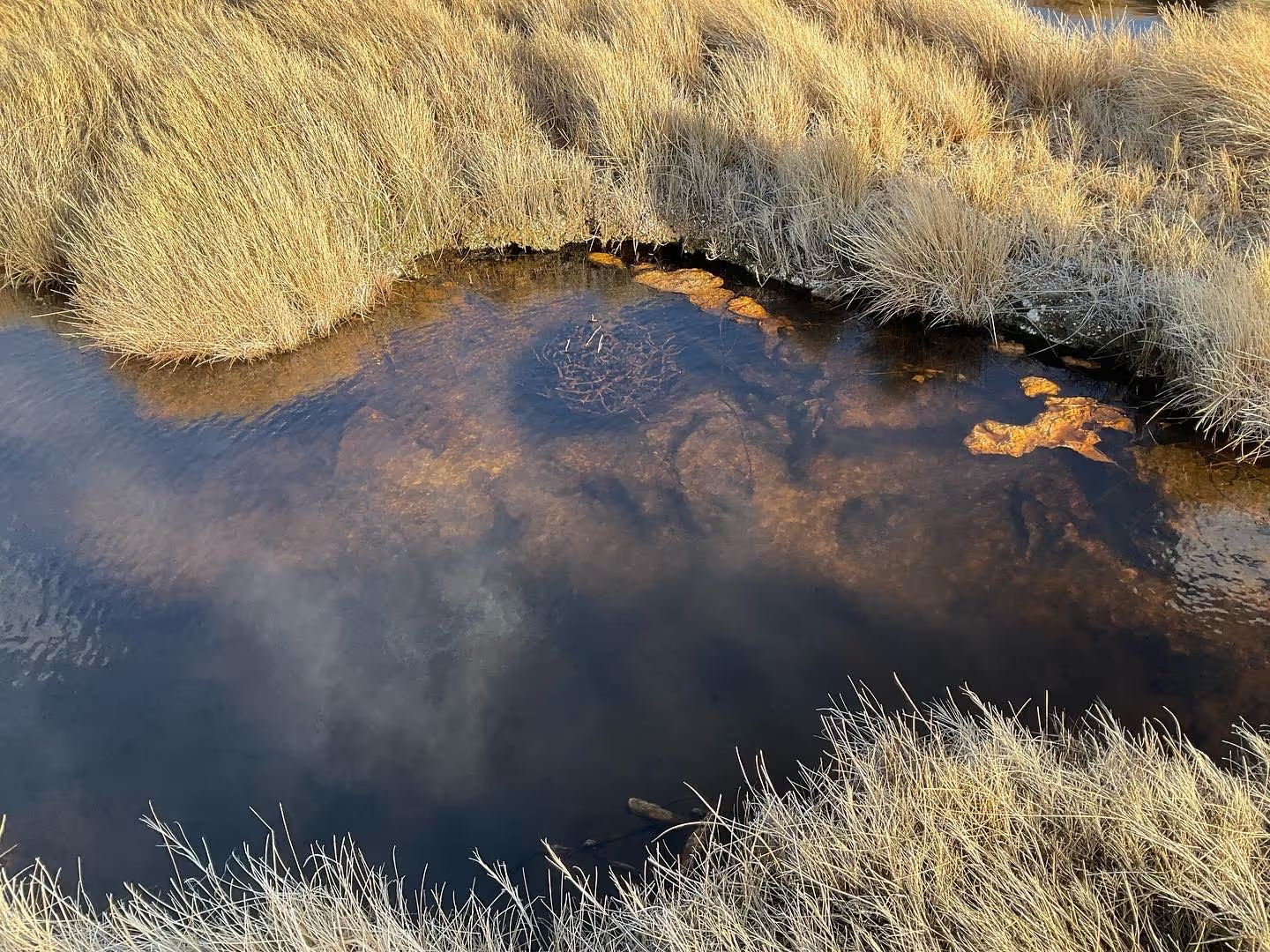
Geothermal water can be uneven. Natural vents and seep areas may be much hotter than the main soaking spot, and hot pockets can appear in sand or between rocks. Test the water where you plan to sit, avoid digging, and do not place your body directly on bubbling spots. Limit soak time, take breaks, and drink water to reduce overheating. If you have reduced heat tolerance, heart conditions, or are pregnant, consider skipping a remote, unmanaged spring and choose a supervised facility instead.
Etiquette here is also about respecting land management. Access has been restricted at times, and trespass creates problems for habitat work and public safety. Only visit if entry is clearly permitted, follow posted signs, and leave immediately if you encounter a closure. Keep noise low, do not build new pools, and pack out all trash, including food scraps and tape or plastic used for repairs. Avoid soaps and lotions in the water, and keep pets under control so they do not disturb wildlife or other visitors. These steps reduce impacts on the river corridor and help protect the area for future restoration and lawful recreation.


%2520Hot%2520Springs%252C%2520California%25201.jpeg)
%2520Hot%2520Spring%252C%2520California%25201.jpeg)