Quick FactsOverview
About Baker Hot Springs
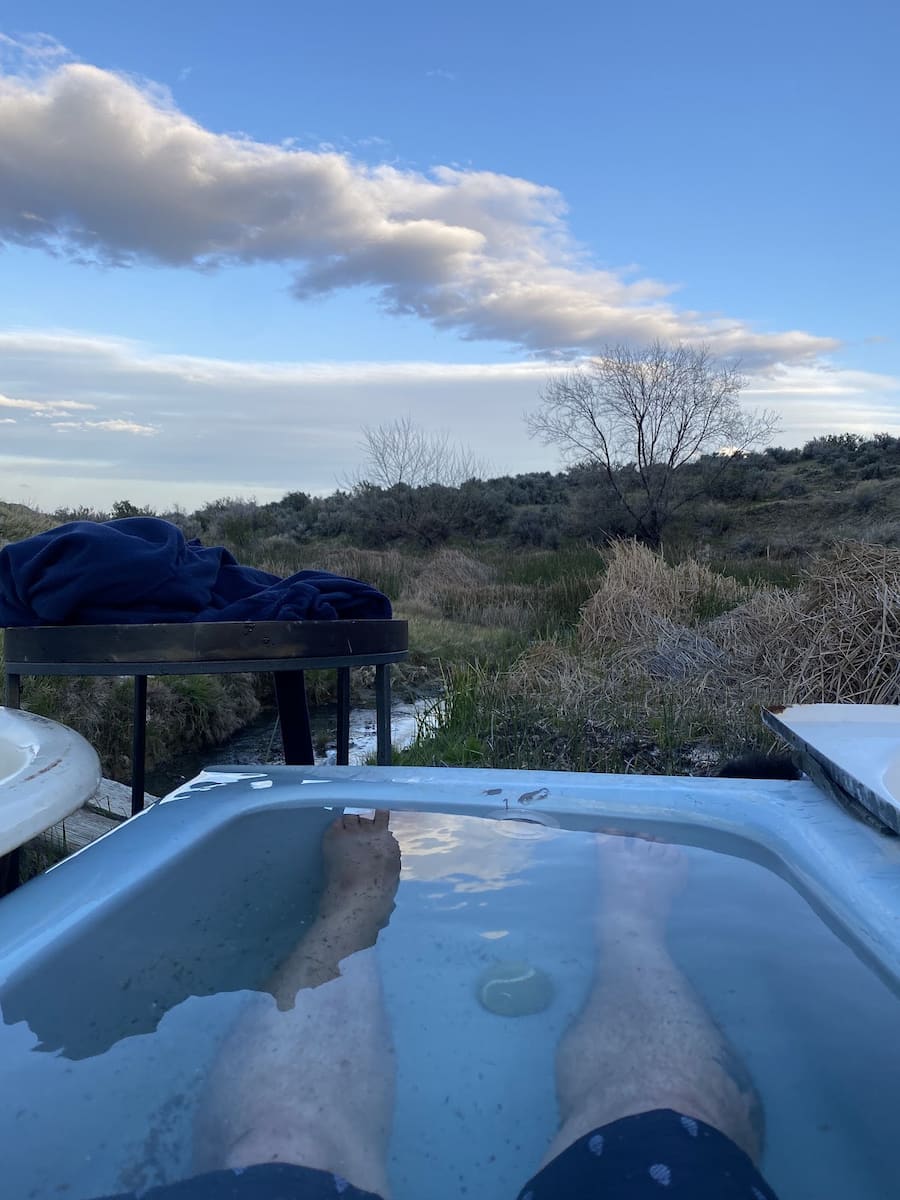
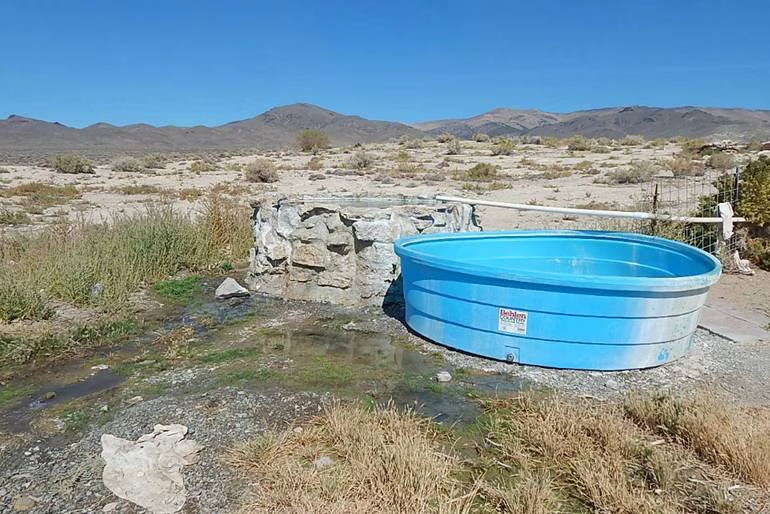
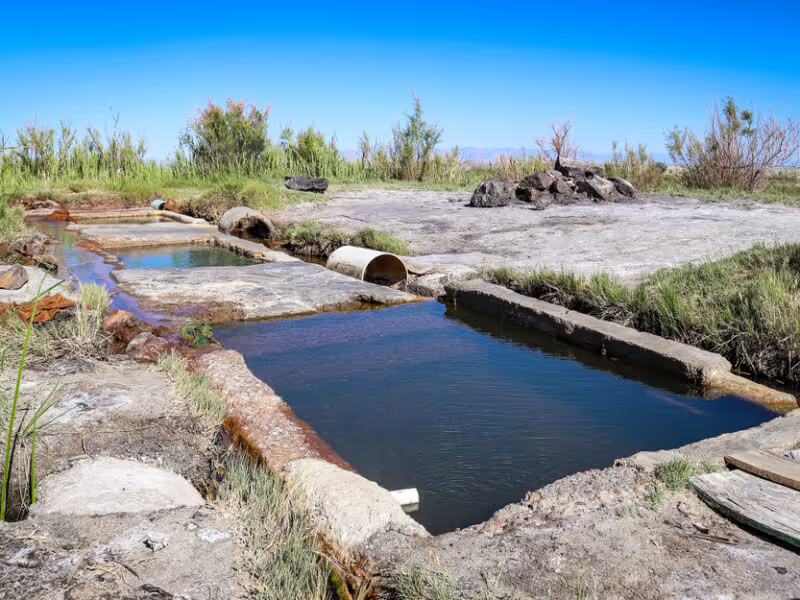
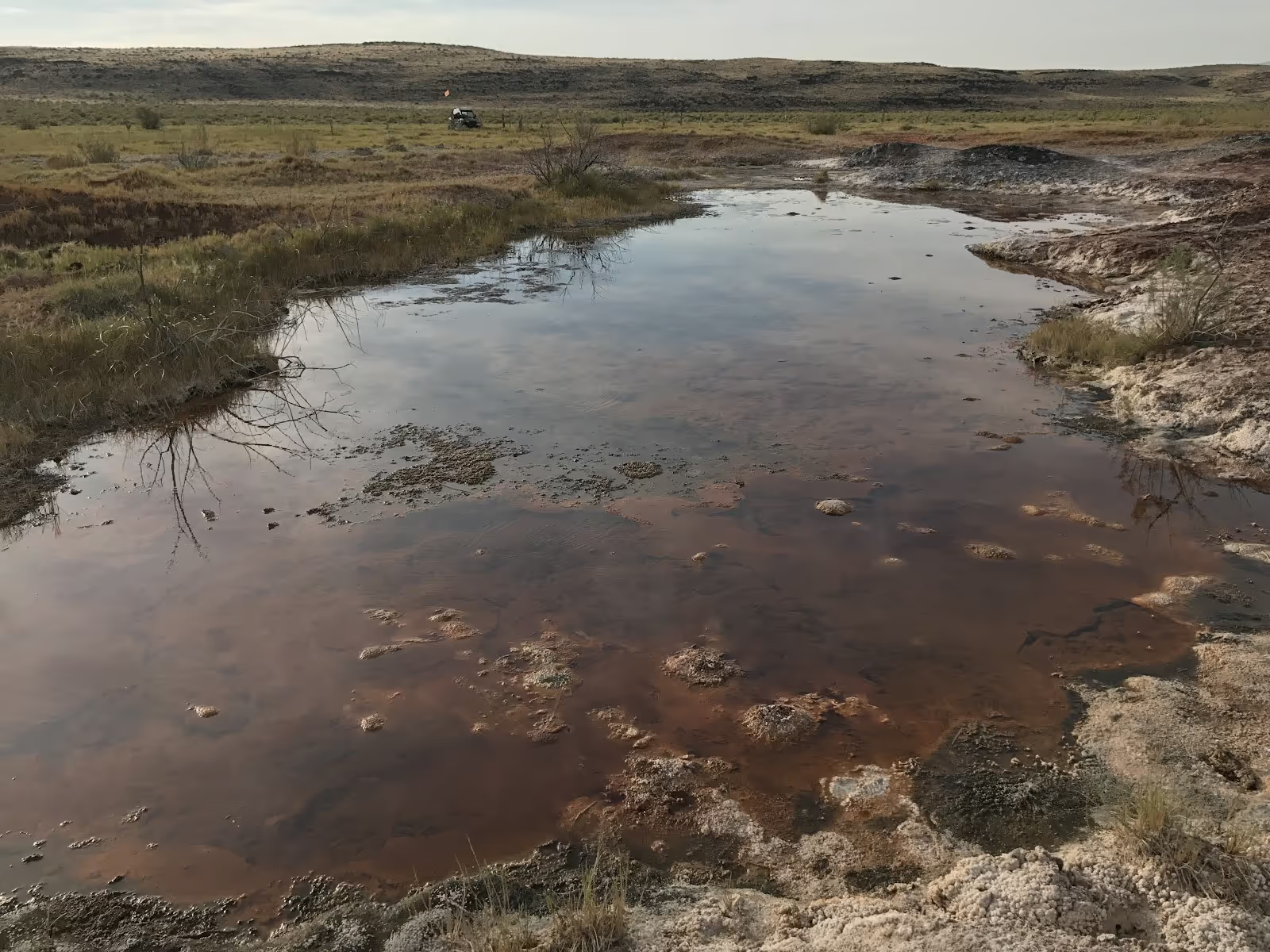
Baker Hot Springs, Utah is a free geothermal spring on BLM land in Millard County, approximately 40 miles northwest of Delta, Utah. The spring source bubbles to the surface at 180 degrees Fahrenheit and feeds three concrete soaking pools via a short trench. Each pool has independent hot and cold water controls, allowing visitors to set their preferred soaking temperature by restricting the flow of hot spring water or cold water piped from a nearby cold spring. No fee, permit, or reservation is required to visit and free dispersed camping is permitted on the surrounding BLM land.
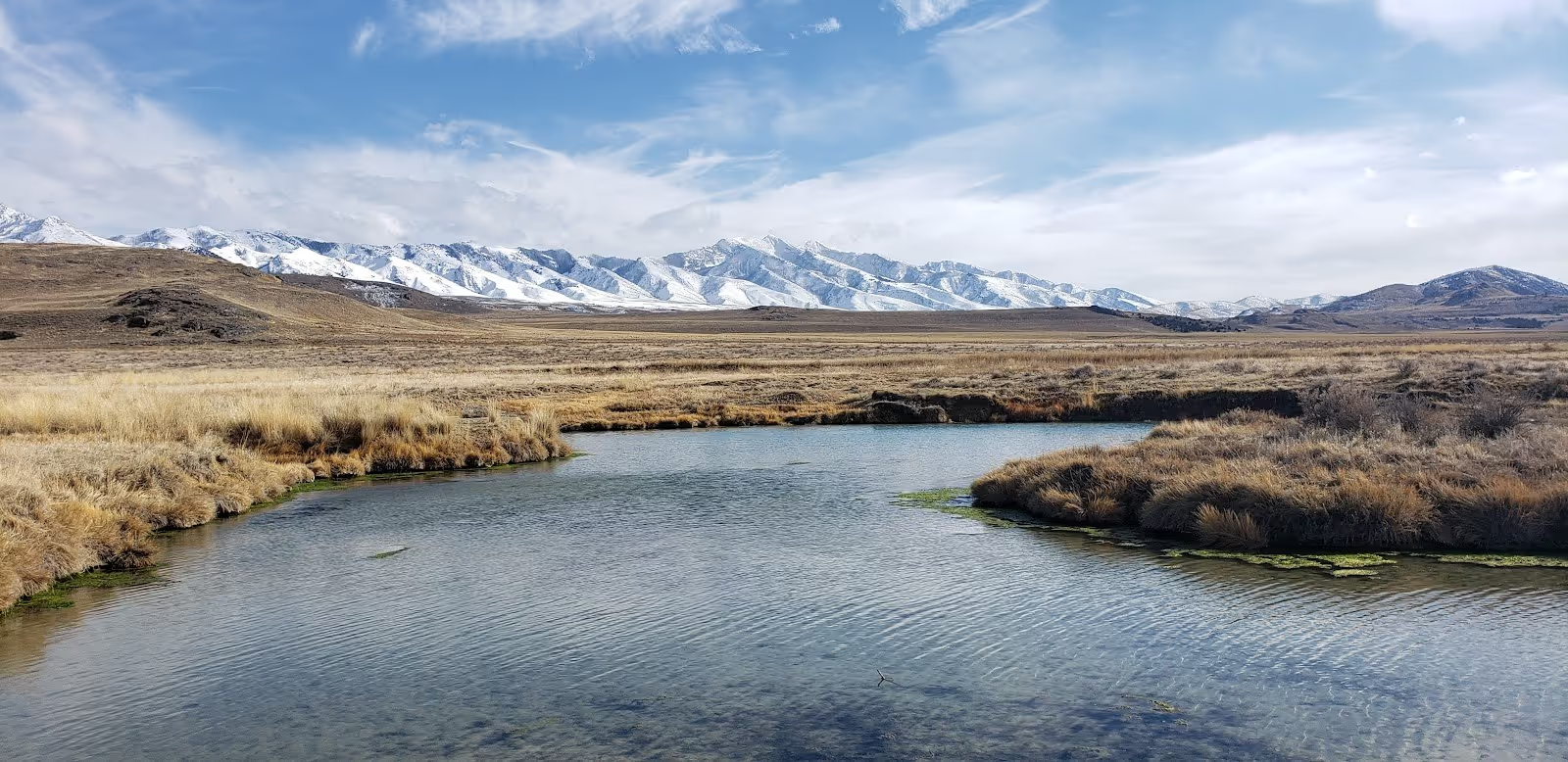
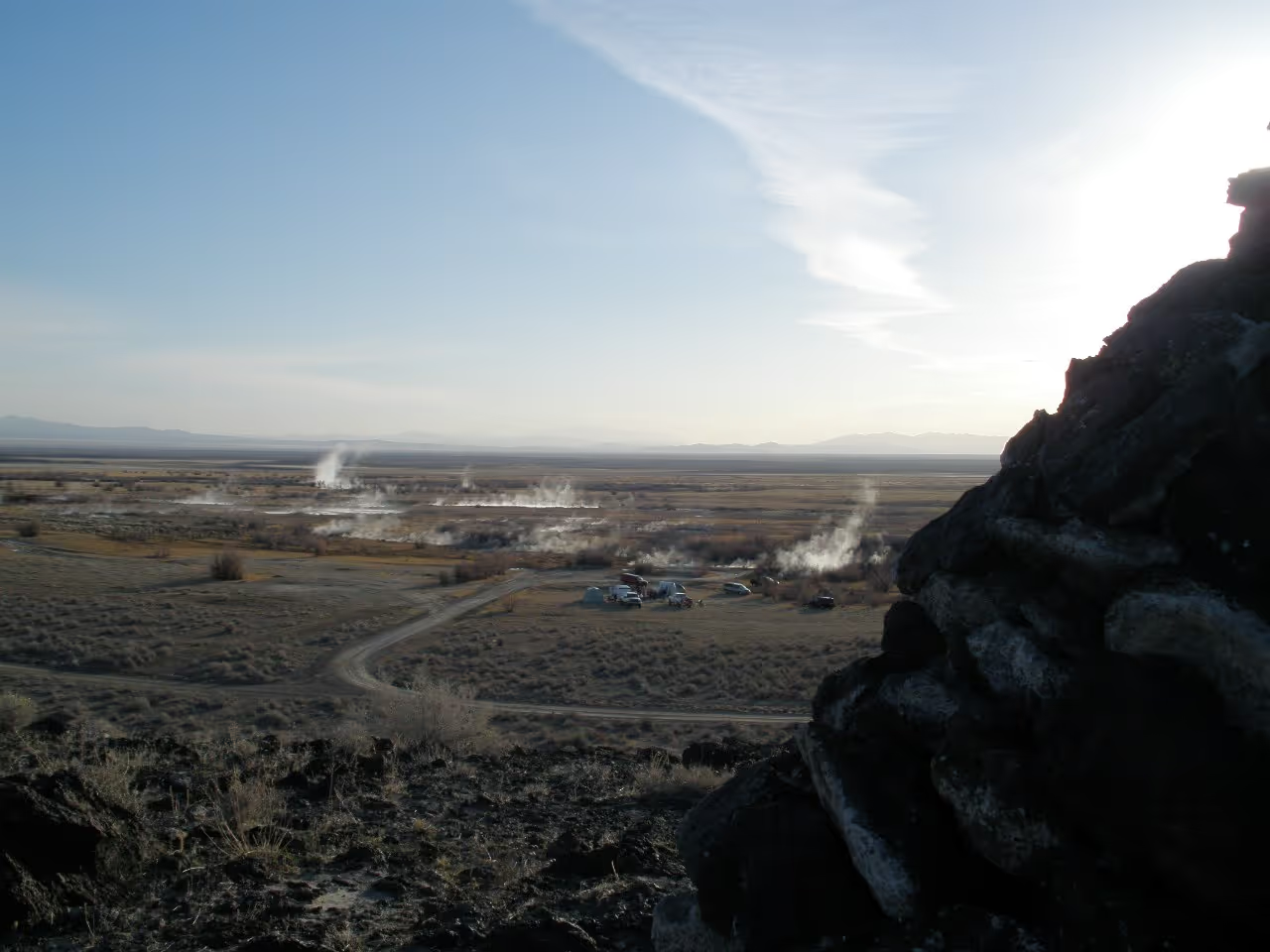
The springs sit near Fumarole Butte, a low shield volcano that last erupted approximately one million years ago when the area was beneath Lake Bonneville. The geological setting gives the springs their name in older references, where the site is also known as Crater Springs and Abraham Hot Springs. The surrounding terrain is flat, arid high desert with sparse vegetation and long open views. The Intermountain Power Plant is visible to the east and serves as a useful navigation landmark on the approach road.
Location & Access
Getting to Baker Hot Springs
Baker Hot Springs is reached from Delta by heading north and west on a combination of paved and gravel roads for approximately 40 miles. From Delta, take Main Street west over the bridge, then turn right on 1000 West, which curves into 1500 North. Turn right onto Jones Road and follow it about 9 miles to a T-intersection at the power plant. Turn left and drive approximately 11 miles west on Brush Wellman Road to the Baker Hot Springs Road junction. Turn right onto the dirt road and follow it approximately 7 miles to the springs on the right. The dirt road is well-graded and passable for most vehicles in dry conditions, though the second half is washboarded and vehicles should slow to around 25 to 30 miles per hour.
The route passes private property around mile 6.6 with no-trespassing signs on the right side of the road. The springs begin just after that private land ends. There is a pit toilet on site, installed by the county. Primitive dispersed camping is permitted on the BLM land around the springs at no charge. The nearest town with full services is Delta, approximately 40 minutes southeast. There are no services for about 60 miles in the direction of the springs, so visitors should bring sufficient water, food, and fuel before leaving Delta. For those seeking natural hot springs near Delta Utah, Baker is the closest publicly accessible geothermal soaking destination.
Suitability & Accessibility
Suitability and Accessibility of Baker Hot Springs
Baker Hot Springs suits most visitors including families with children, as the three concrete pools are shallow, the terrain is flat, and no hiking experience is required to reach them. The site is freely accessible to all members of the public as BLM land, with drive-up parking directly adjacent to the pools. The only accessibility limitation is the 7-mile gravel approach road, which may be unsuitable for low-clearance vehicles after rain and is not suitable for wheelchairs or mobility aids.
The adjustable temperature controls on each pool make the springs accessible to a wide range of soaking preferences. Visitors can make any pool as cool or as warm as they like by manipulating the rags or cloths used to restrict the hot and cold water feeds. On busy weekends each pool holds several people comfortably. Weekday visits, particularly in the morning, offer a quieter experience and a greater chance of having the pools to themselves.
The site is clothing optional by local convention, though the area is popular with families and local Delta residents, so visitors should be aware that mixed company is common. Pets are generally permitted in the surrounding area but should not be placed in the soaking pools. The remote desert setting makes Baker Hot Springs particularly well suited to visitors looking for natural hot springs in Utah away from crowds. Summer visits are possible but the combined effect of desert heat and hot spring water can be intense; early morning and evening soaks are recommended from June through August.
Safety & Etiquette
Baker Hot Springs Safety Tips
Baker Hot Springs is generally safe for soaking, but the geothermal source temperature of 180 degrees Fahrenheit means that visitors must test the water before entering any pool and must take care when adjusting the hot water inflow. The pool nearest the source runs hotter than the other two and requires more careful management of the water controls. Do not touch the water in the supply trench leading from the source, as it is near boiling and can cause immediate burns.
The remote desert location requires self-sufficient preparation. There is no potable water on site, no electricity, no cell coverage in most of the area, and no emergency services within a reasonable distance. Visitors should bring more water than they expect to need, as hot spring soaking in desert conditions accelerates dehydration significantly. A minimum of one gallon per person per day is a useful baseline for any visit in warm weather.
The gravel approach road can become muddy and impassable after rain. Flash flooding is possible in the desert terrain during monsoon season from July through September. Vehicles that become stuck may wait hours or longer for assistance. Visiting outside of peak summer heat and during dry weather reduces risk substantially.
The surrounding terrain includes venomous snakes and scorpions typical of the Great Basin desert. Visitors should check shoes and clothing before putting them on after leaving them on the ground, and should watch where they place hands and feet when moving through vegetation or rocky areas around the parking area. Drinking alcohol in or around the pools is inadvisable given the combination of heat and remote location. Visitors should soak conservatively, take breaks to cool down, and stay hydrated throughout their visit.


%252C%2520Utah%25202.avif)