Quick FactsOverview
About Baker Hot Springs
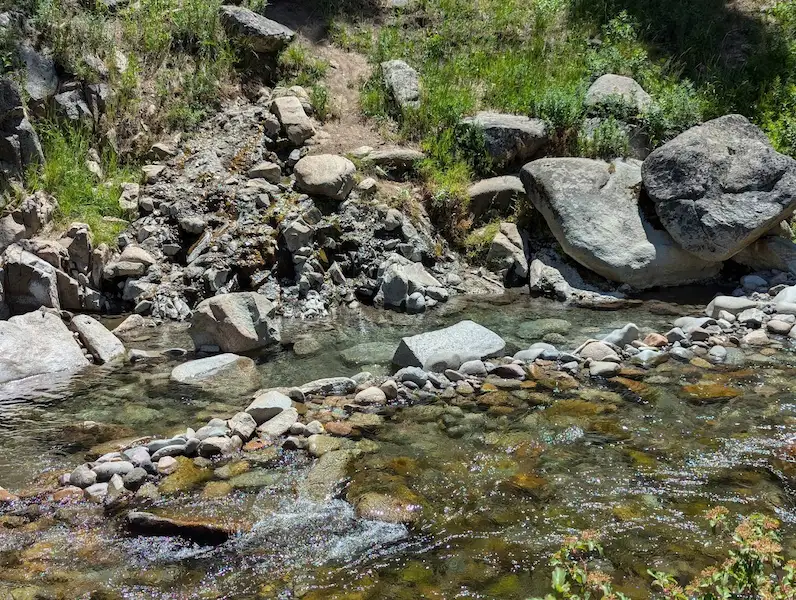
Baker Hot Springs, Washington is a free undeveloped geothermal spring in Mount Baker-Snoqualmie National Forest, located approximately 20 miles north of Concrete in Whatcom County. One main rock-lined pool accommodating around 10 people and a smaller secondary pool are accessible via a 0.3-mile easy trail from the trailhead on Forest Road 1144. The source temperature is approximately 110 degrees Fahrenheit and pools typically run around 100 to 101 degrees. The water has a mild sulfur odor and a silty, mineral-rich character. No fee is required and the site is managed by the US Forest Service with no facilities on site.
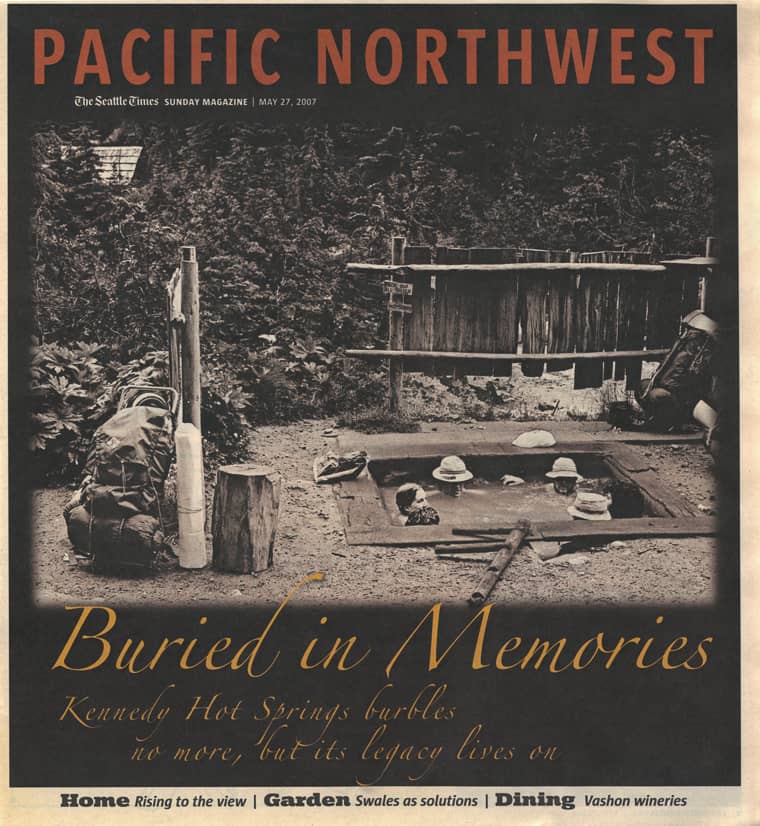
Baker Hot Springs is historically also known as Morovitz Hot Springs, named after its western discoverer in the 1890s. A constructed soaking tub and associated facilities including changing rooms and outhouses were built by the Skagit Alpine Club in the 1960s and 1970s but were removed by the Forest Service in 1978 as part of a return to natural conditions. The spring sits in a forested setting on the western flank of the North Cascades, close to Baker Lake and Mount Baker. The surrounding area is prone to seasonal landslides that can fill the pools with mud and ash, sometimes requiring the pools to be dug out in spring to restore flow.
Location & Access
Getting to Baker Hot Springs
Baker Hot Springs is reached from Concrete, Washington via Baker Lake Road. From Concrete, follow Burpee Hill Road, which becomes Baker Lake Road, for approximately 11.5 miles. Turn left onto Forest Road 1130 just after the Boulder Creek Bridge and follow it for approximately 3.9 miles. Bear right onto Forest Road 1144 and continue to the parking lot. The trailhead is clearly marked and the 0.3-mile trail leads directly to the springs. The GPS coordinates for the trailhead are 48.76382, -121.67170. Forest Road 1144 is rough and potholed and a high-clearance vehicle or 4WD is strongly recommended. Standard sedans are not advised.
Road access is subject to seasonal closure due to snow, typically from late autumn through spring. Always check road and avalanche conditions with the Mount Baker-Snoqualmie National Forest before visiting, particularly in winter and early spring. The drive from Bellingham takes approximately 90 minutes. From Seattle, allow approximately two and a half hours. No Northwest Forest Pass or day use fee is required. For those seeking hot springs near Bellingham Washington, Baker Hot Springs is the closest free geothermal spring to the city, though the rough road access and seasonal conditions require preparation that other more developed springs do not.
Suitability & Accessibility
Suitability and Accessibility of Baker Hot Springs
Baker Hot Springs suits hikers, outdoor enthusiasts, and visitors comfortable with a primitive, undeveloped spring in a national forest setting. The trail is short and easy with minimal elevation gain, making the spring physically accessible for most visitors once the trailhead is reached. However, the rough forest road to the trailhead limits access for low-clearance vehicles and requires careful driving. The spring is not suitable for visitors expecting developed facilities, maintained pools, or stable water quality.
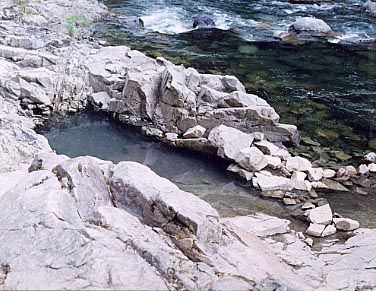
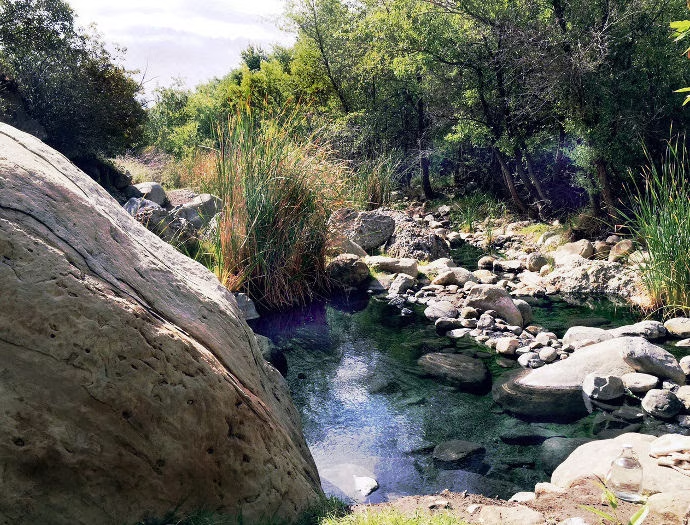
The pools are natural and unstructured. The main pool is rock and gravel-lined and can hold around 10 people. The secondary pool is small and functions more as a foot bath. Pool conditions can vary significantly depending on the season, recent weather, and whether volcanic ash or mud from seasonal landslides has clogged the vents. In some seasons the pools need to be partially dug out to restore hot water flow. The water is silty and murky rather than clear.
The spring is clothing-optional in practice. Families with children should be aware of this before visiting. There are no restrooms, changing rooms, or other facilities at the trailhead or spring. No camping is permitted at the springs themselves, though dispersed camping is available on National Forest land in the surrounding area. Dogs are welcome and may be off-leash in some areas. For those seeking natural hot springs near Bellingham Washington in a forested mountain setting, Baker Hot Springs offers the most accessible undeveloped option in the North Cascades region.
Safety & Etiquette
Baker Hot Springs Safety Tips
Baker Hot Springs is a generally safe place to soak but requires awareness of several conditions specific to the site. The pool temperatures run around 100 to 101 degrees Fahrenheit in the main pool, which is within the normal range for geothermal soaking. The area nearest the spring vents is hotter, up to the source temperature of 110 degrees. Test the water before entering and avoid sitting directly over active vent areas where temperatures spike.
The road to the trailhead is seriously rough and a high-clearance vehicle is essential. Do not attempt the road in a standard sedan or in icy conditions. Check Mount Baker-Snoqualmie National Forest alerts for road closures before visiting, particularly between November and May when snow makes the road impassable. Avalanche conditions in the broader area should also be checked in winter and early spring.
The surrounding North Cascades terrain is wild and services are not nearby. Carry sufficient water, snacks, and emergency supplies. Cell coverage is limited in this part of Whatcom County. Inform someone of your plans and expected return before setting out. Bears and other wildlife are present in the Mount Baker-Snoqualmie National Forest. Store food and scented items appropriately.
The spring pools are clothing-optional and can attract a mix of visitors including some who may behave in ways that are not appropriate for children. Be prepared for this if visiting with family. The water has a sulfur odor that some visitors find strong. The silty pool floor is slippery. Water shoes are useful for entering and moving around the pools. Do not drink the spring water and avoid submerging your head to reduce exposure to naturally occurring microorganisms.