Banos Termales de Cconoc, Peru
Thermal spring pools at foot of the Apurimac canyon, Curahuasi, Apurimac. Mineral waters 26-35C at 1,780 m elevation on the Inca route. From 5 soles entry.
Cconoc, Distrito de Curahuasi, Provincia de Abancay, Apurimac, Peru
Abancay
PE
-13.6
-72.65
Public Pools & Parks
Paid
Easy to reach (no hike)
Be mindful
Swimsuit required
true
false
South America
banos-termales-de-cconoc-peru
What does the name Cconoc mean?
The name Cconoc likely derives from the Quechua word meaning warm or hot. Quechua is the indigenous language of the Inca empire and remains widely spoken in the Apurimac and Cusco regions of Peru today. The Apurimac canyon area, including the road that passes through Curahuasi toward Cusco, has many place names of Quechua origin. The thermal springs themselves have been known to local communities for centuries, and the name directly reflects their defining characteristic: the warm water that rises from the earth at the canyon floor.
Were the Cconoc thermal springs used by the Incas?
Historical and local accounts indicate that the Cconoc springs were used as a resting place along the Inca road that connected Cusco to the Chinchaysuyo region to the north and west. The route passed through several towns, including Jaquijahuana, Tarahuasi, Marcahuasi, and the Apurimac crossing at Maucachaca, near where the springs are located. The Apurimac River crossing at this point was historically served by a suspension bridge, Maucachaca, built by the Incas, which remained in use into the Spanish colonial period. The thermal springs on the riverbank would have been a natural stopping point for travellers along this route.
What is the water like at Cconoc and what are its reported benefits?
The water at Cconoc is described as odourless with a mild saline scent, clear in appearance, and thermomineral in character. Local and visitor sources report that the water contains natural minerals and is believed to have therapeutic properties. Common claims include relief from arthritis, rheumatism, muscle pain, and nervous tension. While these therapeutic claims are part of local tradition and are widely repeated, they are not medically verified in the sources used for this listing. The water temperature ranges from 26 to 35 degrees Celsius depending on the specific pool, which is warm and comfortable rather than very hot.
Is it better to visit Cconoc from Cusco or from Abancay?
Both are viable starting points. Abancay is the closer city at approximately 88 km and around 2.5 hours by road; Cusco is farther at approximately 120 km and around 3 hours. The springs are located between the two cities on the PE-3S highway, descending into the Apurimac canyon. Visiting from Abancay involves a shorter drive and is in the same department of Apurimac. Visiting from Cusco is more common among international tourists because Cusco is the primary arrival and accommodation hub for the region. Many tour operators in both cities offer day trips that include transport, which avoids the challenge of arranging return transport from the canyon independently.
What other attractions are near Cconoc?
2026-09-21
Updated September 21, 2026
Banos Termales de Cconoc, Peru
Thermal spring pools at foot of the Apurimac canyon, Curahuasi, Apurimac. Mineral waters 26-35C at 1,780 m elevation on the Inca route. From 5 soles entry.
Experience
Public Pools & Parks
Access Level
Easy to reach (no hike)
What to Wear
Swimsuit required
Address
Cconoc, Distrito de Curahuasi, Provincia de Abancay, Apurimac, Peru
Find a place to stay
Compare prices near this exact spot across Booking.com, Expedia and more.
See nearby stays →
Overview
About Banos Termales de Cconoc
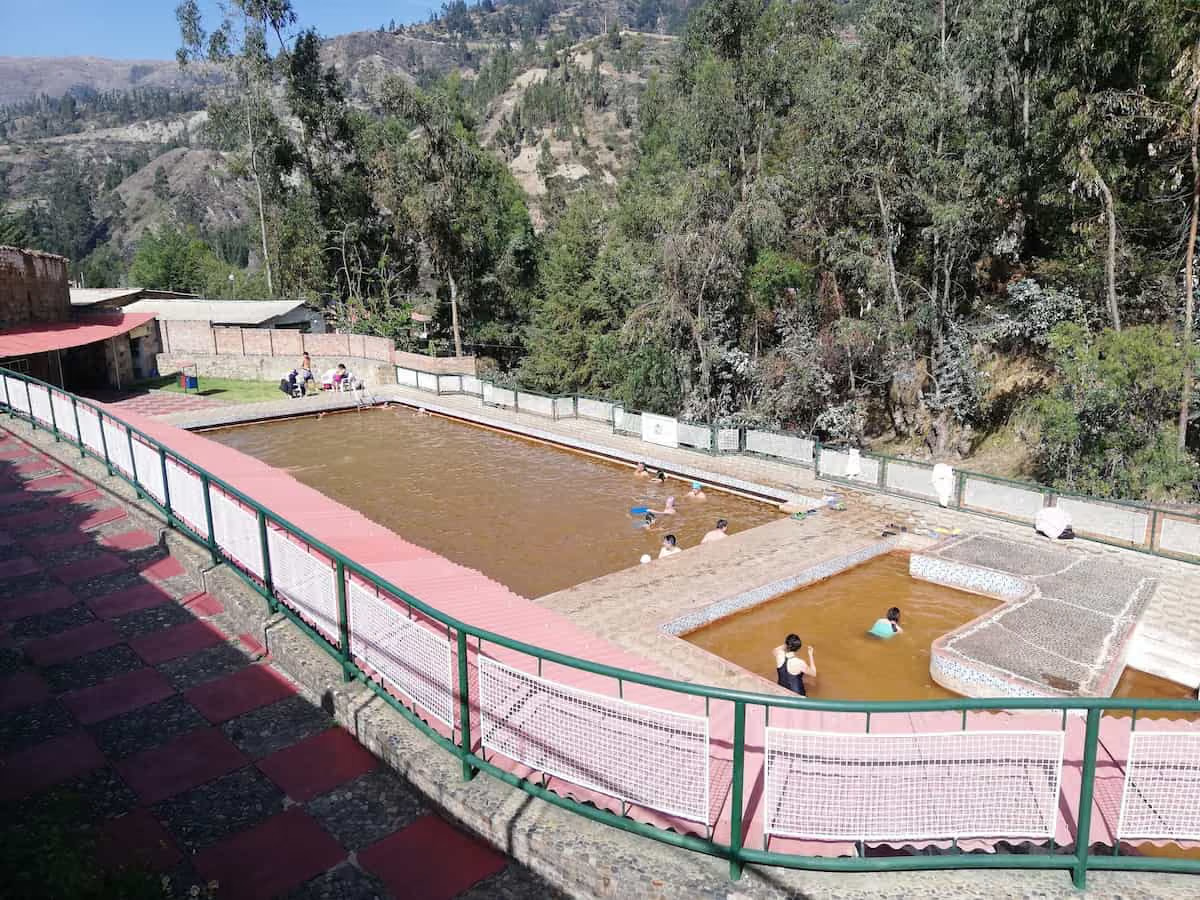
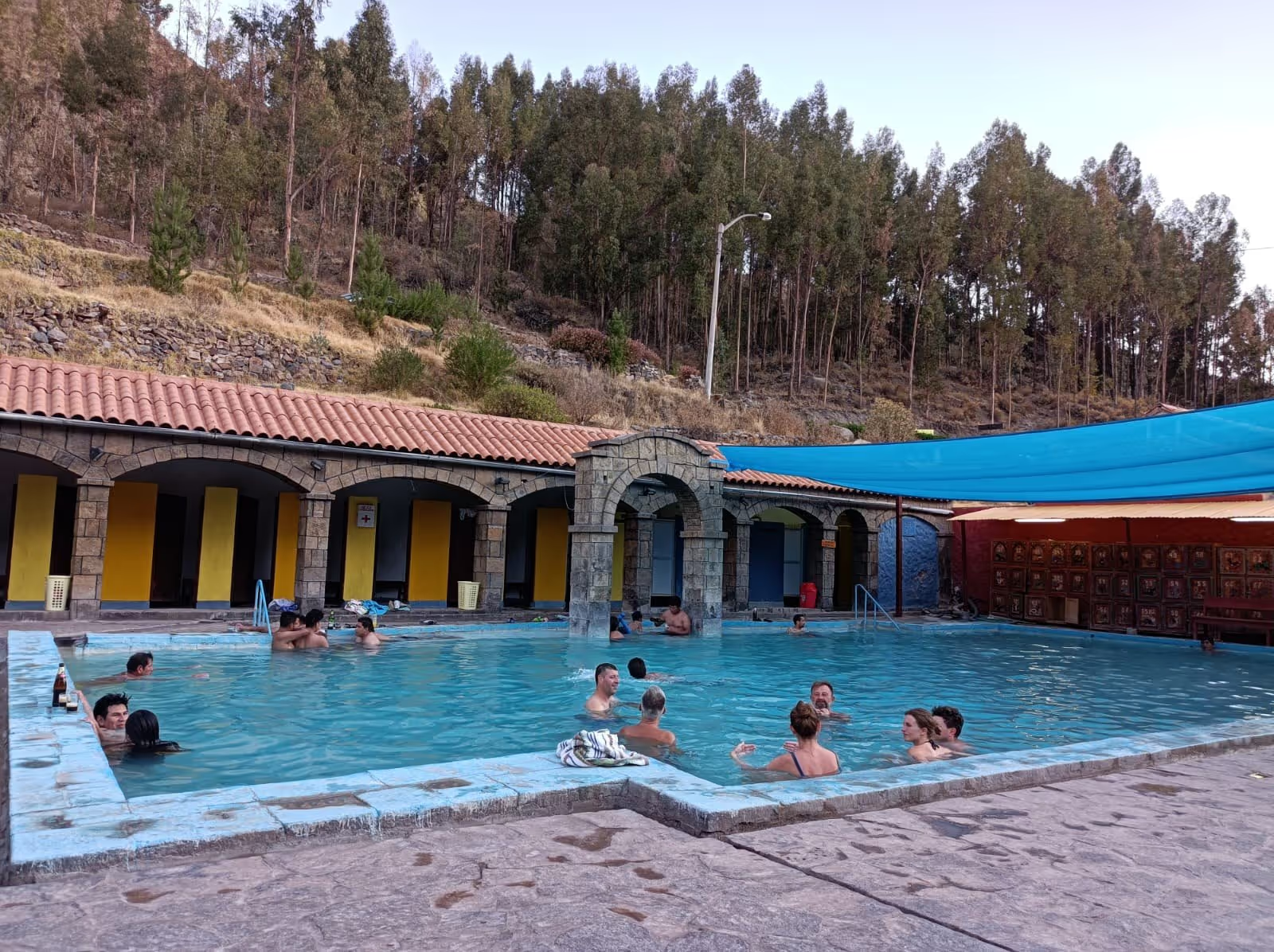
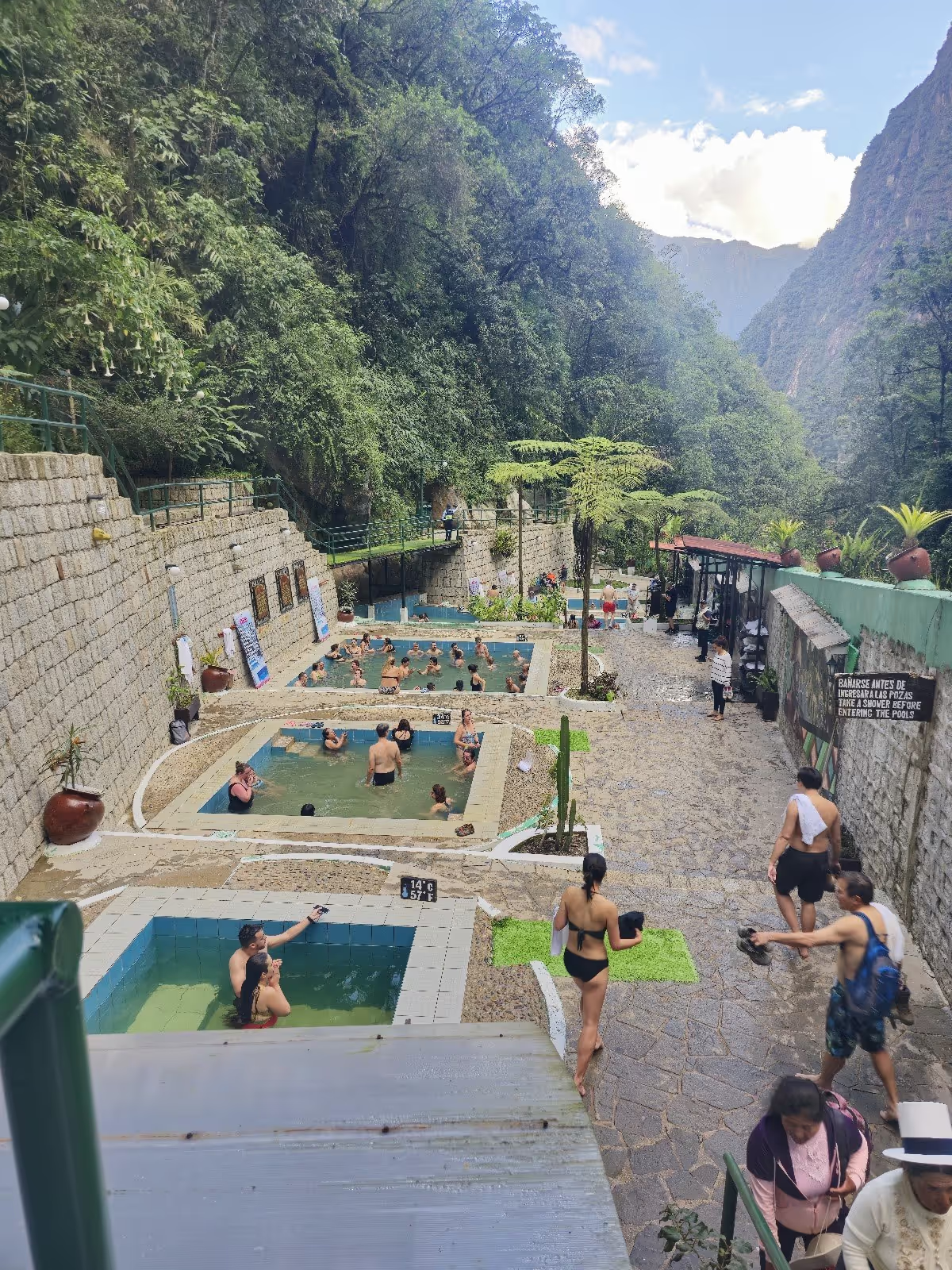
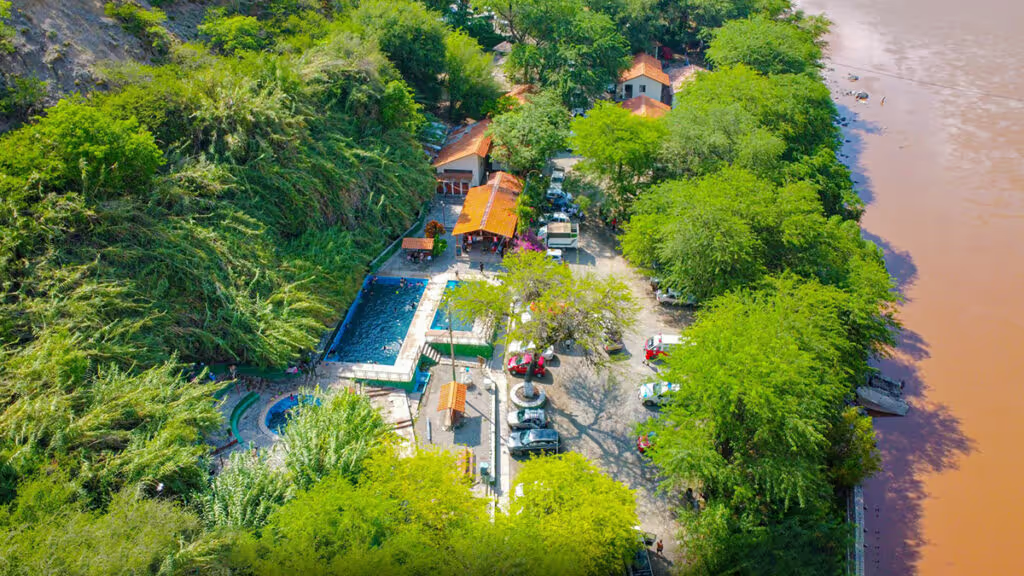
Banos Termales de Cconoc, Peru is a paid thermal spring complex at the foot of the Apurimac River canyon in Curahuasi district, Abancay province, in the Apurimac region, approximately 88 km from Abancay and 120 km from Cusco. The springs sit at 1,780 metres elevation on the banks of the Apurimac River, in a lush canyon environment of algarrobo trees, reeds, and cactus. Water temperatures range from 26 to 35 degrees Celsius. Entry is from 5 soles for adults and 3 soles for children. The name Cconoc likely derives from the Quechua word for warm.
The site consists of natural thermomineral pools fed by geothermal springs. The water is described as odourless with a mild saline character and is valued locally for its reported therapeutic properties, including relief from arthritis, rheumatism, and muscle pain. According to local and historical sources, the Cconoc springs were a resting place along the Inca road that connected Cusco to the Chinchaysuyo region, passing through Jaquijahuana, Tarahuasi, Marcahuasi, and the Apurimac crossing at Maucachaca.
The canyon location, warm climate, and low altitude make Cconoc noticeably different in character from the high-altitude thermal pools of Cusco and the Sacred Valley. Among the hot springs near Abancay, Cconoc is the best-known thermal complex in the Apurimac region.
Location & Access
Getting to Banos Termales de Cconoc
Banos Termales de Cconoc is reached by descending into the Apurimac canyon from the PE-3S highway, approximately 88 km from Abancay and 120 km from Cusco. From Abancay, drive southeast on the PE-3S highway in the direction of Cusco; the turn to Cconoc is near the Apurimac canyon, and the springs are approximately 30 minutes below the main highway. From Cusco, drive west on the PE-3S highway toward Abancay; Cconoc is reached before Curahuasi town, at the canyon descent toward the Apurimac.
Private vehicle or hired transport is the most practical option, as no regular public transport runs directly to the springs. From Abancay, buses toward Cusco stop at Curahuasi; from Curahuasi a local taxi can continue to the springs. Multiple tour operators in both Cusco and Abancay offer day trips to Cconoc including return transport. Visiting with a tour or hired vehicle is recommended, particularly from Cusco, as return transport from the canyon bottom can be difficult to arrange independently.
The dry season from April to October is the best time to visit, when road access is reliable and the canyon climate is clear. The rainy season from December to March brings heavier rainfall and can make the descent road more difficult. Visitors looking for hot springs near Abancay in a canyon river setting will find Cconoc the most accessible thermal option in Apurimac.
Suitability & Accessibility
Who Should Visit Banos Termales de Cconoc
Banos Termales de Cconoc suits families, local Peruvian visitors, and travellers on the Abancay-Cusco route who want a relaxed thermal pool experience at low altitude in a canyon river setting. The warm temperatures (26-35 degrees Celsius) and accessible price (5 soles adults, 3 soles children) make it suitable for a wide range of visitors, including families with young children and those who find high-altitude thermal pools uncomfortable.
The low elevation of 1,780 metres is one of Cconoc's most distinctive features among thermal springs in the Cusco and Apurimac corridor. Visitors acclimatising to Peru before heading to the higher-altitude Sacred Valley or Cusco may find the warmer, lower-altitude canyon setting at Cconoc particularly appealing for a day stop. The springs are open for both day and night visits, and the canyon environment provides warmth in the evenings.
Wheelchair accessibility is not documented for this site. The access road descends into the Apurimac canyon, and the facilities have not published specific accessibility information in the sources used for this listing. Visitors with mobility requirements should contact local tour operators for current access details. The site is a good stop for families seeking hot springs near Abancay who want mineral pools in a natural canyon setting without the physical demands of high-altitude access.
Safety & Etiquette
Banos Termales de Cconoc Safety Tips
Banos Termales de Cconoc is generally safe for most visitors. The thermal pools range from 26 to 35 degrees Celsius, warm but not dangerously hot. Test the temperature before entering and limit time in the warmest pools. The canyon location at 1,780 metres elevation is warmer than the high Andean plateaus, and the combination of heat and humidity can increase dehydration risk when soaking; bring adequate drinking water and drink regularly throughout your visit. Exit any pool if you feel lightheaded or overheated.
The access road into the Apurimac canyon descends steeply from the main PE-3S highway. Take extra care on this road, particularly in the rainy season from December to March when the surface can become slippery or partially blocked by debris. If visiting by private vehicle, low gear is recommended for both the descent and the return climb. Night visits are possible per visitor accounts, but the canyon road is unlit; only visit after dark if you have reliable transport and are confident in road conditions and have a driver familiar with the route.
The nearest town with medical facilities is Curahuasi, approximately 30 minutes away by road. Cell coverage in the canyon bottom can be limited or absent; inform someone of your itinerary before descending. The lower-altitude canyon environment at 1,780 metres supports insects, including mosquitoes; bring insect repellent particularly for afternoon and evening visits. Pool surrounds can be wet and slippery; wear footwear with grip when moving between the changing area and the pools. Bring cash as there are no ATMs at the springs; the nearest ATMs are in Curahuasi, Abancay, or Cusco.
Frequently Asked Questions
1
What does the name Cconoc mean?
The name Cconoc likely derives from the Quechua word meaning warm or hot. Quechua is the indigenous language of the Inca empire and remains widely spoken in the Apurimac and Cusco regions of Peru today. The Apurimac canyon area, including the road that passes through Curahuasi toward Cusco, has many place names of Quechua origin. The thermal springs themselves have been known to local communities for centuries, and the name directly reflects their defining characteristic: the warm water that rises from the earth at the canyon floor.
2
Were the Cconoc thermal springs used by the Incas?
Historical and local accounts indicate that the Cconoc springs were used as a resting place along the Inca road that connected Cusco to the Chinchaysuyo region to the north and west. The route passed through several towns, including Jaquijahuana, Tarahuasi, Marcahuasi, and the Apurimac crossing at Maucachaca, near where the springs are located. The Apurimac River crossing at this point was historically served by a suspension bridge, Maucachaca, built by the Incas, which remained in use into the Spanish colonial period. The thermal springs on the riverbank would have been a natural stopping point for travellers along this route.
3
What is the water like at Cconoc and what are its reported benefits?
The water at Cconoc is described as odourless with a mild saline scent, clear in appearance, and thermomineral in character. Local and visitor sources report that the water contains natural minerals and is believed to have therapeutic properties. Common claims include relief from arthritis, rheumatism, muscle pain, and nervous tension. While these therapeutic claims are part of local tradition and are widely repeated, they are not medically verified in the sources used for this listing. The water temperature ranges from 26 to 35 degrees Celsius depending on the specific pool, which is warm and comfortable rather than very hot.
4
Is it better to visit Cconoc from Cusco or from Abancay?
Both are viable starting points. Abancay is the closer city at approximately 88 km and around 2.5 hours by road; Cusco is farther at approximately 120 km and around 3 hours. The springs are located between the two cities on the PE-3S highway, descending into the Apurimac canyon. Visiting from Abancay involves a shorter drive and is in the same department of Apurimac. Visiting from Cusco is more common among international tourists because Cusco is the primary arrival and accommodation hub for the region. Many tour operators in both cities offer day trips that include transport, which avoids the challenge of arranging return transport from the canyon independently.
5
What other attractions are near Cconoc?
Cconoc is located near Curahuasi, a town known as the anis (anise) capital of Peru and home to the Saywite Monolith, a large carved Inca stone located on the PE-3S road that depicts a detailed relief map of an Inca administrative landscape. Approximately 1 km downstream from the Cconoc thermal springs along the Apurimac River are tunnels carved through the canyon walls that lead to the site of Maucachaca, the historic Inca suspension bridge crossing. The Apurimac canyon itself is one of the deepest canyons in South America and offers dramatic scenery along the descent road. The region is also a gateway to the Choquequirao archaeological site, a large Inca complex accessible via a multi-day trek from Cachora, approximately 30 km from Curahuasi.
Gallery
No pictures available for this hot spring.
Location
Address:
Cconoc, Distrito de Curahuasi, Provincia de Abancay, Apurimac, Peru
Find a place to stay
Compare prices near this exact spot across Booking.com, Expedia and more.
See nearby stays →
-13.6
-72.65
Banos Termales de Cconoc, Peru
Text LinkCconoc, Distrito de Curahuasi, Provincia de Abancay, Apurimac, Peru
Some accommodation links on this site are affiliate links. If you book through them, we may earn a small commission at no additional cost to you. This helps keep hotspringsguides.com free to use.